To winterize renovation Fort Worth vacant property sites effectively, owners should shut off the main water supply and drain all interior plumbing lines. Maintaining a thermostat setting of at least 55 degrees and insulating exterior faucets will further protect the structure from pipe bursts during sudden Texas freezes.
In the Fort Worth real estate market, a sudden North Texas freeze can transform a profitable renovation into a costly restoration project overnight. For investors managing vacant flips or rental properties, the arrival of winter brings a unique set of vulnerabilities that standard residential winterization often overlooks. An exposed pipe in a half finished bathroom or a neglected foundation vent can lead to catastrophic water damage, effectively stalling your timeline and eroding your equity. At Bridge & Build Renovations, we understand that protecting your investment requires a proactive, site specific strategy rather than a reactive fix. This guide outlines the essential protocols for securing your vacant projects; including detailed plumbing safeguards, HVAC management for construction zones, and critical exterior maintenance. By coordinating effectively with your renovation team, you can ensure your DFW assets remain secure throughout the coldest months of the year.
Why DFW Winter Renovations Require a Different Strategy
North Texas winters are notoriously unpredictable. We often experience weeks of 60 degree afternoons, only to be hit by a sudden, catastrophic deep freeze that puts the entire local infrastructure at risk. For homeowners and investors, a standard vacant house is a concern; however, a property currently under renovation is in a category of its own. When you decide to winterize renovation Fort Worth vacant property projects, you have to account for vulnerabilities that a finished home simply does not have.
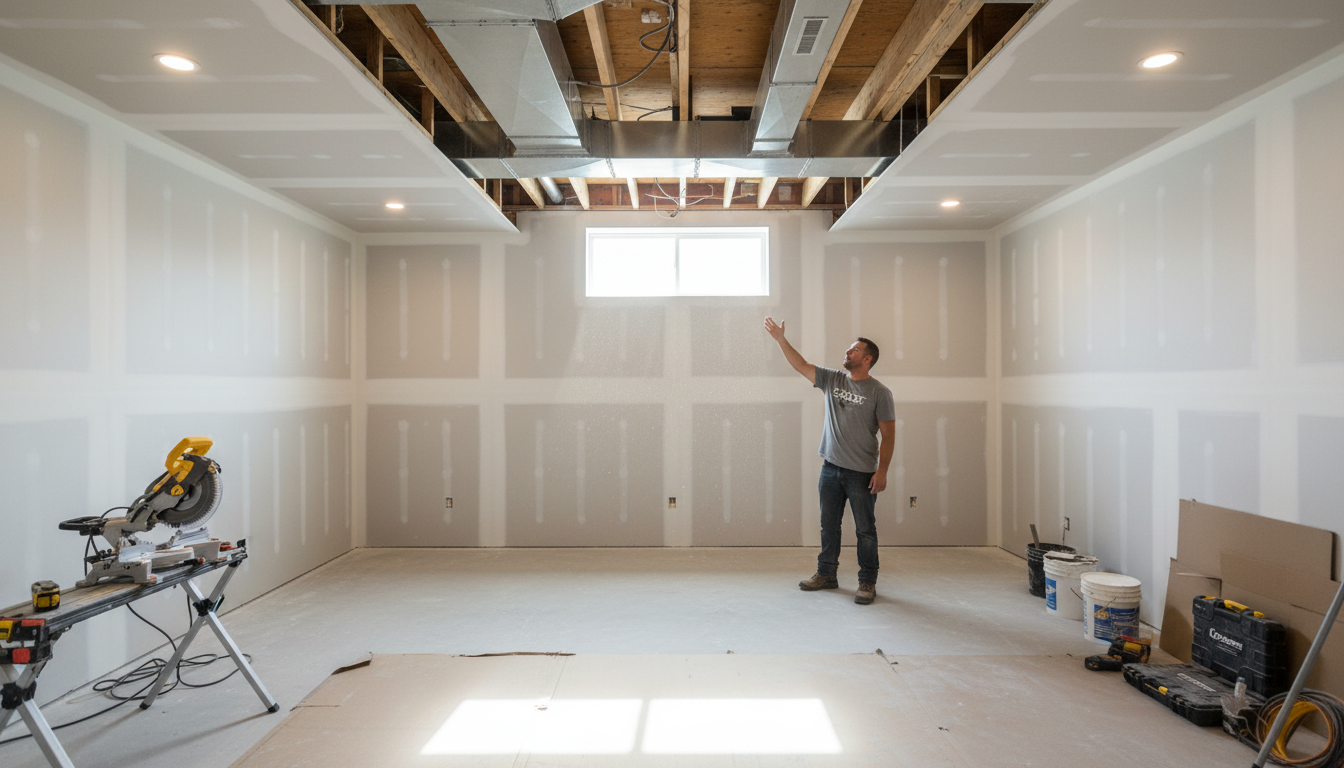
During rental renovation services in Fort Worth, we often strip rooms down to the studs. This means the insulation is gone, the drywall is removed, and the plumbing lines that were once protected are now directly exposed to the cold air circulating through the wall cavities. Even a minor temperature drop can cause pipes to freeze when the thermal envelope of the house is compromised. The 2021 Texas freeze served as a brutal cautionary tale for local investors, proving that "business as usual" does not work when the temperature drops below zero.
A burst pipe in a mid-renovation property is a compounding disaster. It does not just mean a high water bill; it means ruined new flooring, mold growth in fresh subfloors, and a complete destruction of the project timeline. At Bridge & Build Renovations, we prioritize investor-level efficiency. We recognize that a week-long delay for repairs is a week of lost holding costs and missed market opportunities. Protecting the rehab budget requires a proactive strategy that goes beyond just dripping a faucet, especially when fixtures are disconnected and the home is open to the elements.
The Plumbing Protocol: Draining and Protecting Mid-Renovation Lines

When a property is mid-construction, standard winterization tactics like dripping a faucet are often impossible because the faucets may not even be installed. To winterize renovation Fort Worth vacant property sites correctly, you must treat the plumbing as a temporary system that requires manual intervention. The goal is to remove the water entirely rather than hoping it stays warm enough to flow.
Start by locating and closing the main water shut-off valve. In the Dallas-Fort Worth area, this is typically found in a concrete box near the street or curb, often requiring a water key to open the meter lid. In some newer Fort Worth builds, you might find a secondary shut-off valve inside the garage or near the water heater. Once the supply is cut, use the bottom-up drainage method. Open the lowest exterior hose bibs or utility sinks first, then work your way to the highest fixtures in the house. This allows gravity to pull the remaining water out of the lines, preventing the pressure buildup that leads to bursts if a small amount of residual moisture freezes.
Disassembled bathrooms and kitchens present a unique risk: open sewer lines. When a toilet or vanity is removed, the P-trap can dry out or freeze, allowing sewer gases to enter the home. We recommend pouring non-toxic, RV-grade (pink) antifreeze into every open drain, floor drain, and remaining P-trap. Unlike water, this solution will not freeze and expand; it creates a heavy liquid seal that keeps the property smelling fresh and prevents the trap from cracking in sub-zero temperatures.
Material or Tool | Purpose in Winterization |
|---|---|
RV Antifreeze (Pink) | Protects P-traps and blocks sewer gas |
Foam Pipe Insulation | Wraps exposed lines in open wall cavities |
Ceramic Space Heater | Provides localized warmth in gutted bathrooms |
Water Meter Key | Essential for street-level shut-off access |
During a bathroom remodel where walls are stripped to the studs, even drained pipes can be vulnerable to residual moisture. Wrap any exposed PEX or copper lines in temporary foam sleeves. If the home’s HVAC is offline or struggling, a dependable property manager contractor will often place a small, thermostatically controlled space heater in the gutted room to maintain a localized safe zone above 50 degrees. This extra step protects the integrity of the new plumbing before the drywall goes back up. Managing these fix and flip renovation costs up front is far cheaper than repairing a flooded subfloor. However, keeping the plumbing safe is only half the battle; you must also manage the internal environment of the home without damaging your HVAC system.
Managing HVAC and Air Flow in a Vacant Construction Zone
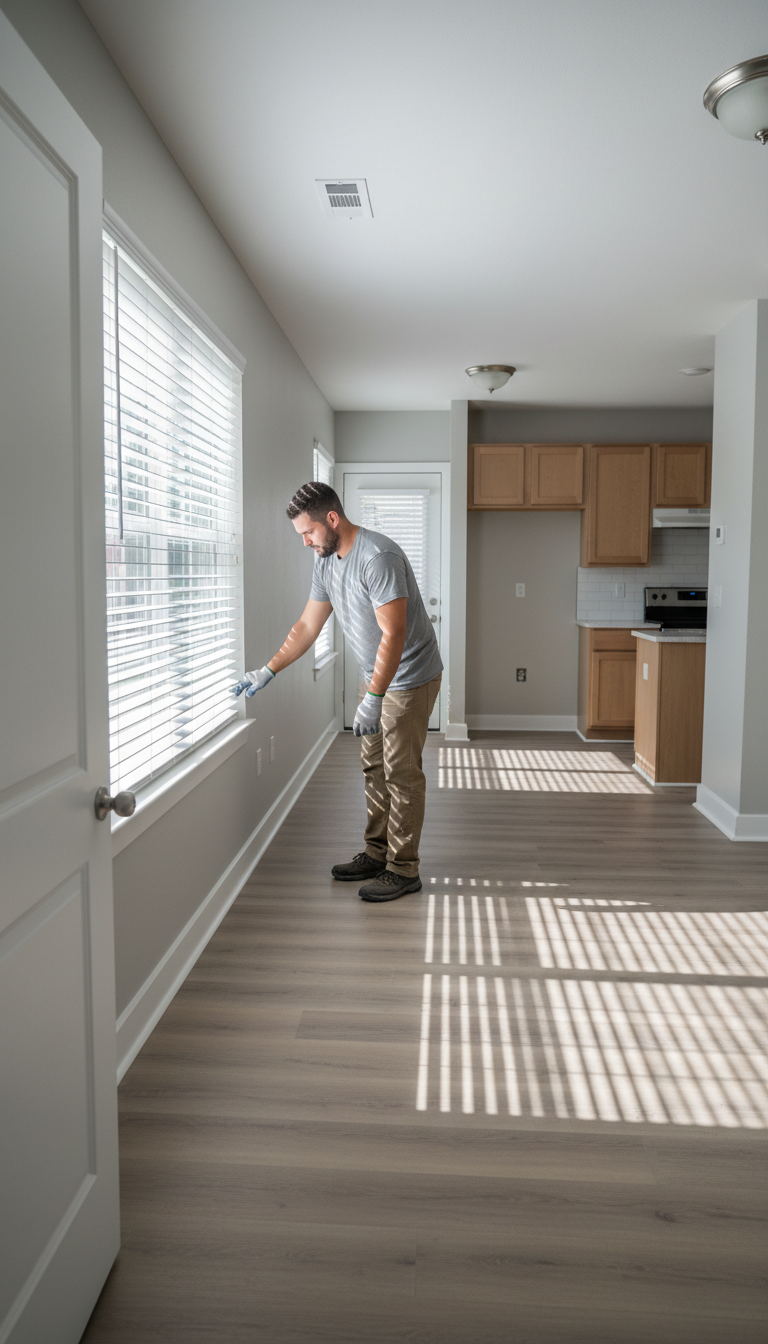
To effectively winterize renovation Fort Worth vacant property projects, you must balance the need for heat with the reality of construction debris. Sheetrock dust is particularly lethal to HVAC systems; it is fine enough to bypass standard filters and coat the furnace blower motor, eventually leading to a system failure in the middle of a freeze. While it is tempting to turn the system off to save the equipment, the risk of frozen lines is far greater. We recommend setting the thermostat to a minimum of 55 to 60 degrees. This provides a sufficient buffer against sudden DFW temperature drops without overworking the unit.
During active construction, the standard monthly filter change is insufficient. You should change the return air filter every seven days to maintain proper airflow and prevent the furnace from overheating due to restricted intake. Additionally, employ the cabinet door trick in every kitchen and bathroom. By leaving the doors beneath sinks open, you allow the ambient warm air from the room to reach the plumbing lines located inside the exterior walls. This simple step can prevent a localized freeze in a room that otherwise feels warm.
For total gut renovations where the HVAC system is being replaced or the ductwork is disconnected, do not leave the home’s interior temperature to chance. Temporary electric space heaters should be placed strategically to protect new plumbing and finish carpentry. Extreme cold causes wood to contract, which can lead to gaps in new crown molding or cracked cabinet face frames. Factoring the cost of temporary heat into your fix and flip renovation costs is a small price to pay for protecting the high-end finishes and structural integrity of the home.
Exterior Vulnerabilities: Foundation Vents and Hose Bibs
While the interior climate is managed through the HVAC, the exterior shell of a home remains the first line of defense. Neglecting the perimeter can lead to catastrophic failure, even if the indoor air is warm. Begin by disconnecting all garden hoses from exterior spigots. A connected hose traps water against the valve seat; when that water freezes, it expands into the pipe and causes a rupture inside the wall. Installing insulated foam covers on every hose bib is a standard requirement to winterize renovation Fort Worth vacant property sites properly.
For older properties in neighborhoods like Benbrook or Arlington, foundation vents require specific attention. Many of these homes feature pier and beam foundations with open vents designed for summer airflow. In sub-zero temperatures, these vents allow a rush of arctic air into the crawlspace, freezing the main supply lines from underneath. Ensure these vents are closed or temporarily blocked with foam board to maintain a stable temperature beneath the subfloor. Additionally, clear all gutters of construction debris and leaves. Clogged gutters lead to ice dams, which force melting snow under shingles and into the soffits. This often results in interior ceiling leaks that investors mistakenly identify as burst plumbing, leading to unnecessary diagnostic fix and flip renovation costs and avoidable project delays.
The Investor Checklist: Coordinating with Your Renovation Team
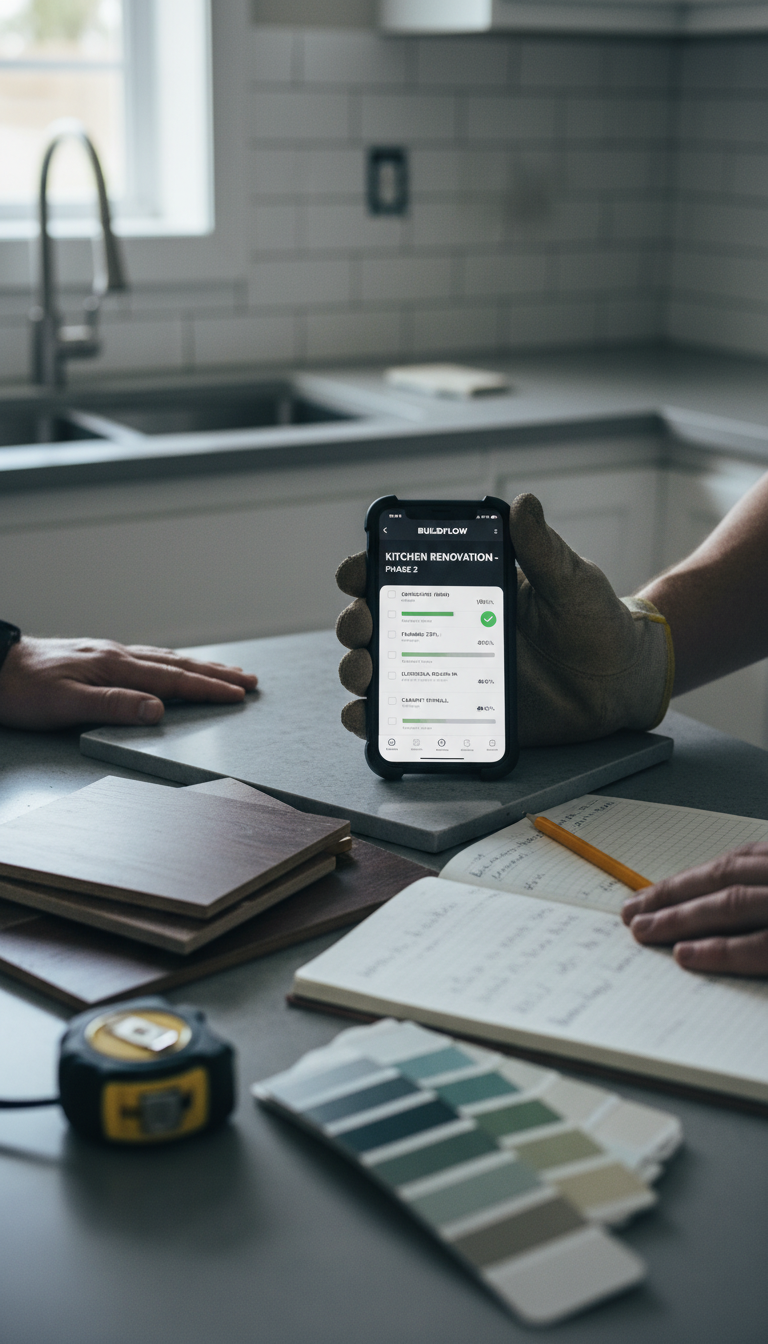
Successful winterization relies entirely on clear communication between the owner and the onsite team. When a hard freeze is forecasted for Tarrant County, a dependable property manager contractor should already have a protocol in motion. Real estate investors, particularly those managing properties from out of state, cannot afford a general contractor who stops answering the phone when the weather gets rough. Coordination should begin at least 48 hours before the cold front arrives, clarifying exactly who is responsible for the final site walkthrough.
At Bridge & Build Renovations, we treat the winterization walkthrough as a mandatory safety check. This involves a room by room inspection to ensure thermostats are set correctly, cabinet doors are propped open, and all exterior vulnerabilities are sealed. For our investor clients, we recommend integrating smart technology into the project during the early stages of rental renovation services in Fort Worth.
Technology | Investor Benefit | Application |
|---|---|---|
Smart Thermostat | Remote monitoring of interior temps | Prevents furnace failure from going unnoticed |
WiFi Leak Sensors | Instant alerts for pipe failures | Placed near water heaters or in crawlspaces |
Smart Lockbox | Track entry for winterization checks | Confirms the team arrived before the freeze |
Using these tools allows you to winterize renovation Fort Worth vacant property sites with data rather than guesswork. However, technology is only a backup for physical presence. The most sophisticated sensor in the world cannot drain a line or cover a hose bib. You need a team that views showing up on time as a core requirement of the job. In an industry where answering the phone is often treated like a luxury feature, we believe that level of reliability is the only way to protect a rehab budget from avoidable disaster. A quick update from your project manager confirming the property is secure provides more peace of mind than any insurance policy.
Insurance Considerations for Vacant Texas Properties
Reliable project management is your first line of defense, but insurance serves as the ultimate financial safety net. Many investors in the DFW metroplex discover too late that their coverage for a burst pipe is strictly conditional. Most standard landlord or homeowner policies contain a vacancy clause that triggers after 30 or 60 days of the property being empty. If you are deep into rental renovation services in Fort Worth, your property likely falls under these "vacant" or "unoccupied" definitions, which can void protection against water damage unless you have secured a specific Builder’s Risk policy or a vacancy endorsement.
Carriers often require proof that the owner exercised "due diligence" or "reasonable care" to prevent freezing. This typically means maintaining a minimum interior temperature of 55 to 60 degrees or ensuring the water supply was shut off and the lines were fully drained. If a pipe bursts and an insurance adjuster discovers the HVAC was deactivated to lower fix and flip renovation costs during a freeze, they may deny the claim entirely. To properly winterize renovation Fort Worth vacant property sites, you must document your preventative measures. We recommend keeping logs of thermostat settings and photos of insulated lines. Review your policy’s "Protective Safeguards" endorsement today; your renovation team can help implement the physical changes required to keep your coverage valid throughout the winter season.
Protecting your investment during a Texas freeze requires a proactive approach. By insulating pipes and managing temperature settings, you prevent costly damage that can derail your project timeline. While these steps are manageable, keeping up with multiple properties during a harsh winter is often a challenge. If you want expert help ensuring your property stays in top shape, we are here to support your next Rental Renovation. Our team understands the unique demands of the local climate and can help you navigate these seasonal hurdles efficiently.