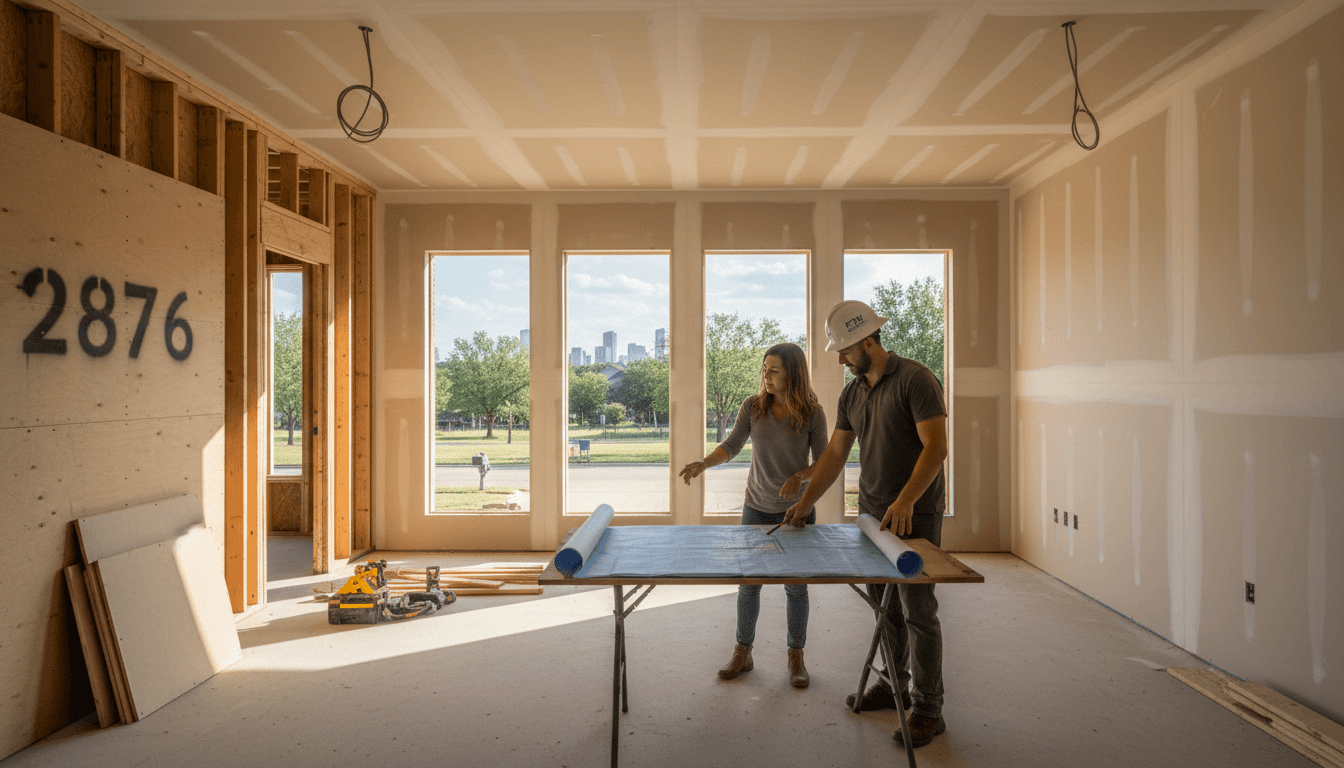

A standard rental renovation cost Fort Worth investors should anticipate usually ranges between $20,000 and $40,000 per property for comprehensive rehabilitations. To sustain these investments, property owners are advised to budget approximately two months of rent annually for ongoing maintenance and capital needs to minimize long term vacancy rates.
Every day your North Texas rental property sits vacant, your portfolio loses momentum. Between mortgage payments, property taxes, and the simple loss of expected income, an inefficient turnover is the silent killer of your bottom line. In a competitive market like Fort Worth, balancing the cost of repairs with the speed of delivery is not just a preference; it is a financial necessity. At Bridge & Build Renovations, we understand that successful investing requires a calculated approach to every dollar spent on labor and materials. This guide provides a detailed breakdown of Fort Worth rental renovation costs, categorizing projects into distinct tiers based on scope and investment goals. You will learn the true math behind vacancy periods, the price ranges for cosmetic versus structural upgrades, and how to select the right level of renovation to attract quality tenants while protecting your margins.
The Real Cost of Rental Vacancy in North Texas
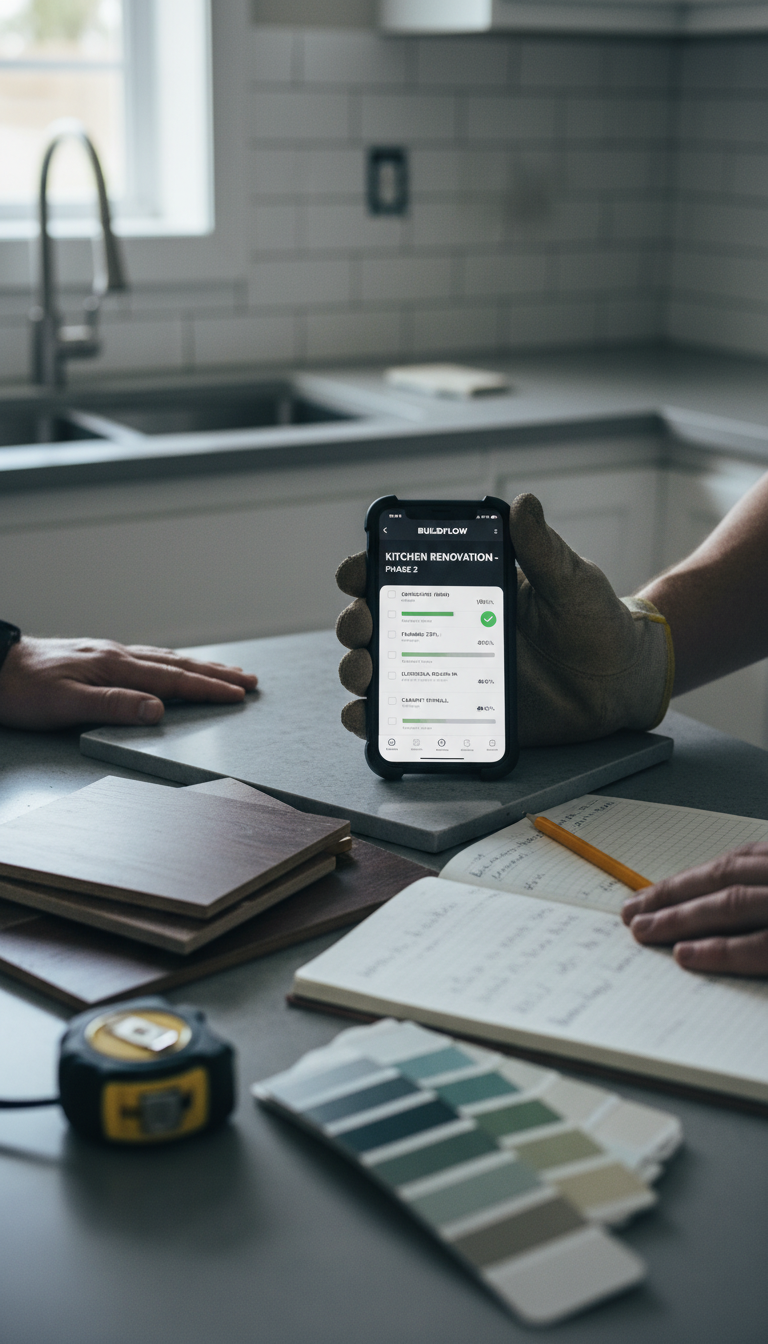
Successful real estate investing in Tarrant County relies on a metric often overlooked during the bidding process: the daily cost of vacancy. For a property with a median North Texas rent of approximately $2,160, every day the home sits empty costs the owner $72. This figure represents lost revenue that can never be recovered, yet it is rarely factored into the initial rental renovation cost Fort Worth investors analyze.
A common pitfall is hiring a contractor based solely on the lowest labor bid. If a cheaper crew saves you $1,000 upfront but takes three extra weeks to finish the turn, they have effectively cost you $1,512 in lost rent. This delays the leasing process and pushes the true cost of the renovation well above the more efficient professional bid. Speed is not a luxury in the DFW market; it is a critical financial metric that determines your annual yield.
Bridge & Build Renovations approaches every rental renovation in Fort Worth with this math in mind. We provide structured timelines and dependable project management because we understand that a house sitting idle is a liability. By utilizing professional make-ready and turn contractor services, landlords in Aledo, Keller, and Benbrook can ensure their properties move from under construction to income-producing with minimal friction. Investors tracking their fix and flip renovation costs must prioritize a predictable schedule, as a reliable timeline is often more valuable than a low-ball estimate from a contractor who stops answering their phone.
Tier 1: The Cosmetic Make Ready (Price Ranges and Scope)

The entry point for maintaining a competitive edge in the Tarrant County market is the Tier 1 cosmetic make-ready. For a standard three-bedroom, two-bathroom home in neighborhoods like North Richland Hills or Benbrook, this scope typically represents a rental renovation cost Fort Worth investors can expect to fall between $2,500 and $6,000. This tier is not about restructuring a space, but rather about removing the visual friction that prevents a prospective tenant from seeing themselves in the home. It is a strategic strike designed to maximize the property's appeal while minimizing the number of days the home remains off the market.
A professional Tier 1 scope focuses on high-impact surfaces and touchpoints. The most significant component is a full interior paint job. We typically recommend a single, cohesive neutral like Sherwin-Williams Agreeable Gray or City Loft. Using a consistent color throughout the property simplifies future touch-ups and provides a clean, modern backdrop. This stage also includes professional drywall repairs to erase the signs of previous tenancies, ensuring every wall is smooth before the first coat of paint is applied.
Beyond paint, the difference between a mediocre turn and a professional one lies in the details. Replacing outdated or mismatched high-touch items is essential for a 'clean and functional' presentation. This includes:
Swapping out almond or ivory light switches and outlets for modern white Decora-style rockers.
Replacing worn door hardware and cabinet pulls with brushed nickel or matte black finishes.
Installing fresh door stops and air filters.
Executing a professional deep clean that focuses on grout lines, window tracks, and appliance interiors.
Utilizing professional make-ready and turn contractor services for these tasks ensures the property meets the standard expected by quality tenants in the DFW metroplex. While these updates are relatively minor, they prevent the 'landlord special' aesthetic that often drives down rental applications. By focusing on these specific improvements, investors can satisfy the market's demand for a move-in-ready home without over-capitalizing on a property that only requires a refresh.
Tier 2: The Heavy Turn (Value Add Renovations)

When the goal shifts from simple maintenance to increasing monthly cash flow, the Tier 2 Heavy Turn becomes the strategic choice. This level of investment typically falls between $10,000 and $25,000. It is designed for properties that are structurally sound but aesthetically dated, preventing them from commanding top-market rates in desirable areas like Keller or Grapevine. By targeting specific high-value upgrades, investors can jump a rent class, moving a property from a generic rental pool into a premium tier that attracts long-term, high-quality tenants.
The centerpiece of a Tier 2 rental renovation in Fort Worth is almost always Luxury Vinyl Plank (LVP) flooring. In North Texas, LVP has become the gold standard for rental property flooring. Unlike carpet, which requires frequent replacement and professional steam cleaning between every tenant, LVP is nearly indestructible, waterproof, and visually indistinguishable from hardwood. It handles the high-traffic demands of families and pets while providing the modern look that DFW renters expect. It is the most effective way to eliminate the ongoing expense of carpet turns while simultaneously increasing the property's appraisal value.
Beyond flooring, a Heavy Turn focuses on the kitchen and bathrooms. Rather than a full gut, which pushes costs into the next tier, we focus on high-impact surfaces. This involves a more technical scope of work:
Upgrade | Functional Benefit | Market Impact |
|---|---|---|
LVP Flooring | Waterproof and scratch-resistant | Significant rent premium |
Cabinet Refinishing | Modernizes existing layouts | High visual ROI |
Granite or Quartz Counters | Heat resistant and durable | Attracts Tier A tenants |
Updated Lighting Packages | Improved photography and feel | Faster leasing time |
Professional make-ready and turn contractor services are essential here because these projects involve coordinating multiple trades. While generic national data might suggest a standard kitchen refresh costs a flat rate, those figures often fail to account for current DFW labor rates and material availability. In the North Texas market, skilled labor for stone fabrication and specialized flooring installation is in high demand. We manage these fix and flip renovation costs by utilizing established vendor relationships, ensuring that a $20,000 investment actually yields a corresponding improvement in value, rather than getting swallowed by mismanagement or extended timelines.
Tier 3: The Whole Home Rehab (Full Investor Transformation)
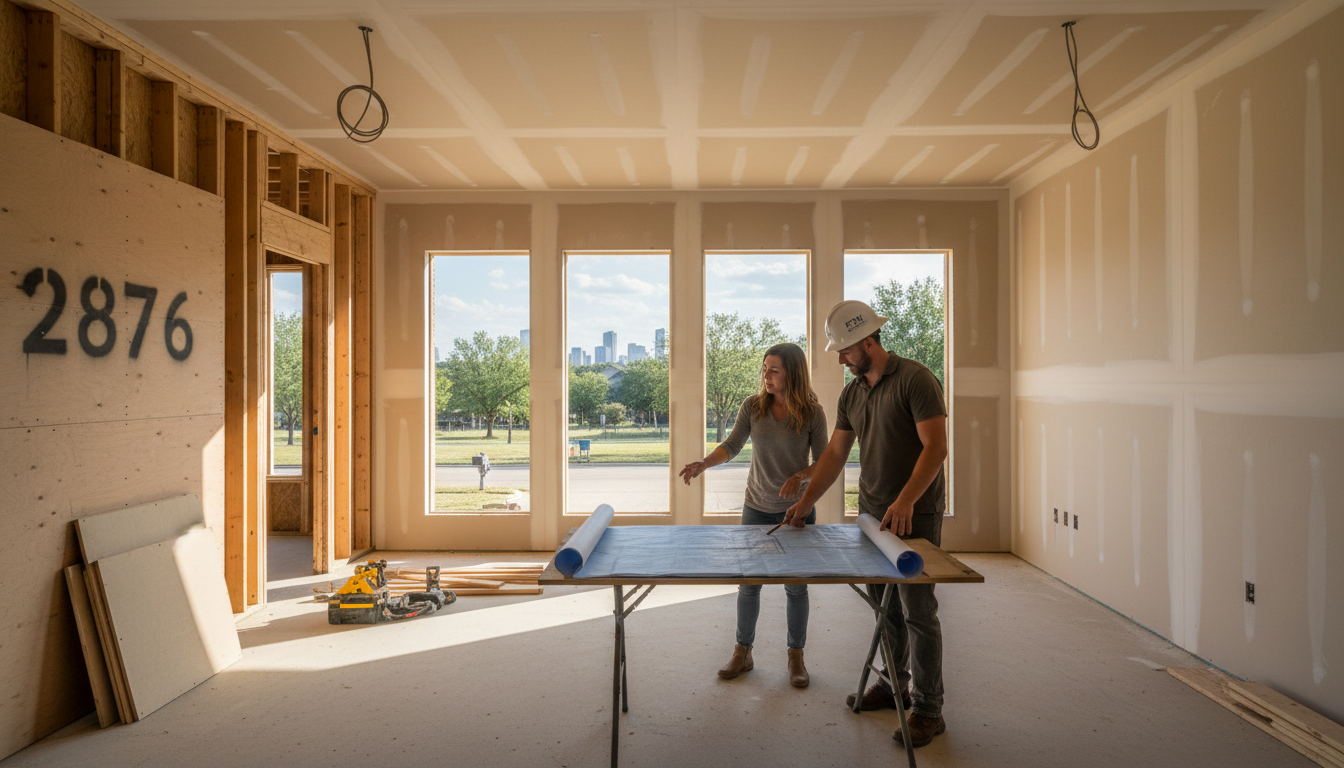
For distressed assets or legacy holds in need of total modernization, the Tier 3 Whole Home Rehab starts at $40,000 and can scale significantly based on square footage. This category is common for properties in Aledo or Southlake where the market demands a higher finish level to attract tenants willing to pay premium monthly rates. Unlike the cosmetic updates found in lower tiers, a full rental renovation in Fort Worth at this level involves addressing the bones of the property. This includes full kitchen gut remodels, complete bathroom reconfigurations, and the replacement of aging windows to improve energy efficiency and curb appeal.
Investors should anticipate addressing foundational systems at this level. This often includes upgrading electrical panels to meet modern safety codes and replacing outdated plumbing stacks with PEX. These are not just aesthetic choices; they are risk mitigation strategies that protect the long term ROI of a significant asset. National data indicates that a substantial portion of the vacant housing stock requires this level of intervention to become viable; North Texas is no exception.
Rehab Component | Scope of Work | Value Proposition |
|---|---|---|
Kitchen Gut | Full cabinet replacement, layout optimization, new appliances | Maximum tenant retention and appraisal |
System Upgrades | Electrical panels, PEX plumbing, HVAC units | Reduced maintenance calls and insurance risk |
Exterior/Windows | Double pane vinyl windows, siding repair, new doors | Energy efficiency and high end curb appeal |
Bridge & Build Renovations manages these transformations with investor level efficiency. We recognize that while the finishes may be high end, the project cannot drag on like a slow paced custom build. Managing fix and flip renovation costs at this scale requires a general contractor who treats the timeline as a fixed financial constraint. By utilizing professional make-ready and turn contractor services for a Tier 3 project, you ensure the property is modernized for the next twenty years of service, not just the next tenant. The goal is a product that looks like a custom home but is built on a schedule that honors your capital.
Why Fort Worth Property Managers Choose Professional GCs over Handymen
Determining who should execute a rental renovation in Fort Worth often comes down to the complexity of the scope. While a handyman is an excellent choice for a single leaky faucet or a broken window latch, they rarely have the infrastructure to manage a multi trade turn. Property managers in the DFW metroplex prefer professional general contractors because we provide a single point of accountability for plumbing, electrical, flooring, and paint. This prevents the scheduling domino effect where a painting delay pushes back the carpet installer, who then takes another job, leaving your property vacant for an extra week.
A licensed and insured general contractor mitigates risk in a way a solo handyman cannot. When managing fix and flip renovation costs, the ability to navigate local codes and provide proof of insurance is a baseline requirement for professional asset management. Bridge & Build Renovations focuses on the logistical side of construction; providing structured timelines and daily communication. In an industry where answering the phone and showing up on time are often considered luxury features, we treat them as essential business requirements.
Service Feature | Professional General Contractor | Independent Handyman |
|---|---|---|
Scope Capability | Multi-trade turns and full rehabs | Minor repairs and maintenance |
Risk Mitigation | Fully insured and licensed | Often limited or no coverage |
Scheduling | Structured timelines with sub-coordination | Individual availability |
Communication | Daily updates and professional oversight | Varies by individual |
Our make-ready and turn contractor services are built on the premise that your property manager needs a partner who delivers a predictable product without the need for constant micromanagement. By centralizing the management of a renovation, you ensure that the high standards expected in Tarrant County rentals are met on the first pass, reducing the need for costly rework or delayed move-ins.
Maximizing ROI: Which Rental Renovation Tier Should You Choose?
Choosing between a cosmetic refresh and a heavy turn requires looking past generic formulas. While the 1% rule and the 50% rule are popular benchmarks, they often fail to account for the specific rental renovation cost Fort Worth demands in high-growth ZIP codes. Instead of following national averages, analyze local comparables within a two mile radius. If every active listing in Keller features LVP and stone counters, a Tier 1 refresh will leave your property sitting vacant. Conversely, installing quartz in a neighborhood where rent is capped by local wages is a fast way to kill your cash-on-cash return.
Over renovating is the most frequent error for new landlords. The goal is to meet the market, not exceed it so significantly that your basis prevents a profit. Professional make-ready and turn contractor services help identify the sweet spot where fix and flip renovation costs align with realistic rent bumps. Tarrant County property managers often suggest setting aside two months of rent annually for capital improvements; this ensures you can afford a Tier 2 upgrade every few years to keep the asset competitive without a sudden cash crunch.
Mastering the balance between renovation tiers and vacancy math is the key to scaling your DFW portfolio successfully. When you align your property upgrades with local market demands, you ensure both high tenant quality and long-term profitability. If you want expert help streamlining this process, our team is ready to guide your next Rental Renovation in the Fort Worth area. We provide the local insight needed to make every dollar work harder for your investment goals.