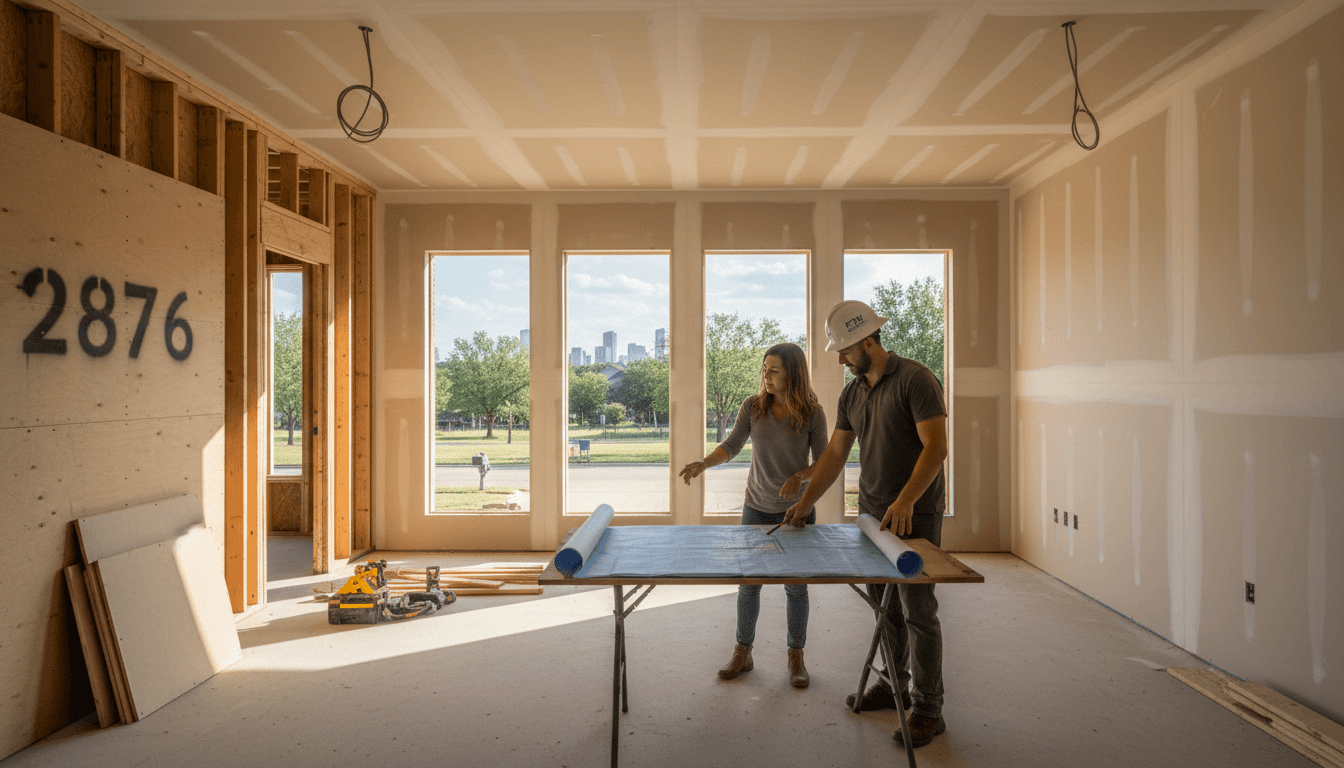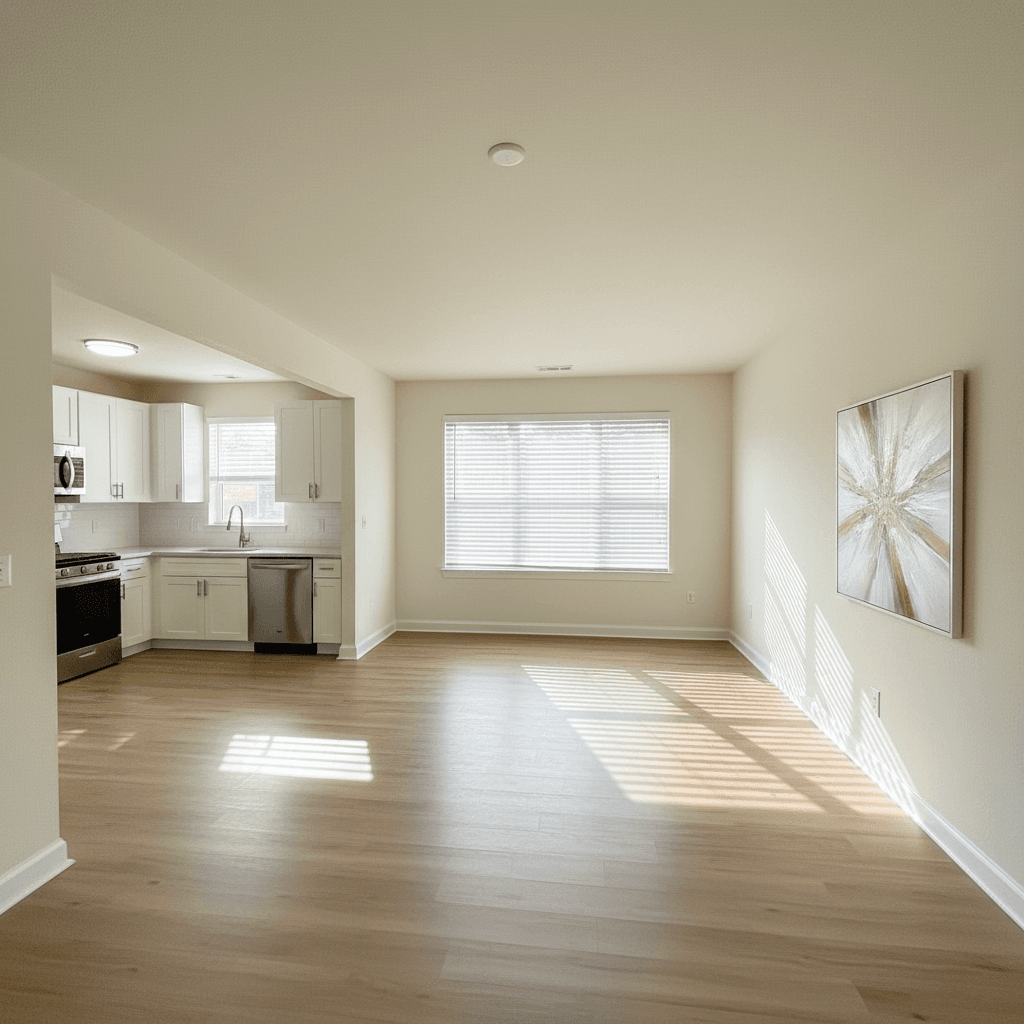

A comprehensive fix and flip rehab budget Fort Worth typically ranges from $68,000 to $88,000 for a standard project, covering essential trades like kitchens, bathrooms, and HVAC. Investors must calculate these renovation costs alongside acquisition and holding expenses to determine a property's true profit potential; localized trade guides help ensure estimates remain accurate for the DFW market.
Navigating the Fort Worth real estate market requires more than a keen eye for distressed properties; it demands a surgical approach to renovation math. Many DFW investors rely on broad rules of thumb that fail to account for the unique geological and structural challenges prevalent across Tarrant County. A miscalculated foundation repair or an overlooked HVAC overhaul can quickly erase your projected margins and turn a promising flip into a financial drain. This guide moves beyond generalities to provide a granular, trade by trade breakdown of current rehab costs in the local market. You will learn how to navigate specific Texas environmental factors, prioritize high return interior finishes, and account for the hidden mechanical issues common in older North Texas homes. We provide the practical insights necessary to build a budget that protects your capital and maximizes your after repair value.
Beyond the 70 Percent Rule: Why DFW Investors Need Granular Rehab Budgets

The 70 percent rule is a useful filter for initial property acquisitions, but it is a dangerous foundation for an actual construction plan. Many investors rely on national benchmarks that group fix and flip renovation costs in Fort Worth into generic buckets like "rehab" or "carrying costs." These broad estimates frequently ignore the reality of the Tarrant County labor market and the localized volatility of material pricing. A national lender might suggest a standard 10 percent contingency, but that rarely accounts for a sudden spike in quartz fabrication costs or the limited availability of specialized trades in high-demand areas like Keller or Aledo.
To protect your margins, you must transition from broad percentages to a granular Schedule of Values (SOV). An SOV is the backbone of a successful fix and flip budget Fort Worth. Unlike a generic quote, a Schedule of Values breaks the project down into specific, measurable trade items. Instead of a single line for a "kitchen remodel," a proper SOV details cabinetry procurement, quartz pricing per square foot, backsplash labor, and plumbing rough-ins.
This level of detail is essential for professional project management because it allows you to track every dollar against a specific milestone. By partnering with a DFW fix and flip contractor who provides a transparent SOV, you eliminate the ambiguity that often leads to budget creep. This structured approach ensures your projected profit stays intact, accounting for real-world labor availability and current material costs rather than relying on outdated national averages.
The Texas Factor: Foundation and HVAC Costs in Fort Worth Flipping
In North Texas, the environment dictates the budget. The expansive clay soil common throughout Fort Worth and Tarrant County behaves like a sponge; it expands when saturated and shrinks during our frequent droughts. This movement causes slab-on-grade foundations to shift, crack, and fail. Foundation repair must be the very first line item in your fix and flip rehab budget Fort Worth. Addressing cosmetics like new tile or fresh paint before the structure is stabilized is a waste of capital, as the house will continue to move and destroy your new finishes.
Foundation Type | Typical Repair Method | Estimated Cost Range |
|---|---|---|
Slab-on-Grade | Concrete or Steel Pressed Piers | $5,000 – $12,000 |
Pier and Beam | Shimming and Joist Replacement | $8,000 – $15,000+ |
Costs vary based on the number of piers required, but ignoring a two-inch drop to save money will ultimately kill your appraisal. Once the structure is sound, your attention must shift to the HVAC system. In the DFW climate, a functioning air conditioner is the most critical mechanical component for resale. While a simple service and refrigerant recharge might cost $400 to $600, it rarely satisfies a buyer looking for a renovated home.
Replacing a full 3 to 5 ton system with a modern, high-efficiency unit typically ranges from $8,500 to $13,000. This investment is often necessary to reach top-tier ARV targets in competitive markets like Keller or Southlake. Buyers in these areas expect a 10-year warranty on major mechanicals. Skimping here often leads to heavy concessions during the option period, which can be more expensive than just doing the job right during the initial fix and flip renovation costs in Fort Worth phase. Reliable professional project management ensures these major systems are addressed before the decorative work begins.
Kitchen and Bathroom Rehab Breakdown: Where the ARV is Won
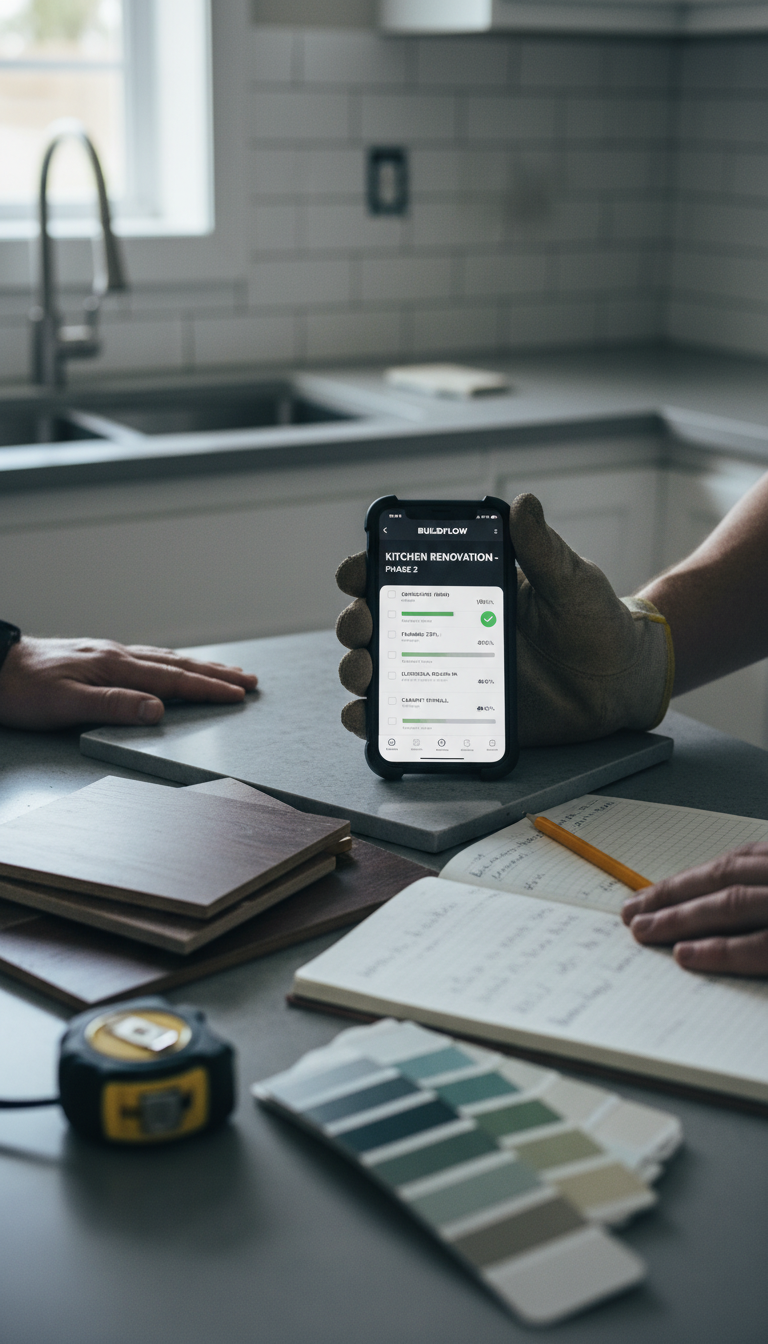
After stabilizing the foundation and securing the mechanicals, the focus shifts to the two rooms that define your After Repair Value (ARV). In the DFW market, buyers are increasingly design-conscious, meaning your fix and flip renovation costs in Fort Worth must prioritize finishes that look custom but install efficiently.
For a standard 10x10 kitchen, pre-assembled Shaker-style cabinets have become the investor baseline. Expect to budget between $5,500 and $8,500 for cabinetry and professional installation. When choosing countertops, the DFW market is currently split. Granite remains a cost-effective choice for rental turns or entry-level flips, typically ranging from $45 to $60 per square foot installed. However, to hit top-tier ARV in neighborhoods like Southlake or Keller, quartz is mandatory, usually starting at $65 to $95 per square foot. Pairing these with a classic subway tile backsplash is the most reliable way to maintain margins; professional labor for a standard backsplash typically runs $800 to $1,200, excluding materials.
Bathrooms require a clear distinction between a cosmetic refresh and a full structural overhaul. A cosmetic update, including cabinet paint, new hardware, and a framed mirror, can often be achieved for $3,500 to $5,000. However, most older Fort Worth homes require a full gut to meet modern buyer expectations.
Project Scope | Components Included | Estimated Cost (2024/2025) |
|---|---|---|
Cosmetic Refresh | Paint, hardware, light fixtures, framed mirror | $3,500 – $5,000 |
Full Gut Remodel | Tub-to-shower conversion, new tile, vanity, fixtures | $12,000 – $18,000 |
A tub-to-shower conversion is one of the highest ROI moves in a master suite, but it necessitates new plumbing rough-ins and specialized waterproof tiling. While national data often cites $13,000 as a ceiling for bathroom flips, the current reality for a DFW fix and flip contractor involves higher labor costs for skilled tile setters and licensed plumbers. Accurate professional project management ensures these trades are scheduled tightly to avoid the delays that erode your fix and flip rehab budget Fort Worth.
Flooring and Interior Finish Carpentry: The Modern Interior Transformation
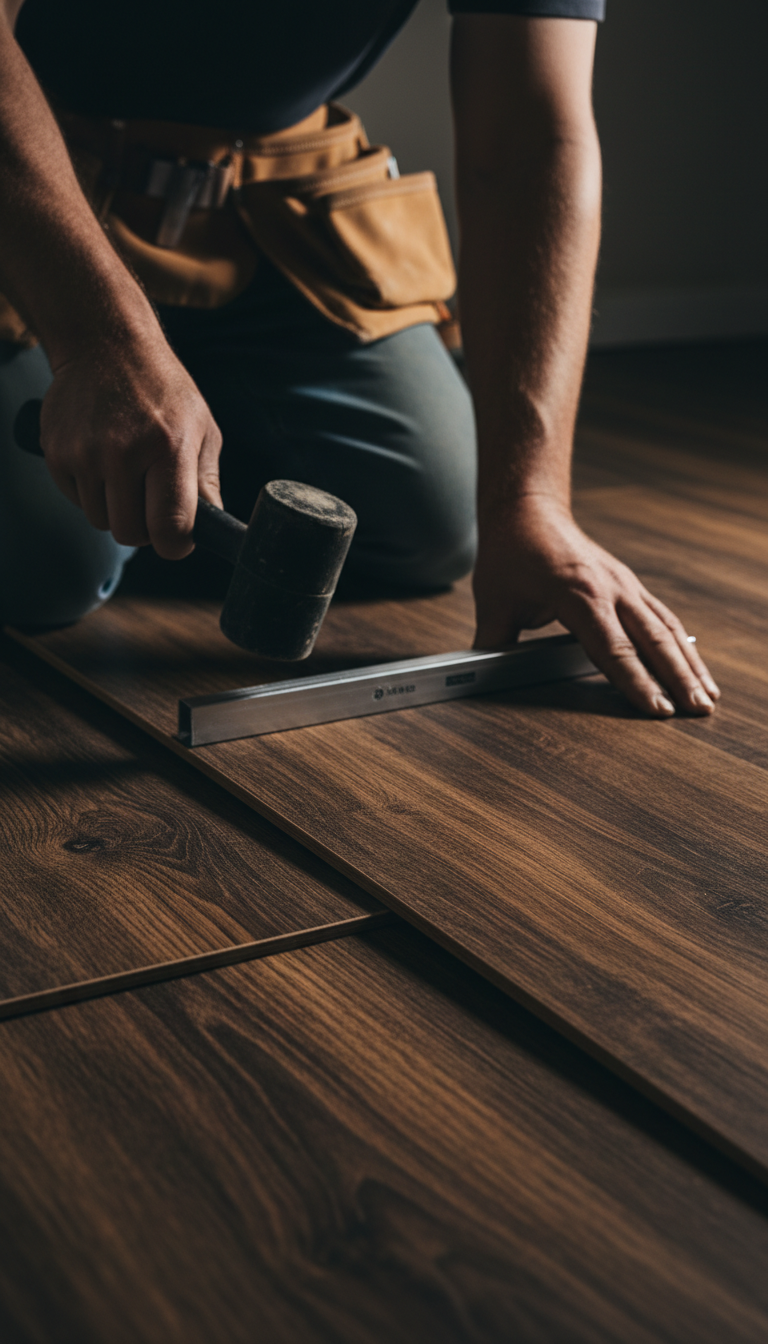
While kitchens and bathrooms sell the home, the flooring and paint provide the cohesive backdrop that allows a buyer to visualize themselves in the space. In Tarrant County, Luxury Vinyl Plank (LVP) has overtaken both carpet and engineered hardwood as the preferred choice for a fix and flip rehab budget Fort Worth. LVP is particularly well suited for our regional slab-on-grade foundations because it is a floating floor system that can accommodate the slight seasonal movements of North Texas soil. It is waterproof, pet-friendly, and offers the aesthetic of wood without the high maintenance or moisture sensitivity of traditional materials.
For a standard project, investors should budget between $4.50 and $7.00 per square foot for material and professional installation. Choosing a wear layer of at least 12-mil, though 20-mil is preferred for high-end flips in Southlake, ensures longevity and a premium feel underfoot.
Finish Item | Estimated Cost | Application |
|---|---|---|
LVP Flooring (Material + Labor) | $4.50 – $7.00 / sq. ft. | All common areas and bedrooms |
Interior Paint (Walls, Trim, Ceilings) | $3.00 – $4.50 / sq. ft. | Full interior coverage |
5.25-inch Baseboard Upgrade | $2.50 – $3.50 / linear ft. | Throughout the home |
Interior painting costs have risen alongside labor demand, but this remains the most impactful cosmetic update. The era of "contractor grey" is fading; modern buyers in Keller and Aledo now favor warmer neutrals like creamy whites or soft greiges that feel more organic. A full interior paint job typically ranges from $3.00 to $4.50 per square foot of floor area.
Investors often overlook the finish carpentry, but replacing thin, outdated baseboards with 5.25-inch speed base and swapping old brass doorknobs for matte black hardware can significantly elevate the final appraisal. These details signal to a buyer that the fix and flip renovation costs in Fort Worth were managed with an eye for quality. A DFW fix and flip contractor who prioritizes these finishing touches helps bridge the gap between a simple rehab and a modern transformation. Consistent professional project management ensures these final details are not rushed during the last week of the project when margins are most vulnerable.
Electrical and Plumbing: Hidden Budget Killers in Older Fort Worth Homes
If the finishes provide the aesthetic value, the mechanical systems provide the functional integrity that passes a rigorous inspection. In older neighborhoods like Fairmount or the Near Southside, the electrical system is often the most significant risk to a fix and flip rehab budget Fort Worth. Investors frequently encounter outdated 100 amp panels or hazardous Federal Pacific and Zinsco equipment that must be replaced to secure insurance and buyer financing. Upgrading to a modern 200 amp service typically costs between $2,800 and $4,500. Additionally, bringing a home to code requires GFCI protection in all wet areas, which can add $1,200 to $2,000 for device updates and circuit grounding.
Plumbing issues in North Texas often go deeper than a leaky faucet. Many pre-1970s homes still utilize cast iron sewer lines that are reaching the end of their lifespan. If a camera inspection reveals scaled or collapsed lines, replacing them under the slab can cost between $12,000 and $25,000 depending on the length of the run. Furthermore, achieving an open concept kitchen often requires rerouting gas lines and drain stacks, which adds $2,500 to $5,000 in labor and permits. A DFW fix and flip contractor understands that these hidden systems require professional project management to ensure that invisible repairs do not consume the profit margin intended for the visible fix and flip renovation costs in Fort Worth.
Soft Costs and Logistics: Permitting and Debris Removal in Tarrant County
Beyond the physical build, administrative overhead and logistics represent a significant portion of any fix and flip rehab budget Fort Worth. Navigating the City of Fort Worth Development Services Department requires a different cadence than working with building departments in Burleson or Aledo. While Fort Worth utilizes a comprehensive online portal, smaller municipalities often prioritize local relationships and specific code nuances that can stall a project if not managed correctly. Permit fees for a typical full home remodel generally range from $600 to $1,800; however, the real cost lies in the holding time while waiting for plan approval.
Debris management is another often underestimated expense. A standard 30 yard roll off dumpster in Tarrant County typically costs between $450 and $600 per haul. For a full gut renovation, budget for at least three to five hauls to keep the site safe and the neighbors happy.
Logistical Item | Estimated Cost (DFW Average) | Frequency / Duration |
|---|---|---|
Building Permits | $600 – $1,800 | Per Project |
30-Yard Dumpster | $450 – $600 | Per Haul (3-5 per flip) |
Portable Toilet Rental | $150 – $225 | Per Month |
Bridge & Build Renovations integrates these logistics into our professional project management workflow. We coordinate permit filings and dumpster swaps proactively to prevent the timeline drift that occurs when a site sits idle due to a full dumpster or a missing inspection. Trusting a DFW fix and flip contractor who knows the regional fix and flip renovation costs in Fort Worth ensures these logistical details protect your bottom line instead of eroding it.
Successfully managing a fix and flip project in the DFW area depends on accurately forecasting your trade-by-trade expenses. By understanding local market rates and labor requirements, you can protect your margins and ensure a profitable project. If you want expert help streamlining your next renovation, our team at Bridge & Build Renovations is ready to support your vision. You can learn more about specific local pricing by reviewing our comprehensive guide on Fix and Flip Costs to help plan your next investment.