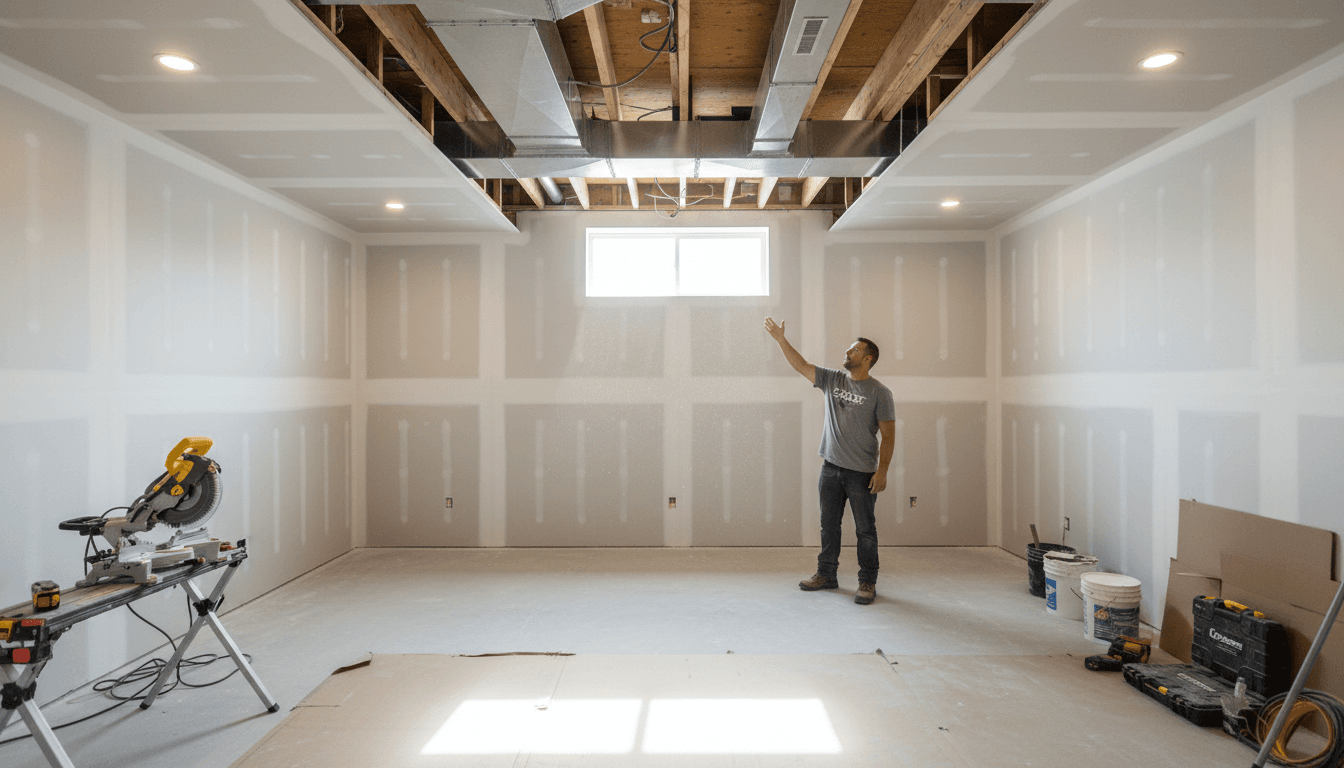

A professional make ready turn sequence Fort Worth property managers follow includes a structured workflow of inspections, maintenance repairs, and deep cleaning to minimize vacancy periods. This standardized process ensures that units move from move-out to rent-ready status quickly; it allows landlords to maximize their rental income through efficient scheduling and quality control.
Every day a rental property sits vacant in the competitive Fort Worth market, your investment loses value while property taxes and utility costs continue to mount. The pressure to transition a unit from move-out to move-in is immense, yet many owners struggle with disjointed workflows that extend vacancy times by weeks. Navigating the complexities of North Texas real estate requires a disciplined, professional approach to the turnover process. In this guide, we break down the definitive make ready turn sequence designed to optimize every hour on site. You will learn how to execute a comprehensive initial inspection, manage trade coordination for mechanical and cosmetic repairs, and finalize the punch list with precision. By implementing this structured methodology, you can ensure your Fort Worth portfolio remains profitable, polished, and ready for the next high quality tenant.
The Economics of the Rental Turn in North Texas
Every day a rental property in Fort Worth or Dallas sits vacant, the owner is hemorrhaging cash. Unlike generic national advice that focuses solely on the cost of repairs, North Texas investors must account for some of the highest property tax and insurance rates in the country. These fixed costs do not pause when a tenant moves out; they continue to erode your annual ROI regardless of occupancy.
At Bridge & Build Renovations, we view the make ready turn sequence Fort Worth property managers and owners rely on as a logistics challenge rather than just a punch list. Consider a single-family home in Keller or Aledo with a monthly rent of $2,400. The lost gross rent alone is $80 per day. When you add the high carrying costs unique to the DFW market, the daily financial impact is significant.
Expense Category | Daily Cost (Est. $2,400 Rent) | 14-Day Turn Total | 7-Day Turn Total |
|---|---|---|---|
Lost Gross Rent | $80.00 | $1,120.00 | $560.00 |
Property Taxes & Insurance | $25.00 | $350.00 | $175.00 |
Utilities & Basic Upkeep | $10.00 | $140.00 | $70.00 |
Total Economic Impact | $115.00 | $1,610.00 | $805.00 |
Reducing a turn from 14 days to 7 days saves an owner over $800 per unit. This is why choosing a reliable contractor for recurring investment property projects is a critical financial decision, not just a maintenance one. We treat every vacancy day as a lost profit day. Our team prioritizes trade sequencing and efficient execution to get your rental renovation in Fort Worth back on the market as quickly as possible without sacrificing the quality that modern tenants demand.
The Critical 24 Hour Inspection: Catching DFW Slab and HVAC Issues Early
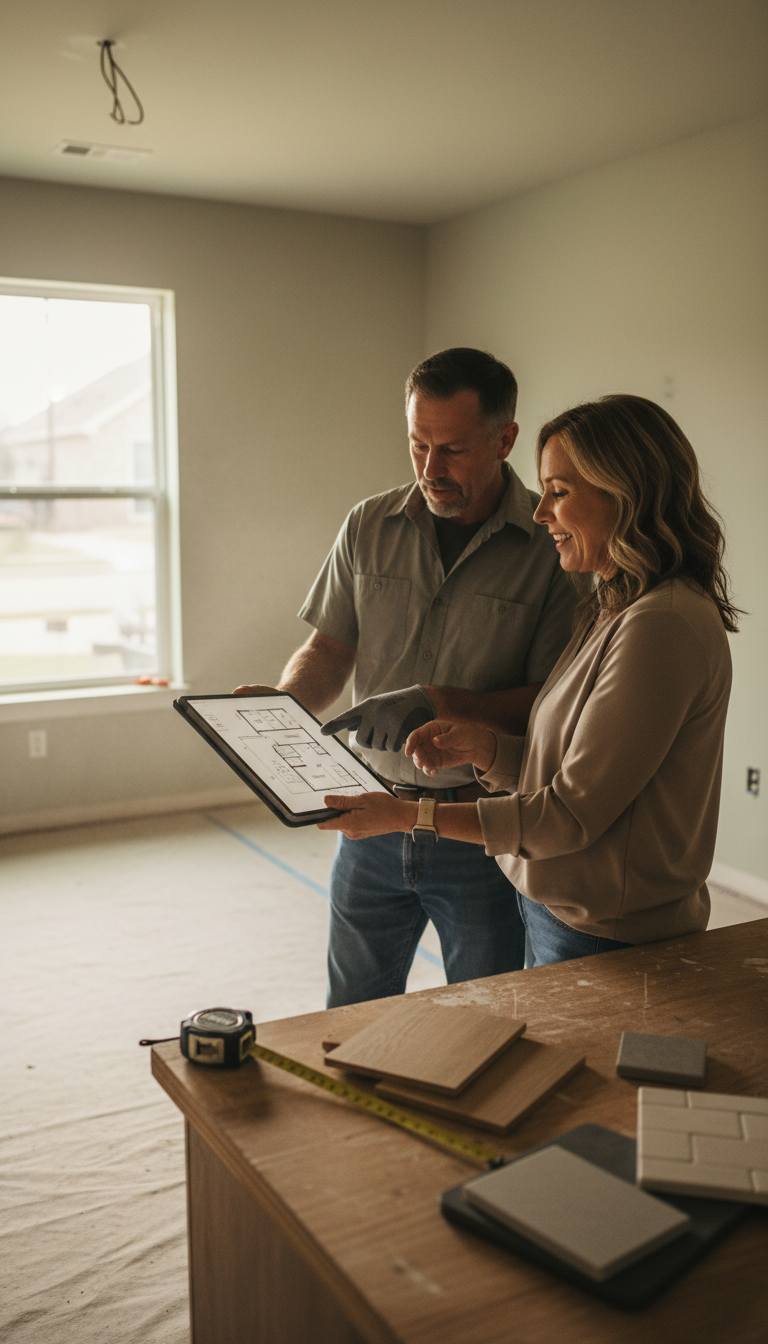
The moment the keys are handed over, the clock starts. While national property management guides often focus on checking light bulbs and smoke detector batteries, a professional make ready turn sequence Fort Worth property owners rely on must prioritize the "heavy" items that actually cause project delays. In North Texas, this means looking specifically at the slab, the HVAC system, and foundation-related movement within the first 24 hours.
Slab-on-grade plumbing leaks are the silent killers of an investor's timeline. We look for warm spots on the floor, localized foundation heaving, or damp baseboards in the kitchen and bathrooms immediately. Identifying a slab leak on day one allows us to coordinate specialized plumbing repairs before any cosmetic work begins. Similarly, the HVAC system cannot simply be "on"; it must be stress-tested for the Texas heat. A failing capacitor or a clogged condensate line discovered on day eight of a ten-day turn will ruin your move-in schedule and potentially damage new flooring.
Foundation movement, driven by the region's expansive clay soils, is another critical check. We inspect every door swing and look for fresh diagonal cracks above door frames. If a door doesn't latch or a frame is out of square, it indicates movement that must be addressed before the drywall and paint crews arrive. Ignoring these early often results in cracked tape joints and sticking doors just weeks after a new tenant moves in.
Finally, we hunt for hidden tenant damage that standard walkthroughs often miss. This includes:
Inspecting cabinet floor rot under every sink and behind toilets.
Checking for "creative" tenant electrical repairs or bypassed breakers.
Testing the dishwasher and washing machine valves for slow leaks that rot subfloors.
Identifying scent-masking attempts that might hide pet urine saturation in the subfloor.
By front-loading these high-impact inspections, we ensure that the rental renovation in Fort Worth stays on track. Catching a foundation issue or an HVAC replacement on day one is a managed challenge; catching it on day ten is a financial disaster. This 24-hour window is your best opportunity to secure a reliable contractor for recurring investment property projects who understands that North Texas homes have specific mechanical vulnerabilities.
Phase One: The Trash Out and Mechanical Rough In
Clearing the debris is the non-negotiable first step of a proper make ready turn sequence Fort Worth landlords require. We start by removing abandoned furniture, left-behind trash, and old window treatments immediately. A cluttered site hides problems and slows down crews. Once the unit is empty, our team has a clear view of the subfloor, the interior of the cabinets, and the true condition of the walls. This visibility is essential for confirming the scope of work identified during the initial inspection.
With the debris gone, we move immediately into the mechanical rough-in phase. This is where we handle the heavy lifting of HVAC, plumbing, and electrical updates. If a property in Keller or Aledo needs a new water heater or a slab leak repair, it happens now. We never wait until after the cosmetic work is done. Bringing in a plumber to jackhammer a slab after new Luxury Vinyl Plank is installed is a catastrophic scheduling failure. By sequencing mechanical repairs first, we ensure that trades are not hauling heavy equipment or tracking mud over finished surfaces later in the project.
This phase also allows for investor level efficiency. While the house is empty and the power is on, our team tests every single outlet, light switch, and faucet. We look for loose toilets, leaking p-traps, and faulty GFCI breakers. It is significantly faster and cheaper to replace a dozen outlets while the furniture is gone and the painters haven't arrived than it is to send a technician back for a punch list item later. This proactive approach is what differentiates a high-quality rental renovation in Fort Worth from a rushed, amateur turn. Partnering with a reliable contractor for recurring investment property projects ensures these mechanical bones are solid before the first drop of paint hits the wall.
Phase Two: Drywall Repair and the All Important Paint Sequence

With the mechanical systems secured and the debris cleared, the make ready turn sequence Fort Worth investors follow shifts focus to the interior surfaces. This phase begins with meticulous drywall repair. In the Dallas-Fort Worth metroplex, most homes feature orange peel or knockdown wall textures. A common mistake in low-quality turns is a patch-and-dash approach where smooth patches remain visible through the finish. Our team prioritizes seamless texture matching. This step is essential to achieving a modern interior transformation rather than a visible repair job.
The debate between painting or flooring first is settled by professional logistics. Bridge & Build Renovations always sequences paint before flooring. Even the most careful crews can experience drips, spills, or overspray. It is significantly more efficient to protect an old carpet or a bare concrete slab than it is to mask off and risk damaging brand-new Luxury Vinyl Plank or high-traffic carpet.
For the application itself, spray and back roll is our standard for DFW turns. Spraying provides the speed necessary to minimize vacancy days, while back rolling ensures the paint is pushed into the crevices of the Texas wall texture for better adhesion and a uniform finish. This method results in a durable, washable surface that handles tenant wear better than a spray-only application. By adhering to this rigid order of operations, we remain a reliable contractor for recurring investment property projects that maximizes both speed and aesthetic quality for every rental renovation in Fort Worth.
Phase Three: Flooring Installation and Finish Carpentry
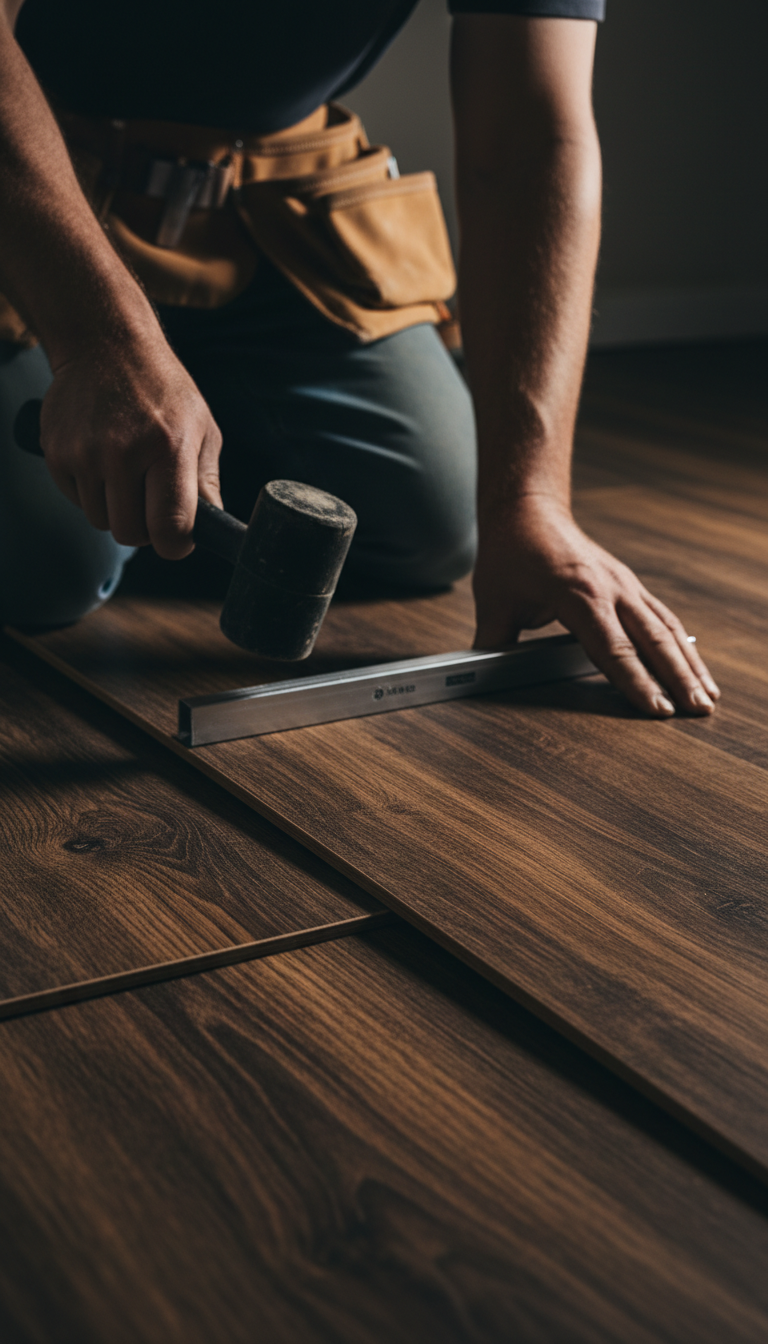
Once the paint has cured and the walls are finished, the make ready turn sequence Fort Worth investors trust moves to the floor. For the North Texas market, we almost exclusively recommend Luxury Vinyl Plank (LVP). Unlike laminate, which can swell with slab moisture or humidity, LVP is exceptionally compatible with our regional slab on grade construction. It offers the durability needed for high turnover rental environments while providing a high end look that justifies higher rents.
We follow a specific order: install the flooring across the subfloor, then install the baseboards. This ensures a clean, professional edge without the need for unsightly quarter round molding, which often looks like a shortcut. Transition strips are placed at doorways to provide a seamless flow between rooms. This stage is where the durable materials and clean design we prioritize truly become visible.
Finish carpentry serves as the final touch in a rental renovation in Fort Worth. We swap out dated, mismatched cabinet pulls for modern, uniform hardware. We replace aging, yellowed light fixtures with LED units that brighten the space and lower maintenance for the landlord. All door hardware, from hinges to knobs, should be updated to a consistent finish, usually matte black or brushed nickel. These small, relatively low cost updates significantly impact a property's perceived value. Choosing a reliable contractor for recurring investment property projects ensures these finish details are not just functional, but cohesive and built for modern living. This phase bridges the gap between a basic repair job and a high quality interior transformation.
Phase Four: The Make Ready Punch List and Final Clean
The final phase of a make ready turn sequence Fort Worth landlords trust hinges on the distinction between a house that is renovated and a house that is rentable. Many contractors stop at a construction clean, which simply means the sawdust is swept and the debris is hauled off. At Bridge & Build Renovations, we advocate for a maid service clean as the standard. This level of detail ensures the property is show ready the moment we hand back the keys, removing the need for an additional cleaning crew before the first showing.
A high quality rental renovation in Fort Worth often fails the property manager’s final inspection due to neglected blind spots. These small oversight items signal to a prospective tenant that the renovation was rushed or incomplete. Our final punch list focuses on these specific areas:
Window Tracks: Removing dirt and insects that accumulate during the renovation.
Inside the Oven and Microwave: Ensuring appliances are spotless, even if they were used minimally during the turn.
Tops of Ceiling Fan Blades: Clearing dust that settled during drywall sanding and flooring installation.
Light Switch Plates and Door Handles: Wiping away smudges and fingerprints from trade traffic.
Cabinet Interiors: Vacuuming out the corners of kitchen and bathroom drawers.
During this final push, we maintain clear communication with owners and managers. We provide daily updates on the punch list status so the unit can be listed on schedule without guesswork. Partnering with a reliable contractor for recurring investment property projects means the transition from under construction to active listing happens seamlessly. The turn is not complete when the last nail is driven; it is complete when the property is pristine and ready for a professional photographer.
Mastering the turn sequence is essential for any DFW property owner looking to minimize vacancy and maximize rental income. By streamlining your workflow and prioritizing high-impact repairs, you can get tenants in the door faster. While managing this process on your own is possible, having an experienced partner can save you significant time and stress. If you want expert help with your next renovation, you can learn more about our team and how we approach property turns. We are here to help your investment thrive.