The rental property renovation cost Fort Worth typically ranges from $7,500 for minor cosmetic refreshes to upwards of $25,000 for major value add projects. Investors should prioritize high ROI upgrades like bathroom remodels and kitchen updates to minimize vacancy, while budgeting approximately 1% of the property's value for ongoing maintenance.
Real estate investors in the Fort Worth market frequently struggle with the volatility of renovation estimates and the fear that unexpected costs will compromise their capitalization rates. Navigating the balance between tenant-appealing aesthetics and long-term durability is a complex challenge, especially when every day of vacancy represents lost revenue. Achieving a successful value add requires more than just a fresh coat of paint; it demands a strategic understanding of local labor rates and material longevity. In this guide, we provide a sophisticated analysis of current rental property renovation costs in Fort Worth. You will learn how to categorize project scopes, identify the specific upgrades that drive the highest rental increases, and select finishes that withstand the rigors of multi-year tenancies. We will also address critical DFW compliance standards to ensure your portfolio remains both profitable and protected.
Understanding the Fort Worth Rental Market Renovation Landscape
The Dallas-Fort Worth rental market has evolved rapidly over the last five years. The days when a landlord could simply slap on a fresh coat of beige paint and expect top-tier tenants are over. In high-demand areas like Keller, Southlake, or the trendy Near Southside, renters now prioritize modern aesthetics and functional durability. A standard renovation no longer commands premium rates or secures long-term occupancy in a market where tenants have high expectations for finishes and fixtures.
When researching the rental property renovation cost Fort Worth investors must navigate, generic national blogs often provide misleading figures. Local benchmarks for labor and materials in Tarrant County are unique; shipping delays or local demand for trades can fluctuate costs significantly compared to national averages. Understanding these specific local nuances is essential for calculating accurate returns on investor rehab services. Successful property management relies on the concept of forced appreciation, where targeted upgrades increase the asset's appraised value and its monthly rental ceiling simultaneously.
Bridge & Build Renovations bridges the gap between the high-end craftsmanship found in bathroom remodeling in Fort Worth and the rapid-fire speed required for rental turns. We provide the structured timelines and daily communication that turn a renovation from a looming liability into a high-performing investment asset. By focusing on efficiency without cutting corners, we help landlords move from the renovation phase to the leasing phase with minimal friction.
Average Rental Property Renovation Cost Fort Worth: Scope and Tiers

To navigate the DFW market effectively, investors need a realistic baseline for current local pricing. In the metroplex, the average rental property renovation cost Fort Worth landlords encounter generally falls into three distinct tiers based on the condition of the asset and the target demographic. While a custom bathroom remodeling in Fort Worth focuses on luxury, rental scopes are defined by utility and market-standard aesthetics.
Renovation Tier | Typical Cost Range | Primary Scope of Work |
|---|---|---|
Cosmetic Refresh | $5,000 – $12,000 | Professional painting, hardware updates, and minor repairs. |
Mid-Level Turn | $15,000 – $30,000 | New flooring (LVP), quartz counters, cabinet refinishing, and lighting upgrades. |
Full Value-Add Rehab | $35,000+ | Full kitchen and bath gut, electrical/plumbing updates, and floor plan modifications. |
For a standard three bedroom, two bathroom home, these projects typically calculate to between $15 and $40 per square foot. It is important to distinguish these figures from fix and flip renovation costs, which often trend higher. While a flip requires "wow factor" finishes to attract a buyer, a rental renovation prioritizes durability and ease of maintenance to protect the long term bottom line.
Smart investors utilize the 30% rule when evaluating investor rehab services. This guideline suggests that the total renovation budget should not exceed 30% of the property’s After Repair Value (ARV). For example, if a home in a neighborhood like Burleson or Benbrook has an ARV of $300,000, a cap of $90,000 for all repairs ensures you do not overcapitalize the asset. Staying within these bands allows for forced appreciation without pricing the unit out of the local rental market's ceiling. By aligning the scope with the neighborhood’s expected rent, you ensure the renovation serves the investment rather than draining it.
The High ROI Upgrades: Which Renovations Actually Increase Rent?
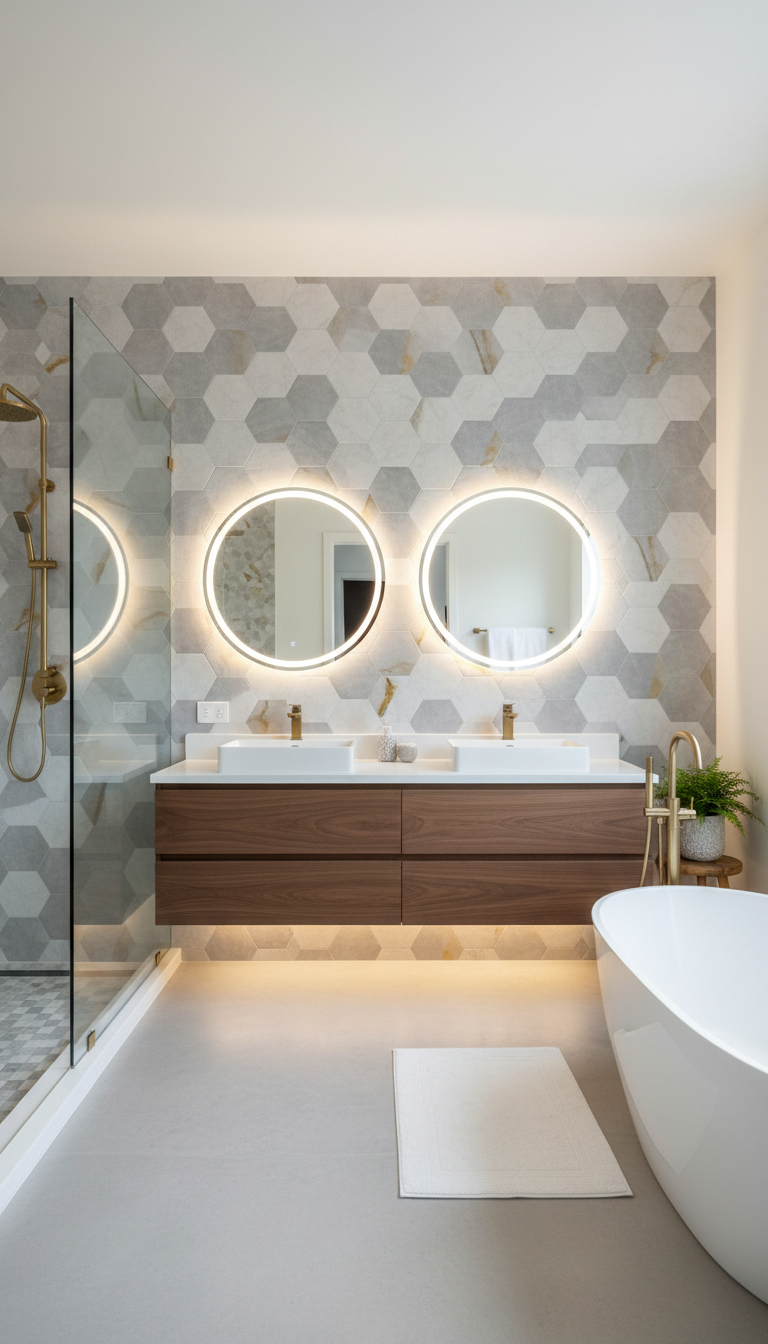
Maximizing the return on your rental property renovation cost Fort Worth requires prioritizing the areas tenants value most. In Tarrant County, the highest ROI consistently comes from the "Big Three": flooring, kitchens, and bathrooms. These are the primary rooms potential renters scrutinize during a walkthrough, and they are the features that justify higher monthly rates in competitive markets like Aledo, Keller, and North Richland Hills.
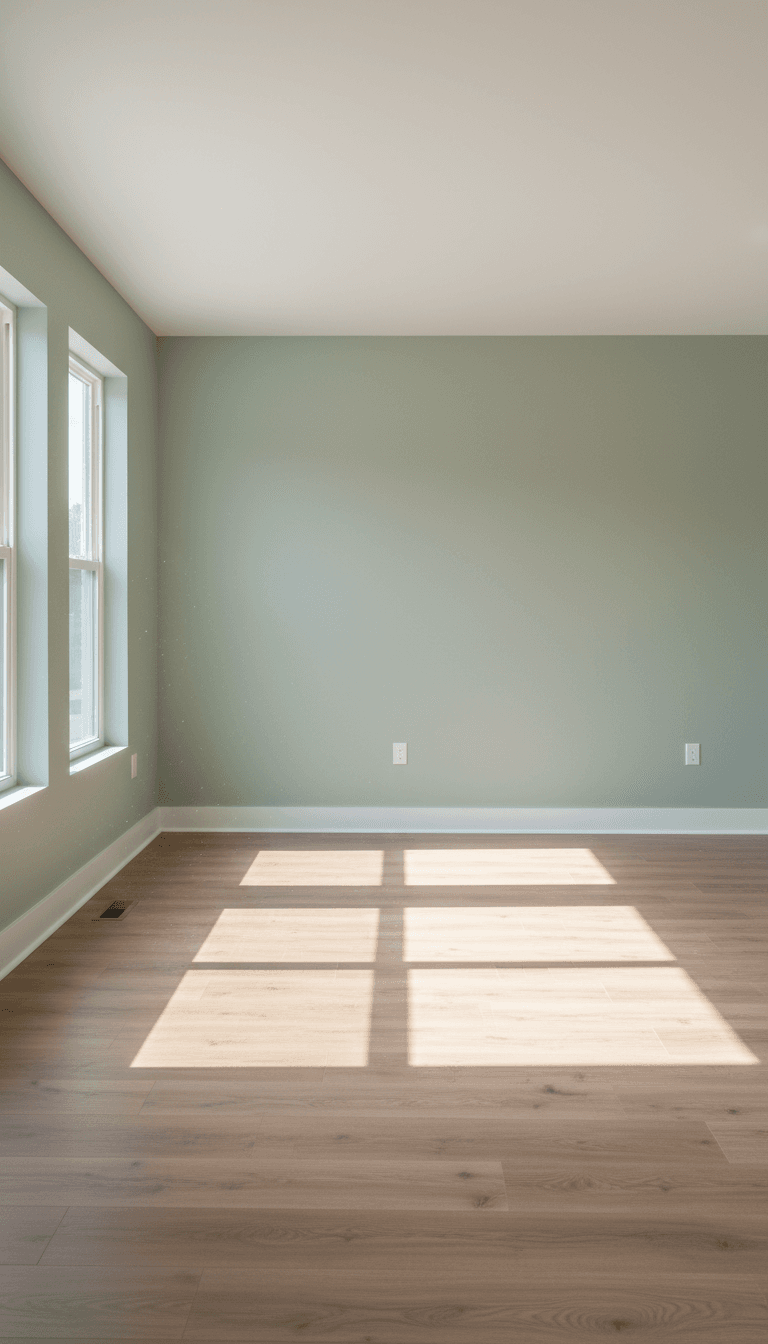
Flooring is the most impactful change you can make. Replacing outdated, stained carpet with Luxury Vinyl Plank (LVP) is the gold standard for modern DFW rentals. LVP provides a high end aesthetic similar to hardwood but offers the waterproof durability necessary for frequent tenant turnover. It withstands heavy foot traffic, pet claws, and spills that would ruin laminate or carpet, effectively lowering your long term maintenance costs. By standardizing one flooring type throughout the main living areas, you also simplify future repairs and replacements.
In the kitchen, the goal is to achieve a clean, modern look without the price tag of a custom build. Cabinet refinishing is a powerful tool for investor rehab services when the existing cabinet boxes are structurally sound. Pairing professionally painted cabinets with quartz countertops creates a premium feel that attracts high quality tenants. While granite was the previous standard, quartz is non porous and resistant to staining; this makes it the smarter choice for a rental where you cannot control how carefully a tenant maintains the surfaces.
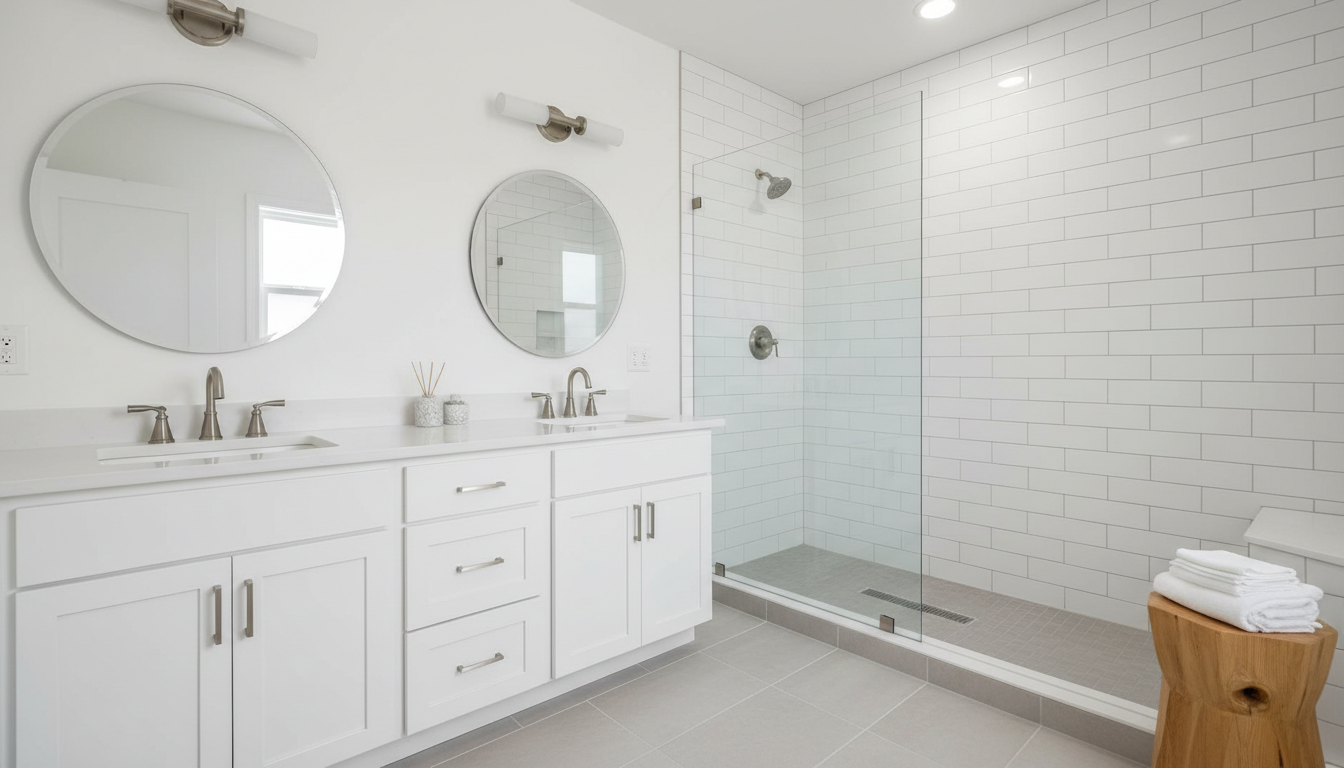
Bathrooms follow a similar logic. A targeted bathroom remodeling in Fort Worth focusing on fresh tile surrounds, modern vanities, and updated plumbing fixtures can transform a dated unit into a desirable home. Local market data indicates that a targeted $10,000 investment in these specific areas often translates to a monthly rent increase of $200 to $400. This increase not only pays for the renovation within a few years but also significantly boosts the property’s appraisal value, aiding in future refinances or fix and flip renovation costs calculations.
The Unit Turn: Maximizing Speed Without Sacrificing Quality
The true expense of a renovation is not just the invoice from the contractor; it is the cost of vacancy. Every day a property sits empty in Arlington or Fort Worth, the owner loses roughly $50 to $100 in potential revenue. A renovation that drags on for six weeks instead of two can easily wipe out the first three months of profit. Bridge & Build Renovations minimizes this gap by utilizing structured timelines and daily communication to ensure projects move forward without the typical delays often associated with investor rehab services.
Reliability serves as a tangible financial asset. When a contractor follows a set schedule, they directly reduce the days on market for that listing. We focus on a streamlined turn checklist that prioritizes speed and marketability:
Feature | Action Item | Investor Rationale |
|---|---|---|
Interior Paint | Standardize with Agreeable Gray or Pure White | Simplifies future touch-ups and creates a neutral, bright canvas. |
Electrical | GFCI updates and smoke detector checks | Ensures code compliance and reduces liability. |
Lighting | LED flush mounts or black modern fixtures | Instantly modernizes a room for minimal material cost. |
Plumbing | Faucet and valve replacements | A simplified bathroom remodeling in Fort Worth prevents future emergency calls. |
Standardizing materials is the key to managing the rental property renovation cost Fort Worth landlords must track. While fix and flip renovation costs might allow for longer lead times on custom items, a rental turn relies on stock materials that are readily available at local DFW suppliers. This approach keeps the budget predictable while ensuring the unit is rent-ready faster than the competition.
Durable Materials: Choosing Finishes That Survive Tenants
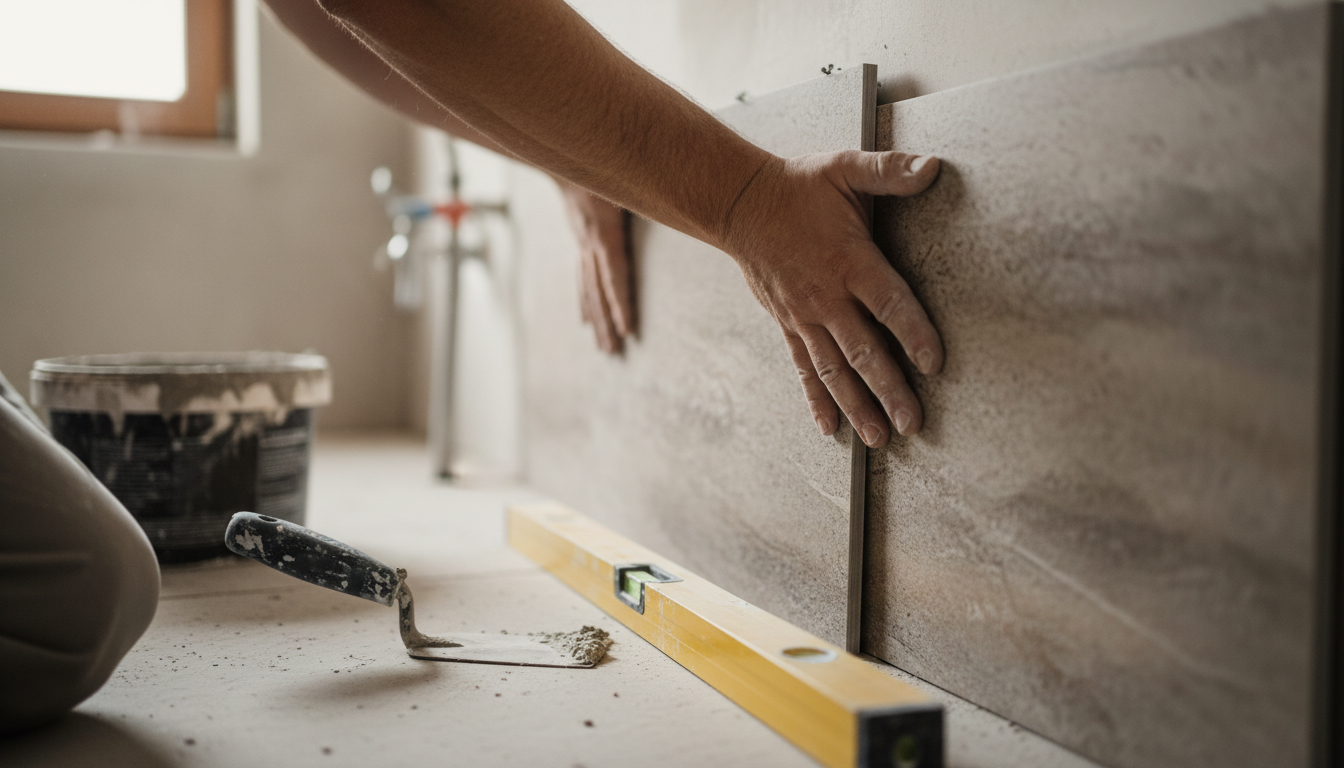
Homeowner-focused craftsmanship often prioritizes personal aesthetics and trendy textures, but investor-focused renovations must prioritize lifecycle and impact resistance. When calculating the rental property renovation cost Fort Worth owners face, the initial sticker price of materials is only half the story. Durable finishes act as an insurance policy against high rental turnover costs and recurring maintenance calls. Selecting materials based on their ability to survive tenant neglect is the hallmark of a professional renovation.
Material Category | Recommended Choice | Why It Wins for Investors |
|---|---|---|
Countertops | Quartz | Non-porous and stain-resistant; unlike granite, it never needs resealing. |
Flooring | Luxury Vinyl Plank (LVP) | 100% waterproof and scratch-resistant; far superior to water-sensitive laminate. |
Wall Paint | Semi-Gloss or Satin | Easy to wipe clean; flat paint absorbs dirt and requires a full repaint every turn. |
Plumbing Fixtures | PEX and Modern Valves | Reduces the risk of pinhole leaks and simplifies future emergency repairs. |
We recommend quartz for both kitchens and bathroom remodeling in Fort Worth because of its resilience. Unlike granite, which is porous and requires periodic sealing that a tenant is unlikely to perform, quartz resists deep stains from spilled liquids. For flooring, LVP is the industry standard for investor rehab services. While laminate may save a few cents per square foot, it fails the moment a refrigerator leaks or a pet has an accident. LVP ensures the floor survives multiple tenant cycles rather than just one.
Standardizing wall finishes with semi-gloss paint in high traffic areas is a small detail with a large payoff. Flat paint is a liability in a rental because it cannot be scrubbed, forcing a full repaint during every turn. Spending roughly 10% more on these durable materials during the initial phase typically reduces maintenance expenses by 30% over a five year hold. This strategic spending ensures that fix and flip renovation costs or long term rental updates translate into actual bottom line profit.
Texas Landlord Requirements and Compliance
Beyond strategic spending for profit, certain renovation line items are dictated by legal necessity. Navigating the rental property renovation cost Fort Worth landlords must budget for requires distinguishing between elective upgrades and mandatory requirements under the Texas Property Code. Chapter 92 of the code outlines specific habitability standards that define a landlord’s obligation to provide a safe and functional environment. This includes ensuring all plumbing, heating, and structural elements are maintained in a condition that does not affect the physical health or safety of an ordinary tenant.
Security remains the most strictly regulated area of Texas landlord compliance. Every rental unit must meet specific hardware standards to uphold renter’s rights and minimize owner liability. During any turn or renovation, you must verify the presence of:
Keyless deadbolts on all exterior doors.
Door viewers (peepholes) installed on all exterior doors, including the door leading to the garage.
Functioning smoke detectors in every bedroom and in the hallway serving multiple bedrooms.
Pinned locks or security bars for sliding glass doors.
When we provide investor rehab services, we ensure these safety features are integrated into the project scope. Unlike fix and flip renovation costs where a buyer might waive certain repairs, a rental property must be fully compliant before the first day of the lease. Even a targeted bathroom remodeling in Fort Worth must account for current GFCI electrical codes and proper ventilation to meet local habitability standards. Adhering to these requirements prevents costly legal disputes and ensures your asset remains a viable, insurable rental unit.
Common Budget Pitfalls: Avoiding Over-Renovation in DFW
Setting a realistic budget for a rental property renovation cost Fort Worth requires a firm grasp of the neighborhood ceiling. One of the most common mistakes investors make is installing Southlake finishes in a Benbrook rental. High end custom cabinetry or exotic stone may look impressive, but if the local market caps rent at $1,800, you will never recoup the extra $20,000 spent on luxury materials. Over-improving a property creates a diminishing returns scenario where the cost of the renovation exceeds the value it adds to the appraisal or the monthly lease.
Strategic planning should align with the 50% rule of property management, which suggests that roughly half of a property's gross income will go toward operating expenses, including taxes, insurance, and maintenance. When calculating long term ROI, renovation CapEx must be viewed as a tool to lower future maintenance costs. For example, spending on investor rehab services to replace a ten year old HVAC system is often wiser than repairing it. While a repair is cheaper today, a full replacement resets the depreciation clock and prevents emergency service calls that carry a premium during a Texas summer.
Asset Component | Repair Threshold | Replacement Trigger |
|---|---|---|
HVAC System | Under 10 years old; minor electrical or coil issues. | Over 12-15 years old; compressor failure; R-22 refrigerant units. |
Appliances | Cosmetic damage; simple mechanical part swaps. | Over 8 years old; consistent drainage or motor issues. |
Roof | Minor shingle loss; localized flashing leaks. | Widespread granular loss; multiple active leaks; over 20 years old. |
Investors should also be cautious with bathroom remodeling in Fort Worth scopes. While a homeowner might want a soaking tub and double vanities, a rental property often benefits more from a durable, standard sized walk-in shower that reduces the risk of long term water damage. Balancing these choices ensures that your fix and flip renovation costs or rental updates result in a high performing asset rather than a budget sinkhole.
Navigating the costs of rental renovations in Fort Worth involves finding the right balance between durability and aesthetic appeal. When you prioritize high-impact upgrades, you can significantly increase your property value while keeping unit turn times low. If you want expert help managing these complexities, we are here to streamline the process for you. Our team specializes in Investor Rehab projects designed to maximize your return on investment. Let us help you transform your rental property into a profitable asset with a professional touch.