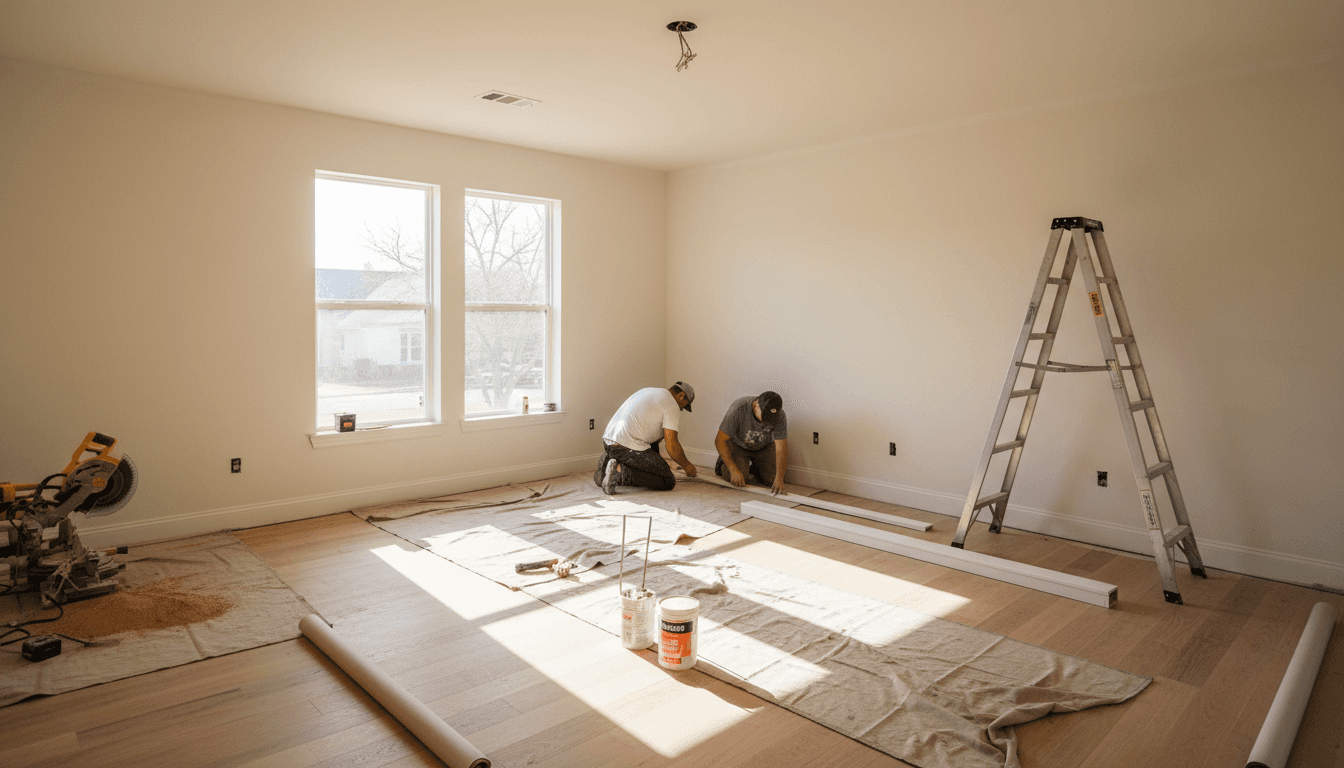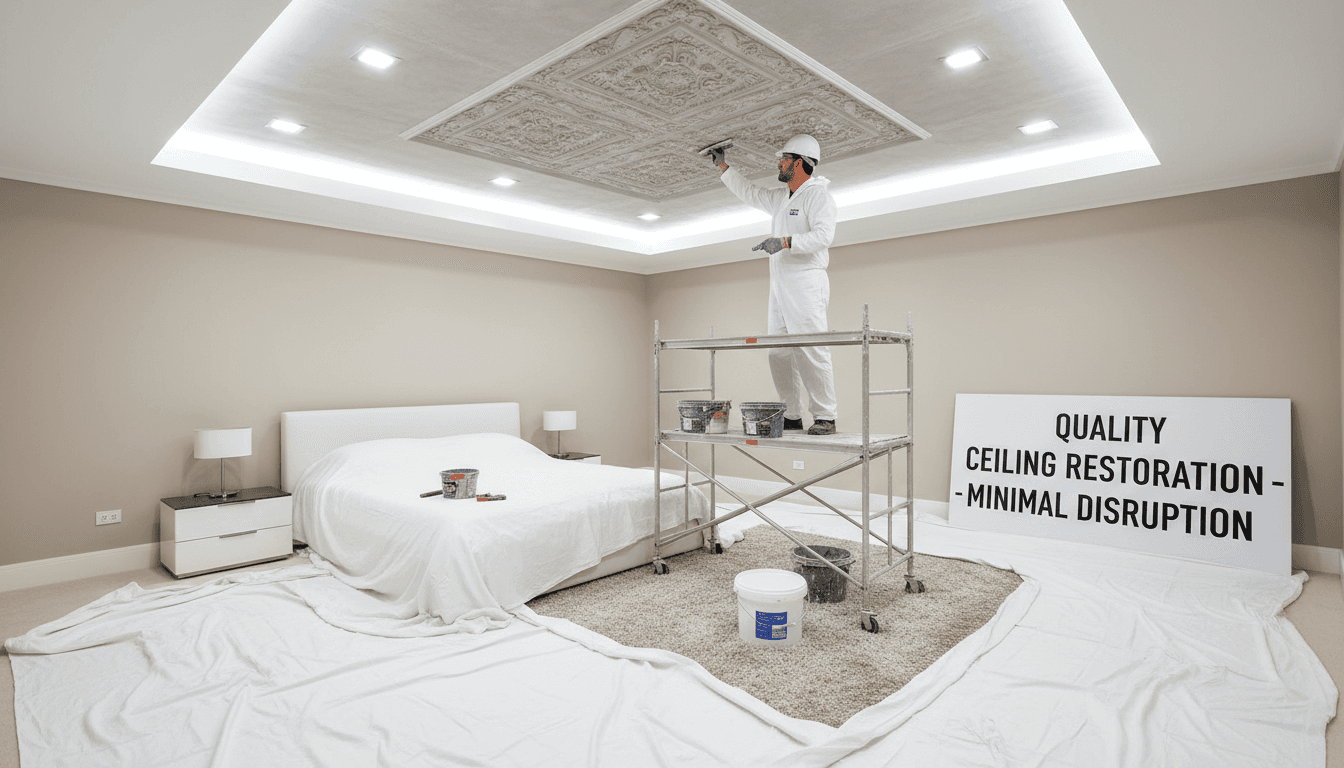
A standard fix and flip timeline Fort Worth typically spans four to six months, covering everything from the initial property acquisition to the final closing. Investors can maximize their ROI by streamlining the renovation phase and reducing holding costs, as projects exceeding this window often face diminished profits due to interest and taxes.
In the competitive Fort Worth real estate market, time is more than just a metric; it is the primary factor eroding your bottom line. Every afternoon a property sits vacant while waiting for a city inspector or a missing subcontractor, your holding costs increase and your potential profit shrinks. Successful investors understand that a flip is a race against the calendar, yet many are caught off guard by the specific permitting hurdles and labor bottlenecks unique to the Tarrant County area. This guide provides a professional breakdown of the critical path for a DFW fix and flip, detailing exactly where construction days are lost. We will explore strategies to streamline your renovation, from navigating local inspections to optimizing finish phases. By mastering this timeline, you can protect your margins and ensure your capital remains mobile for the next opportunity.
The Reality of the DFW Fix and Flip Timeline
Generic real estate blogs often suggest a four to six month window for a standard home renovation. In the North Texas market, following that advice is a recipe for a thin margin or a total loss. A professional investor rehab in Tarrant County should realistically be compressed into an 8 to 12 week window. This distinction separates the hobbyist from the professional. A hobbyist timeline is defined by reactive management; waiting for a plumber to finish before calling the tile installer; or making daily trips to a big box store for missing transition strips.
The stakes for a fix and flip timeline Fort Worth are uniquely high because of the Texas tax landscape. Property taxes in the DFW metroplex are among the highest in the country. When paired with the high interest rates of hard money lending, your daily holding costs can easily exceed two hundred dollars. Every day a property sits vacant or under construction, your profit is being eroded by the tax collector and the lender.
Timeline Type | Duration | Management Style | Profit Impact |
|---|---|---|---|
Hobbyist | 18 - 24 Weeks | Reactive, DIY GC, material runs | Low to negative |
Professional | 8 - 12 Weeks | Proactive, trade-overlapping, site-ready | Maximum ROI |
Achieving professional grade speed requires more than just working harder. It requires a structured fix and flip contractor in DFW who understands that project management is a margin protector. Speed in this context is not about cutting corners; it is about eliminating the "dead days" where no one is on-site because of poor scheduling or missing materials.
Phase 1: Pre Construction and the Fort Worth Permitting Hurdle
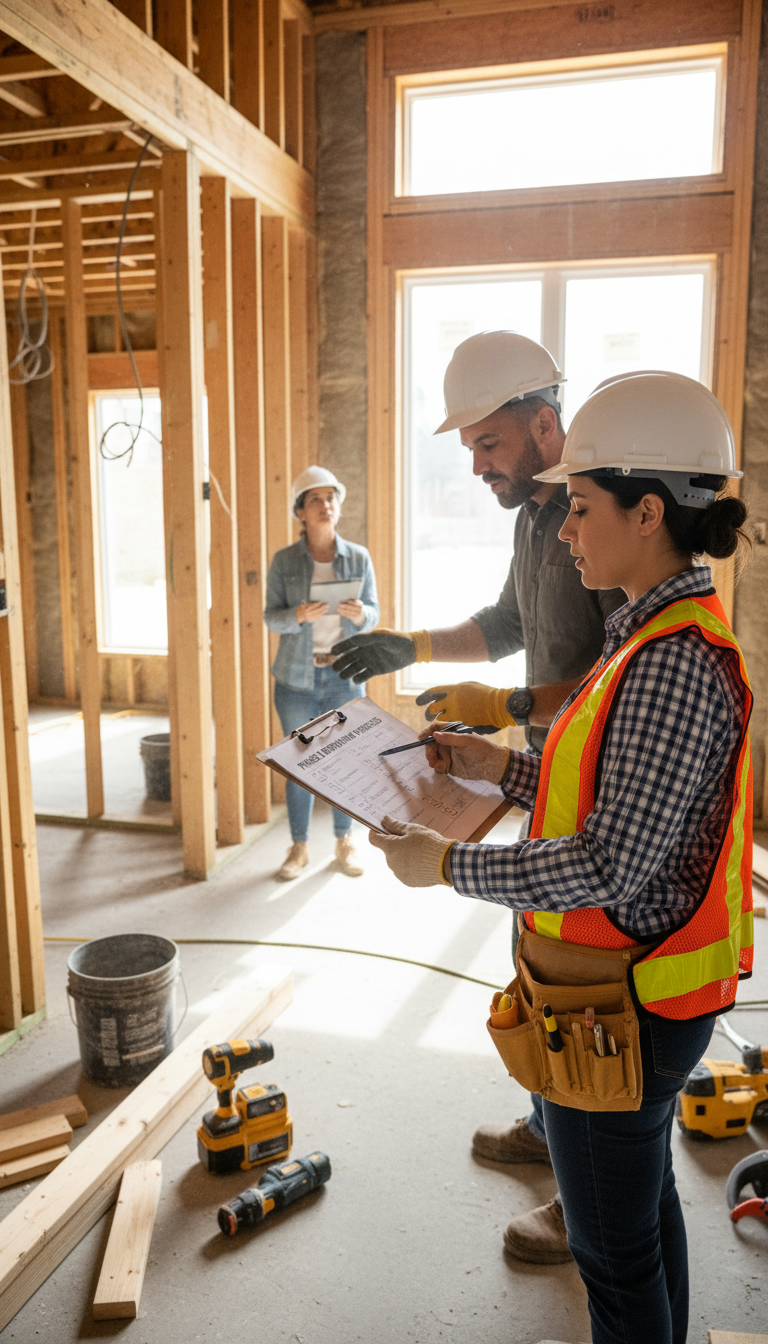
The window between acquisition and the first swing of a sledgehammer defines the trajectory of your project. This one to three week pre-construction phase requires a finalized scope of work prepared before you close. Starting the design or material selection process after the keys are in hand is a failure of planning that immediately inflates your fix and flip timeline Fort Worth.
Navigating the permitting landscape in Tarrant County is a distinct challenge. While smaller municipalities like Keller or Aledo often provide a more streamlined path, the City of Fort Worth requires meticulous documentation for structural changes, electrical upgrades, and major plumbing reroutes. The temptation to bypass the city to save time is a common mistake for novice investors. A stop-work order issued by a city inspector is the fastest way to turn an eight week project into a six month disaster.
Project Type | Permit Typically Required |
|---|---|
Structural (Moving Walls) | Yes |
Electrical (Panel/Circuit Updates) | Yes |
Plumbing (Drain/Supply Moves) | Yes |
Cosmetic (Paint/Flooring) | No |
Securing the right investor rehab permits early ensures the work is compliant and protects your exit strategy. A professional fix and flip contractor in DFW manages this process by submitting plans during the acquisition phase; ensuring that by the time demo starts, the legal hurdles are already cleared.
Phase 2: The Critical Path of Rough Ins and Inspections
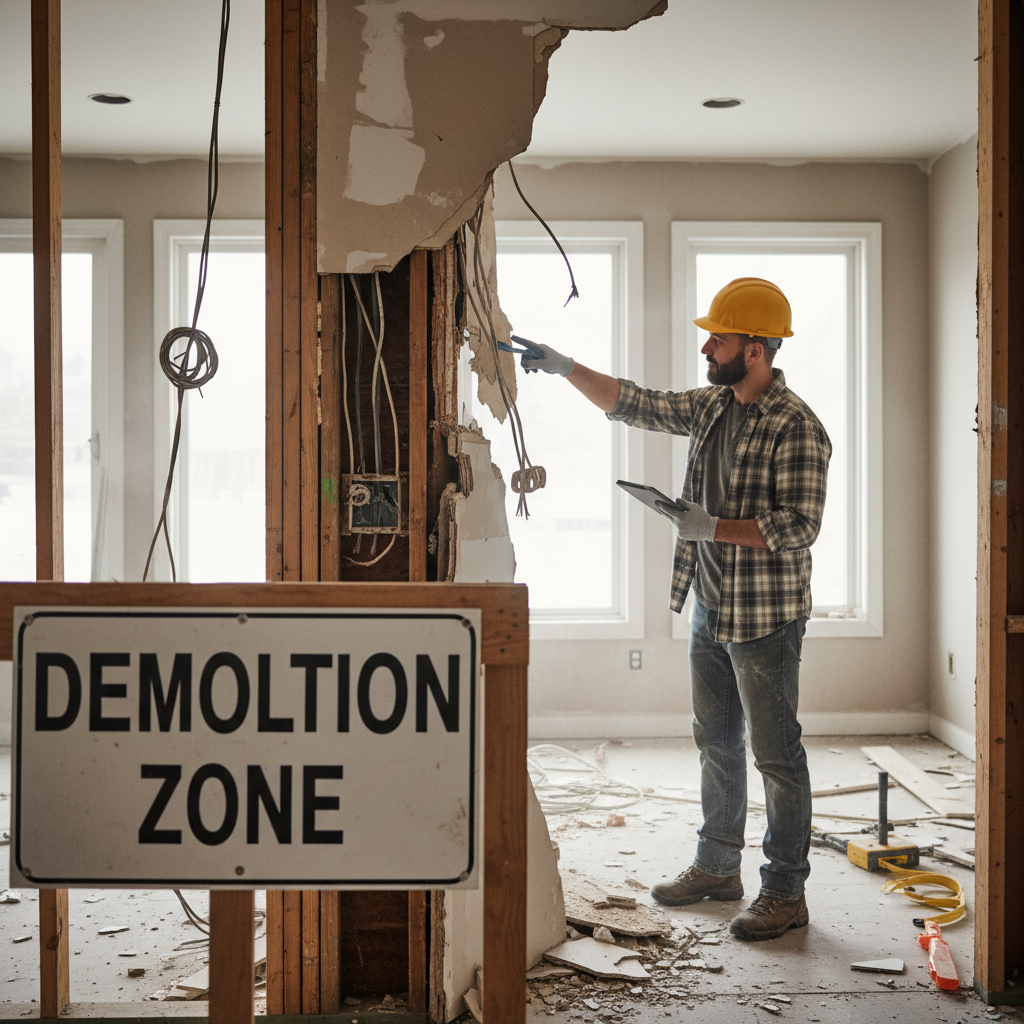
Once demolition is complete, the project enters the most volatile stage of the fix and flip timeline Fort Worth. This is the MEP phase, focusing on mechanical, electrical, and plumbing rough-ins. While demolition is fast and gratifying, the technical work hidden behind the studs is where most DFW flips stall. Success here depends on a rigid sequence: plumbing and HVAC ducts are installed first because they require the most space and have specific gravity-drainage requirements, followed by electrical wiring which can be easily routed around the larger pipes and ducts.
Kitchens and bathrooms are objectively the hardest rooms to remodel during an investor rehab because they represent the highest density of these trades. A single primary bathroom requires precise plumbing for dual vanities and walk-in showers, dedicated electrical circuits for GFCI outlets and lighting, and often HVAC modifications to ensure proper ventilation. Because these trades must work in a confined footprint, one delay in a plumbing stack installation can ripple through the entire schedule, pushing back the electrician and the subsequent drywall crew.
Trade Sequence | Priority | Rationale |
|---|---|---|
1. Plumbing | High | Rigid drain lines and vent stacks dictate wall layout. |
2. HVAC | High | Large ductwork requires significant clearance in joist bays. |
3. Electrical | Medium | Flexible wiring can be routed around existing MEP infrastructure. |
4. Inspection | Critical | Mandatory city sign-off before any walls are closed. |
The most common cause of lost profit in North Texas is the inspection gap. This is the period of dead time where a site sits empty while waiting for a city official to sign off on rough-ins. A professional fix and flip contractor in DFW eliminates this by scheduling inspections 48 hours in advance of the projected completion date. If the plumber is scheduled to finish on Wednesday, the inspection request should be submitted on Monday. Waiting until the work is done to call the city is a reactive move that adds weeks of holding costs over the life of a project.
Phase 3: The Finish Phase and the 70 Percent Rule
In North Texas, the 70% rule, which dictates paying no more than 70% of the After Repair Value minus renovation costs, acts as a financial guardrail. However, high interest rates and North Texas property taxes mean that staying within this budget is only half the battle; you must also stay within your fix and flip timeline Fort Worth. The finish phase, representing the final three to four weeks of production, is where the project moves from a construction site to a marketable home.
Success in this phase depends on selecting materials that balance aesthetic appeal with installation efficiency. For a standard investor rehab in DFW, Luxury Vinyl Plank (LVP) flooring, quartz countertops, and pre-fabricated shaker cabinets are the gold standard. These materials are durable and readily available, yet they still provide the high-end feel required for a competitive listing in neighborhoods like Keller or Southlake.
Material Type | Impact on Timeline | Procurement Strategy |
|---|---|---|
Shaker Cabinets | 5 to 7 days for install | Order in Phase 1 (Pre-Construction) |
Quartz Counters | 7 to 10 days (Template to Install) | Schedule template immediately after cabinet sets |
LVP Flooring | 3 to 4 days for whole-home | Stock on-site by the end of Phase 2 |
The most significant delays in Phase 3 occur when investors wait until the walls are painted to choose tile or vanities. To maintain momentum, a professional fix and flip contractor in DFW ensures all finish materials are ordered during the Phase 1 pre-construction window. This prevents the "out of stock" surprises that plague amateur flippers. Many self-managed projects lose steam here; the tedious nature of finish carpentry, baseboard installation, and professional painting often becomes a multi-week bottleneck that delays the final listing and eats into the remaining profit margin.
Where Construction Days Get Lost: The 3 Biggest Leaks

Even with a clear vision, your fix and flip timeline Fort Worth is susceptible to invisible leaks that erode profit margins. These delays are rarely catastrophic individual events; they are the cumulative result of thousands of dollars in labor and holding costs slipping through the cracks of poor management.
The first leak is subcontractor ghosting. In the booming DFW market, skilled crews are constantly recruited for massive new-build developments in areas like North Fort Worth or Celina. If a subcontractor arrives at your investor rehab and the site is not ready for their specific trade, they will not wait. They will move their crew to a high-volume builder who has work ready right now. Once a sub leaves your site, it often takes seven to ten days to get back on their schedule.
The second leak is scope creep. Investors often assume adding a single recessed light or changing a trim profile mid-stream is a thirty-minute adjustment. In reality, these small pivots often trigger a three-day delay. The electrician must return for a new rough-in, the drywaller needs to patch and sand, and the painter has to wait for mud to dry. Each change breaks the momentum of the trade sequence.
Finally, material logistics can paralyze a project. The amateur approach involves four daily trips to a big box store for forgotten plumbing valves or transition strips. A professional fix and flip contractor in DFW utilizes bulk site deliveries. Having every item on-site before the trade arrives ensures the meter is always running on production, not on travel time.
Leak Source | Impact on Schedule | Financial Consequence |
|---|---|---|
Unorganized Site | 1 - 2 weeks (Sub Re-scheduling) | Increased holding costs and interest |
Mid-Project Changes | 3 - 5 days per change | Labor trip charges and re-work fees |
Fragmented Logistics | 2 - 4 hours daily | Wasted labor hours and delayed completion |
Eliminating these leaks is how we protect your fix and flip renovation costs in Fort Worth. Showing up on time and having the site ready is not a luxury; it is the difference between a profitable exit and a break-even project.
How to Compress Your Timeline Without Cutting Corners
Compressing a fix and flip timeline Fort Worth is not a matter of rushing labor; it is a matter of strategic orchestration. Professional investors gain speed by overlapping trades rather than following a linear path. While the interior crew is mudding and sanding drywall, an exterior team should be scraping, priming, and painting the siding. This concurrent workflow ensures that every daylight hour on the job site is productive, reducing the total duration of the project by several weeks.
The most effective way to shave time off an investor rehab is to hire a single fix and flip contractor in DFW rather than attempting to self-manage subcontractors. A dedicated general contractor possesses the scheduling leverage that a solo investor lacks. If a plumber finishes early, the GC can immediately pull their preferred tile crew from another site. When an investor plays GC, they are often at the mercy of a sub’s availability, leading to costly gaps in production.
Strategy | Timeline Impact | Execution Method |
|---|---|---|
Trade Overlapping | Saves 10 to 14 days | Run exterior and interior phases simultaneously. |
Design Standardization | Saves 7 to 10 days | Use repeatable finish specs for Arlington and Southlake projects. |
Single GC Management | Saves 2 to 4 weeks | Centralize communication and trade accountability. |
Investor-level efficiency is further driven by repeatable designs. By standardizing durable materials, such as a specific quartz slab or a consistent neutral paint palette, you eliminate the decision fatigue that stalls progress. Crews become faster at installing the same products across different homes, which directly lowers the fix and flip renovation costs in Fort Worth by reducing installation errors and material waste.
Closing the Flip: Staging and Listing in the DFW Market
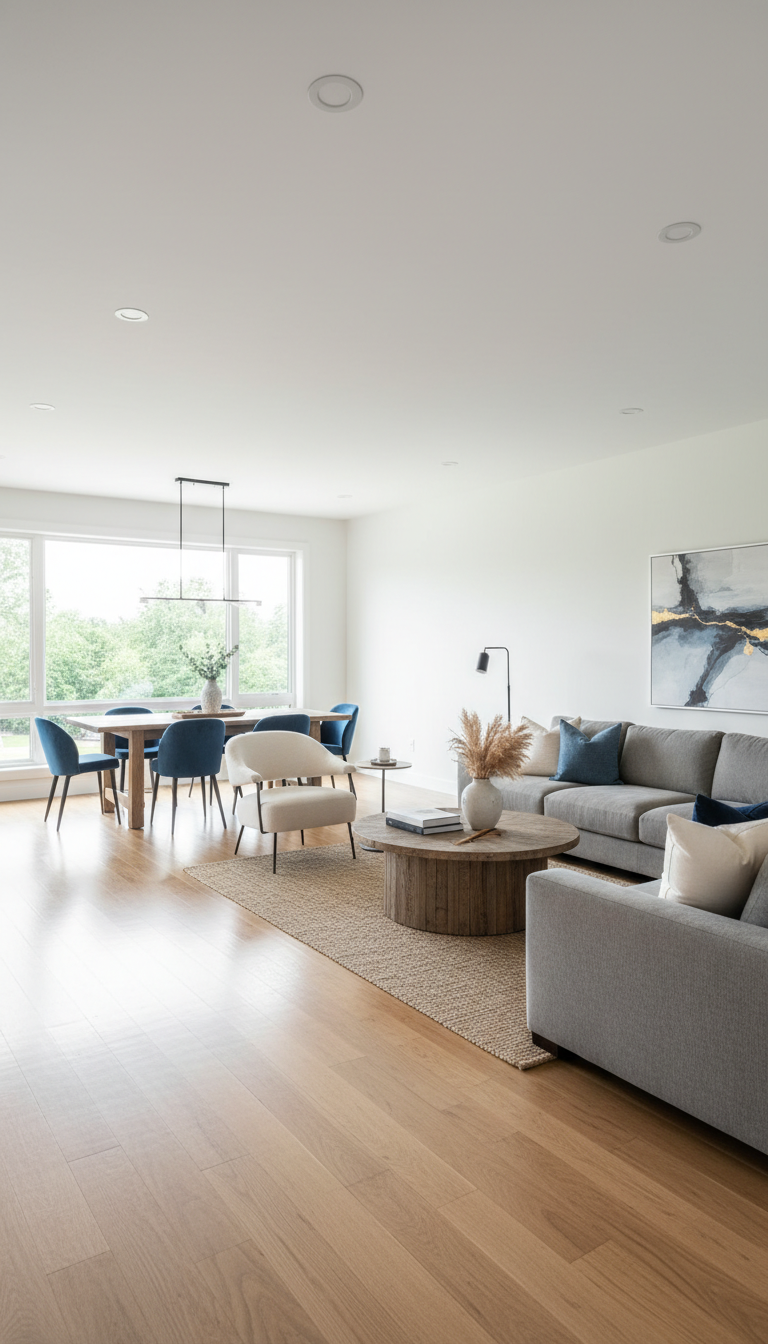
The final two weeks of an investor rehab represent the bridge between a construction site and a retail-ready home. This transition, which we call a modern interior transformation, relies entirely on the quality of the final punch list. A house that is 98 percent complete is effectively zero percent ready for the DFW market. Small oversights, like unpolished hardware or paint overspray on window tracks, become glaring liabilities under the high-resolution lenses of professional real estate photographers.
In North Texas, listing a property with poor finish quality creates a stale listing trap. Even if you hit your aggressive fix and flip timeline Fort Worth, a property that sits for 60 days because buyers are distracted by sloppy tile transitions will erode your profit through extended holding costs. Professional staging should occur within 48 hours of a deep construction clean. This rapid sequence ensures that your Days on Market (DOM) remain low, turning your capital over for the next project.
Listing Readiness | Timeline Impact | Financial Objective |
|---|---|---|
Deep Cleaning | 1 Day | Prepares surfaces for photography |
Professional Staging | 1 to 2 Days | Increases perceived value and scale |
High-Res Photography | 1 Day | Drives click-through rates on DFW MLS |
Choosing a specialized fix and flip contractor in DFW ensures the final week is dedicated to refinement, not repair. This discipline protects the integrity of your fix and flip renovation costs in Fort Worth by preventing price reductions once the home is live.
Successfully navigating a fix and flip timeline requires precision, organization, and a deep understanding of the local market. By streamlining your construction process, you can protect your margins and see a faster return on your investment. If you want expert help managing these moving parts, the team at Bridge & Build Renovations is ready to guide you. Reviewing your projected Fix and Flip Costs is a helpful next step to ensure your budget aligns with your schedule from start to finish.