Professional flooring installation Fort Worth costs approximately $7 to $10 per square foot for mid-range materials like LVP, while tile projects in Tarrant County vary from $1,200 to $15,000 based on project scope. Experts generally recommend installing cabinets before the floor covering to protect the new surface; however, tile is often laid first in full remodels to create a continuous substrate. Proper substrate preparation is vital for Texas slabs to mitigate moisture and soil movement before the final installation.
Upgrading your home should be exciting, yet many North Texas homeowners find themselves overwhelmed by the technical complexities of flooring installation in Fort Worth. Between the shifting soil of the Metroplex and the critical decision of whether to lay planks before or after cabinetry, a simple aesthetic change can quickly become a logistical headache. At Bridge and Build Renovations, we believe that a sophisticated interior starts with a sound technical foundation. Understanding how our local environment impacts material performance is essential for a lasting result. In this guide, we will examine the strategic sequencing of your renovation, the specific challenges posed by Texas concrete slabs, and a comprehensive breakdown of current labor and material costs. You will gain the expert insight needed to navigate your project schedule and select the right materials for a durable, high end finish.
The Strategic Sequence: Should You Install Cabinets or Flooring First?
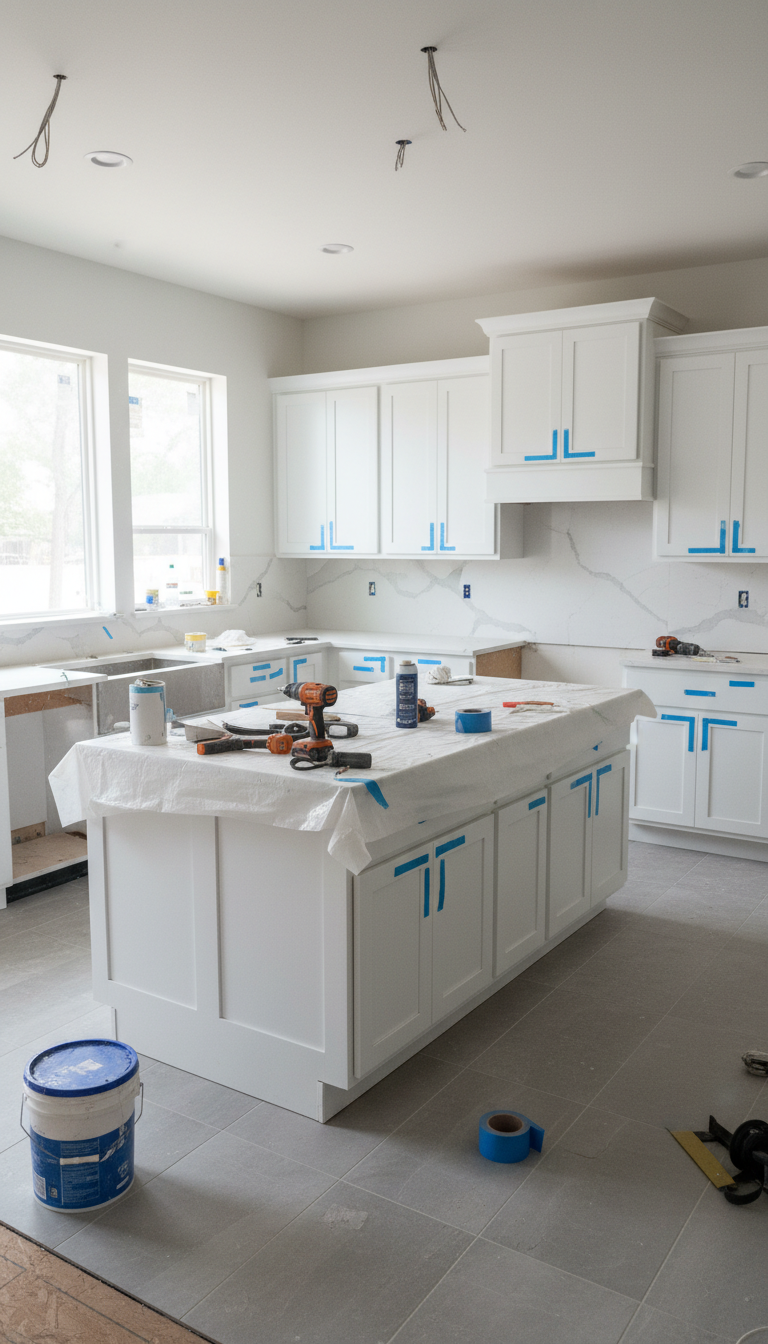
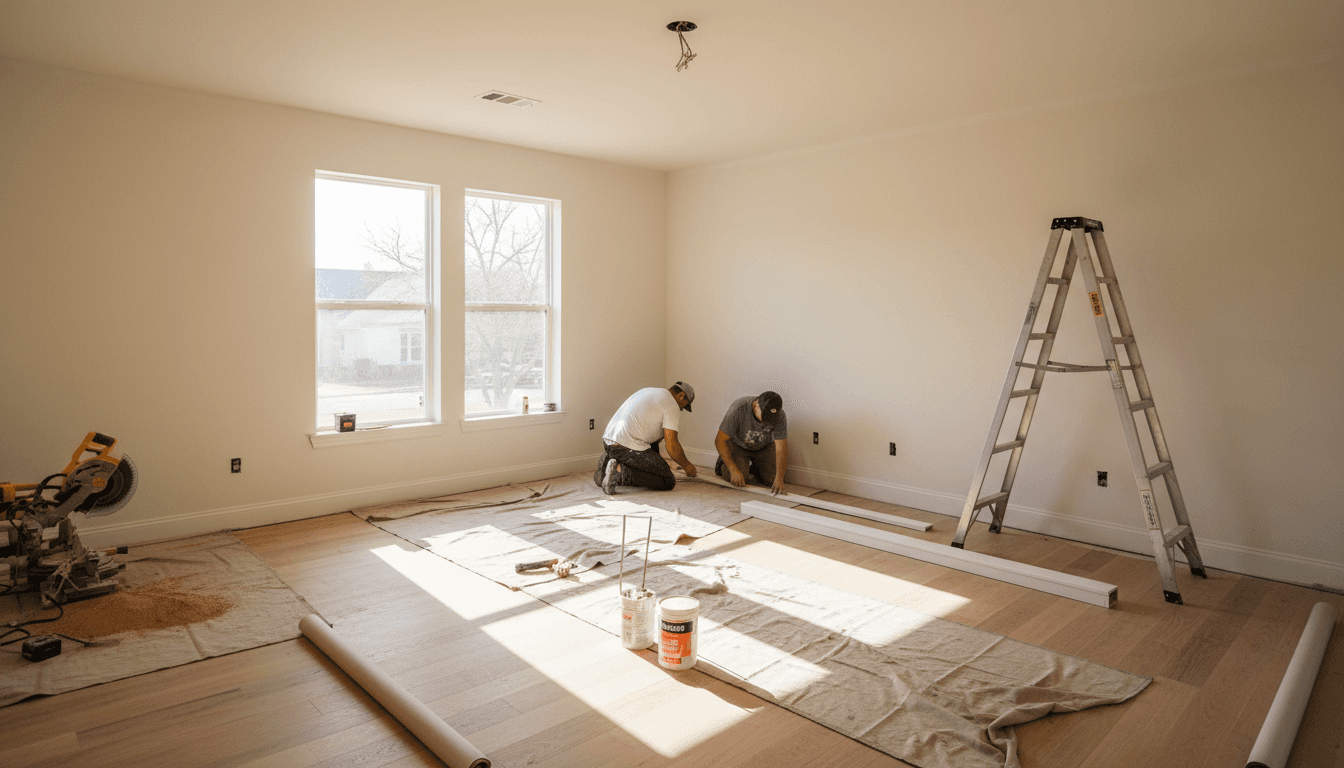
The debate over sequencing often centers on efficiency versus long-term durability. During a kitchen remodeling in Fort Worth, the decision to install cabinets or flooring first is dictated by the specific material characteristics rather than personal preference. Standard industry practice depends on whether the flooring is floating or permanent.
For floating materials like Luxury Vinyl Plank (LVP) or laminate, cabinets must be installed first. These floors require a perimeter expansion gap to accommodate the home’s natural shifting, a common occurrence in North Texas. Weighty base cabinets and islands pin the floor to the subfloor, preventing necessary movement and eventually causing the planks to buckle or separate. In these scenarios, we install the cabinets on the subfloor and bring the flooring up to the toe kick, finishing the edge with a matching shoe mold.
Conversely, tile or glue-down hardwood can be installed before the cabinets. This approach creates a uniform, level surface across the entire footprint. For investor rehab services or a full home renovation, this method is often preferred because it eliminates the risk of trapped appliances. A frequent headache for property managers occurs when a new floor is installed around a dishwasher already sitting on the subfloor, effectively locking the unit in place. When we perform a flooring installation Fort Worth homeowners can rely on, we ensure the heights are calculated so that appliances remain accessible for future repairs or replacements.
Material Type | Installation Order | Primary Reason |
|---|---|---|
Floating LVP / Laminate | Cabinets First | Allows for thermal expansion and prevents buckling. |
Porcelain / Ceramic Tile | Flooring First | Provides a level base for appliances and cabinets. |
Glue-down Hardwood | Flooring First | Creates a seamless look; no movement issues. |
This strategic sequencing keeps the project on schedule while protecting the integrity of your materials. By matching the workflow to the product specifications, we avoid the costly rework associated with pinned floors or buried dishwashers.
The Texas Slab Reality: Managing Moisture and Shifting Foundations
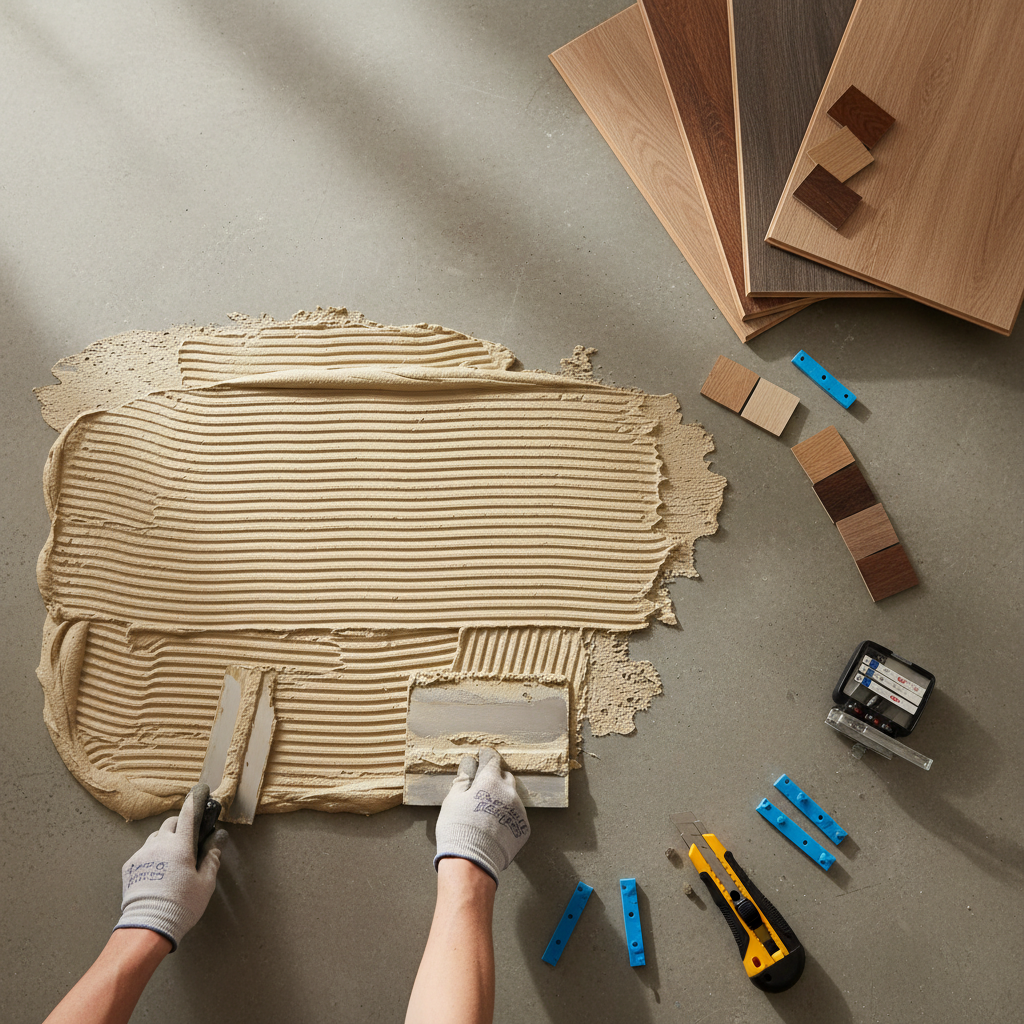
Selecting the right sequence is only half the battle. In North Texas, the foundation itself is often the biggest variable. The expansive clay soil prevalent throughout Tarrant County undergoes intense heave and shrink cycles. As the soil absorbs moisture during spring rains and contracts during the brutal summer heat, concrete slabs shift and settle. This movement often results in hairline cracks and subtle changes in floor flatness that must be addressed during a full home renovation.
Before any flooring installation Fort Worth projects begin, moisture testing is non-negotiable. Because concrete is porous, it acts like a sponge, drawing moisture from the ground through hydrostatic pressure. If this moisture is trapped under a new floor without a proper escape or barrier, it will eventually cause adhesive failure in glue-down products or mold growth under floating planks. For LVP installations on concrete, we utilize a 6-mil poly vapor barrier. This simple layer prevents moisture from reaching the underside of the flooring, protecting your investment from North Texas humidity and slab transpiration.
Furthermore, the shifting soil means subfloor leveling is rarely a luxury feature. Most manufacturer warranties for LVP and engineered wood require a floor to be level within 3/16 of an inch over a 10-foot span. In many homes across Benbrook or Aledo, the slab has often moved beyond these tolerances over time. During the site prep phase, we use self-leveling compounds or mechanical grinding to ensure the substrate is perfectly prepared, preventing the bouncing or clicking sounds associated with poorly supported planks.
Flooring Installation Cost Fort Worth: Labor and Material Breakdown
Understanding the mechanical requirements of the slab allows for a more accurate financial forecast. In the Dallas-Fort Worth market, pricing is driven by material choice and the labor intensity required for proper substrate preparation.
For investor rehab services in areas like Arlington or Burleson, luxury vinyl plank (LVP) remains the most cost-effective choice. Labor for LVP typically ranges from $3 to $4 per square foot. When including mid-grade materials, a professional flooring installation Fort Worth investors can rely on usually costs between $7 and $10 per square foot fully installed. This provides a balance of durability and aesthetic appeal without the maintenance requirements of natural materials.
Custom tile work, common in kitchen remodeling in Fort Worth and high-end Southlake bathrooms, carries a higher price point. Total costs for tile, including labor and materials, range from $8 to $15 per square foot. Large format tiles or intricate patterns like chevron require additional precision, which naturally increases the labor rate.
Flooring Category | Estimated Labor (per sq ft) | Estimated Total Installed (per sq ft) |
|---|---|---|
Luxury Vinyl Plank (LVP) | $3.00 - $4.00 | $7.00 - $10.00 |
Porcelain / Ceramic Tile | $5.00 - $10.00 | $8.00 - $15.00+ |
Engineered Hardwood | $4.00 - $6.00 | $12.00 - $20.00 |
Beyond the visible materials, homeowners often overlook the hidden line items that ensure a long-lasting result. In Keller and Benbrook, where shifting slabs are common, floor prep is rarely optional. Self-leveling compound and mechanical grinding to address slab dips can add $1 to $3 per square foot to the initial estimate. Additionally, budget for furniture moving and baseboard replacement. While some contractors offer to install quarter-round or shoe molding against existing trim, replacing baseboards during a full home renovation ensures a cleaner, more modern finish that adds significant value to the property.
Choosing the Right Material for North Texas Lifestyles
Selecting the proper material requires balancing the aesthetic of a full home renovation with the realities of the Tarrant County climate. In North Texas, engineered hardwood is often preferred over solid wood because its layered construction handles local humidity shifts without the warping risks associated with traditional planks. For high traffic entryways or a kitchen remodeling in Fort Worth, porcelain tile remains the gold standard for durability and heat resistance, though it requires a perfectly leveled slab to prevent grout cracking over time.
Luxury Vinyl Plank (LVP) has emerged as the dominant choice for investor rehab services in Arlington and Burleson. Its waterproof core and scratch resistant wear layer make it ideal for rental property turns where longevity and rapid installation are the priorities. However, design cohesion is vital for resale value. We advise homeowners to follow the Rule of 3, which suggests limiting a home to no more than three distinct flooring types. Transitioning between too many materials creates a fragmented feel that can distract buyers and make a floor plan feel smaller.
Material | Best Use Case | DFW Climate Performance |
|---|---|---|
Engineered Wood | Primary living areas | High; resists humidity expansion |
Porcelain Tile | Kitchens and Bathrooms | Superior; unaffected by moisture |
Luxury Vinyl Plank | Rentals and Mudrooms | Excellent; waterproof and flexible |
A successful flooring installation Fort Worth residents appreciate blends these performance needs with a unified design palette, ensuring the home feels spacious and intentional.
DIY vs Professional Flooring Installation: When to Call an Expert
The marketing for luxury vinyl plank often suggests a simple weekend project that any homeowner in Keller or Aledo can tackle with a rubber mallet and a utility knife. While the locking mechanisms are user friendly, the success of a professional flooring installation Fort Worth relies almost entirely on the invisible work performed before the first plank is laid. DIY installations frequently overlook the critical subfloor tolerances required by manufacturers. If the concrete slab isn't ground down or filled to within 3/16 of an inch, the resulting air pockets cause the floor to bounce and eventually snap the locking tabs, leading to permanent structural failure of the material.
Beyond the technical prep, the primary challenge of a full home renovation is the logistical choreography. We often see DIY projects stall because of a collision of trades. A homeowner might schedule a flooring crew to arrive while painters are still spraying the ceilings, leading to overspray on new materials or dust trapped in a fresh finish. Our approach to investor rehab services and kitchen remodeling in Fort Worth eliminates these bottlenecks through structured project management. We treat organized scheduling as the luxury feature it has become in the DFW market, ensuring the subfloor is moisture tested and expansion gaps are precisely calculated for Tarrant County humidity before the next phase begins.
Risk Factor | DIY Installation | Professional B&B Process |
|---|---|---|
Subfloor Prep | Often skipped or eyeballed | Mechanical grinding and self-leveling |
Expansion Gaps | Frequently too tight; leads to buckling | Calculated per material and room span |
Trade Scheduling | High risk of dust or paint contamination | Structured timelines to prevent overlap |
Protecting Your Renovation Schedule from Hidden Flooring Delays
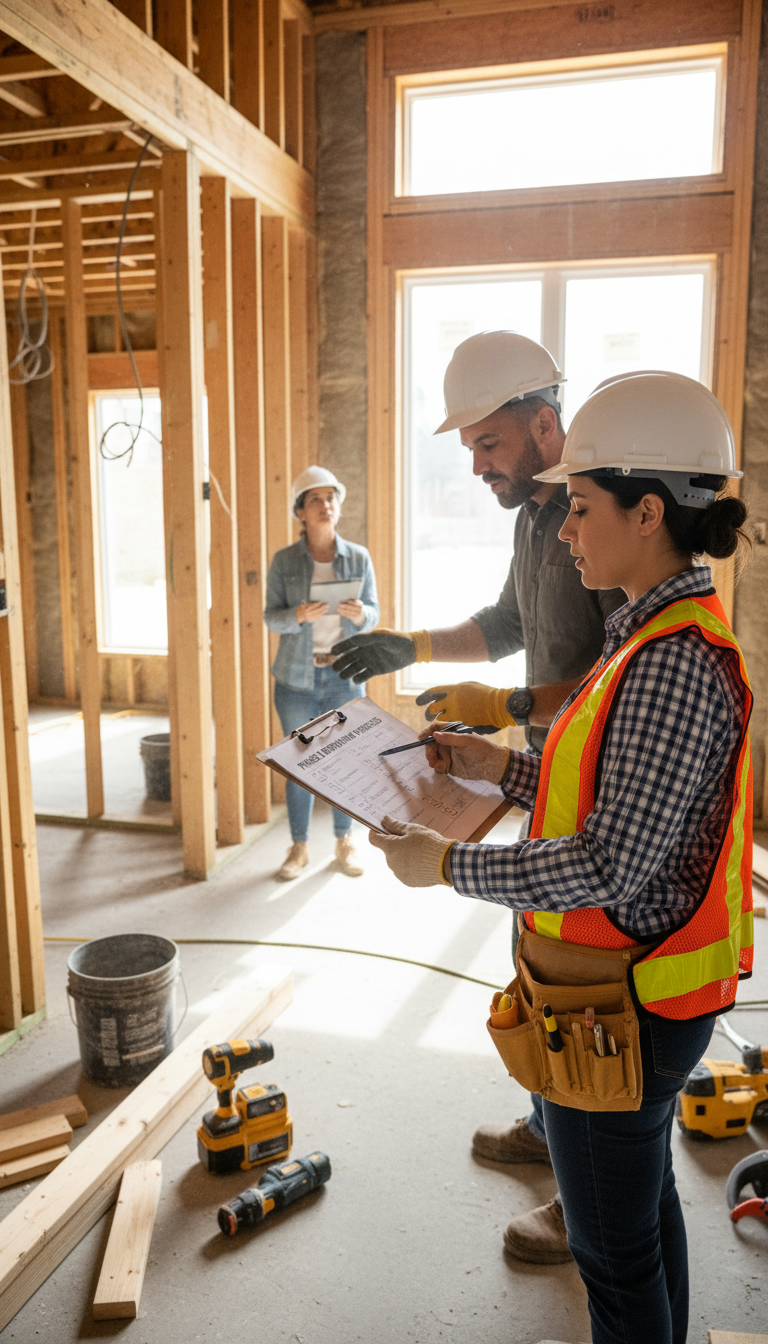
The most common source of timeline failure in a North Texas remodel is the refusal to respect material physics. Specifically, skipping the acclimation period for wood or LVP products is a recipe for post-install disaster. Materials must sit inside the home, under active HVAC control, for 24 to 48 hours before the flooring installation Fort Worth crew begins. This allows the product to reach equilibrium with the home’s specific humidity levels. Ignoring this step leads to planks that buckle as they expand or leave unsightly gaps as they shrink, forcing a total tear-out that resets your project schedule to zero.
For a full home renovation, flooring functions as the critical path. A delay here triggers a ripple effect across all remaining trades. Baseboards cannot be installed or caulked until the floor is down; finish carpentry and final interior painting are stalled; and appliances for a kitchen remodeling in Fort Worth remain in the garage because they cannot be set on a bare subfloor. A two-day delay in flooring delivery or slab prep often translates to a ten-day delay in project completion once trade availability is factored back in.
Scheduling Factor | Required Lead Time | Impact of Neglect |
|---|---|---|
Material Acclimation | 24 - 48 Hours | Buckling, joint separation, warranty void |
Subfloor Moisture Test | 24 Hours | Adhesive failure, mold growth |
Trade Gap | 1 - 2 Days | Scheduling conflicts, dust contamination |
To protect your investment, vet contractors based on their management systems rather than just their square foot price. Reliable investor rehab services should provide a clear communication plan, including daily updates and a documented sequence for slab preparation. In an industry where basic professionalism is rare, a contractor who answers the phone and follows a structured timeline is providing a higher value than the lowest bidder who leaves you guessing when the crew will arrive.
Navigating the nuances of Texas slab preparation and installation sequencing is essential for a floor that lasts. While understanding these technical details helps you plan, managing a full renovation can quickly become overwhelming. If you want expert help to ensure every detail of your home upgrade is handled with care, we are here to support your vision. This is especially true when coordinating your project with Kitchen Remodeling; where precise flooring transitions and durable materials make all the difference for a cohesive result.