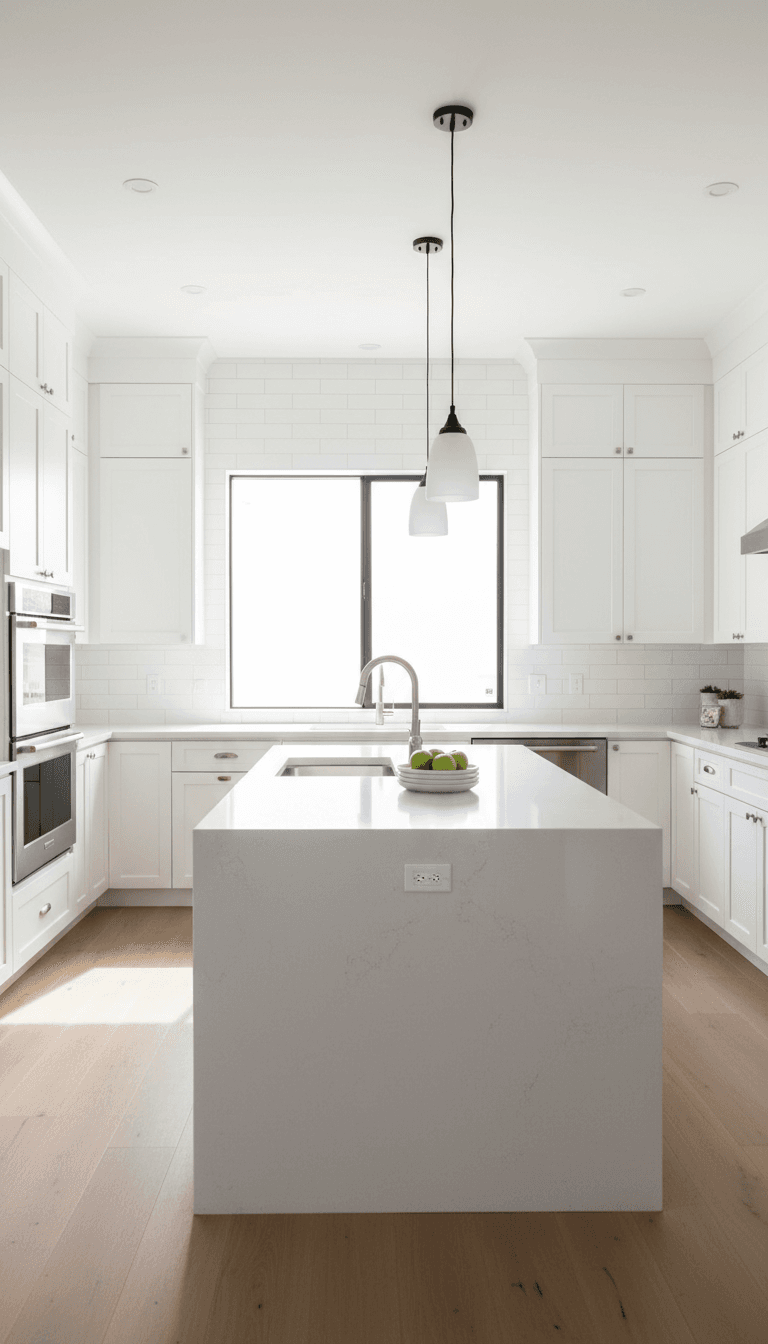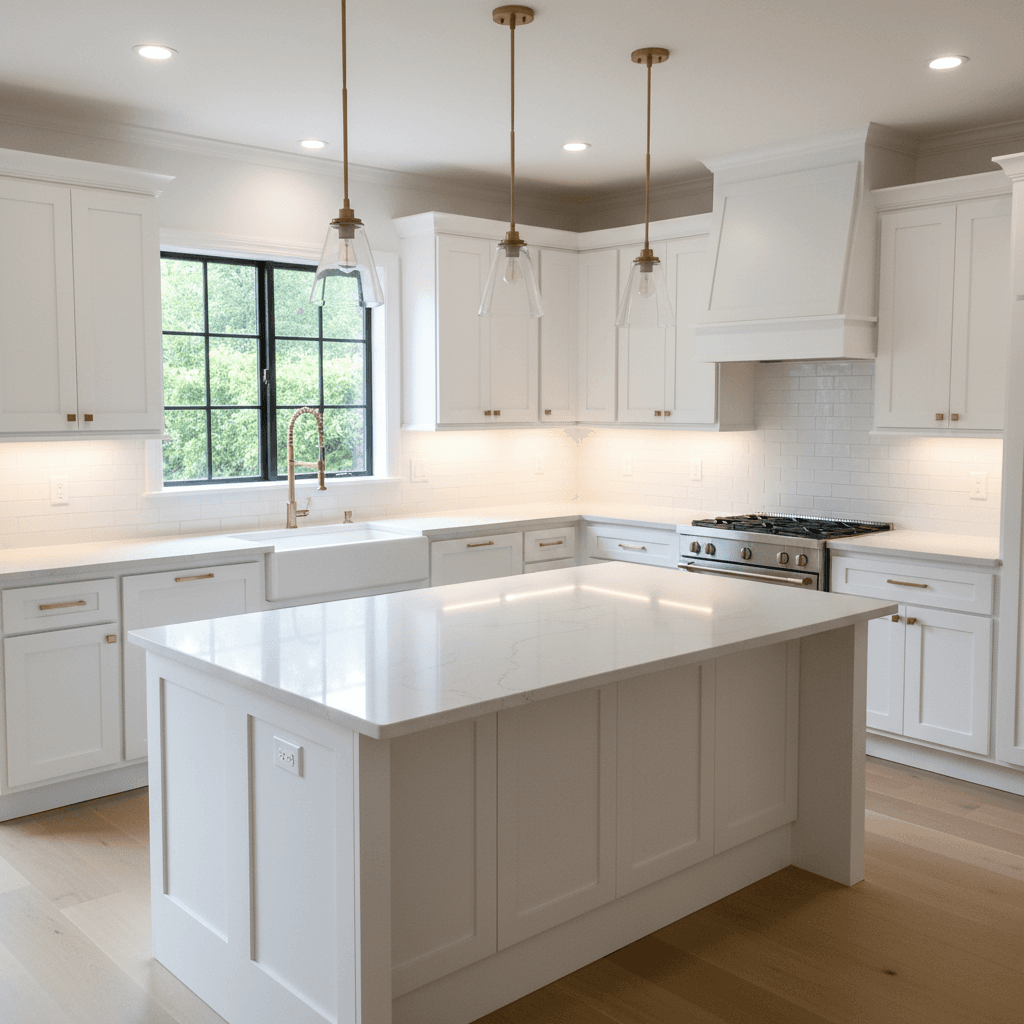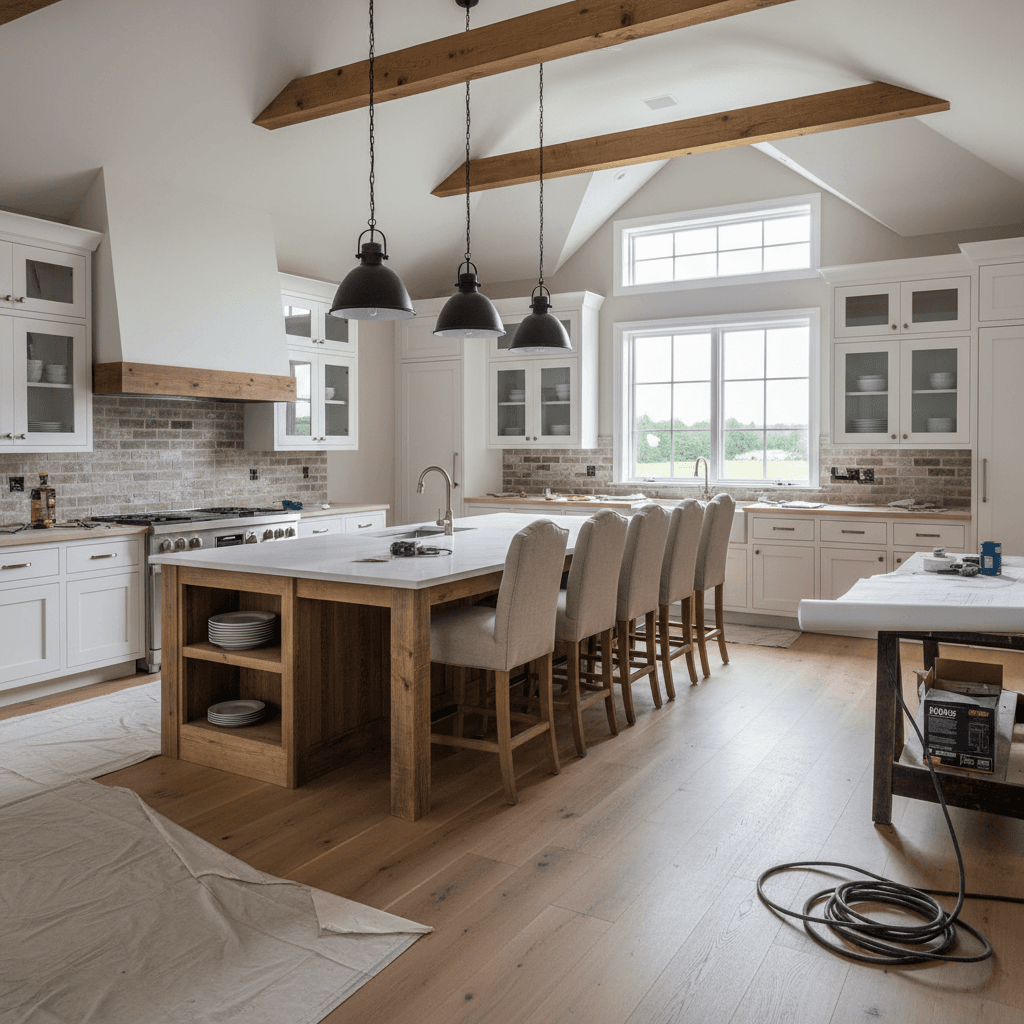
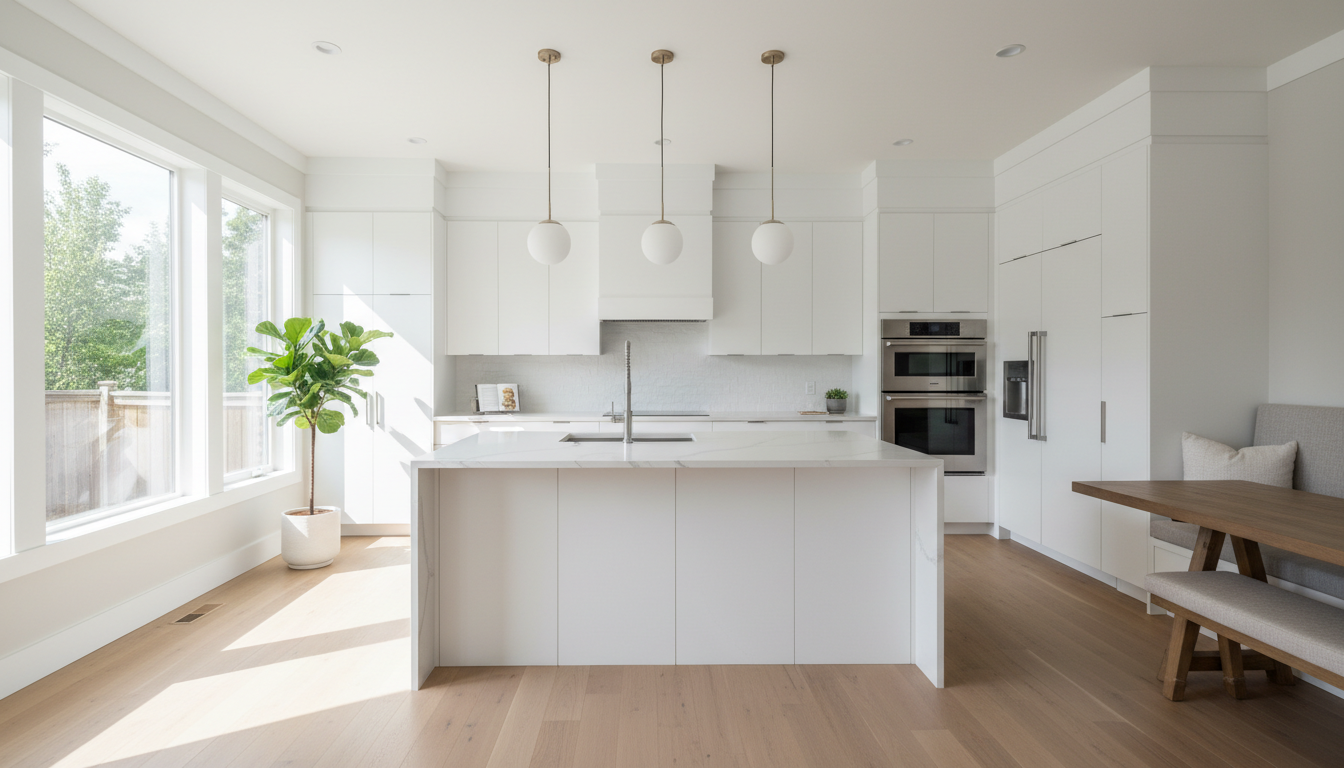
New countertops Fort Worth generally cost between $45 and $185 per square foot installed, with quartz and granite serving as the best materials for increasing home resale value. Homeowners can achieve a modern look by choosing durable natural stones in warm tones, which remain a top design trend for 2026.
Navigating the world of countertops in Fort Worth often leads to a specific kind of decision fatigue. For many homeowners, the challenge lies in balancing the desire for a high end aesthetic with the practical demands of a busy North Texas household. Selecting a material that fails to withstand heat or resists stains poorly can quickly turn a significant investment into a source of frustration. This choice matters because, in the competitive DFW market, your kitchen surfaces serve as the focal point for both daily living and long term resale value. In this guide, we break down the performance of quartz, granite, and quartzite within our local climate. You will learn about realistic 2026 pricing per square foot, discover which trends are currently dominating North Texas, and gain the expert insights needed to avoid being oversold by stone fabricators during your next renovation.
The State of Countertops in Fort Worth: Why Selection Matters for DFW Homes
Countertops serve as the visual anchor for every kitchen and bathroom remodel. In the North Texas market, homeowners frequently navigate the tension between forever home luxury and the high-performance durability required for investor rehabs. Selecting the right material involves more than just picking a color; it requires balancing local market trends with long-term utility.
With over 200 fabrication shops serving the metroplex, the sheer volume of options often leads to a paradox of choice. It is easy to be oversold on exotic tiers that inflate fix and flip renovation costs without providing a measurable return on investment. While exotic slabs look stunning in a showroom, they often offer the same structural integrity as mid-tier quartz or granite options that cost significantly less.
Managing the procurement and installation of countertops Fort Worth suppliers provide is a significant logistical challenge. The real luxury in a modern kitchen renovation in Dallas or Fort Worth is not just the stone itself, but a project manager who answers the phone. Coordinating precise templating, sink cutouts, and installation timelines requires professional oversight to ensure the project stays on schedule. Proper selection ensures your surfaces withstand the demands of a busy Tarrant County household while maintaining a clean, sophisticated aesthetic.
Breaking Down the Big Three: Quartz, Granite, and Quartzite
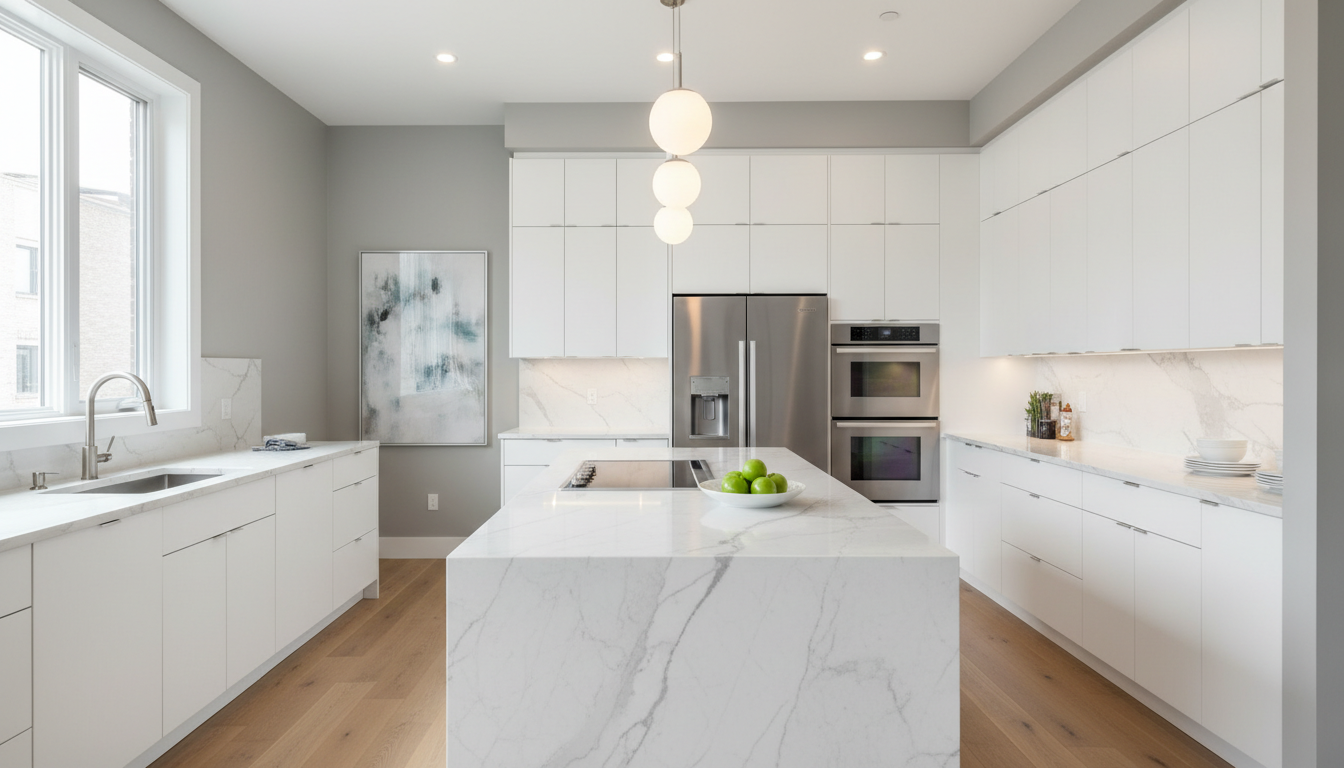
Navigating the rows of slabs at a Tarrant County stone yard can be overwhelming without a clear understanding of material performance. Most homeowners narrow their search to three primary categories: quartz, granite, and quartzite. Each offers a specific set of benefits regarding durability, maintenance, and aesthetics, but the right choice depends heavily on how the space will be used.
Quartz is the modern standard for consistency. Because it is an engineered product made from crushed stone and resin, it is entirely non-porous. This makes it a top choice for a kitchen renovation in Dallas where homeowners want the look of white marble without the risk of wine or coffee stains. It never requires sealing, which is a major selling point for busy families. However, it is sensitive to heat. The resin can scorch if exposed to temperatures above 300 degrees, meaning you must always use trivets.
Granite remains the traditional powerhouse of the DFW market due to its sheer resilience. As a natural igneous rock, it offers heat resistance that quartz cannot match. You can generally move a pot from the stove to the counter without immediate damage. Every slab is unique, providing a one of a kind aesthetic that appeals to those who dislike the "printed" look of engineered stone. The tradeoff is maintenance; granite is porous and requires periodic sealing, typically every one to two years, to prevent bacterial growth and staining.
Quartzite represents the high end of natural stone. It is a metamorphic rock that provides the sophisticated, flowing veining of marble but possesses the hardness of granite. It is an excellent investment for premium investor rehabs or forever homes where the budget allows for a higher material cost. While extremely durable, some quartzites can still be prone to etching from acidic liquids like lemon juice, so they require professional sealing at installation.
Feature | Quartz | Granite | Quartzite |
|---|---|---|---|
Composition | Engineered (Resin + Stone) | Natural Volcanic Rock | Natural Metamorphic Rock |
Porosity | Non-porous | Porous (Requires Sealing) | Low Porosity (Requires Sealing) |
Heat Resistance | Low to Moderate | High | High |
Maintenance | Low | Moderate | Moderate |
Visuals | Consistent / Patterned | Varied / Speckled | Elegant / Veined |
For a high traffic Tarrant County household, quartz typically wins for pure convenience, while granite offers the best longevity for those who prioritize heat resistance. Understanding these functional differences helps narrow down the search for countertops Fort Worth suppliers offer, ensuring you do not choose a material that clashes with your lifestyle.
Countertop Cost per Square Foot: Real Fort Worth Pricing in 2026
Understanding the financial commitment is the next step once you have settled on a material. In the DFW market, pricing typically sits five to ten percent lower than the national average due to the high density of local fabrication shops. However, transparent pricing is often difficult to find because most quotes only cover a fraction of the actual work required.
For a standard kitchen or bathroom project, you should expect the following price ranges for countertops Fort Worth projects in 2026:
Material | Installed Cost per Sq. Ft. | Estimated Total (40 Sq. Ft. Kitchen) |
|---|---|---|
Granite | $40 – $100 | $1,600 – $4,000 |
Quartz | $45 – $125 | $1,800 – $5,000 |
Quartzite | $90 – $170+ | $3,600 – $6,800+ |
When a quote mentions an installed price, it generally covers the material slab, the laser templating process, cutting the stone to size, basic edge profiles, and the physical labor to set the stone on your cabinets. While this covers the bulk of the expense, it rarely represents the final invoice. Homeowners often encounter unexpected line items that can add $500 to $1,500 to a project.
Commonly overlooked expenses include sink cutouts, which range from $50 to $150 per hole, and the removal of existing surfaces, which typically costs between $100 and $300. Additionally, most fabricators are not licensed plumbers; they will not disconnect your existing sink or reconnect your garbage disposal and faucet. Factoring in a plumber or general contractor to manage these mechanical updates is essential for accurate fix and flip renovation costs. For investor rehabs, failing to account for these logistical costs can quickly erode your margin. A professional project manager ensures these variables are integrated into the initial budget so the final walkthrough doesn't include a surprise bill.
2026 Countertop Trends: What is Popular versus Outdated in North Texas
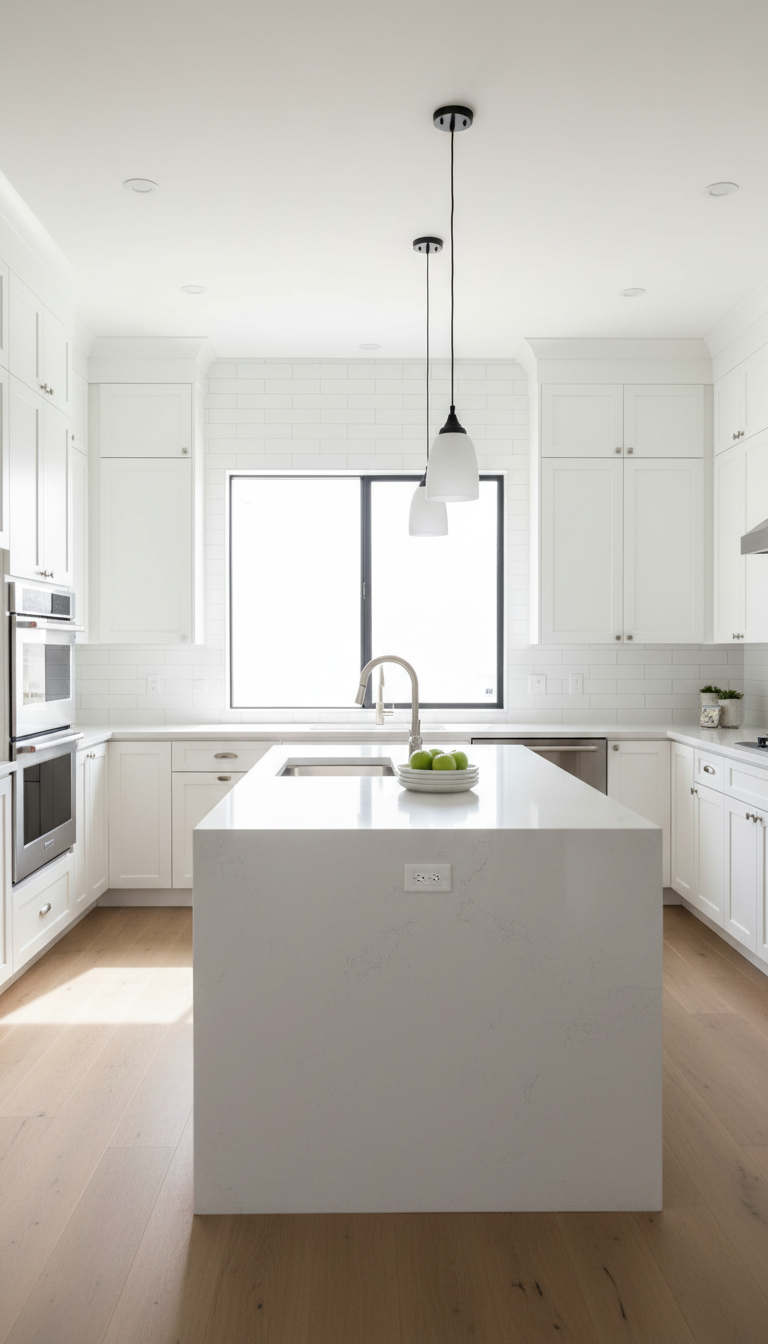
Current design preferences for countertops Fort Worth projects have shifted toward warm minimalism. The clinical, stark grays that dominated the last decade are being phased out in favor of creamy whites and soft neutrals. In modern interior transformations throughout Southlake and Keller, we see a heavy preference for slabs featuring gold, tan, or subtle sand colored veining. This palette provides a high end, organic feel that complements white or light wood cabinetry without feeling sterile.
In contrast, certain styles now signal that a property is overdue for a kitchen renovation in Dallas. The heavy, flecked brown and black granites typical of the 2000s builder grade era are officially considered dated. These busy patterns often visually shrink a room and clash with modern, airy design schemes. For investor rehabs aiming for a quick turnaround, replacing these dark, speckled surfaces is often the most impactful change you can make to the overall aesthetic.
Texture is also playing a larger role in 2026 trends. While high gloss surfaces were once the standard for luxury, many homeowners now prefer matte or honed finishes. A honed surface reduces glare from under cabinet lighting and does a better job of hiding minor smudges and fingerprints. This choice is especially practical for large islands that serve as the primary focal point of a home. Staying ahead of these shifts ensures your fix and flip renovation costs contribute to a look that buyers will find desirable for years to come.
Best Countertop Material for Resale Value and Rental Property Turns
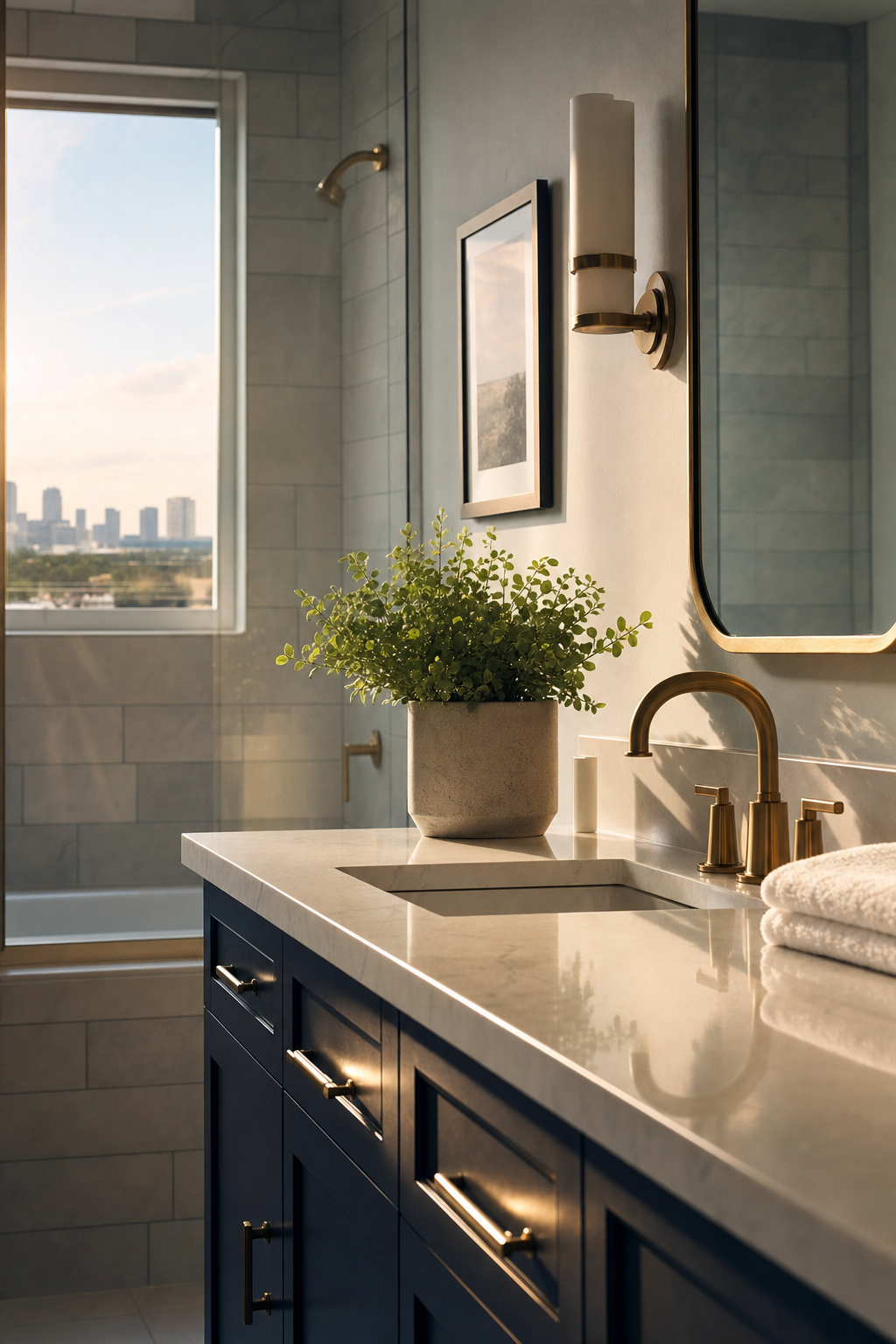
For those focused on managing fix and flip renovation costs, the material choice often dictates how quickly a property moves off the market. Quartz has become the gold standard for resale value because it carries immediate brand recognition among DFW buyers. They perceive it as a premium, set it and forget it upgrade. When potential homeowners walk through a showing, they are not looking for a maintenance schedule; they want the assurance that their surfaces will remain pristine without annual sealing.
In the world of investor rehabs and rental property turns, the strategy shifts toward cost per year of life. While quartz is excellent for a retail sale, a Level 1 granite often provides the best balance of aesthetic appeal and indestructible performance for a lower entry price. In high turnover areas, this tier of granite offers a natural look that stands up to tenant wear better than laminate or lower grade synthetic surfaces. It allows you to market the unit as having stone countertops Fort Worth tenants find desirable while keeping your initial capital expenditure low.
Protecting your margins requires avoiding high maintenance materials that are prone to tenant neglect. Never install marble or unsealed butcher block in a rental property. A single tenant who leaves a lemon slice or a wet glass on a marble surface can cause permanent etching, necessitating a costly replacement that wipes out months of cash flow. For a kitchen renovation in Dallas intended for the rental market, stick to dense, non-porous surfaces or heat resistant natural stones to ensure the renovation survives multiple lease cycles.
How to Avoid Getting Oversold by Stone Fabricators
Selecting the right material for countertops Fort Worth suppliers offer requires navigating a complex tier system that often confuses homeowners. Most stone yards categorize inventory from Level 1, which represents common, high-volume patterns, up to Level 5 or “Exotic” slabs. It is critical to understand that these levels are based strictly on rarity and sourcing difficulty, not performance. An exotic quartzite costing $150 per square foot does not offer five times the durability of a Level 1 granite. In many cases, mid-tier options provide the same structural integrity while keeping fix and flip renovation costs under control.
One of the most frequent mistakes in a kitchen renovation in Dallas is choosing a slab based solely on a four-inch sample. Natural stone is inherently inconsistent; the heavy veining you see under showroom lighting might look completely different across a full nine-foot slab. Always visit the fabrication warehouse to tag your specific slab. This ensures you avoid surprises like large mineral deposits or color shifts that small samples fail to capture. Seeing the full layout also allows you to plan where seams will fall, which is vital for maintaining a clean aesthetic.
For smaller projects like guest bathrooms or laundry rooms, the remnant strategy is the most effective way to secure high-end materials at a discount. Fabricators often have leftover pieces from larger investor rehabs that are too small for a kitchen but perfect for a vanity. Buying a remnant can save 30 to 50 percent on material costs because you are only paying for the stone you use rather than purchasing a full slab. This approach allows you to install premium quartz or granite without the premium price tag.
Selecting the right countertops involves weighing material durability against your budget and long-term goals for your home. While these decisions define the look of your space, they can also feel complex for many homeowners. If you want expert help refining your design and coordinating the installation, our team is available to guide you. We offer professional Kitchen Remodeling services that bring all these elements together into a cohesive, beautiful space that reflects your unique style.