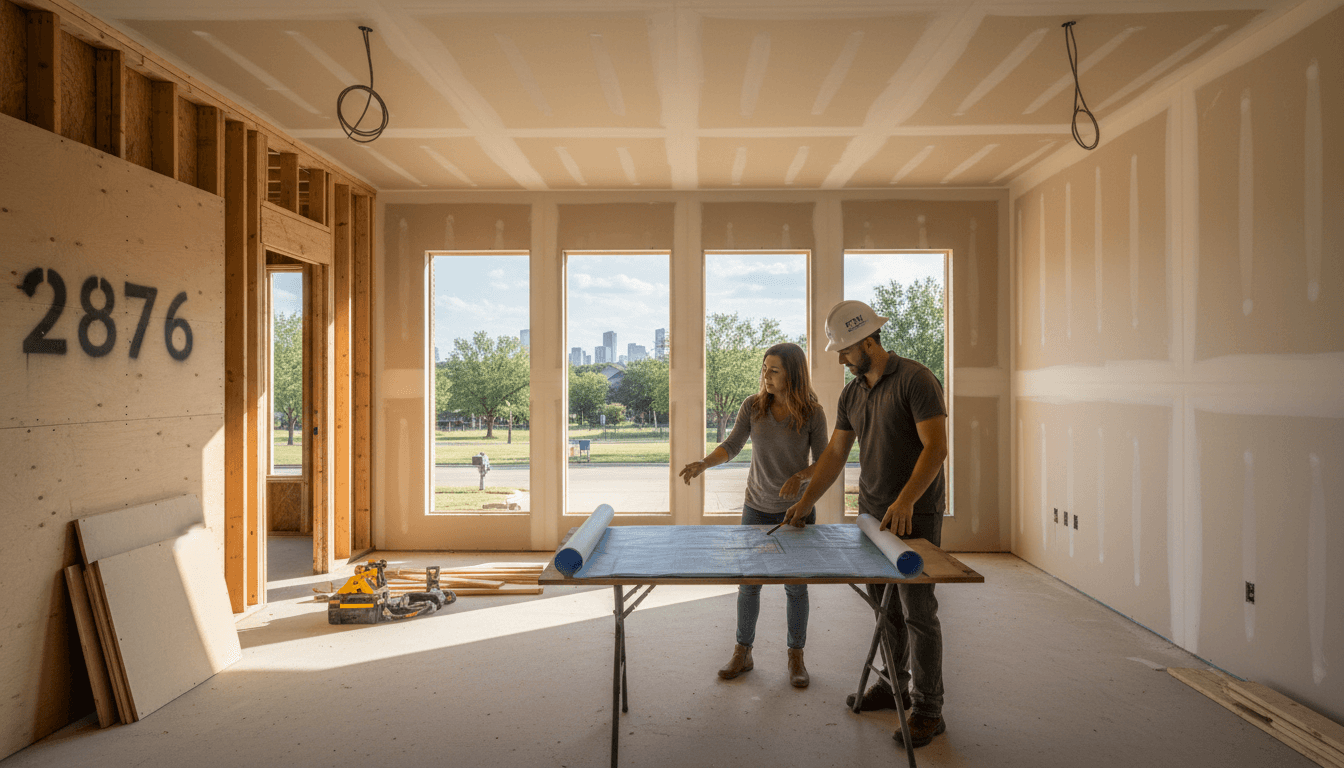

The average home renovation cost per square foot Fort Worth typically ranges from $100 to $350, though high end luxury projects often exceed $500. While these figures provide a helpful baseline for budgeting, final costs depend on specific project scopes and material choices; therefore, detailed estimates are more reliable than general square footage averages.
You have probably spent hours scrolling through local listings and contractor websites, searching for that elusive magic number to define your budget. The promise of a flat cost per square foot feels reassuring; however, it often leads to significant financial frustration once the first demolition hammer swings. In a specialized market like Fort Worth, relying on broad averages ignores the nuanced realities of historic preservation, modern building codes, and shifting labor availability. At Bridge and Build Renovations, we believe transparency is the foundation of any successful project. This guide moves beyond surface level metrics to explore why wet areas demand higher investments than dry rooms and how local economic factors will shape 2026 pricing. You will discover the 30 percent rule for contingency planning and learn if a six figure budget truly covers a comprehensive DFW remodel.
The Search for the Magic Number: Why Cost Per Square Foot is a Renovation Trap
Almost every homeowner in Tarrant County starts their project by searching for the home renovation cost per square foot Fort Worth averages. It feels like a logical way to benchmark a budget, but in the world of professional contracting, this number is often a trap. The primary flaw is that this metric treats every square foot as an identical unit of work, which is rarely the case in a functional home.
Consider the difference in intensity between two equal spaces. Refreshing 100 square feet of a master closet involves little more than new flooring, a coat of paint, and some finish carpentry for shelving. However, a 100 square foot bathroom remodel in Fort Worth requires complex plumbing redirects, subfloor waterproofing, high-end tile installation, and dedicated electrical circuits. The cost difference between these two identical footprints can be tens of thousands of dollars.
At Bridge & Build Renovations, we apply the same logistical efficiency we use for investor property projects to residential homes. While we prioritize speed and structured timelines, we know that true efficiency comes from accurate scoping, not oversimplified math. Relying on a flat square footage average ignores the density of trades required in high-impact areas, leading to mid-project surprises that a disciplined project management approach should avoid.
The Tale of Two Rooms: Wet Areas vs Dry Areas
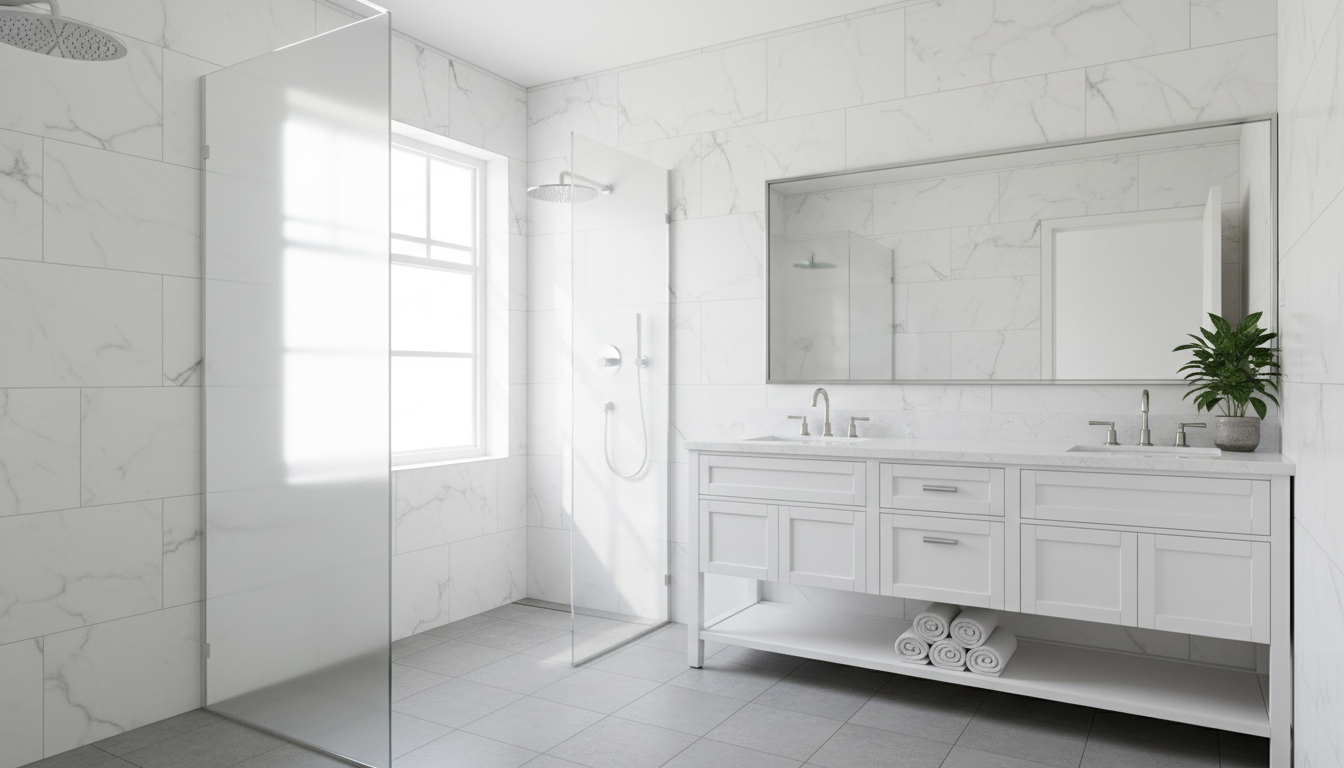
The discrepancy between wet rooms and dry rooms is where the home renovation cost per square foot Fort Worth average becomes most confusing for homeowners. In a dry area, such as a bedroom or a home office, your budget primarily covers surface level aesthetics like LVP flooring, baseboards, and fresh paint. These projects typically range from $25 to $50 per square foot because the infrastructure remains largely untouched.
In contrast, a kitchen renovation in Dallas or a bathroom remodel in Fort Worth involves dense layers of professional trades. You are not just paying for square footage; you are paying for licensed plumbers to reroute lines, electricians to install dedicated 20-amp circuits, and skilled installers for custom cabinetry and stone countertops. Because of this trade density, these rooms often soar to $250 or even $400 per square foot.
Room Type | Typical Scope | Estimated Cost per Sq. Ft. |
|---|---|---|
Dry Room (Bedroom/Living) | Paint, Flooring, Trim | $25 – $50 |
Wet Room (Kitchen/Bath) | Plumbing, Electric, Cabinets, Tile | $250 – $400+ |
Geography within the Metroplex also plays a role in these figures. In neighborhoods like Keller or Southlake, where luxury finishes like book-matched quartz and custom white oak cabinetry are the standard, the material costs alone can push the average higher. Even for investor property projects where we prioritize durability and speed, the wet area premium is unavoidable due to the fundamental requirements of waterproofing and code compliance. Understanding this gap is the first step toward building a budget that actually reflects the physical work being performed.
Local Factors Affecting Fort Worth Renovation Costs in 2026
While material prices fluctuate globally, the factors that truly swing a budget in North Texas are geological and regulatory. The defining characteristic of a bathroom remodel in Fort Worth or a whole home update is the expansive clay soil. This soil behaves like a sponge, expanding when wet and shrinking when dry, which leads to significant foundation movement. In many Tarrant County renovations, we find that the structure requires stabilization with steel or concrete piers before interior work can safely begin. This foundational correction can add $10,000 to $30,000 to the total cost, a variable that national averages simply cannot predict.
Permitting and labor also vary wildly within the Dallas-Fort Worth metroplex. Each city, from Arlington to Keller, operates its own building department with specific fee schedules and code interpretations. A project that requires plumbing and electrical updates will involve multiple inspections that add both time and cost to the administrative side of the budget. Furthermore, the local labor market in Tarrant County is currently shaped by high demand for specialized trades. The cost to secure a reliable, insured crew for investor property projects or custom remodels is often higher than state-wide averages suggest.
These regional specificities make generic online calculators useless; they fail to account for the physical reality of North Texas dirt and the specific regulatory landscape of our local municipalities. Accurate budgeting requires a localized understanding of these hidden structural and administrative hurdles that exist right here in the Metroplex.
How to Actually Estimate Your Fort Worth Remodel: The 30 Percent Rule and Beyond

Moving beyond regional variables requires a tactical approach to budgeting that ignores the generic home renovation cost per square foot Fort Worth data found online. A common starting point for many homeowners is the 30 percent rule; this suggests that your total renovation investment should not exceed 30 percent of the current market value of your home if you intend to maintain a positive return on investment. For example, a house in Aledo valued at $500,000 would have a renovation ceiling of approximately $150,000 to remain financially sound for resale.
While the 30 percent rule provides a ceiling, a Bottom-Up framework provides the floor. This method builds a budget based on physical requirements rather than theoretical averages.
Phase | Action Item | Local Consideration |
|---|---|---|
1. Define Scope | List every fixture, appliance, and structural change. | Avoid vague descriptions like 'update bathroom' to prevent scope creep. |
2. Price the Big Three | Secure firm quotes for the Kitchen, Master Bath, and Flooring. | These areas consume the majority of the budget and labor hours. |
3. Contingency Fund | Set aside 15% to 20% of the total estimate. | Essential for addressing Tarrant County foundation shifts or hidden plumbing leaks. |
This framework shifts significantly for investor property projects or rental property turns. In these scenarios, the math focuses on rental yield and asset protection rather than personal aesthetic satisfaction. We prioritize speed and durability over custom millwork or designer lighting. An investor-focused bathroom remodel in Fort Worth prioritizes high-traffic materials like porcelain tile and standard-sized vanities that allow for quick installation and easy maintenance. In contrast, a custom kitchen renovation in Dallas for a primary residence may prioritize bespoke cabinetry and integrated appliances. Defining these priorities early ensures the budget remains disciplined and aligned with the intended exit strategy for the property.
Is 100,000 Dollars Enough to Renovate a House in Fort Worth?
Defining these priorities early ensures the budget remains disciplined, but many homeowners still ask if $100,000 is a sufficient starting point for their goals. In the current Tarrant County market, $100,000 is a substantial investment that requires narrow prioritization. This amount typically covers a high-end kitchen renovation in Dallas paired with a single primary bathroom remodel in Fort Worth, including professional labor and mid-to-high tier finishes. Alternatively, for a 2,000 square foot home, this budget can fund a comprehensive cosmetic refresh featuring premium LVP flooring, full interior paint, new baseboards, and updated lighting throughout the entire property.
However, it is vital to understand that $100,000 will not support a full gut-remodel of a mid-sized home. If your vision includes structural changes like removing load-bearing walls, relocating plumbing stacks, or correcting foundation issues, this budget will be exhausted long before the finishes are installed. This is why the generic home renovation cost per square foot Fort Worth data is often misleading; a $50 per square foot budget works for a cosmetic update, but it fails the moment you touch a sledgehammer to a wet area. For investor property projects, we use this budget to maximize durability and aesthetic appeal, but we always caution that structural integrity must come before custom millwork.
The Luxury of Communication: Why Reliable Project Management Saves Money
A budget is only as reliable as the project management behind it. In a market where "answering your phone" is frequently treated as a premium upgrade, we view professional oversight as a non-negotiable component of every project. The lowest bid for a kitchen renovation in Dallas often becomes the most expensive when poor coordination leads to extended timelines and scope creep. Every day a house sits empty during a bathroom remodel in Fort Worth is a day of lost value, especially for investor property projects where carrying costs are high.
Bridge & Build Renovations utilizes daily communication and structured timelines to eliminate the friction that drives costs up. We prioritize clear reporting and dependability because managing the sequence of trades is what keeps the home renovation cost per square foot Fort Worth homeowners expect from ballooning. By investing in organized management, you are not paying for a luxury; you are purchasing insurance against the expensive errors and delays common in unmanaged renovations.
Final Verdict: Renovation vs Buying New in the DFW Market
Deciding between a major update and purchasing new construction in 2026 depends on your preference for generic design versus custom value. In suburban hubs like Aledo and Burleson, new builds often lack the architectural character and larger lot sizes found in established neighborhoods. Choosing to execute a bathroom remodel in Fort Worth or a custom kitchen renovation in Dallas within an existing footprint typically yields a property with higher character and better long term resale potential.
While the total home renovation cost per square foot Fort Worth homeowners face can seem high initially, a managed renovation provides personalization that assembly line construction cannot match. For those managing investor property projects, controlling material quality and project flow ensures the finished home is built for longevity and modern living. Transforming an existing structure allows you to keep the location you love while upgrading the infrastructure to meet current standards.
Understanding the nuances of your Fort Worth home renovation helps you avoid common budgeting pitfalls. While square footage provides a rough starting point, the true cost depends on your unique vision and the specific details of your project. If you are looking for a team to help navigate these complexities and bring your dream to life, we are here to support you. You can learn more about our Full Service Renovation process to see how we manage every detail from start to finish.