
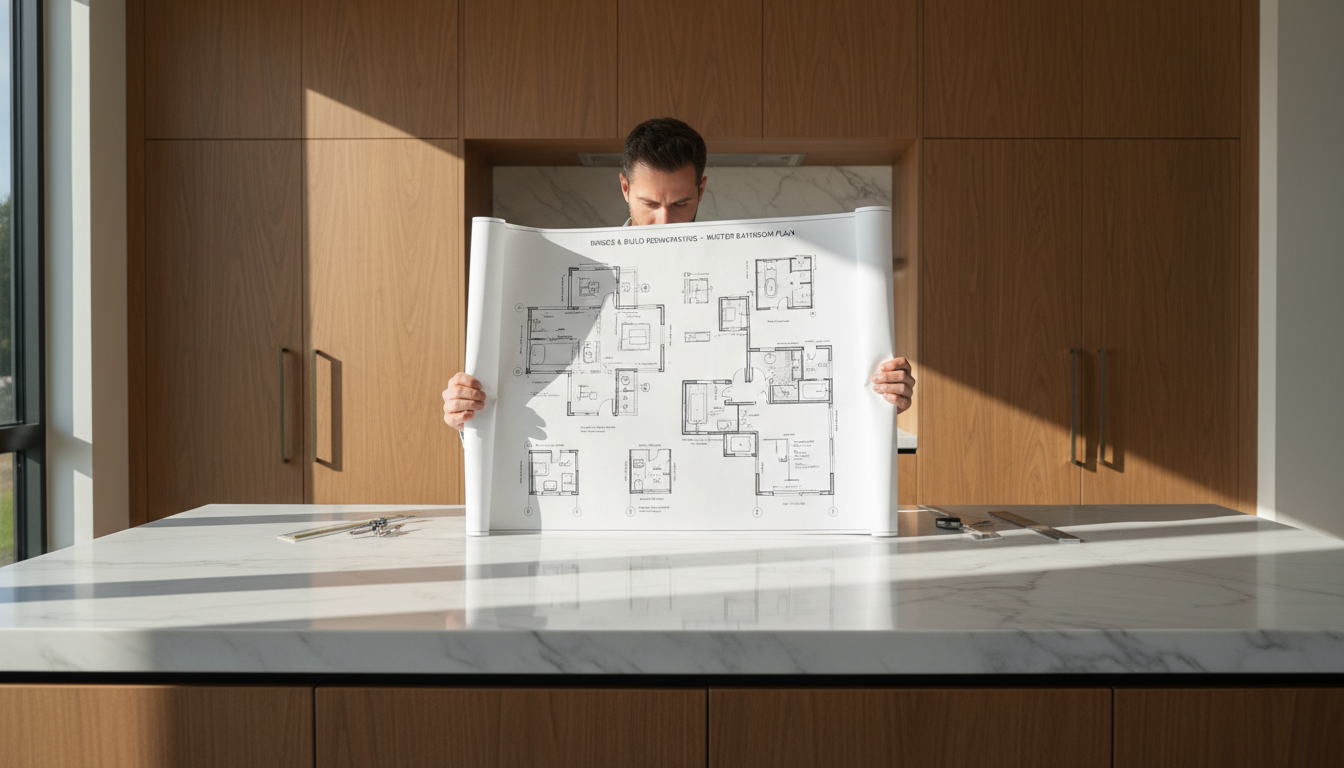
Professional water heater replacement Fort Worth typically costs between $900 and $1,800 depending on whether you choose a standard tank or a high efficiency tankless model. Systems generally require replacement every 8 to 12 years; however, proper maintenance of the anode rod and adherence to local plumbing codes can ensure long term performance and safety.
Nothing disrupts the flow of a high end bathroom renovation or a kitchen overhaul like an aging, inefficient water heater hidden in a cramped attic. In Fort Worth, where hard water and seasonal temperature swings place significant strain on local plumbing, selecting the right unit is far more than a simple utility decision; it is a vital structural investment. A standard replacement often overlooks the opportunity to reclaim valuable square footage or upgrade to a high performance system that complements a modern interior transformation. This guide explores the logistical nuances of water heater replacement within the context of a sophisticated remodel. You will learn about the cost differences between tank and tankless conversions, the strategic benefits of relocating units to the garage, and how to navigate the specific permit requirements and hard water challenges unique to Tarrant County.
Why Water Heater Replacement is a Critical Step in Your Fort Worth Remodel

When planning a high-end bathroom remodel in Fort Worth, most homeowners prioritize porcelain tile patterns and custom cabinetry. However, the water heater functions as the engine of the home; if it fails, the aesthetic upgrades lose their utility. A common oversight occurs when a client installs a luxury master shower featuring a multi-head rain system or a deep soaking tub, only to discover the existing 40-gallon tank runs cold before the experience is halfway finished.
Beyond performance, age is a critical risk factor. Standard tank units typically have a functional lifespan of 8 to 12 years. If your equipment is nearing a decade of service, ignoring it during a full-service home renovation is a high-stakes gamble. A sudden tank failure can result in catastrophic water damage, destroying the very flooring and custom millwork you just installed.
Proactively addressing a water heater replacement in Fort Worth during the construction phase is significantly more cost-effective than managing an emergency repair later. By integrating this upgrade into the project timeline, you avoid the premium rates of after-hours service calls and the logistical headache of cutting into finished walls to fix a preventable disaster. Properly sequencing this mechanical update ensures your new interior is protected from the start.
Water Heater Replacement Cost in Fort Worth: From Standard Tanks to Tankless Conversions
Understanding the financial investment is the next logical step in your renovation planning. In the North Texas market, price points vary significantly based on the chosen technology and your home’s existing infrastructure. For a standard 40 to 50 gallon atmospheric vent tank, a professional water heater replacement in Fort Worth typically ranges from $900 to $1,800. This estimate generally covers the unit, standard labor, and the disposal of the decommissioned tank.
System Type | Typical DFW Cost | Primary Installation Requirements |
|---|---|---|
Standard Tank | $900 – $1,800 | Direct swap; utilizes existing venting and gas lines |
Tankless Conversion | $3,500 – $5,500 | Gas line upsizing; new venting; electrical dedicated circuit |
Transitioning to a tankless system involves a more complex mechanical overhaul, which accounts for the higher price bracket of $3,500 to $5,500. Most high-efficiency tankless units require a larger gas supply to meet high BTU demands; this often necessitates upgrading a half-inch gas line to a three-quarter-inch line. Furthermore, these systems utilize specialized concentric or PVC venting that cannot be routed through old atmospheric chimneys. You must also factor in the cost of a licensed electrician to run a dedicated circuit for the unit’s control board and ignition.
Managing these moving parts is where our role as a general contractor becomes essential. For investor property projects or sophisticated home remodels, we coordinate the specialized plumbing and electrical subcontractors to ensure all infrastructure is ready simultaneously. This proactive management prevents the common construction bottleneck where a plumber arrives to install the unit only to find the necessary electrical work or gas line upgrades are incomplete. We keep the project on a structured timeline so your renovation stays on track.
Tank vs Tankless: Which is Right for Your Modern Interior Transformation:
Selecting the right system depends heavily on how you intend to use your square footage. In a standard full-service home renovation, space is often the most valuable asset. Traditional tanks require a significant footprint, often occupying a dedicated closet or a large corner of a utility room. By opting for a tankless unit, which is roughly the size of a carry-on suitcase and wall-mounted, you can reclaim that floor space. This is particularly beneficial in older homes where every square foot counts toward expanding a laundry room or adding a pantry.
For large families in communities like Keller or Southlake, the primary draw is the endless hot water feature. Unlike a 50 gallon tank that eventually depletes, a tankless system heats water on demand. This makes it a luxury upgrade for homes with high-flow fixtures or households where multiple showers run simultaneously. It eliminates the logistical planning of who showers when, providing a consistent experience that matches the expectations of a high-end bathroom remodel in Fort Worth.
Homeowners often encounter resistance from trade professionals, leading to the question: why are plumbers against tankless systems? The hesitation usually stems from the complexity of the installation and the necessity for ongoing care. Tankless units require precise gas pressure adjustments, specialized venting, and a commitment to annual descaling to prevent internal damage. Some high-volume installers avoid them because they prefer the speed and simplicity of a standard tank swap.
At Bridge & Build, we prioritize the architectural and functional needs of the project over what is easiest for the subcontractor. We evaluate your home’s layout to ensure that if you choose a tankless water heater replacement in Fort Worth, it is supported by the correct infrastructure and a maintenance plan that protects your investment. The goal is to match the mechanical system to your lifestyle, not the other way around.
Relocating Your Water Heater: Moving from Attic to Garage
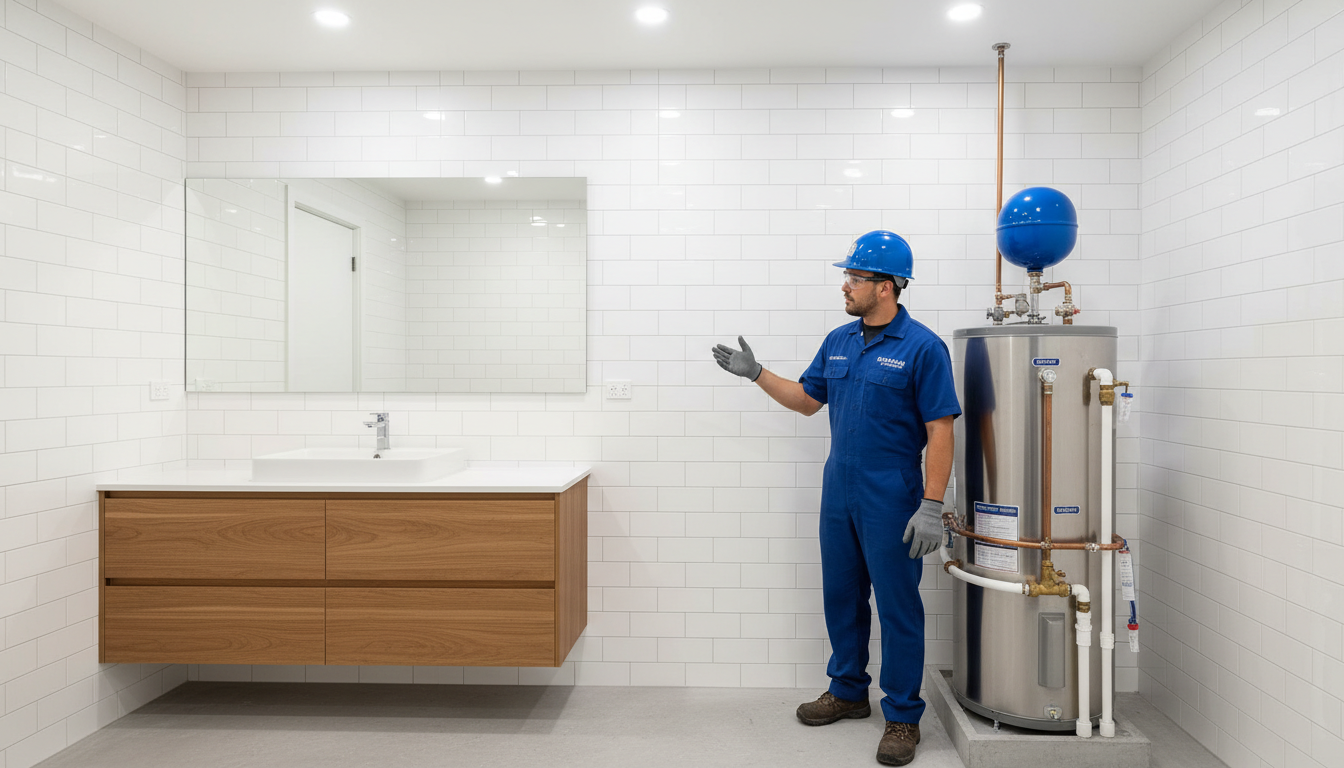
In the Dallas-Fort Worth metroplex, builders historically placed water heaters in the attic to maximize habitable square footage. While this layout keeps the garage clear, it presents a significant liability during a full-service home renovation. If a unit fails in the attic, gravity ensures that 50 gallons of water will travel through your ceiling, potentially destroying new insulation, LED lighting, and custom millwork. Relocating the unit to the garage or a dedicated utility closet is a standard upgrade for homeowners seeking long-term peace of mind.
Compliance with the Fort Worth Plumbing Code 2021 is a major driver for relocation. Current code mandates strict attic access parameters that many older DFW homes do not meet. For example, the water heater must be located within 20 feet of the attic access opening, and the pathway must consist of a continuous, solid catwalk at least 24 inches wide. If your current attic configuration requires technicians to crawl over joists or navigate tight spaces, the cost to retrofit the attic to meet modern safety standards often outweighs the cost of moving the unit entirely.
Relocating a water heater involves significant mechanical adjustments. Our team manages the rerouting of cold water supply lines, hot water distribution lines, and the extension of gas piping to the new location. While this process requires strategic drywall cuts and subsequent repairs, it removes the risk of a catastrophic leak hovering over your new kitchen. For a high-end bathroom remodel in Fort Worth, moving the mechanical equipment to a visible, accessible area like the garage ensures that future maintenance is performed correctly and leaks are spotted immediately.
The Texas Hard Water Factor: Protecting Your Investment from Scale
North Texas water is notoriously high in dissolved minerals, specifically calcium and magnesium. While this is a common regional characteristic, it is also a primary cause of premature mechanical failure. In many Fort Worth neighborhoods, the heavy mineral load can reduce the expected 12 year lifespan of a water heater down to just five or six years. As sediment settles at the bottom of a tank, it creates a thermal barrier. This layer of scale acts as an unintended insulator between the heating element and the water, forcing the unit to run longer and hotter to reach the desired temperature. This inefficiency directly correlates to higher monthly energy bills and increased stress on the tank’s structural integrity.
For homeowners opting for a high-efficiency tankless system as part of a full-service home renovation, water quality management is not optional. Tankless units utilize compact heat exchangers with narrow internal pathways that are highly susceptible to scale blockages. In fact, most manufacturers require the installation of a water softener or a dedicated scale inhibitor to maintain the product warranty in areas with hard water like Tarrant County. When we manage a water heater replacement in Fort Worth, we evaluate the local water hardness to ensure the new system is paired with the necessary filtration. Protecting the internal components from scale is the only way to ensure your mechanical investment lasts as long as your new interior.
Renovation Sequencing: When to Schedule Your Water Heater Upgrade

Properly timing a water heater replacement in Fort Worth requires integration into the rough-in phase of the plumbing schedule. This is the period when walls are open and the home’s skeletal infrastructure is accessible. If your full-service home renovation involves converting to a tankless unit or relocating the system, these structural changes must happen before the insulation and drywall crews arrive. Waiting until the finish phase, when cabinetry is being installed and walls are freshly painted, is a tactical error. Retrofitting a new gas line or vent stack at that stage requires expensive demolition of the work you just paid to finish.
For investor property projects, efficiency is built on sequence. A tankless upgrade is not a standalone plumbing task; it is a multi-trade operation. The plumber requires a specific gas pressure and vent orientation, while the electrician must provide a dedicated circuit to power the unit's control board and ignition. At Bridge & Build, we manage this overlap by scheduling the mechanical trades and city inspectors in a tight window. This prevents the project from stalling and ensures the system is fully operational and inspected before we move into the aesthetic side of the bathroom remodel in Fort Worth. Managing these dependencies early protects your budget from late-stage change orders and keeps the construction timeline predictable.
Permits and Code Compliance in Tarrant County
Texas law and municipal codes across Tarrant County are clear; you absolutely need a permit for a water heater installation. In cities like Fort Worth, Arlington, Benbrook, and Aledo, any water heater replacement Fort Worth homeowners commission must undergo a professional inspection. These safety checks focus on high-risk mechanical points, specifically proper gas venting to prevent carbon monoxide issues and the correct routing of Temperature and Pressure (T&P) relief valves.
As part of our oversight for investor property projects and full-service home renovation work, Bridge & Build manages the entire permitting and inspection sequence. This professional documentation ensures your property remains fully insurable and provides the necessary proof of code compliance for a smooth future home sale. Skipping this step often creates significant hurdles during a real estate transaction, as buyers and inspectors will flag unpermitted mechanical work.
Upgrading your water heater is a vital step in maintaining a modern, efficient home in Fort Worth. Whether you are seeking lower utility costs or a more strategic layout, the right equipment makes a lasting difference. If you want expert help integrating these mechanical updates into a larger home improvement project, our team is ready to assist. You might consider our Full Service Renovation options to ensure your plumbing, layout, and design work together seamlessly for years to come.