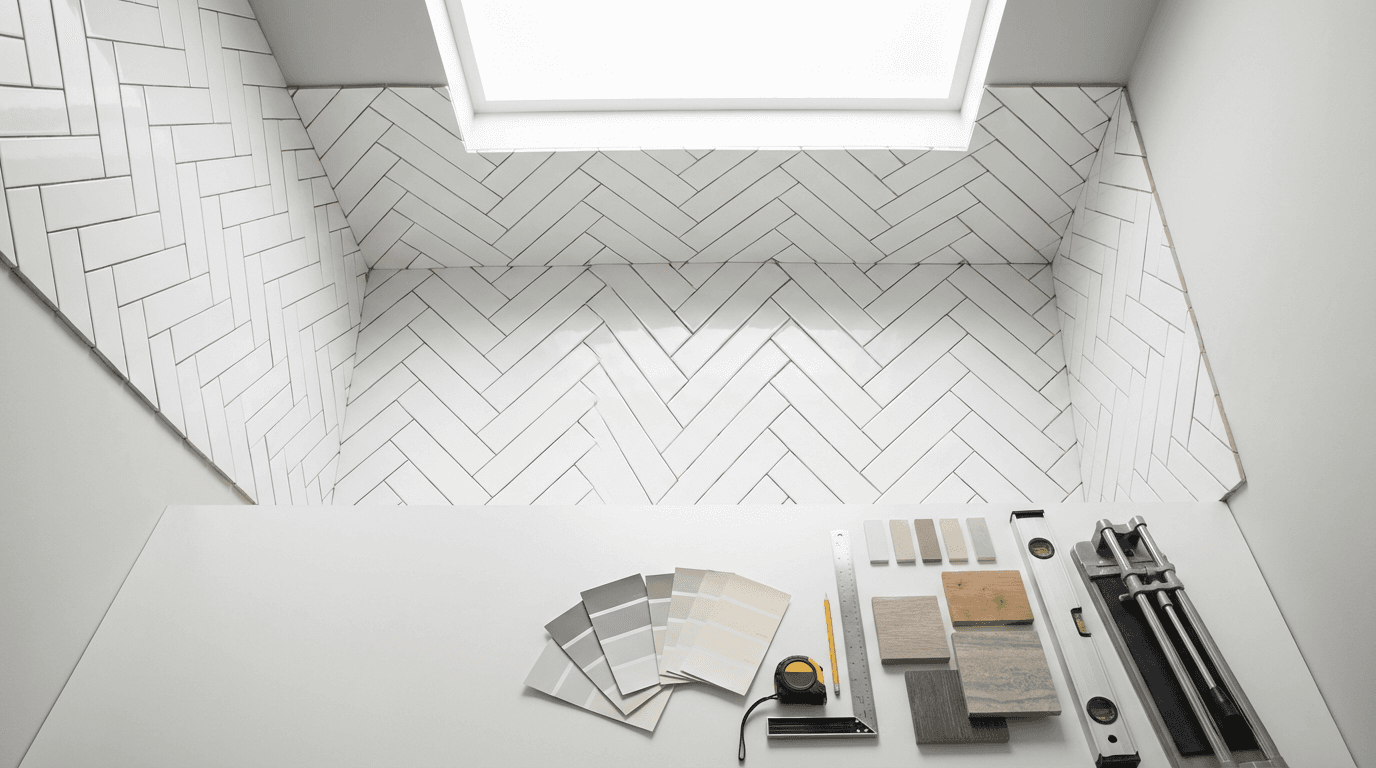

Professional trim and finish carpentry Fort Worth provides the essential final touches for home renovations, including custom crown molding, baseboards, and cabinetry installations. Skilled local craftsmen typically charge an average of sixty dollars per hour to deliver high end results that enhance property value; meanwhile, specialized molding projects often range from fourteen to twenty two dollars per linear foot.
A remodel can feel nearly finished yet somehow lack that polished, professional look that distinguishes a luxury home from a standard renovation. In Fort Worth, many homeowners struggle with visible gaps in crown molding or uneven baseboards that undermine an otherwise beautiful project. These finishing touches are not merely decorative; they are the architectural signatures that define the quality and longevity of your living space. At Bridge & Build Renovations, we understand that precision in the final stage is what truly elevates a property. In this guide, we will explore the essential elements of trim work, including modern baseboard trends and the strategic sequencing of your project. You will also learn about local DFW cost expectations and how expert finish carpentry serves as a high-return investment for both long-term homeowners and savvy real estate investors.
The Difference Between Rough and Finish Carpentry in Fort Worth
Rough carpentry is the structural skeleton of a project, focusing on framing, load-bearing headers, and subfloors that are ultimately hidden behind drywall. It requires absolute precision for safety and code compliance, but it lacks the visual refinement of the final stage. Finish carpentry is the aesthetic skin that covers these structural elements. It is the visible craftsmanship that defines the interior’s character; it hides gaps where different materials meet and adds architectural interest.
A common question we hear during investor rehabs or residential projects is whether there is a difference between a trim carpenter and a finish carpenter. While these terms are frequently used interchangeably in the local industry, finish carpentry is the broader umbrella. Trim carpenters specifically handle moldings like baseboards and window casings, whereas a finish carpenter may also tackle complex tasks like built-ins and custom fireplace surrounds.
In the North Texas market, the execution of this layer determines the perceived quality of a project. A Fort Worth bathroom remodel only feels high-end when the miters are tight and the transitions are seamless. This final phase is what distinguishes a professional, project-managed whole-home update from a project that looks like it was completed by an amateur over a long weekend.
Essential Elements of Trim and Finish Carpentry Fort Worth Homeowners Should Know
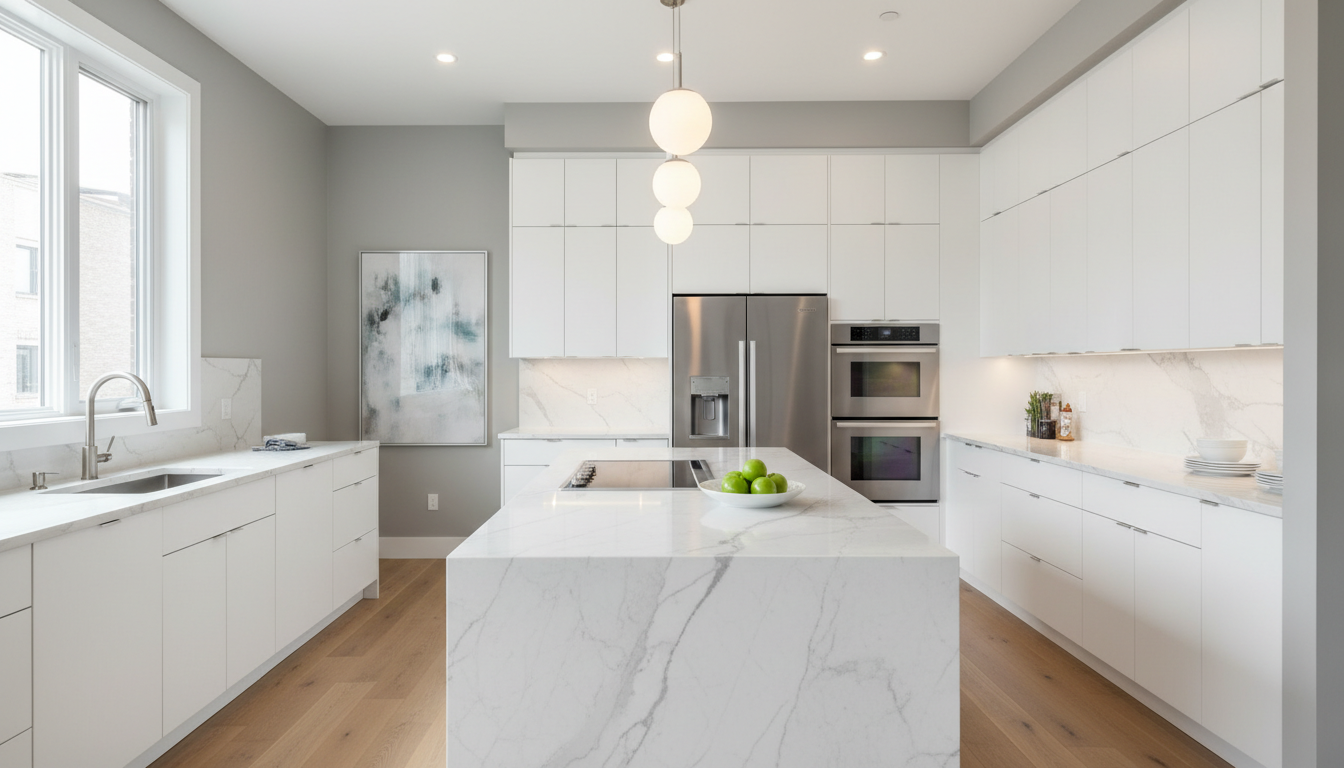
Understanding the core components of trim and finish carpentry Fort Worth homeowners encounter during a renovation is essential for making informed design decisions. These elements serve dual roles; they provide a polished look while performing critical protective functions for the home's infrastructure.
Element | Primary Purpose | Modern DFW Trend |
|---|---|---|
Baseboards | Protects drywall from foot traffic and vacuums. | Shift from ornate profiles to 5 to 7 inch flat-stock or Shaker styles. |
Crown Molding | Bridges the gap between walls and ceilings; hides settlement cracks. | Clean, simple profiles; often omitted in ultra-modern designs for a shadow gap look. |
Casings | Frames doors and windows to hide the gap between the frame and drywall. | Wide, flat casings that match the baseboard profile for a unified look. |
Wainscoting | Provides durable wall protection and architectural depth. | Box molding or vertical slat styles in high-traffic hallways and dining rooms. |
Baseboards are perhaps the most vital component in any whole-home updates. Beyond their aesthetic value, they serve as a sacrificial barrier for your drywall against vacuum cleaners and daily wear. In recent Southlake and Keller projects, we have seen a significant departure from traditional 3-inch colonial profiles toward taller, flatter boards that emphasize height and clean lines.
Crown molding remains a staple for traditional North Texas homes, effectively softening the transition where the wall meets the ceiling. While it adds a layer of sophistication, its practical use is to hide the inevitable small gaps or uneven lines that occur during the framing process. For a Fort Worth bathroom remodel, moisture-resistant materials are selected for these applications to prevent warping over time.
Window and door casings provide the structural frame for your interior openings. High-quality casings ensure that the transition from the wall to the door jamb is seamless. In many modern transformations, homeowners are opting for simple square-edge casings that avoid the dust-collecting grooves found in older, more ornate styles. Chair rails and wainscoting continue to be popular in dining rooms and entryways, providing a durable surface that withstands the impact of furniture while adding significant visual weight to the room.
Modern Baseboard Trends and the 7 Percent Rule
Choosing the right height for baseboards is a detail that separates professional whole-home updates from standard repairs. Many homeowners and landlords ask, "What is the 7% rule for baseboards?" This architectural guideline suggests that baseboard height should represent approximately 7% of the total wall height to maintain visual balance. For example, a room with 10-foot ceilings (120 inches) justifies an 8-inch or 9-inch baseboard, while a standard 8-foot ceiling is best served by a 6-inch to 7-inch profile. Adhering to this rule prevents the trim from appearing undersized, which can make a high-end renovation look cheap and unfinished.
When considering what baseboards are popular now, the DFW market is seeing a massive shift toward "flat stock" and Shaker-style profiles. While traditional colonial trim with its rounded edges and multiple grooves was the standard for decades, modern transformations in areas like Keller and Southlake now favor clean, 90-degree angles. These flat profiles offer a minimalist aesthetic that complements both contemporary and transitional designs. They also provide a practical benefit for investor rehabs; simpler profiles are easier to paint, easier to clean, and less prone to looking dated.
Selecting the correct proportions is vital because baseboards act as the visual foundation for a room. In a Fort Worth bathroom remodel, using a taller, flat-stock baseboard can make a small space feel more expansive and grounded. We work with our clients to select materials that honor the home’s existing architecture while ensuring the new trim reflects the durability and clean lines required for modern living.
The Strategic Sequencing: When Does Finish Carpentry Happen?
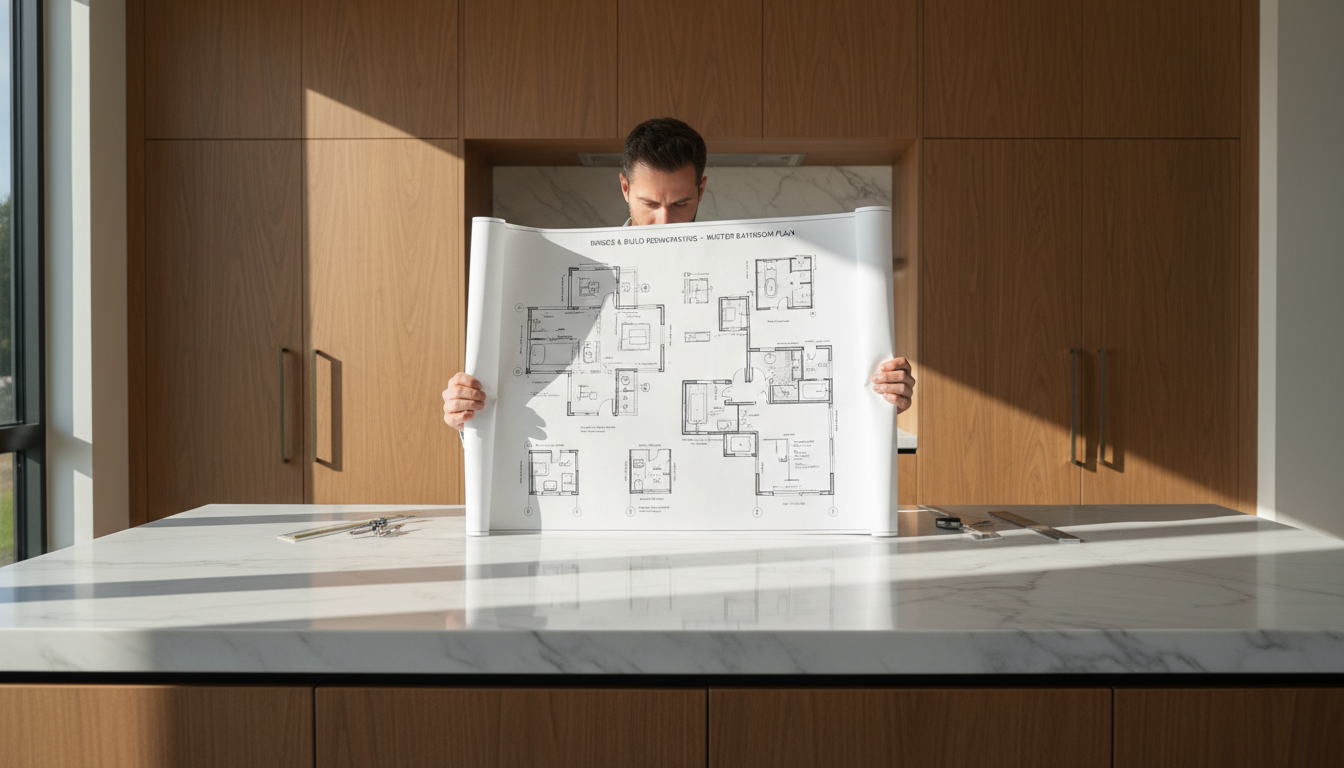
Successful whole-home updates rely on a predictable sequence of events to ensure a clean final product. Trim and finish carpentry Fort Worth projects typically begin once the drywall is fully taped, bedded, and sanded. Installing moldings before the drywall dust has settled creates a maintenance nightmare, as fine white powder adheres to every caulk line and wood grain. By waiting until the walls are smooth, our teams ensure the trim provides a crisp, clean border against the finished surface.
A frequent point of confusion in investor rehabs is the relationship between baseboards and flooring. For modern installations involving Luxury Vinyl Plank (LVP), laminate, or engineered hardwoods, we prioritize installing the flooring before the baseboards. These floating or nailed floors require a small expansion gap at the perimeter to prevent buckling during North Texas humidity shifts. Placing the baseboard on top of the finished floor naturally hides this gap; this eliminates the need for dated quarter-round or shoe moldings that can clutter the design.
In a Fort Worth bathroom remodel, the sequence remains similar for tile, though the baseboard must sit flush against the tile surface. Once the trim is installed, the project moves into the prep and paint phase. This involves filling nail holes with wood putty and sealing the transition between the wood and the wall with high-quality caulk. Completing these steps after installation but before the final coat of interior paint ensures the seams disappear, resulting in the integrated, high-end look that defines professional project management.
Trim and Finish Carpentry Costs in the DFW Metroplex
Once the project timeline and sequencing are established, the budget becomes the primary focus for any property owner. Budgeting for trim and finish carpentry Fort Worth projects requires a clear understanding of the split between professional labor and material selections. In the North Texas market, specialized labor for finish work typically averages $60 per hour. This rate reflects the high level of skill required for precise mitering and scribing, which ensures tight joints and minimizes the need for wood filler or heavy caulking.
Material choice significantly impacts the total invoice. For investor rehabs, Medium Density Fiberboard (MDF) is the standard for paint-grade trim because it is cost-effective and does not warp with North Texas humidity shifts. Traditional residential whole-home updates often utilize primed pine for a balance of durability and finish quality, while luxury projects may demand solid hardwoods.
Material Type | Estimated Material Cost per LF | Best Use Case |
|---|---|---|
MDF | $1.00 - $3.00 | Rental turns, secondary bedrooms, painted trim. |
Finger-Jointed Pine | $2.50 - $5.00 | Standard residential remodels, paint-grade durability. |
Hardwood (Oak/Walnut) | $8.00 - $20.00+ | Luxury custom homes, stain-grade features. |
Homeowners frequently ask how much contractors charge to install crown molding. In the DFW metroplex, labor usually ranges from $6 to $12 per linear foot for standard ceilings. However, vaulted ceilings or rooms with more than four corners increase the labor time, pushing costs higher. When specifying custom profiles or intricate stacked moldings, material and labor combined can reach $20 per linear foot. A Fort Worth bathroom remodel might have a higher per-foot cost due to the tight working quarters and the necessary precision around cabinetry and tile transitions.
Finish Carpentry for Investors: Durable Solutions for Rental Turns

Real estate investors in the DFW metroplex require trim and finish carpentry Fort Worth solutions that prioritize durability and long-term maintenance over pure ornamentation. In investor rehabs, the objective is to create a clean, modern aesthetic that withstands tenant turnover. One of the most effective strategies we implement for property managers is the standardization of trim packages. By using a consistent 5 inch or 6 inch flat-stock profile across an entire portfolio, landlords can stock a single material for repairs, ensuring that patches or replacements during a turn are seamless and cost-effective.
Material selection is equally critical for the longevity of the asset. While standard MDF is suitable for bedrooms, we advocate for moisture-resistant (MR) MDF or PVC trim in a Fort Worth bathroom remodel or kitchen renovation. These materials resist the swelling and wicking common in high-traffic rentals, protecting the home's value from water damage at the floor level. During whole-home updates, opting for simple, clean lines rather than ornate grooves reduces the time spent on prep and painting during vacancies. This focus on durability and standardized execution keeps maintenance crews moving efficiently and ensures every unit reflects the high standard of a professional project management approach.
Why Quality Trim Work Impacts Your Fort Worth Home Value
Homeowners often ask, "How much does crown molding add to house value?" While appraisers rarely assign a fixed dollar amount to specific trim profiles, the return on investment manifests in the speed of sale and the final offer price. In the competitive North Texas real estate market, the finish is the first thing a buyer notices upon walking through the front door. High-quality trim and finish carpentry Fort Worth homeowners invest in acts as a visual shorthand for the overall integrity of the property.
Conversely, sloppy miters, visible nail heads, or large gaps filled with excessive caulk signal poor craftsmanship. If the visible details are neglected, buyers and inspectors naturally worry about the quality of the hidden infrastructure, such as the plumbing or electrical work. Professional execution creates a luxury atmosphere that distinguishes whole-home updates from basic maintenance.
Aspect of Trim | Impact on Buyer Perception | Value Driver |
|---|---|---|
Tight Miters | Suggests precision and attention to detail. | Confidence in structural quality. |
Balanced Proportions | Makes rooms feel taller and more intentional. | Perceived square footage increase. |
Clean Transitions | Provides a seamless flow between rooms. | Professional, high-end aesthetic. |
Prioritizing the final 5% of the project ensures the renovation feels complete and deliberate. This level of oversight is standard for investor rehabs and custom Fort Worth bathroom remodel projects alike. A polished result justifies a higher price point and positions the property as a premium offering in any North Texas neighborhood.
The right trim and finish carpentry provide the essential polish that defines a high-quality remodel. These final details create a cohesive look that truly transforms your living space into a home. While small updates make a difference, achieving professional results often requires a steady hand and specialized tools. If you are ready to bring this level of craftsmanship to every room, consider starting a Full Home Renovation with our dedicated team. We focus on every detail to ensure your vision becomes a reality.