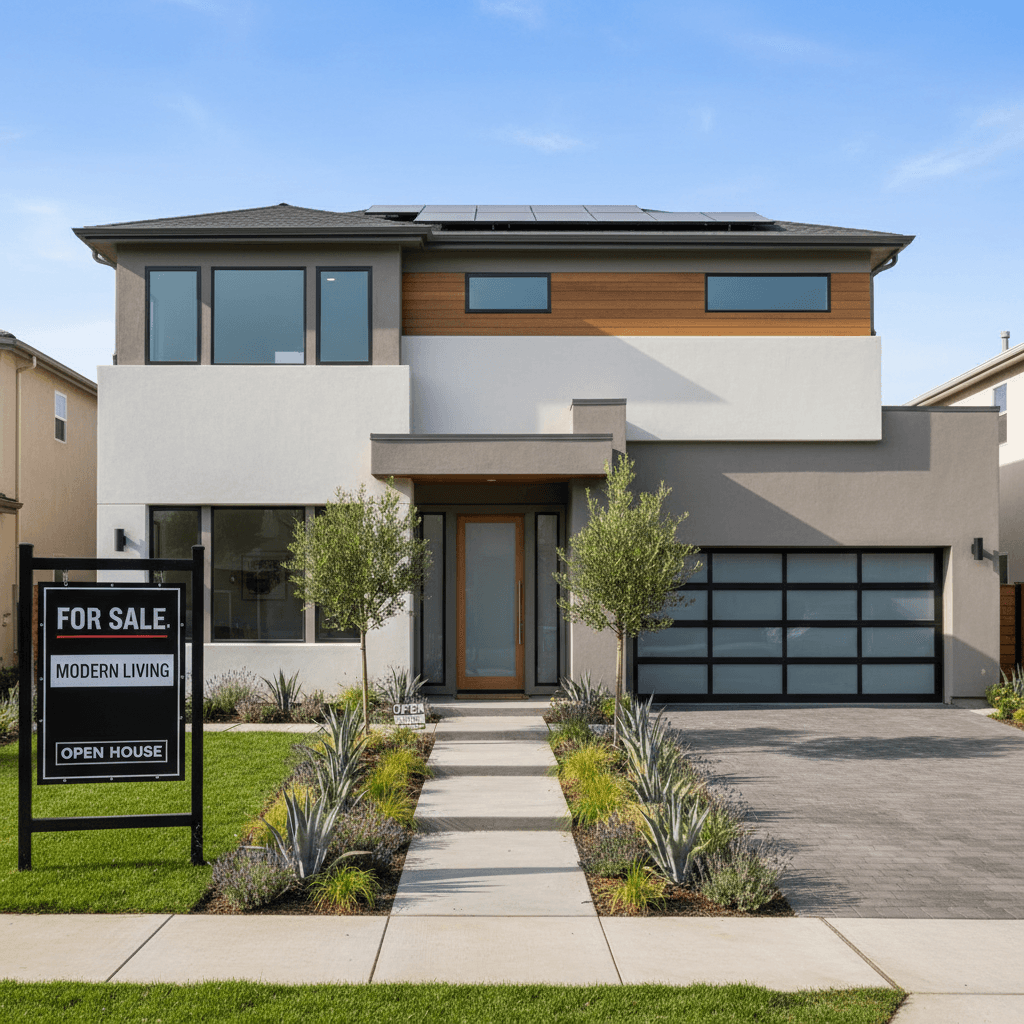
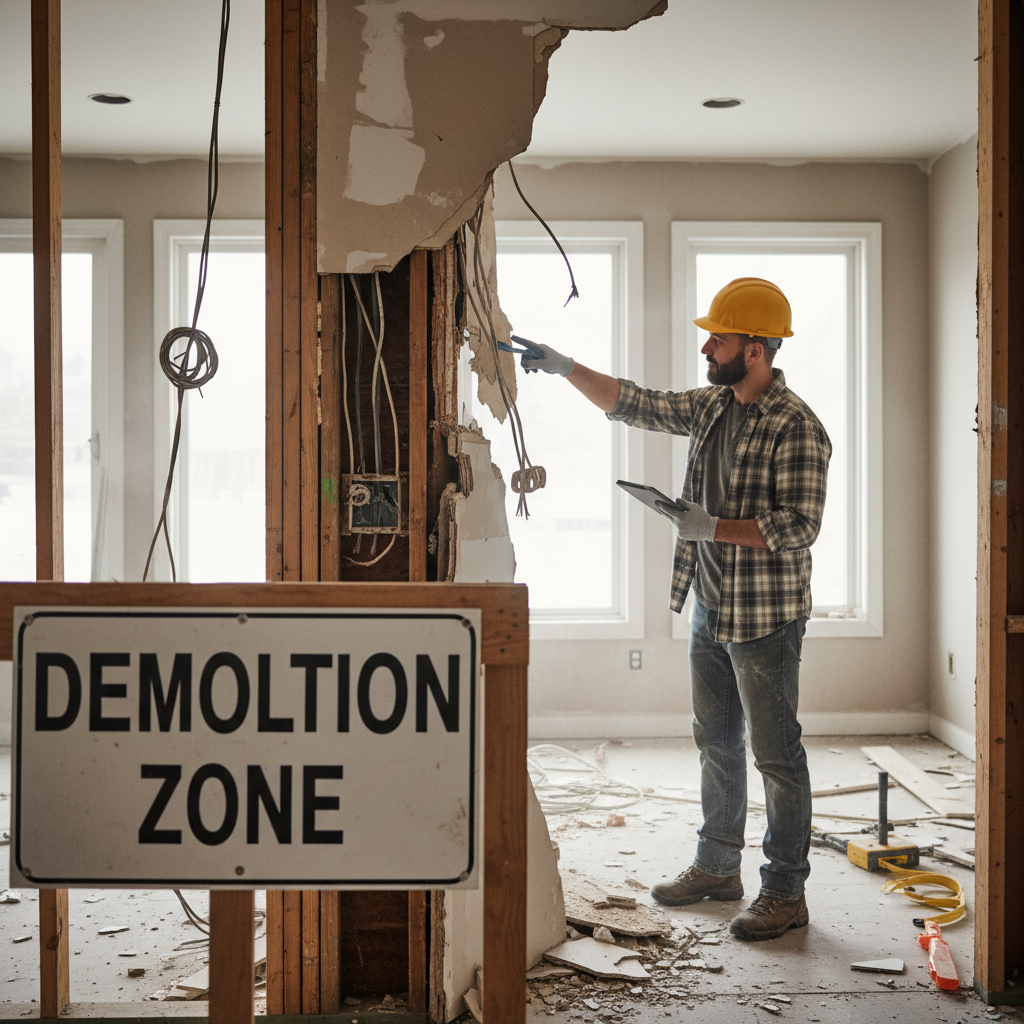
Professional subfloor repair Fort Worth ensures a level, stable foundation that prevents squeaks and structural issues before new flooring is installed. Homeowners typically spend between $500 and $2,000 for these repairs, or approximately $1 to $3 per square foot, depending on the extent of damage and leveling needs. Addressing these underlying problems protects your investment and guarantees the longevity of your new floors.
Nothing ruins the excitement of a new flooring installation quite like the discovery of a soft spot, a persistent squeak, or an uneven slope that threatens your investment. In Fort Worth, the combination of expansive clay soil and aging residential structures means your subfloor often needs more attention than a simple sweep before the new planks go down. Ignoring these structural issues now leads to cracked tiles and separating floorboards later. At Bridge and Build Renovations, we prioritize the integrity of the substrate to ensure every remodel stands the test of time. This guide explores the unique challenges of subfloor repair in North Texas; we cover everything from wood joist restoration in historic homes to concrete leveling for modern slabs. You will also learn about budgeting for these essential repairs and how to identify the warning signs of damage before your project begins.
Why Your New Floors Are Only as Good as the Subfloor Underneath
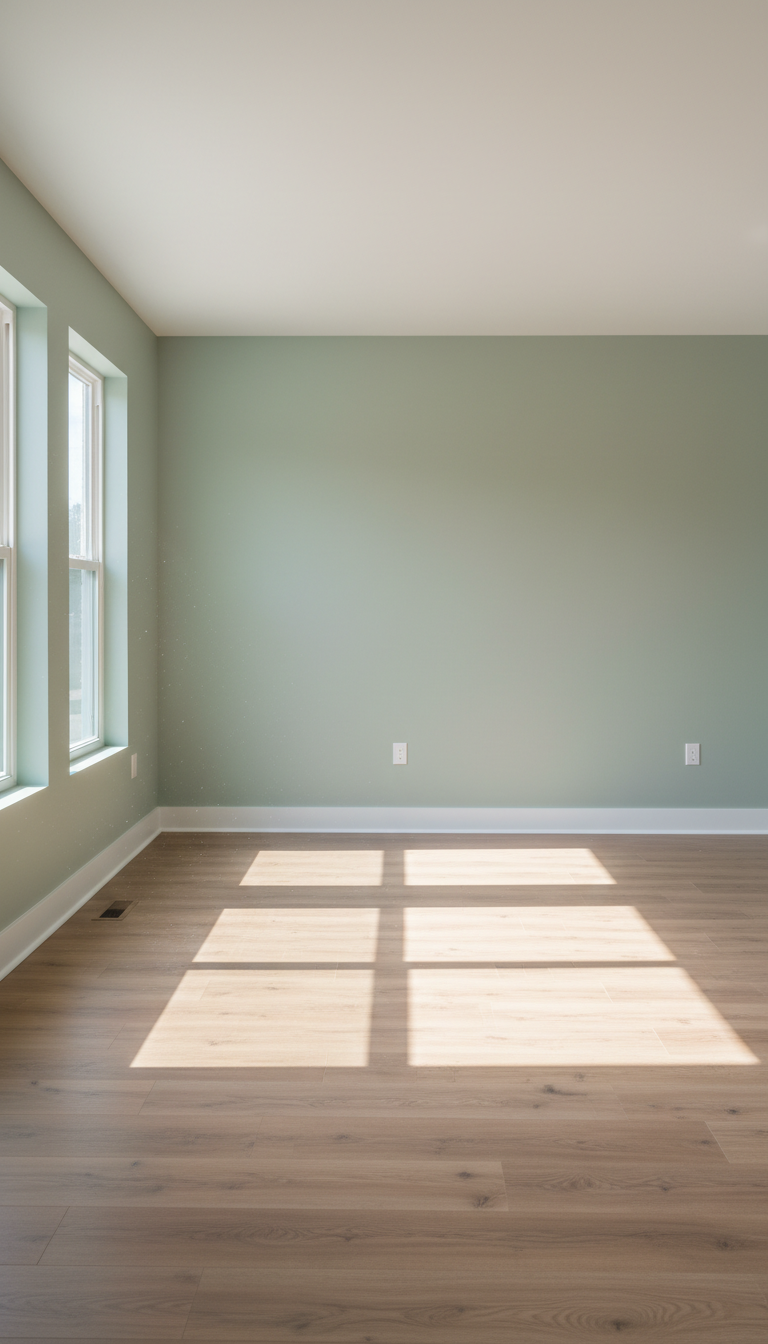
You can spend thousands of dollars on European white oak or top-tier luxury vinyl plank, but that investment is only as durable as the surface beneath it. A high-end floor installed over a compromised base will eventually fail, leading to separated seams, annoying squeaks, and structural fatigue. In our experience as a Fort Worth general contractor, skipping subfloor prep is the single most common mistake made during North Texas renovations.
At Bridge & Build Renovations, we believe that a quality finish starts where no one can see it. While homeowners often view showing up on time as a luxury in the construction industry, we view proper subfloor preparation as a standard, non-negotiable requirement. Our team prioritizes a level and stable foundation for every investor rehab project and full home renovation.
Ignoring the need for subfloor repair Fort Worth property owners often encounter leads to floor failure. In these cases, even the most expensive materials lose their warranty and aesthetic value. Professional prep usually adds a predictable $1 to $3 per square foot to a project budget; this small upfront investment prevents the astronomical cost of ripping everything out three years later because of a dip in the slab or a rotten joist.
The Unique Challenges of Subfloor Repair in North Texas
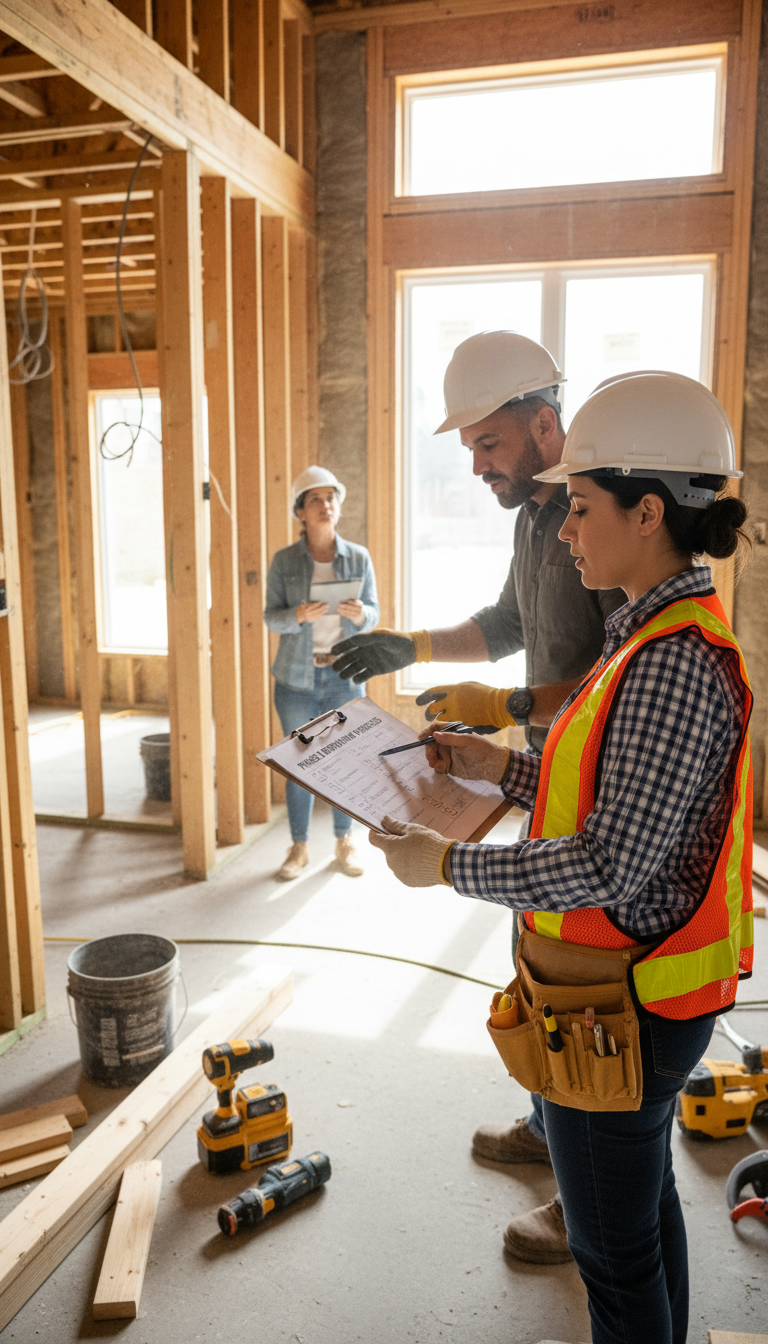
North Texas presents a specific set of geological hurdles that national flooring guidelines often overlook. The Dallas-Fort Worth metroplex sits atop expansive clay soil, which is particularly volatile in areas like Aledo, Southlake, and Keller. This soil acts like a heavy sponge; it expands significantly during rainy seasons and shrinks drastically during North Texas droughts. This constant subterranean movement leads to foundation shifting, which transmits structural stress directly to your home’s subfloor.
The type of repair required depends heavily on the age and construction of the property. Newer builds typically utilize slab-on-grade concrete. When these slabs shift, they often develop heaving or settling cracks that create uneven ridges across a room. In contrast, older Fort Worth neighborhoods like Fairmount or Riverside are characterized by pier and beam foundations. These wood subfloors are susceptible to settling piers, which cause sloping, and moisture issues stemming from poor crawlspace ventilation.
Our local climate also introduces significant moisture challenges. High humidity levels can lead to condensation on concrete slabs or moisture absorption in plywood subfloors, causing them to delaminate or rot. As a Fort Worth general contractor, we frequently address these issues during investor rehab projects where previous quick fixes ignored the underlying soil dynamics. Successful subfloor repair Fort Worth homeowners can rely on requires more than just a level; it requires an understanding of how Texas clay and humidity interact with your specific foundation type. Ensuring a stable base during a full home renovation is the only way to protect your investment from the inevitable shifts of the North Texas landscape.
Signs You Need Subfloor Repair Before Your Remodel
Identifying a failing subfloor requires a combination of what you see, feel, and hear before the old flooring is even removed. A common question we encounter during a full home renovation is whether squeaky floors indicate structural damage. While most squeaks result from simple wood-on-wood friction or a nail that has loosened over time, they can also signal deeper issues. If a squeak is accompanied by a groan or a physical shift underfoot, it often points to joist movement or subfloor rot that needs immediate attention.
Specific symptoms that necessitate subfloor repair Fort Worth homeowners should watch for include:
Bouncy or "Spongy" Spots: A floor that deflects when you walk across it suggests the plywood has delaminated or the joists are compromised.
Visible Dips and Crowning: In older pier and beam homes, significant sloping or high ridges usually indicate settling piers that require leveling.
The Hollow Echo: On concrete slabs, a hollow sound when tapped suggests a void beneath the surface or delamination of the top layer of concrete.
Addressing these defects is critical for the longevity of modern materials. Current click-lock flooring systems are engineered with tight tolerances. If installed over an uneven surface, the constant deflection from foot traffic will eventually snap the fragile locking tongues, leading to separated seams and a total floor failure long before the material itself wears out.
Wood Subfloor Repair for Older Fort Worth Homes

Older homes in neighborhoods like Fairmount or Riverside often feature pier and beam foundations with plywood or oriented strand board (OSB) subfloors. When we begin a full home renovation, the most common wood subfloor issue we find is localized rot, particularly around toilets and bathtubs where slow leaks have persisted for years. To perform a lasting subfloor repair Fort Worth homeowners can trust, the process involves cutting out the compromised material back to the center of the nearest healthy joist. This provides a solid landing for the new patch and ensures the new material is fully supported.
If the underlying joist shows signs of decay or sagging, we implement sistering. This involves bolting a new, structural member alongside the existing joist to restore load-bearing integrity. As a Fort Worth general contractor, we move away from the industry-standard nail gun approach for these repairs. Instead, we utilize a screwed and glued method. Applying a high-strength subfloor adhesive to the joists before driving screws prevents the wood-on-wood movement that creates chronic squeaks. We follow a strict fastening pattern, typically six inches apart on the seams and twelve inches in the field. This level of detail is standard for our investor rehab projects because it ensures the new flooring stays silent and secure for the long term.
Concrete Subfloor Leveling and Prep for Modern Slabs
Concrete slabs are the backbone of newer residential construction in Arlington and Keller, but they are rarely ready for flooring straight out of the gate. A slab may look stable, yet a six foot straightedge often reveals significant peaks and valleys. For a successful subfloor repair Fort Worth project, we focus on achieving the industry standard: a floor flat within 1/8 inch over a six foot span. This precision is non-negotiable for large-format tile and modern luxury vinyl plank (LVP), where even minor deviations lead to cracked grout or separated click-lock joints.
Our process involves two distinct phases. First, we identify and grind down high spots using specialized diamond cup grinders to remove ridges and heaves. Second, we address low spots by applying a high-flow, self-leveling underlayment that creates a glass-smooth surface. Before any material is applied, we conduct moisture testing, a step frequently ignored by volume-driven competitors. Because concrete is porous, it can wick moisture from the Texas soil, leading to delamination or mold growth. Ensuring a dry, flat slab is a core component of how we manage investor rehab projects or a full home renovation. By treating the slab as a structural canvas rather than just a base, we ensure your new interior transformation lasts for decades.
Subfloor Repair Cost Fort Worth: What to Expect in Your Budget
Pricing for subfloor work in North Texas is rarely a flat fee; it scales based on the severity of the underlying issues discovered during demolition. For standard leveling on a concrete slab or basic stabilizing of a wood subfloor, homeowners should budget between $1 and $3 per square foot on top of the material installation cost. This investment ensures the surface meets the tight tolerances required for the warranties of modern luxury vinyl or hardwood.
In moisture-prone areas like bathrooms, the scope often shifts from leveling to structural replacement. Localized subfloor repair Fort Worth property owners frequently encounter around toilets or tubs typically ranges from $500 to $2,000. This range covers the removal of rotten materials and the necessary sistering of joists to restore structural integrity.
Because subfloor conditions remain hidden until the existing floor is removed, a professional full home renovation contract must include a transparent process for handling "hidden defects." We address this by defining repair costs for investor rehab projects and residential remodels upfront. When a Fort Worth general contractor uses structured change orders or pre-defined repair rates, it eliminates budget friction and keeps the project moving without delay.
The Investor Advantage: Speed and Efficiency in Subfloor Prep
Real estate investors operate on a timeline where every day of vacancy erodes the bottom line. For these clients, subfloor prep is about mitigating risk and ensuring longevity without over-engineering the solution. When we manage investor rehab projects, our assessment focuses on identifying red flag issues, like moisture rot or significant floor deflection, within the first 48 hours of demolition. This proactive approach prevents the mid-project stall that often happens when an inexperienced crew discovers a soft spot two weeks into the schedule.
There is a distinct difference between the precision required for a high-end full home renovation and the requirements for a rental turn. While a custom home might demand an absolute level surface for wide-plank hardwood, a rental property requires a stable, flat base that ensures durable luxury vinyl plank won't separate under high tenant traffic. As a Fort Worth general contractor, we prioritize structural stability and moisture protection to prevent future maintenance calls. This strategic subfloor repair Fort Worth landlords rely on balances rapid execution with the ruggedness needed for long-term property performance.
Frequently Asked Questions About Subfloor Restoration
Fixing squeaky floors without removing the existing surface is rarely a permanent solution. While some retail kits claim to stop noise from above, they often fail to address the underlying loose joists or delaminated wood. For a lasting full home renovation, true silence requires securing the subfloor directly to the framing with professional grade adhesives and fasteners.
Homeowners frequently ask if the subfloor repair Fort Worth property owners invest in adds actual market value. While it is an invisible upgrade, a stable subfloor acts as essential insurance for your finish materials. It prevents the premature failure of expensive hardwoods or tile; this protects the overall appraisal and longevity of the home renovation.
Deciding between localized repair and full replacement often comes down to the 30 percent rule. If more than 30 percent of the panels show signs of rot, significant dipping, or water damage, a total replacement is usually more cost-effective. As a Fort Worth general contractor, we use this threshold during investor rehab projects to ensure the structural base remains sound for decades of use.
Ensuring your subfloor is level and structurally sound is the most important step in any flooring project. A solid foundation prevents future issues and keeps your home beautiful for years to come. If you want expert help managing these technical details, Bridge & Build Renovations is here to guide you. Whether you are fixing a single room or planning a Full Home Renovation, our team provides the precision your project deserves. Let us handle the heavy lifting so you can enjoy your new space with total confidence.