Hardwood floor refinishing Fort Worth is the ideal choice when boards have a sufficient wear layer, as it costs significantly less than replacement and restores the wood's original beauty. Homeowners should only consider replacement if the wood is too thin for another sanding or if the DFW area's common slab foundation and moisture issues have caused irreparable structural damage.
Tired, scuffed hardwood floors can make even the most elegant Fort Worth home feel dated and neglected. Whether you are dealing with surface scratches from years of foot traffic or deeper concerns about structural moisture, the decision to refinish or replace is rarely straightforward. In North Texas, these choices are further complicated by shifting expansive clay soils and the specific constraints of concrete slab foundations. This guide provides a practical breakdown of the refinishing process, the critical "Rule of 3" for wear layers, and the unique DFW environmental factors that dictate floor longevity. You will learn how to evaluate your current flooring, understand the cost implications for Tarrant County properties, and determine the most strategic path forward for your home’s value and durability.
The State of Hardwood Floors in Tarrant County Homes
If you walk into a 1920s bungalow in Fairmont or a mid-century ranch in Ridglea, there is a high probability you are standing on original red or white oak. These floors are the architectural backbone of Tarrant County’s historic and established neighborhoods. In areas like Mistletoe Heights, these hardwoods have survived decades of traffic, shifting interior trends, and multiple owners.
Many homeowners and property managers hesitate to start restoration because finding a Fort Worth general contractor who actually answers the phone and arrives when promised has become a rare luxury in the local market. At Bridge & Build Renovations, we view dependable project management and clear communication as the foundation of every job, regardless of the project scale.
While luxury vinyl plank has flooded the DFW market recently due to its ease of installation, it cannot replicate the depth or long-term equity of solid wood. For investor rehab projects or full-home updates, professional hardwood floor refinishing Fort Worth is often the smartest financial move. Restoring original character preserves the home’s integrity while providing a significantly better return on investment than a complete tear-out. Buyers in the metroplex still prioritize the permanence of real wood, making a quality refinish a powerful tool for increasing resale value.
Hardwood Floor Refinishing Fort Worth Cost Breakdown

Understanding the financial investment is the next logical step after deciding to preserve your home’s original character. While national home improvement websites often cite a broad range of $3 to $8 per square foot, the DFW market settles more specifically based on the current condition of the subfloor and the desired durability of the finish. For a standard 1,000 square foot project in a neighborhood like Burleson or North Richland Hills, homeowners should expect a refinishing budget between $3,000 and $6,000. In contrast, a full replacement including demolition, new material, and installation often starts at $8,000 and quickly climbs past $15,000 depending on wood species and board width.
Service Type | Estimated Cost (1,000 sq. ft.) | Typical Duration |
|---|---|---|
Professional Refinishing | $3,000 – $6,000 | 3 – 5 Days |
Full Hardwood Replacement | $8,000 – $15,000+ | 7 – 10 Days |
The final invoice is heavily influenced by the choice of finish and the necessary preparation. Water based polyurethanes have gained popularity in Fort Worth for their low odor and quick dry times, but they often require more coats to achieve the same build as traditional oil based finishes, which can increase labor costs. Beyond the surface, older Tarrant County homes built on pier and beam foundations often require structural repairs before the sanding even begins. Moisture trapped in crawlspaces leads to localized rot or deep pet stains that require board replacement rather than simple sanding.
These surgical repairs are usually billed by the hour or by the board. A reputable Fort Worth general contractor will identify these needs during the initial walkthrough to avoid mid project surprises. The number of coats also dictates the price; while two coats of finish are standard for many investor rehab projects, high traffic family homes often benefit from a third coat to extend the floor's lifespan. Identifying these variables early ensures the hardwood floor refinishing Fort Worth homeowners invest in stays within budget and provides the expected durability.
Refinish or Replace: The Wear Layer and the Rule of 3
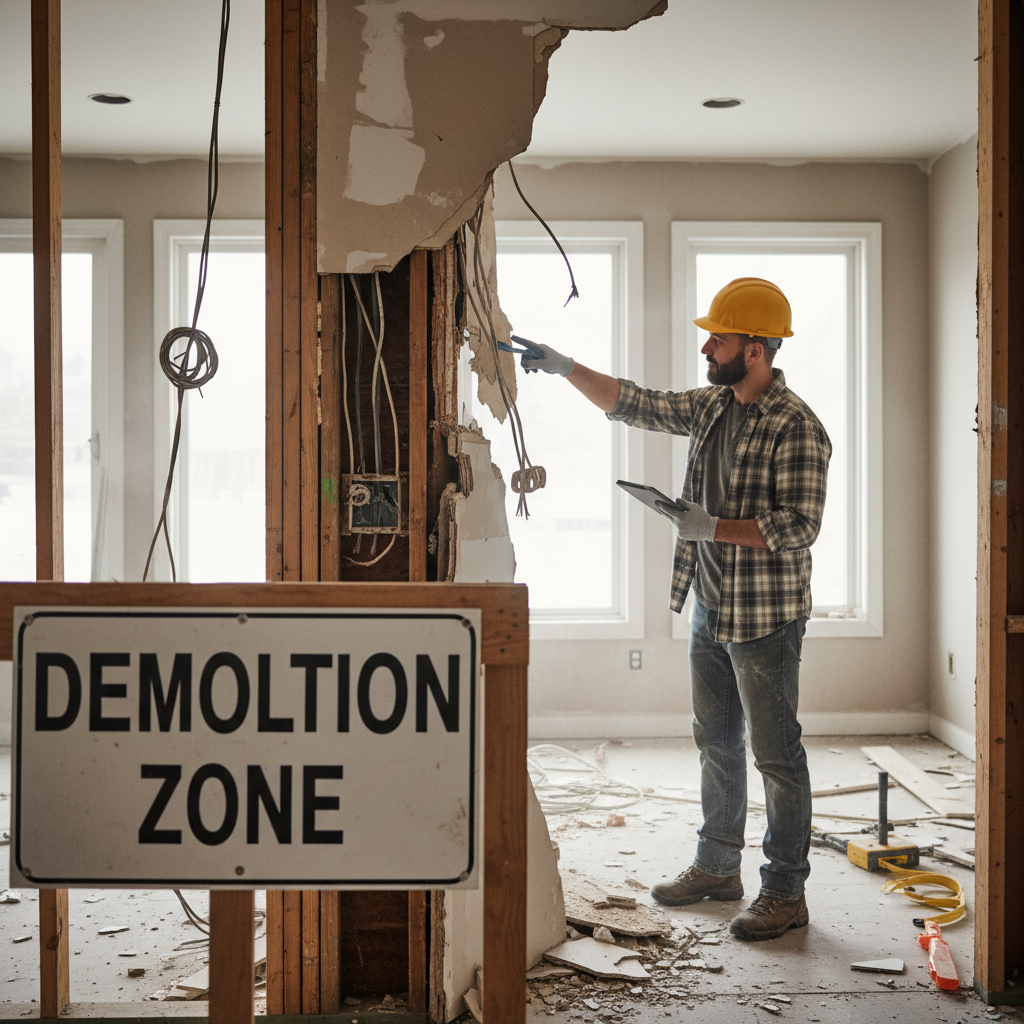
The decision to refinish involves more than just budget; it requires a technical assessment of the wood’s wear layer. This term refers to the portion of the wood above the tongue and groove that can be safely sanded. In older Tarrant County homes with solid oak, you typically have a generous amount of material to work with. However, many newer builds in North Richland Hills or Keller utilize engineered hardwood. These floors feature a real wood veneer bonded to a plywood core. While high end engineered products can handle a light sand, many entry level versions have a wear layer so thin that a professional sander would strip it down to the core, making replacement the only viable path.
Professional contractors follow the Rule of 3. Most solid hardwood floors can sustain three to five full sandings over their lifespan before the material becomes too thin. To determine if your floor has enough meat left, inspect a cross section of the wood at a floor vent or transition strip. If the wood above the tongue is less than 1/8 inch thick, or if you see the metal cleats showing in the gaps, the floor has reached its limit.
Wood Type | Typical Wear Layer | Sanding Potential |
|---|---|---|
Solid Hardwood | 5/16" to 3/4" | 3, 5 Times |
Engineered (High-End) | 3mm to 6mm | 1, 2 Times |
Engineered (Standard) | 1mm to 2mm | Buff Only (No Sanding) |
Bridge & Build Renovations prioritizes this technical evaluation during the planning phase of investor rehab projects or full-home updates. We ensure that the hardwood floor refinishing Fort Worth clients request is actually feasible before the dust starts flying, preventing mid project delays and budget overruns.
The Texas Slab Factor: Moisture and Foundation Movement
Living in North Texas means dealing with expansive clay soil that behaves like a sponge. In Fort Worth, the ground beneath your home constantly shifts, putting immense pressure on your foundation. For homes built on a concrete slab, this creates a unique set of challenges for hardwood floor refinishing Fort Worth projects. Concrete is a porous material; if the vapor barrier beneath the slab has failed or was never installed, moisture migrates upward into the wood.
This moisture causes cupping, where the edges of the boards sit higher than the center, or crowning, where the center of the board bulges. Sanding a cupped floor before the moisture levels have stabilized is a common mistake. If you sand the high edges flat while the wood is still wet, the boards will eventually dry out and reverse cup, leaving you with a permanent washboard texture.
Bridge & Build Renovations mandates moisture testing before beginning any full-home updates involving wood flooring. We use professional grade meters to check the slab's moisture emission rate to ensure the wood is within a safe range for sanding. Beyond moisture, foundation movement often leads to seasonal gaps between planks. During the refinishing process, we address these gaps using high performance wood fillers or by performing sliver repairs, which involve glueing thin strips of matching wood into wider separations. For investor rehab projects, addressing these structural symptoms early ensures the finish does not fail months after the property is sold. As a Fort Worth general contractor, we focus on these local environmental realities to ensure your floors stay flat and stable despite the volatile Texas soil.
Refinishing Floors for Resale: The Investor Perspective
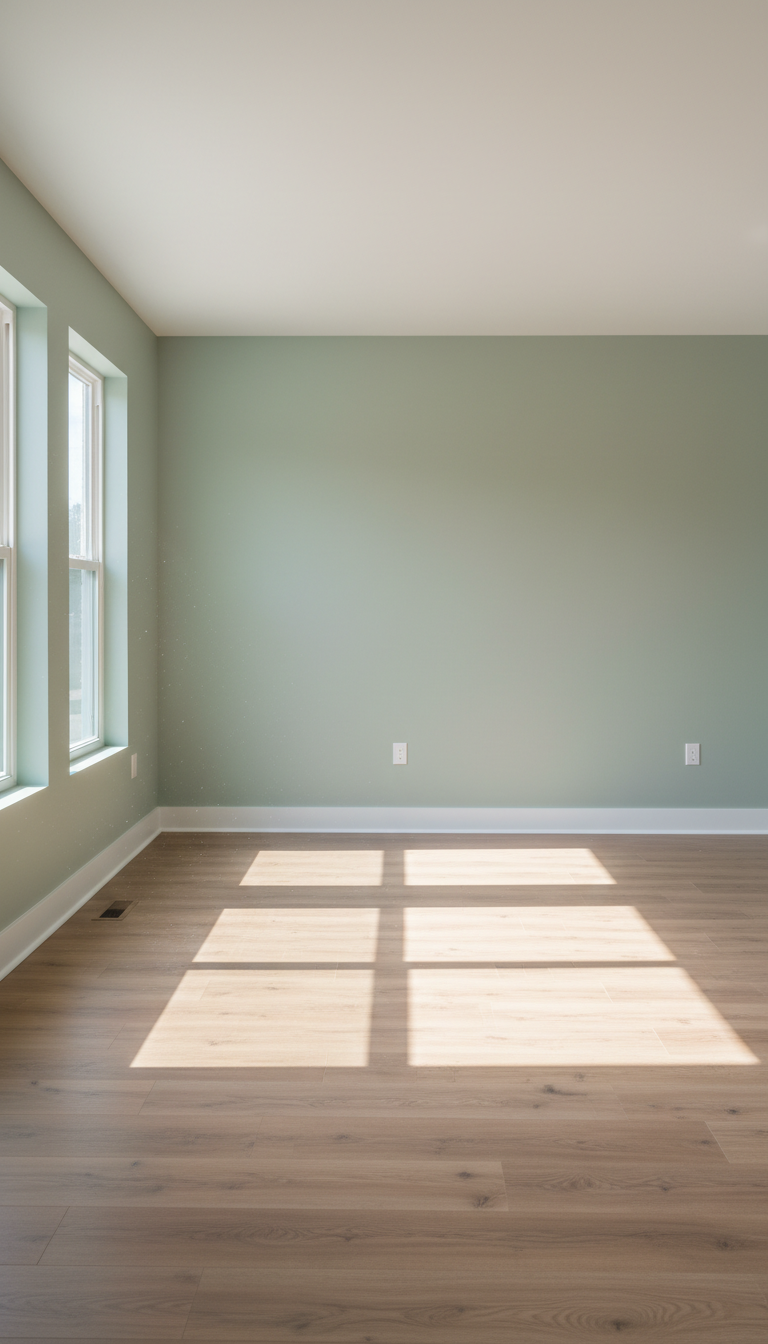
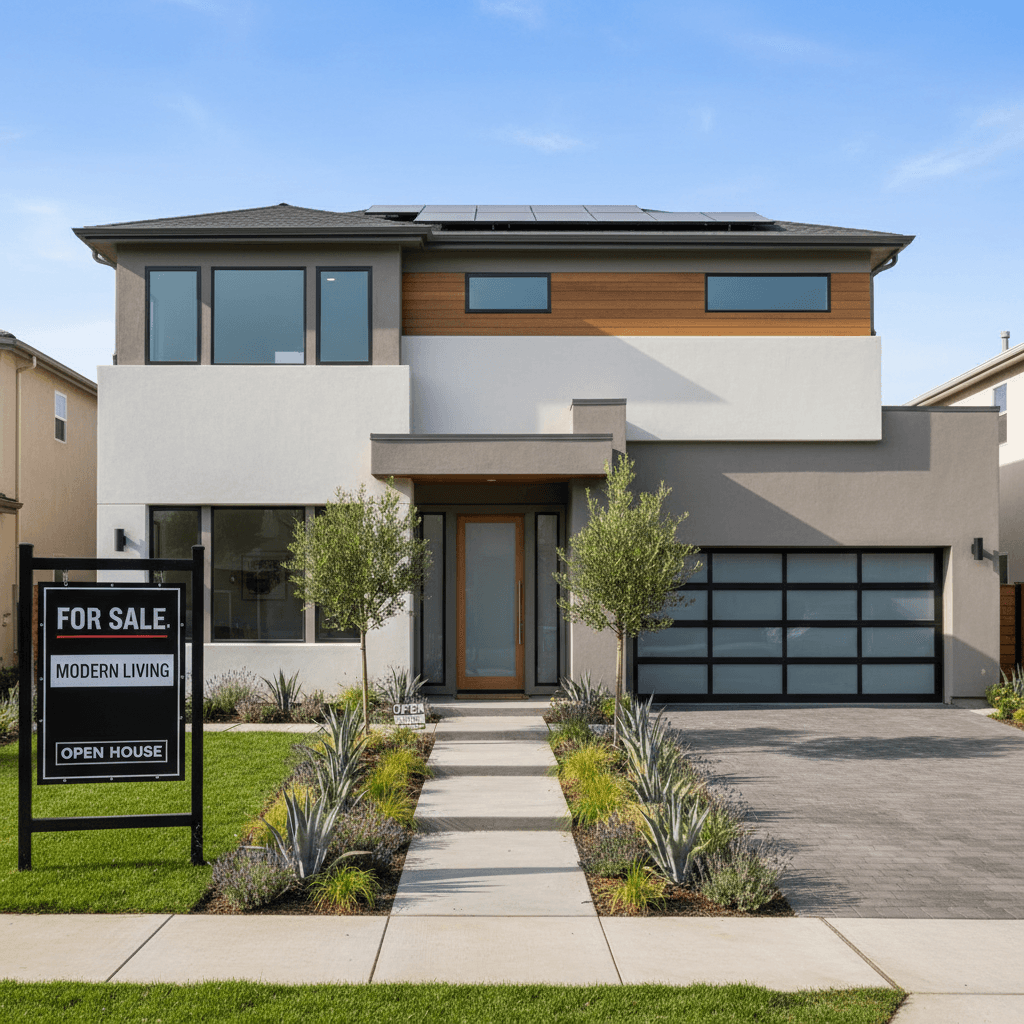
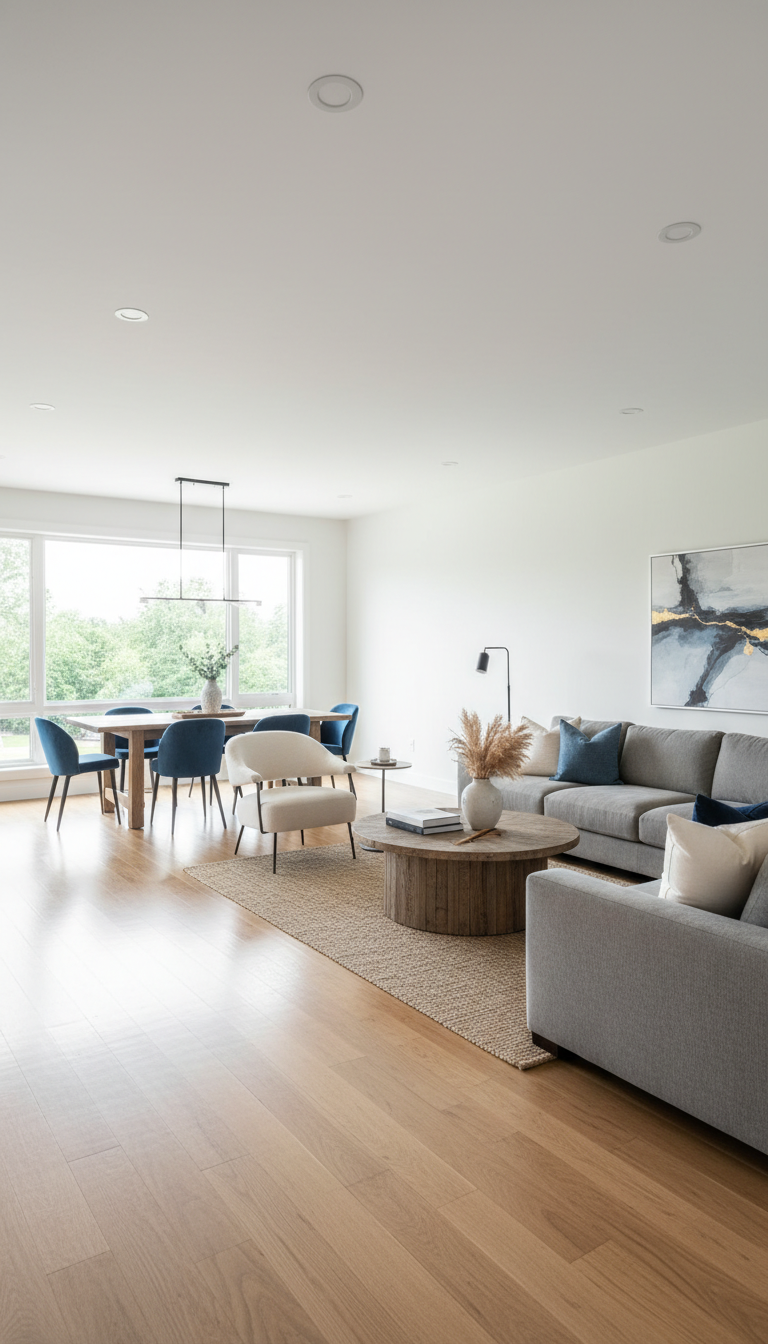
Stabilizing the foundation and subfloor is a technical necessity, but for real estate investors and sellers, the aesthetic choice is what closes the deal. The Fort Worth market has moved decisively away from the dark, heavy espresso stains of the last decade. Today's buyers in neighborhoods like Southlake and Aledo favor naked wood looks, light natural oaks, and warm mid-tone browns that make spaces feel larger and brighter. These lighter finishes are particularly effective at hiding the dust and scratches that become highly visible on darker floors during open houses.
From a purely financial standpoint, few full-home updates offer a higher return on investment. A typical $5,000 professional refinishing project can frequently add $15,000 in perceived value to a home's listing price. High-quality hardwood floor refinishing Fort Worth buyers recognize creates a sense of permanence and luxury that vinyl simply cannot match. It signals to a prospect that the home has been well-maintained rather than just cheaply flipped.
Bridge & Build Renovations understands that for investor rehab projects and rental turns, time is literally money. We coordinate with property managers and flippers to execute these finishes with a structured timeline, ensuring the home hits the market or becomes tenant-ready without unnecessary delays. By streamlining the sanding and staining process, we help you capture that premium resale price while minimizing the carrying costs associated with long vacancies. As a dependable Fort Worth general contractor, we focus on the durable materials and efficient execution required to get a property back into production quickly.
Timeline and Logistics: Can You Stay in the House
Living in a home during a hardwood floor refinishing Fort Worth project is technically possible but rarely practical. For a standard 1,000 square foot area, the process typically spans three to five days. During the initial sanding phase, the noise is significant and constant. While we utilize dustless systems that connect high-powered HEPA vacuums directly to the sanding equipment, no system captures 100 percent of particulates. A fine layer of dust is inevitable, and the chemical odor from traditional oil based stains can be overwhelming for children, pets, or anyone with respiratory sensitivities.
Project Phase | Estimated Time | Activity Details |
|---|---|---|
Preparation & Sanding | Day 1 | Heavy noise and high dust potential. |
Staining | Day 2 | Color application; high VOC odor. |
Finishing | Day 3 – 5 | Multiple top coats; drying time is critical. |
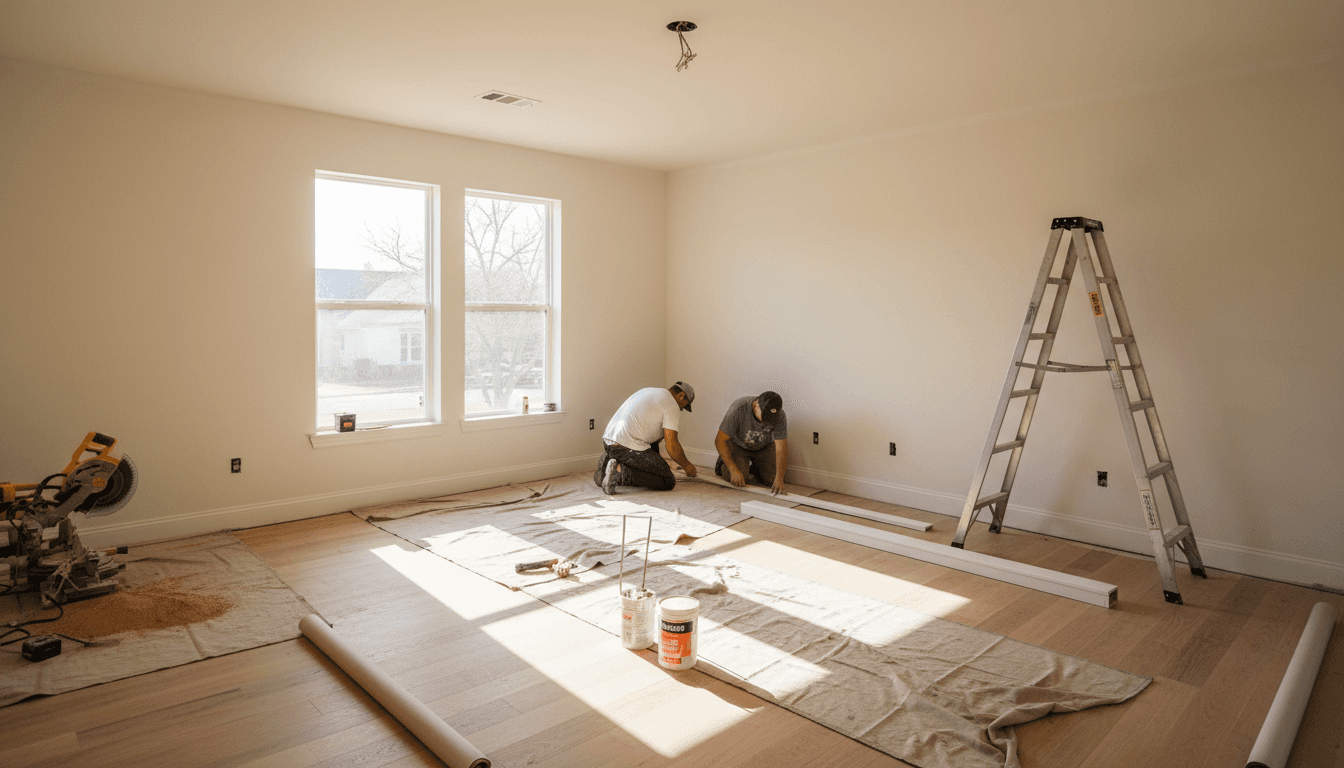
For homeowners planning full-home updates, sequencing is vital for a professional result. We recommend completing all wall and ceiling painting before the floors are sanded. This protects your new finish from paint splatters. However, wait to perform final baseboard touch-ups or shoe molding installation until after the floor is cured. This ensures a crisp, clean line where the wood meets the wall.
Bridge & Build Renovations eliminates the guesswork common in DFW construction. For investor rehab projects or residential turns, we provide structured schedules and daily communication. You will know exactly when the machines will be running and when the floor is safe for light foot traffic. As a dependable Fort Worth general contractor, we focus on managing these logistics so your renovation stays on track without the typical industry delays.
Deciding whether to refinish or replace your hardwood floors depends on the extent of the damage and your specific subfloor conditions in Fort Worth. While refinishing can breathe new life into your space, some projects require a more comprehensive structural approach to ensure longevity. If you want expert help navigating these choices or planning a larger project, exploring a Full Home Renovation might be the right next step. Our team is here to guide you through every detail, ensuring your home remains beautiful and stable for years to come.