

Integrating a repiping Fort Worth remodel into your renovation project reduces long term expenses by combining labor and wall repairs while plumbing is already accessible. Most homeowners opt for PEX at $3.50 to $7.00 per square foot or copper for $8.00 to $14.00 to replace aging galvanized pipes; this timing also simplifies the process of addressing slab-related plumbing issues.
There is nothing more frustrating than finishing a high-end kitchen renovation in Fort Worth only to have a slab leak destroy your custom cabinetry six months later. For homeowners in North Texas, particularly those in older neighborhoods with galvanized plumbing, hidden pipe failures are a constant threat. Integrating a full repipe into your remodel is not just a safety measure; it is a strategic investment that protects your aesthetic upgrades from the inside out. In this guide, we explore the critical decisions you must make before the drywall goes up. You will learn about the pros and cons of PEX versus copper, the logistical reality of rerouting lines through the attic rather than trenching through your slab, and the current 2026 cost estimates for Tarrant County projects. Understanding these technical foundations ensures your renovation remains beautiful and functional for decades.
Why Repiping is a Non-Negotiable Step for Your Fort Worth Remodel

Homeowners in historic Fort Worth neighborhoods often focus on the aesthetic potential of a renovation while overlooking the aging infrastructure behind the lath and plaster. Integrating a repiping Fort Worth remodel into your project scope is a strategic move that addresses these invisible liabilities before they become catastrophic. In older DFW properties, galvanized lines and cast iron drains are frequently reaching the end of their 50 to 70 year lifecycles; they are corroding from the inside out even if they look functional today.
The financial logic of repiping during a Fort Worth bathroom remodel or a whole-home update is undeniable. A significant portion of a standalone repipe cost is dedicated to cutting, patching, and painting drywall. When your walls are already stripped for a renovation, the labor cost for plumbing access is essentially zeroed out. Skipping this step creates a nightmare scenario where a $20,000 custom tile installation must be demolished two years later to fix a pinhole leak. For investor rehab projects and family homes alike, Bridge & Build Renovations prioritizes organized renovations. This approach ensures that we never layer expensive finishes over failing systems, favoring long term durability and professional project management over temporary cosmetic fixes.
Galvanized Pipes in Older North Texas Homes: The Ticking Time Bomb

Properties in historic Fort Worth neighborhoods like Arlington Heights, Mistletoe Heights, or Fairmount often still rely on galvanized steel supply lines. While these pipes were the industry standard for decades, they are fundamentally a ticking time bomb for modern homeowners. Are galvanized pipes a problem in older homes? The answer is a definitive yes. These pipes were manufactured by dipping steel into molten zinc to prevent rust, but that protection is temporary. Over time, the zinc coating erodes, exposing the raw steel to water and oxygen.
Once the protective layer is gone, the pipes begin to corrode from the inside out. This internal oxidation causes two primary issues. First, the rust builds up like plaque in an artery, narrowing the internal diameter of the pipe and significantly choking your water pressure. Second, as pieces of rust flake off into the stream, you will notice discolored, tea-colored water at the tap. This is especially prevalent after the water has sat stagnant overnight.
The average functional lifespan for galvanized systems is 40 to 70 years. Given that a significant portion of central Fort Worth was developed between the 1920s and 1960s, most of these systems have already entered the red zone. They are not failing due to poor maintenance, but rather because their chemistry has reached its inevitable expiration date. Incorporating a replacement into a whole-home update or an investor rehab is the only way to ensure the home’s infrastructure matches its new aesthetic. Relying on aged steel to support new, high-pressure fixtures is a high-stakes gamble that rarely ends well for the drywall.
The North Texas Slab Reality: Rerouting vs Trenching
Fort Worth’s residential landscape is defined by concrete slab-on-grade foundations. While these are efficient for construction, they present a unique set of challenges when the plumbing systems buried beneath them eventually fail. In the DFW metroplex, the high concentration of expansive clay soil is a constant factor. As this soil absorbs and loses moisture, the slab shifts. For older, rigid piping like galvanized steel or cast iron, this movement leads to stress fractures and subterranean leaks that often go unnoticed until a foundation issue arises or a water bill spikes.
When executing a whole-home update, you essentially have two paths for handling these underground lines: trenching or rerouting. Trenching involves using jackhammers to cut through the interior floor to reach the pipes. This process is invasive, extremely dusty, and creates structural vulnerabilities if not handled with precision. For most investor rehab projects and modern remodels, we lean toward rerouting. This method abandons the failing lines beneath the slab and runs new, flexible supply lines through the attic and interior walls.
Rerouting is particularly advantageous during a Fort Worth bathroom remodel because the walls are already open for reconfiguration. Using flexible PEX tubing allows us to navigate the framing without the seismic disruption of breaking concrete. This approach avoids the mess of slurry and dust that accompanies concrete cutting, protecting your remaining living spaces from construction debris.
Homeowners frequently ask: How much is it to repipe a 2000 square foot house with a slab foundation? For a standard reroute in the Fort Worth area, costs typically range from $6,000 to $10,000 when performed as part of a larger renovation. If you were to choose trenching, those figures could easily double due to the labor involved in concrete demolition and the subsequent floor leveling required before new finishes can be installed. Choosing a reroute path minimizes structural risk while ensuring the new system can handle the inevitable movement of North Texas soil.
PEX vs Copper: Choosing the Right Material for Your DFW Renovation
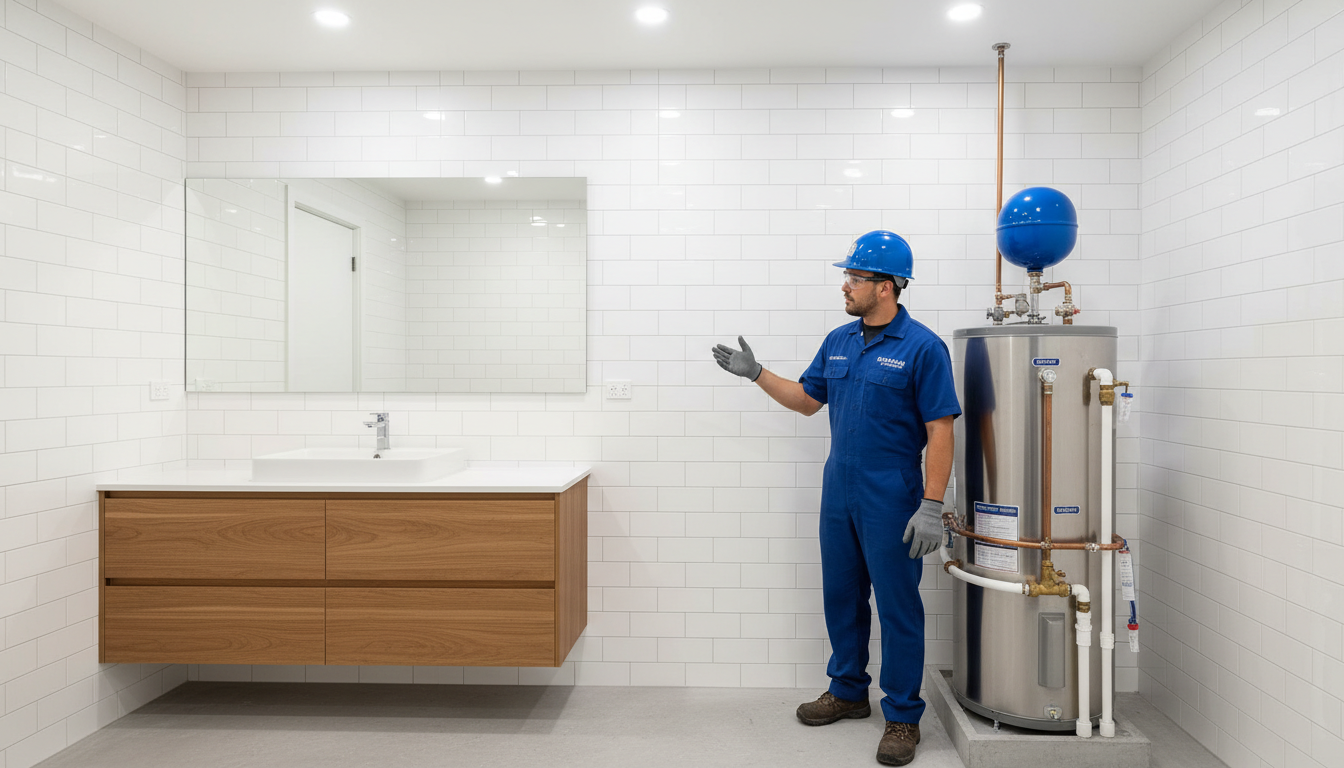
Once the decision to reroute is made, selecting the right material determines the long term reliability of your new system. In the Dallas-Fort Worth market, the choice usually comes down to PEX-A or traditional copper. While copper was the gold standard for decades due to its natural antimicrobial properties and rigid durability, its soaring material cost and susceptibility to North Texas weather have made it a rarer choice for modern renovations.
Feature | PEX-A (Expansion PEX) | Type L Copper |
|---|---|---|
Material Cost | Moderate | High |
Freeze Resistance | Excellent (Expands) | Poor (Brittle/Bursts) |
Installation Method | Expansion Fittings | Soldering or Press |
Lifespan | 50+ Years | 50+ Years |
Flexibility | High (Ideal for Reroutes) | None (Rigid) |
For a whole-home update, PEX-A is almost always the superior choice. Unlike copper, which can burst during the deep freezes that occasionally paralyze Tarrant County, PEX-A has a unique shape memory. This allows the pipe to expand significantly under the pressure of freezing water and then return to its original diameter once thawed. This flexibility is a critical safeguard for investor rehab projects where minimizing the risk of future emergency repairs is a priority.
From a project management standpoint, PEX-A facilitates a cleaner Fort Worth bathroom remodel by requiring fewer connections, which inherently reduces potential leak points. Our team ensures all installations adhere to local plumbing codes, including the 135-degree Fahrenheit temperature context often cited for residential water heaters and supply line safety. PEX-A has become the modern standard for both high-end transformations and rental turns because it combines industrial-grade durability with a streamlined installation process that keeps your project on schedule.
Estimated Costs to Repipe a House in Fort Worth for 2026
Projecting costs into 2026 requires accounting for both material inflation and the strategic savings of a coordinated repiping Fort Worth remodel. Because these estimates assume the walls are already open as part of a whole-home update, the total labor expenditure is significantly reduced. In a standalone repipe, a large portion of the invoice covers the labor to cut, patch, and paint drywall; during a renovation, these costs are essentially absorbed by the demolition and finish phases.
House Square Footage | Estimated Cost Range (PEX-A) |
|---|---|
1,500 sq. ft. | $4,500 – $8,500 |
2,000 sq. ft. | $6,000 – $10,000 |
2,500 sq. ft. | $8,000 – $12,000+ |
These figures represent PEX-A installations, which is the preferred standard for efficiency and durability in investor rehab projects. If you opt for type L copper, expect these estimates to double. The price gap is driven by both the high market rate for raw copper and the intensive labor required for manual soldering or press-fitting every joint.
Beyond materials, the City of Fort Worth requires specific permits and inspections for whole-home repiping. While this adds a small administrative fee and specific inspection milestones, it is a critical step for protecting your investment. Proper permitting ensures the work meets current North Texas codes, which is essential for insurance compliance and future resale value. Even in a targeted Fort Worth bathroom remodel, we integrate these costs upfront to ensure the system is legally compliant and professionally verified.
The Strategic Sequence: Why Plumbing Must Precede Finishes

Bridge & Build Renovations follows a disciplined project management flow where infrastructure dictates the schedule. Plumbing is categorized as rough-in work, meaning it occurs immediately after demolition and before any structural closing. This sequence is vital for the integrity of your whole-home update. New supply lines must be installed, secured, and then subjected to a rigorous pressure test to ensure every connection is watertight. We coordinate with city inspectors to verify the work meets Tarrant County standards before a single sheet of drywall is hung or a single cabinet is installed.
Skipping this sequence or attempting a phased remodel where plumbing is ignored in one room but updated in another creates significant technical risks. When you install new, high-flow fixtures during a Fort Worth bathroom remodel, the increased efficiency can create pressure imbalances within the home. The old, corroded sections of galvanized pipe become the path of least resistance, often leading to pinhole leaks in the walls of the rooms you were not planning to renovate. For investor rehab projects, this patchwork approach is a liability. By completing a full repiping Fort Worth remodel during the rough-in phase, we ensure the entire system is uniform, protecting your high-end finishes from the structural damage that hidden leaks inevitably cause.
Permits and Inspections: Don't Cut Corners in Tarrant County
Navigating the municipal requirements in Tarrant County is a critical component of a successful repiping Fort Worth remodel. Cities like Fort Worth, Dallas, and Keller enforce strict plumbing codes to ensure residential systems meet modern safety and efficiency standards. As your general contractor, Bridge & Build Renovations manages the entire permitting process; we coordinate with licensed plumbing professionals to schedule the necessary rough-in and final inspections. This oversight is not just about regulatory compliance. It is about protecting your home’s value and ensuring the work is documented for future resale and appraisal purposes.
Homeowners often ask if insurance will cover replacing galvanized pipes. In almost every case, insurance providers view repiping as preventative maintenance rather than a covered peril. They typically only pay out after a pipe has failed and caused significant damage to your property. This reality makes integrating a repipe into a whole-home update or investor rehab projects a superior financial strategy. By performing the work proactively, you avoid the high deductible and the trauma of a catastrophic water loss event. Professional project management ensures that every new line and fitting is inspected by the city, providing a paper trail that confirms your Fort Worth bathroom remodel was built to code and remains fully insurable for years to come.
Upgrading your plumbing while your walls are already open is the most efficient way to ensure your Fort Worth home stays functional for years to come. Whether you are navigating the complexities of a slab foundation or weighing the benefits of PEX versus copper, careful planning is the key to a lasting result. If you would like expert guidance to manage these technical details, incorporating these updates into a Full Home Renovation ensures every system works together perfectly. We are ready to help you navigate your project with confidence and ease.