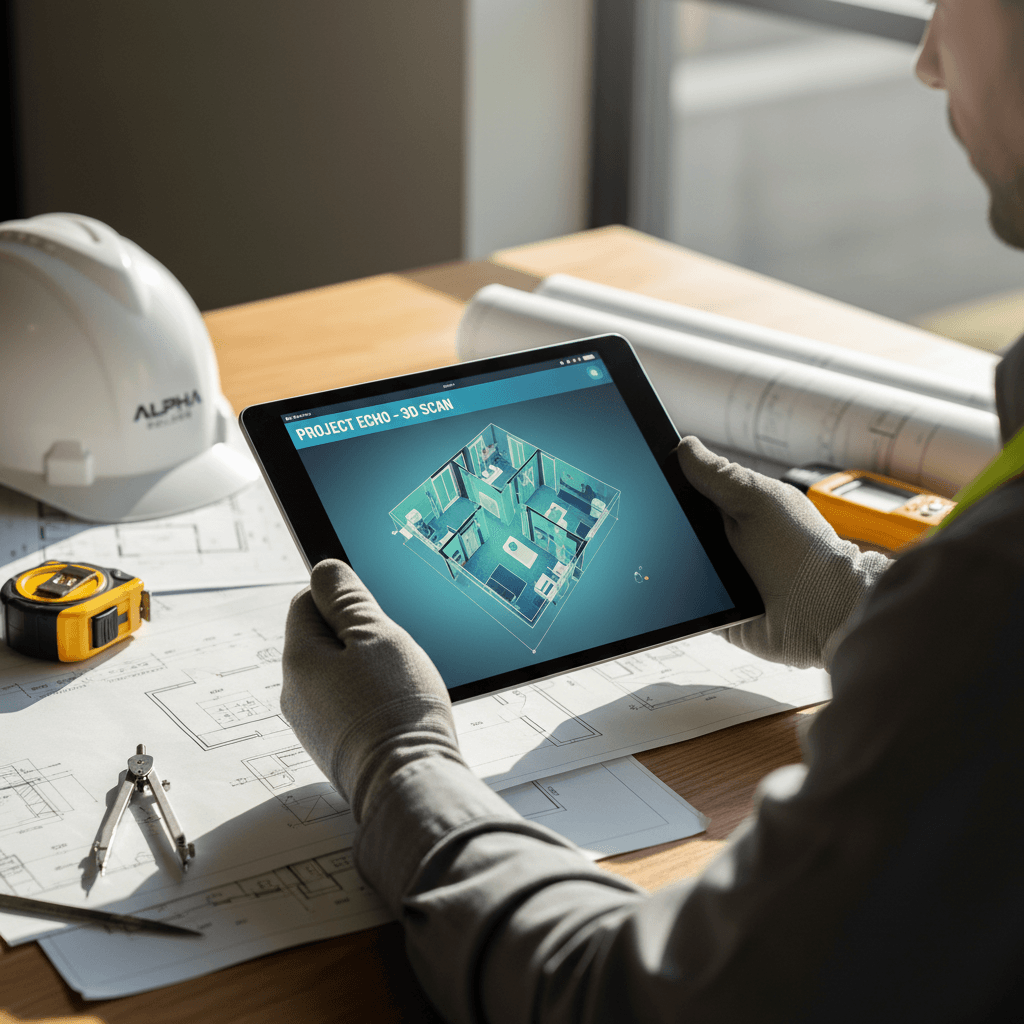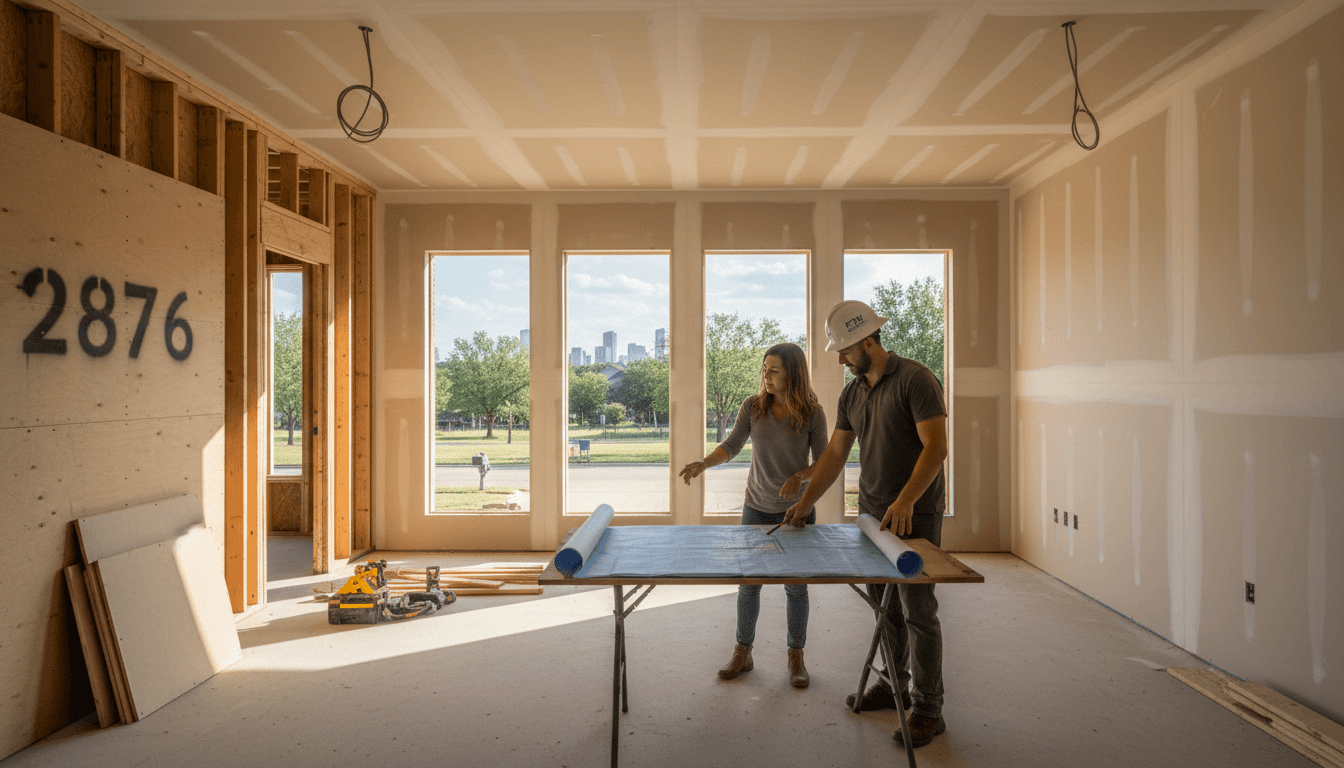

Landlords can secure a rental renovation tax deduction Fort Worth by properly categorizing projects as either immediate repairs or long-term capital improvements. Current IRS rules allow for the full deduction of maintenance costs in the year they occur, whereas major improvements must be depreciated over a 27.5 year period.
Every DFW landlord knows the frustration of watching a profitable quarter disappear into unexpected maintenance costs and property updates. The challenge lies in how you categorize these expenses at tax time, because a single misstep can trap your capital in long-term depreciation schedules rather than providing the immediate relief of a deduction. Understanding the distinction between a routine repair and a capital improvement is not just a bookkeeping task; it is a strategic necessity for maximizing the ROI of your Fort Worth portfolio. In this guide, we will break down the IRS BAR test, explore the De Minimis Safe Harbor rules, and provide a trade-by-trade analysis of common renovations. You will also learn how to document your projects to build a robust defense against audits while optimizing your tax strategy for the specific demands of the North Texas market.
Understanding the Tax Impact of Your DFW Rental Property Renovation
Maximizing the return on investment for a rental renovation in Fort Worth requires more than just picking durable LVP or modern paint colors. It demands a strategic understanding of how the IRS views every dollar you spend. In the Dallas-Fort Worth metroplex, where property values and property taxes continue to climb, leveraging every possible rental renovation tax deduction Fort Worth offers is essential for maintaining healthy cash flow.
The construction industry is notorious for poor communication. When a contractor fails to return calls or show up on time, the frustration goes beyond a delayed project; it creates a documentation vacuum that can be costly during tax season. Precise record-keeping is the foundation of a successful renovation strategy. Landlords must categorize expenses into two distinct camps: immediate deductions for repairs or long-term depreciation for capital improvements.
A simple repair, such as fixing a leaking pipe or patching drywall between tenants, is generally deductible in the year the expense occurs. Conversely, a capital improvement, such as a full kitchen remodel or a new roof, must be depreciated over 27.5 years. For investors in high-demand markets like Keller, Southlake, and Arlington, knowing which bucket your project falls into can drastically shift your year-end liability. Professional project management ensures your invoices are clear enough for a CPA to defend these classifications during an audit.
Repairs vs. Improvements: The IRS BAR Test for Landlords
The IRS uses the BAR test to determine if a project is a currently deductible repair or a capitalized improvement. For a landlord in the metroplex, understanding these three pillars, Betterment, Adaptation, and Restoration, is the difference between an immediate tax break and a three-decade depreciation schedule. As a contractor, we see these categories play out in every scope of work, from simple make-ready turns in Benbrook to extensive modern interior transformations in Southlake.
Betterment occurs when the work results in a material increase in the property's quality, strength, or productivity. This includes expanding the square footage or installing significantly higher-grade materials that increase the home's value beyond its original condition. If you are adding a master suite or upgrading from builder-grade laminate to high-end quartz throughout, you are engaging in betterment.
Adaptation involves modifying the property for a new or different use. While less common in standard residential rentals, it occurs if a landlord converts a single-family home into a commercial office space or a multi-unit dwelling. If the renovation makes the building suitable for a purpose other than its original intended use at the time of purchase, the IRS views the entire project as a capital improvement.
Restoration is the act of replacing a major building system that has reached the end of its life or restoring a property to a like-new condition after significant damage. Replacing a few broken tiles is a repair; however, replacing the entire floor throughout a Burleson rental after years of neglect is a restoration.
Distinguishing these categories is vital for your rental renovation tax deduction Fort Worth strategy. Repairs, which maintain the property in its current operating condition, are typically 100% deductible in the year the money is spent. Improvements falling under any BAR category must be depreciated over 27.5 years. A reliable make-ready turn contractor provides the line-item detail necessary to help your CPA defend these classifications during an audit.
The De Minimis Safe Harbor: A Game Changer for Rental Turns
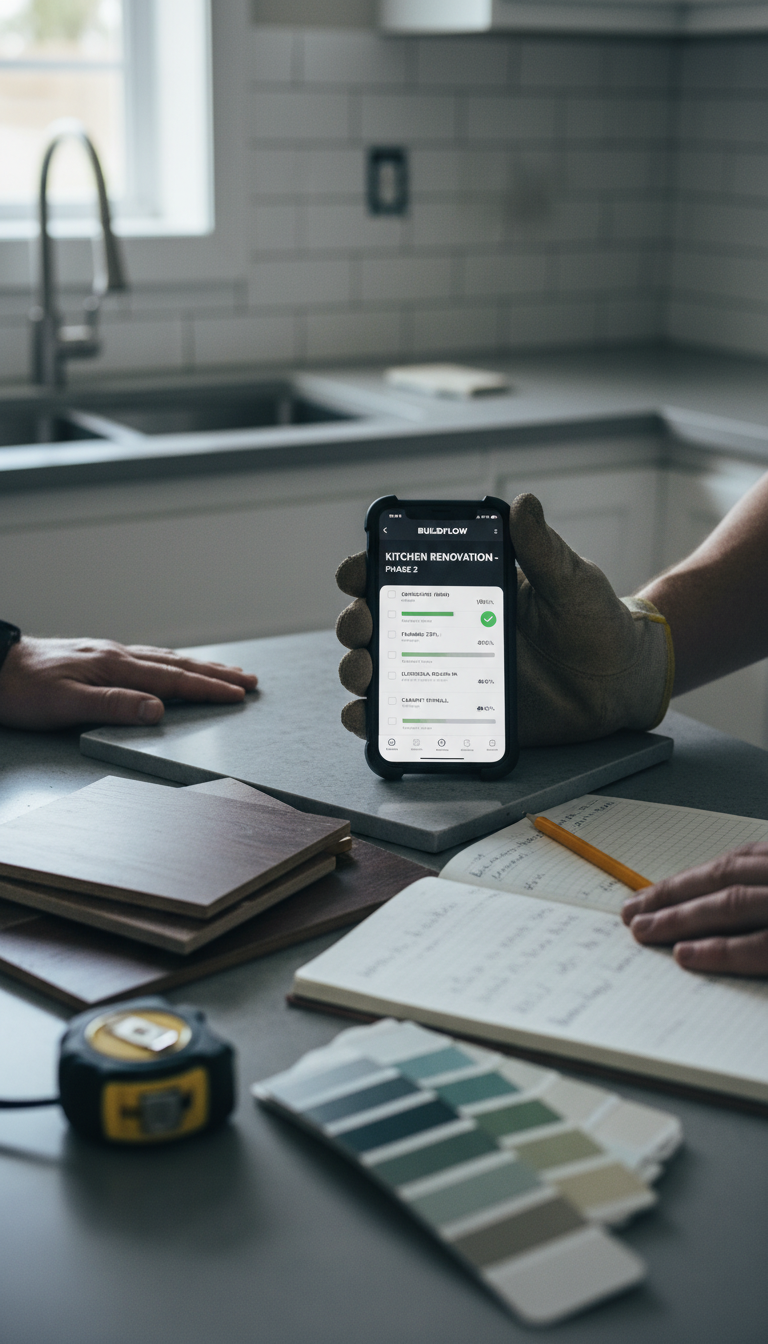
The $2,500 De Minimis Safe Harbor rule is perhaps the most underutilized tool in a landlord's financial arsenal. This IRS provision allows investors to immediately deduct any invoice or individual item that costs $2,500 or less, even if that item would traditionally be considered a capital improvement. For a fast-paced rental turn in a market like Benbrook or Arlington, this rule can dramatically accelerate your tax benefits.
Consider a scenario where you are addressing failing windows in a Benbrook rental. If you replace every window in the house as a single project for $12,000, you are likely looking at a 27.5-year depreciation schedule. However, if you are replacing a single broken window or a few failing units where each unit costs $800, those items may qualify for an immediate deduction under the safe harbor rule. The difference in your year-end cash flow is substantial.
Project Component | Cost Per Unit | Tax Treatment | Benefit Timeline |
|---|---|---|---|
Individual Entry Door | $1,100 | De Minimis Safe Harbor | Year 1 Deduction |
New Dishwasher | $850 | De Minimis Safe Harbor | Year 1 Deduction |
Full Exterior Paint | $4,500 | Capital Improvement | 27.5-Year Depreciation |
Water Heater Replacement | $1,800 | De Minimis Safe Harbor | Year 1 Deduction |
The primary obstacle for most DFW investors is the lack of professional documentation from their general contractor. A vague invoice that simply reads "Kitchen Renovation, $15,000" forces your CPA to capitalize the entire amount. As a make-ready turn contractor, we provide the structured, line-item invoicing required to leverage this rule. By clearly separating the cost of a new appliance, a specific vanity, or individual plumbing fixtures, we enable your tax professional to identify which components fall under the $2,500 threshold.
This level of detail is a prerequisite for a sophisticated rental renovation tax deduction Fort Worth strategy, turning what would be long-term depreciation into immediate liquidity for your next project. Professional project management ensures that your renovation is not just a physical upgrade, but a strategically documented financial event.
Trade by Trade Breakdown: Deductible Repair or Capital Improvement

Applying the BAR test to a real-world scope of work requires a trade-by-trade understanding of construction. General contractors often provide lump-sum bids that obscure the details your CPA needs. Without clear distinctions between maintenance and upgrades, you risk losing out on a significant rental renovation tax deduction Fort Worth. Understanding how specific trades are categorized helps you plan your renovation budget and your tax strategy simultaneously.
Trade-by-Trade Classification Guide
Trade | Deductible Repair (Maintenance) | Capitalized Improvement (BAR) |
|---|---|---|
Flooring | Patching damaged wood or replacing a few tiles | Installing LVP or hardwood throughout the home |
Painting | Interior touch-ups between tenants | Full exterior repaint or new siding installation |
Plumbing | Fixing a localized slab leak or a clogged drain | Full house PEX repipe or new sewer main |
Kitchens | Refacing cabinet doors or replacing a faucet | Full gut remodel with new layout and quartz |
Electrical | Replacing a broken outlet or a light fixture | Upgrading the electrical panel or full rewiring |
Flooring is a common point of confusion for DFW investors. If a tenant damages a section of carpet and you replace just that room to match the rest of the house, it is generally a repair. However, when we perform a rental renovation in Fort Worth where we pull up all old flooring to install durable Luxury Vinyl Plank, the IRS views this as a betterment. This project must be depreciated because it increases the value and life of the property.
Plumbing issues are notoriously frequent in North Texas due to shifting clay soils. Patching a single slab leak is a restoration of the property to its previous working state; therefore, it is a repair. If you decide to bypass the old copper lines entirely and perform a full PEX repipe, you have upgraded a major building system. This move protects your ROI long-term but moves the expense into the capital improvement category.
Kitchen and bathroom updates often straddle the line. Simple maintenance like painting existing cabinets or replacing a broken disposal falls under repairs. A more comprehensive make-ready turn contractor project that includes new cabinetry, modern quartz countertops, and a subway tile backsplash is a capital improvement. These distinctions are why we provide detailed, line-itemed invoicing. By separating the "fix" from the "upgrade," we give your tax professional the data required to maximize your immediate deductions while properly documenting your long-term basis.
How DFW Flippers Handle Renovation Costs Differently
Landlords often prioritize a long term rental renovation tax deduction Fort Worth strategy to offset monthly rental income; however, fix and flip investors operate under a fundamentally different tax regime. For a flipper, the property is classified as inventory rather than a capital asset. Consequently, the IRS generally does not allow for annual depreciation or immediate repair deductions during the renovation phase. Instead, all fix and flip renovation costs are capitalized into the property’s cost basis.
This distinction is critical for projects in competitive markets like Aledo or Keller. When the property eventually sells, that higher basis reduces the realized capital gain, effectively lowering the tax bill at the point of sale. Because flippers cannot rely on annual depreciation to shield income, net profit is driven entirely by the spread between the acquisition price and the final sale price. This reality makes renovation speed and professional execution paramount. In the North Texas market, a project sitting idle for three weeks because a contractor stopped answering the phone is a direct drain on the final profit margin. High quality, efficient transformations ensure the property hits the market quickly, minimizing holding costs and maximizing the final return.
The Role of Building Systems and Units of Property
Understanding how the IRS defines a “Unit of Property” (UOP) is crucial for managing your rental renovation tax deduction Fort Worth strategy. The IRS views a residential building as a primary unit, but it also identifies specific “building systems” that are treated as separate units for tax purposes. These systems include HVAC, plumbing, electrical, and security.
The classification of work depends on the percentage of the system being addressed. If you replace a minor component, the IRS considers it a repair. If you replace a significant portion or a major structural component of that system, it becomes a capitalized improvement.
Building System | Repair Example (Deductible) | Improvement Example (Capitalized) |
|---|---|---|
HVAC | Replacing a compressor or fan motor | Replacing both the condenser and furnace |
Plumbing | Fixing a leaky valve or clearing a drain | Replacing the entire water distribution system |
Electrical | Replacing a single burnt-out breaker | Installing a new 200-amp service panel |
Security | Fixing a broken camera or sensor | Installing a new whole-home smart security hub |
Consider the common scenario of a Fort Worth HVAC system failing in July. If a technician replaces a faulty capacitor to restore cooling, the expense is generally a deductible repair. However, if you decide to replace both the outdoor condenser unit and the indoor furnace, you have replaced a major component of the building system. This full replacement must be capitalized and depreciated over 27.5 years.
When we handle a rental renovation in Fort Worth, we document these distinctions clearly. Replacing a damaged electrical panel is viewed differently than simply swapping out a few dated light fixtures. Providing your CPA with a breakdown of which specific building systems were touched, and to what extent, prevents the entire project from being lumped into a single, less favorable tax category. As a professional make-ready turn contractor, we ensure your invoices reflect these technical realities.
Why Professional Project Documentation is Your Best Audit Defense
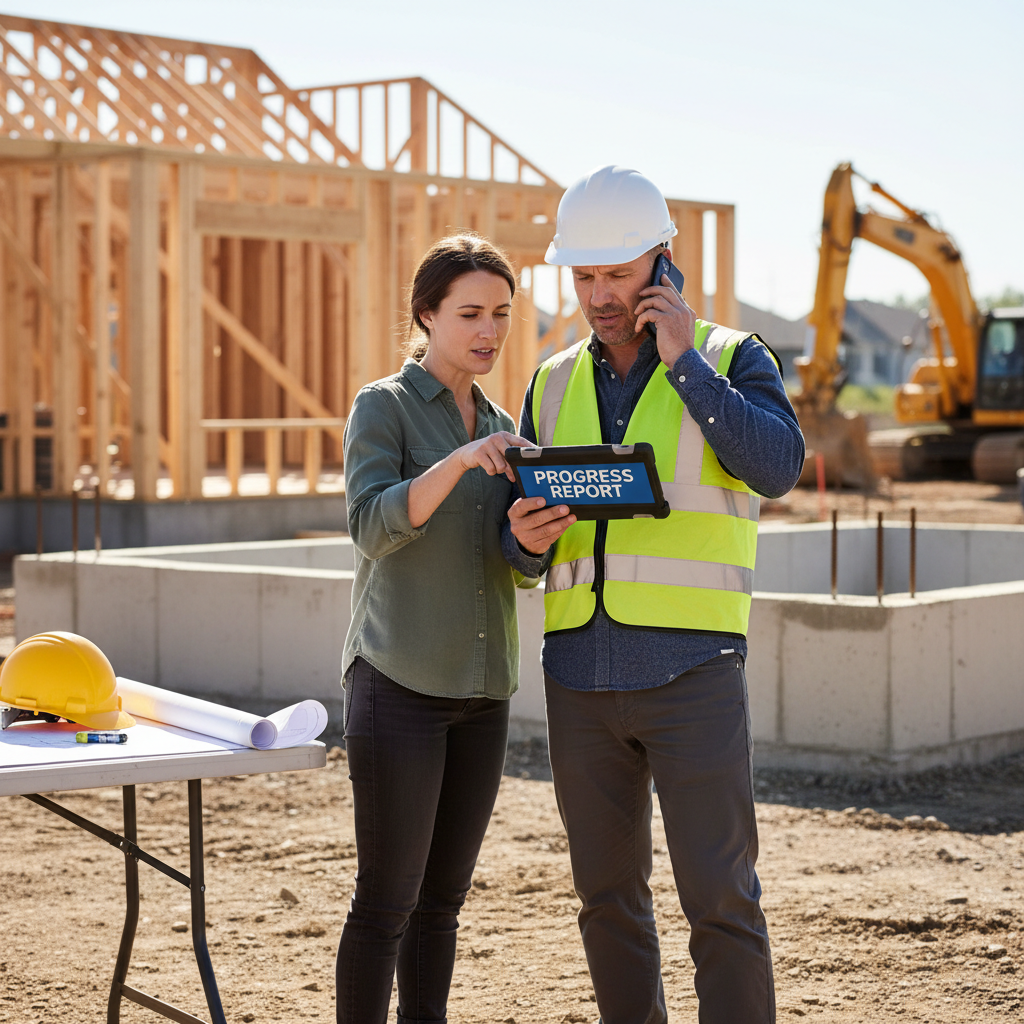
Vague invoices are a primary point of friction between real estate investors and their tax professionals. When a contractor provides a lump-sum bill for a "Whole Home Remodel," they effectively force the CPA to capitalize the entire project, potentially missing out on thousands in immediate deductions. Professional project management changes this dynamic by providing granular, line-item data that stands up to scrutiny.
An invoice that clearly distinguishes between "Repair Slab Leak" and "Install Modern Tile" allows for a precise application of the BAR test. Bridge & Build Renovations serves communities from Aledo to Grapevine with a focus on this level of professional oversight. Clear documentation acts as a shield during an IRS audit, proving that specific costs were necessary maintenance rather than discretionary upgrades. By partnering with a make-ready turn contractor that prioritizes structured communication, landlords can maximize their rental renovation tax deduction Fort Worth without the fear of unsubstantiated claims. This organized approach transforms a chaotic construction project into a clean, defensible financial asset.
Understanding the distinction between immediate repairs and long-term capital improvements is essential for maximizing your tax benefits and protecting your investment. While managing these details requires careful planning, the right upgrades will significantly increase your property value and appeal to tenants. If you want expert help navigating these decisions, our team can guide you through a comprehensive Rental Renovation that meets your specific goals. We ensure your project stays on track and adds lasting value to your local DFW portfolio.