

The most effective rental lease renewal timing Fort Worth property owners can implement is to schedule lease expirations for the peak demand window of April through July. By avoiding the slow winter months from November to February, landlords minimize vacancy risks and ensure they are not listing properties during the hardest time of the year to find quality tenants.
Every Fort Worth property owner knows the sinking feeling of a vacancy notification hitting in November. In the North Texas market, the winter months represent a significant threat to your annual ROI because tenant activity drops off sharply during the holidays. When your property sits empty from November through February, you are not just losing monthly rent; you are battling a stagnant market that forces lower price points. Mastering your rental lease renewal timing is the most effective way to protect your investment. In this guide, we will examine the high cost of winter vacancies and provide a clear 120 day roadmap for a seamless turn. You will learn how to correct suboptimal lease expiration dates and how to synchronize necessary make ready renovations with periods of peak demand to ensure your property remains a high performing asset year round.
The High Cost of DFW Rental Vacancies in November Through February
In the Dallas-Fort Worth metroplex, the period between November and February represents a seasonal "Death Valley" for rental property performance. While the Texas sun might still be shining, the pool of qualified tenants evaporates as families prioritize holiday spending and stability during the mid-school year. For owners in districts like Keller ISD or Fort Worth ISD, the reality is simple; families do not want to change school zones in December.
Every day a unit sits vacant during the winter is a direct erosion of your annual ROI. A property that goes unrented in December loses its highest-earning potential day by day, but the costs do not stop at lost gross rent. North Texas is prone to sudden, severe cold snaps that require landlords to keep the heat running at a consistent level to prevent burst pipes. This necessity adds significant utility overhead to a non-performing asset during the most expensive heating months of the year.
Securing a dependable make-ready turn contractor also becomes a logistical hurdle during this window. Many trade crews observe a holiday hiring freeze or reduced schedules from mid-December through the first week of January. If a tenant moves out on December 15th, you may find yourself waiting weeks just for paint and flooring crews to become available. This delay extends your vacancy and forces you to compete for the few renters active in January, who often demand price concessions. Mastering rental lease renewal timing Fort Worth is the only way to ensure your property avoids this high-cost trap and remains occupied when demand is strongest.
Why Rental Lease Renewal Timing in Fort Worth Matters for Your ROI

Investors often overlook the mathematical impact of seasonality, but rental lease renewal timing Fort Worth is a critical lever for maximizing annual returns. A lease expiring in July benefits from peak market velocity. In the Dallas-Fort Worth area, the rental market mimics the resale market; families in districts like Keller ISD or Fort Worth ISD prioritize settling into a new home before the school year begins in August. This concentration of demand allows for immediate back-to-back occupancy, often with minimal marketing effort.
Conversely, units expiring in December face a shallow tenant pool. To attract eyes to a property during the holiday lull, landlords frequently resort to expensive concessions such as "first month free" or waived security deposits. These incentives, combined with weeks of vacancy, can easily erode two to three percent of a property’s annual gross income.
Season | Tenant Demand | Common Concessions | Typical Days on Market |
|---|---|---|---|
Spring/Summer | High (Peak) | None / Market Rent | 5 to 14 Days |
Late Fall/Winter | Low (Dormant) | 1 Month Free / Reduced Deposit | 30 to 60 Days |
By aligning lease expirations with the high-demand windows of spring and summer, you ensure your Fort Worth rental renovation services translate into actual realized rent rather than aesthetic upgrades sitting behind a "For Rent" sign. A strategically timed lease protects the asset’s cash flow by ensuring you are never desperate for a tenant when the rest of the market is dormant.
The 120 Day Roadmap to a Seamless Rental Turn
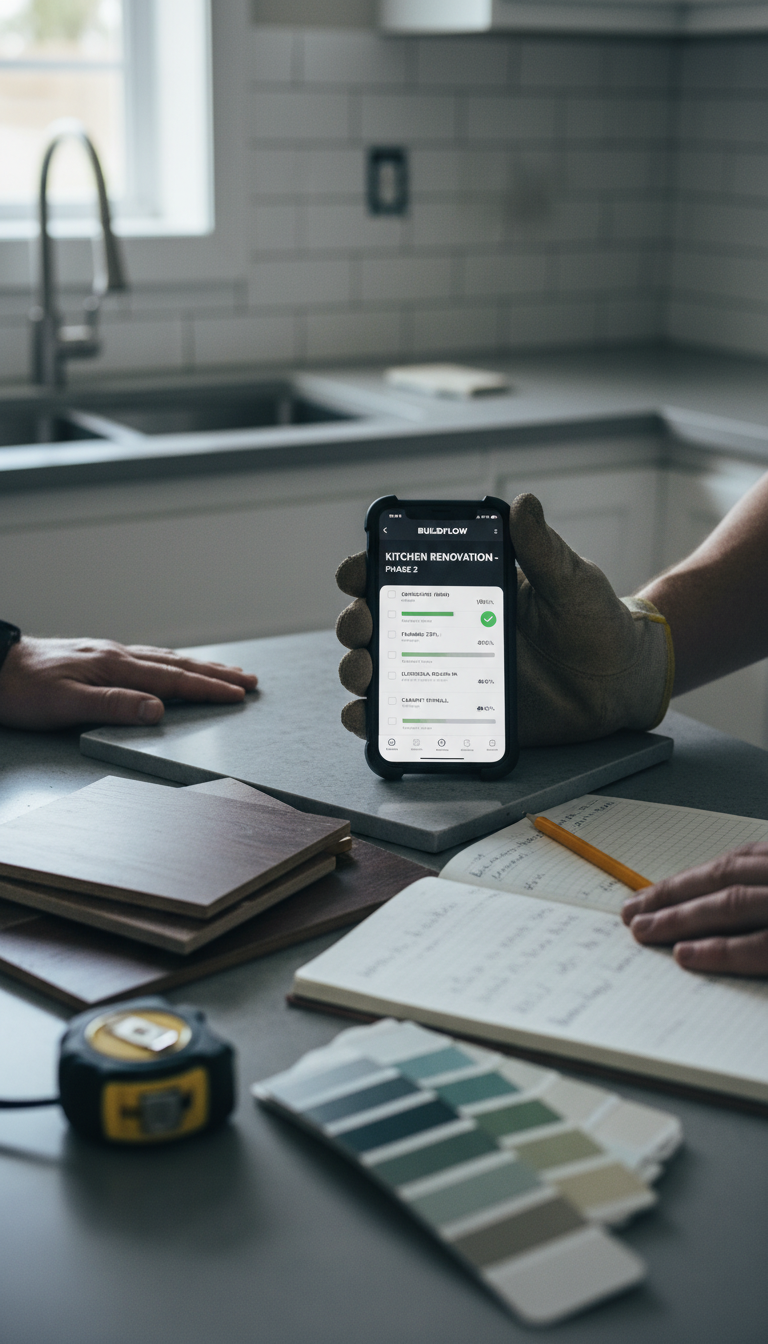
Efficiency in property management is built on foresight rather than reaction. Managing the rental lease renewal timing Fort Worth investors need for high ROI requires a structured countdown that begins four months before the lease expiration. By standardizing the outreach process, you eliminate the surprise vacancies that often lead to unforced errors in property performance.
120 Days: The Temperature Check. Initial outreach should be informal and service-oriented. This is the moment to ask the tenant about their experience and identify any renewal killers. Solving a nagging plumbing issue or a cracked tile now removes the friction that often prevents a tenant from resigning later. It also provides an early signal if their life circumstances, such as a job transfer or a home purchase, will necessitate a move.
90 Days: The Formal Offer. Present the renewal terms based on current DFW market data. This window allows the tenant to digest any rent adjustments and compare them against current listings in areas like Keller or North Richland Hills. Providing this offer early demonstrates professional management and gives the tenant ample time to realize that staying put is more convenient than moving.
60 Days: The Commitment. By this milestone, you should have a signed renewal or a formal notice to vacate. For Fort Worth investors, securing a move-out notice in March or April for a May or June vacancy is a gold mine. It allows you to start marketing the property exactly when the largest pool of renters is actively searching for homes before the fall school semester.
30 Days: The Contractor Pre-Walkthrough. If a move-out is confirmed, conduct a preliminary walkthrough with your dependable make-ready turn contractor. This identifies necessary paint touch-ups, flooring repairs, or cabinet refinishing needs before the tenant even hands over the keys.
Knowing a unit will be vacant by early summer allows you to book Fort Worth rental renovation services before the peak season rush begins. Because high-quality crews are in high demand during the summer, having a project on the calendar 30 days in advance ensures your make-ready starts on Day 1 of the vacancy, not Day 10.
How to Correct a Bad Lease Expiration Date
Finding yourself with a lease set to expire in December means you are essentially holding a ticking time bomb for your cash flow. Correcting this requires a proactive strategy to shift the expiration into the high demand window of May through July. The most effective method is offering an 18 month renewal rather than the standard 12 month term. This naturally pushes the next renewal date into the summer, aligning your property with the peak DFW moving season.
Alternatively, you can utilize a short term bridge lease or a prorated extension. If a tenant is hesitant to sign a long term commitment, propose a six month extension to move the vacancy to June. Even if you must keep the rent flat for those extra months to secure the tenant’s cooperation, the math favors the landlord. The cost of a few months without a rent increase is negligible compared to the thousands of dollars lost to a forty five day vacancy and the aggressive concessions often required to fill a unit in January.
Strategic adjustments to your rental lease renewal timing Fort Worth schedule ensure that when a unit does eventually turn, you can engage Fort Worth rental renovation services during a period where the market supports your highest possible ROI. Working with a dependable make-ready turn contractor is far simpler when you are not competing with the holiday trade schedules or winter weather delays. Resetting the clock is a one time administrative fix that protects the annual performance of your entire portfolio.
Synchronizing Make-Ready Renovations with Peak Demand

Aligning the calendar for a lease renewal is only half the battle; the other half is securing the labor to execute the physical transformation. In the Dallas-Fort Worth metroplex, high-quality renovation crews are often booked weeks or months in advance during the summer surge. By optimizing your rental lease renewal timing Fort Worth to target a spring or early summer vacancy, you position yourself to capture the peak tenant pool while simultaneously scheduling a dependable make-ready turn contractor before their calendars hit capacity.
This strategic timing allows for high-impact, value-add updates that justify a significant rent increase. When the market is at its hottest in June and July, tenants are willing to pay a premium for a modern, turnkey product. This is the ideal window to move beyond basic cleaning and invest in durable, high-ROI materials that withstand the rigors of North Texas rental life.
Upgrade | Material Recommendation | Benefit for DFW Landlords |
|---|---|---|
Flooring | Luxury Vinyl Plank (LVP) | Water-resistant and pet-proof; requires no specialized cleaning between tenants. |
Kitchen Surfaces | Durable Quartz Countertops | Resists staining and chipping better than granite or laminate; offers a high-end aesthetic. |
Cabinetry | Professional Refinishing | Provides a modern look (white or navy) at a fraction of the cost of full replacement. |
Interior Walls | Neutral Grey or White | High-reflectance tones maximize brightness and appeal to the broadest range of renters. |
Executing these Fort Worth rental renovation services during the summer ensures you are not just filling a vacancy, but resetting the property's market value. A unit updated with LVP and quartz in July will command a higher rent and attract a more stable tenant than the same unit listed with dated finishes in the dead of winter. By coordinating the construction schedule with the local school calendar, you ensure the property is offline for the shortest time possible while demand is at its absolute peak.
Frequently Asked Questions About DFW Rental Timing
What are the hardest months to find a tenant in Fort Worth?
November and December represent the most difficult window for filling vacancies in the Dallas-Fort Worth metroplex. Tenant activity drops significantly as families in districts like Keller ISD and Fort Worth ISD prioritize stability during the holiday season and the middle of the school year. Listings that go live during this period often face extended days on market, sometimes sitting for 45 to 60 days before a qualified applicant is secured.
Should I lower my rent if a unit becomes vacant in the winter?
Lowering the rent is a reactionary measure that permanently reduces the asset’s yield. Instead of a price cut, it is more effective to offer a one time concession or, better yet, adjust your rental lease renewal timing Fort Worth strategy. If you must fill a unit in January, sign the tenant to a 16 or 18 month lease. This ensures the next expiration occurs during the peak demand months of May through July, allowing you to reset the rent to market leading rates when the pool of renters is at its largest.
How long should a make-ready renovation take?
A dependable make-ready turn contractor typically completes a standard cosmetic turn, including interior painting and minor repairs, within three to seven days. For more comprehensive Fort Worth rental renovation services that involve LVP flooring installation, quartz countertop upgrades, or cabinet refinishing, investors should budget a full 14 days.
Project Scope | Estimated Duration | Key Focus Areas |
|---|---|---|
Cosmetic Turn | 3 to 7 Days | Paint, deep clean, lighting updates, and hardware. |
Value-Add Rehab | 10 to 14 Days | Flooring, countertops, and major plumbing or electrical updates. |
Full Investor Rehab | 3 to 5 Weeks | Full kitchen/bath remodels and structural changes. |
Can a contractor help me avoid these seasonal vacancy traps?
Yes. A professional DFW fix and flip contractor provides the structured project management needed to hit tight deadlines. By scheduling your renovations during the spring surge, you ensure that the physical work is completed exactly when renter demand peaks, maximizing both your rental rate and your long term property value.