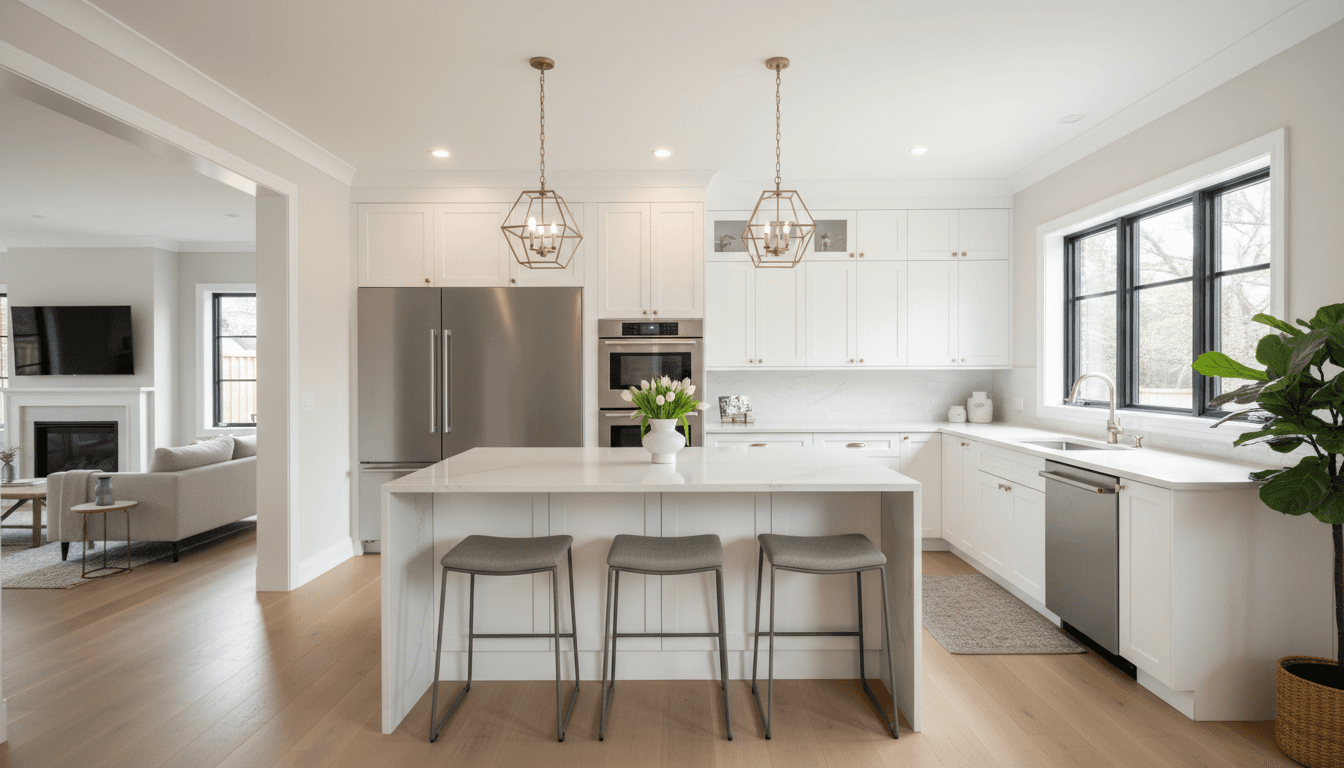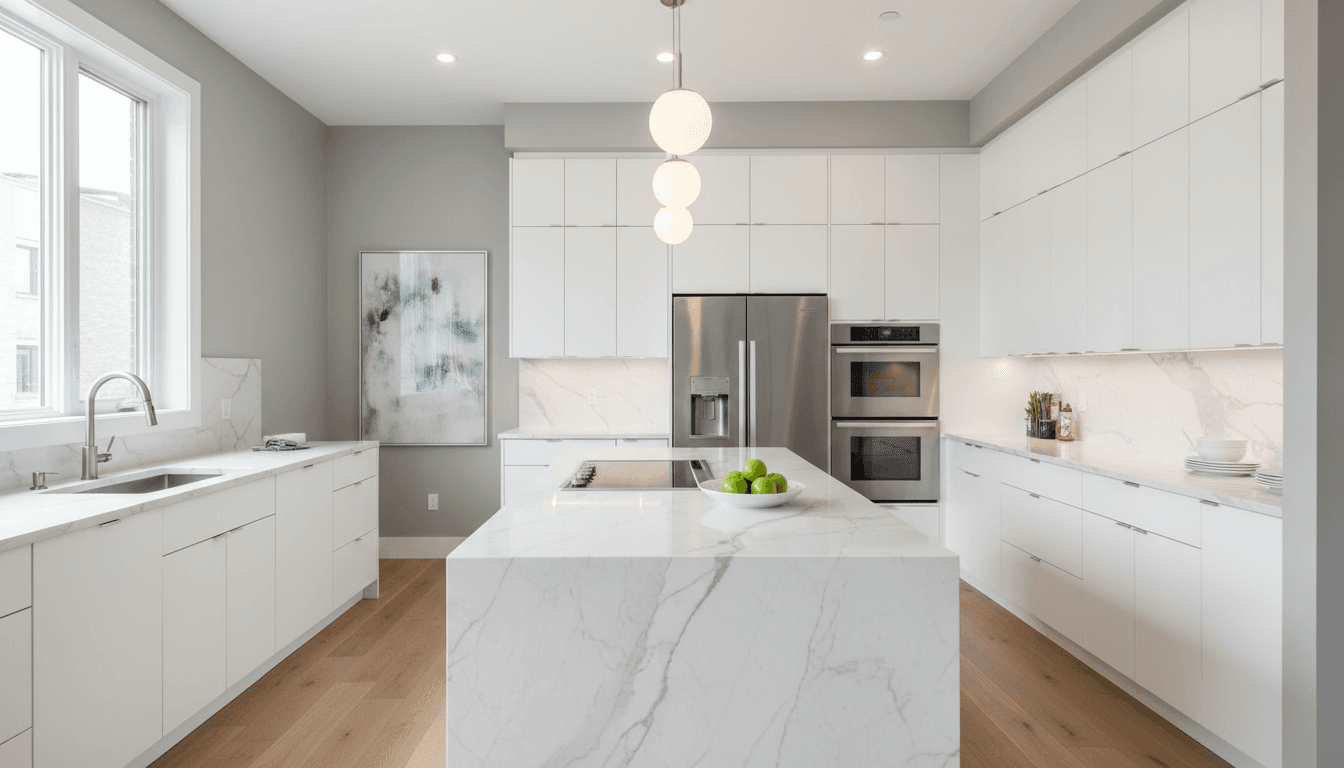

A standard kitchen remodel timeline Fort Worth generally ranges from 12 to 24 weeks including planning and construction. While actual demolition to completion often takes 4 to 16 weeks, professional design and permitting phases add several weeks to the front end of the schedule.
Navigating a kitchen renovation in Fort Worth often feels like a race against an invisible clock, especially when your daily routine is sidelined by a non-functional heart of the home. Many homeowners fear the 'forever project' where weeks turn into months due to poor logistics or unforeseen site conditions. At Bridge & Build Renovations, we believe that a sophisticated remodel requires more than just high-end finishes; it demands precise operational discipline and local expertise. This guide provides a realistic breakdown of the Fort Worth kitchen remodel timeline, covering the essential planning phase and the subsequent months of active construction. You will learn about the critical path of a renovation, the specific regional factors that often cause delays in North Texas, and the professional strategies we use to ensure your home returns to order on schedule.
Understanding the Kitchen Remodel Timeline in Fort Worth
Every homeowner starting a kitchen remodel in Fort Worth asks the same question: how long will my house be a construction zone? While reality television might suggest a total transformation happens in a weekend, the actual kitchen renovation in Dallas or Fort Worth is dictated by logistics, permitting, and trade availability.
We categorize projects into two distinct buckets to set realistic expectations. A cosmetic refresh, which includes cabinet refinishing, new countertops, and backsplash updates, generally spans 3 to 5 weeks of onsite work. A full gut renovation, involving structural changes, subfloor repairs, or new layouts, typically ranges from 10 to 16 weeks. National blogs often promise a two week turnaround, but those timelines ignore the realities of the local market. As an experienced Fort Worth general contractor, we account for the high demand for quality trades and the specific permitting requirements of the City of Fort Worth, which can add weeks to a project before a single sledgehammer is swung.
To ensure transparency, we split the kitchen remodel timeline Fort Worth homeowners experience into two parts: the Pre-Construction Phase and the Active Construction Phase. The former covers everything from design development to material arrival, while the latter encompasses the physical work on site. Navigating these phases correctly is what separates a streamlined renovation from a never ending project.
Phase 1: The Pre-Construction Planning Period (4 to 8 Weeks)

The actual kitchen remodel timeline Fort Worth homeowners should follow begins long before the first dumpster arrives in the driveway. This 4 to 8 week pre-construction planning period is the most critical window for ensuring the project stays on track. It involves three primary pillars: design development, material procurement, and local permitting.
A design-driven process ensures that every cabinet box, light fixture, and appliance location is finalized on paper before construction begins. Selecting your finishes early is not just a stylistic choice; it is a logistical necessity. Custom and semi-custom cabinets often have lead times ranging from 8 to 12 weeks. If you wait until demolition is complete to order your cabinets or specific appliances, your kitchen will sit empty for months. Choosing cabinets, countertops, and appliances during this initial phase is the most effective way to prevent mid-project stalls and keep trades moving.
Furthermore, the permitting process in Fort Worth requires professional oversight. If your kitchen renovation in Dallas or Fort Worth involves removing a load-bearing wall, relocating a gas line for a new range, or upgrading an electrical panel, the City of Fort Worth Development Services department requires building permits and subsequent inspections. Navigating these requirements requires a Fort Worth general contractor who understands local codes and can submit accurate documentation to avoid lengthy revision cycles. This planning period is where we build the roadmap that allows for organized, fast-paced execution once the active construction begins.
Phase 2: Active Construction and the Critical Path (6 to 12 Weeks)
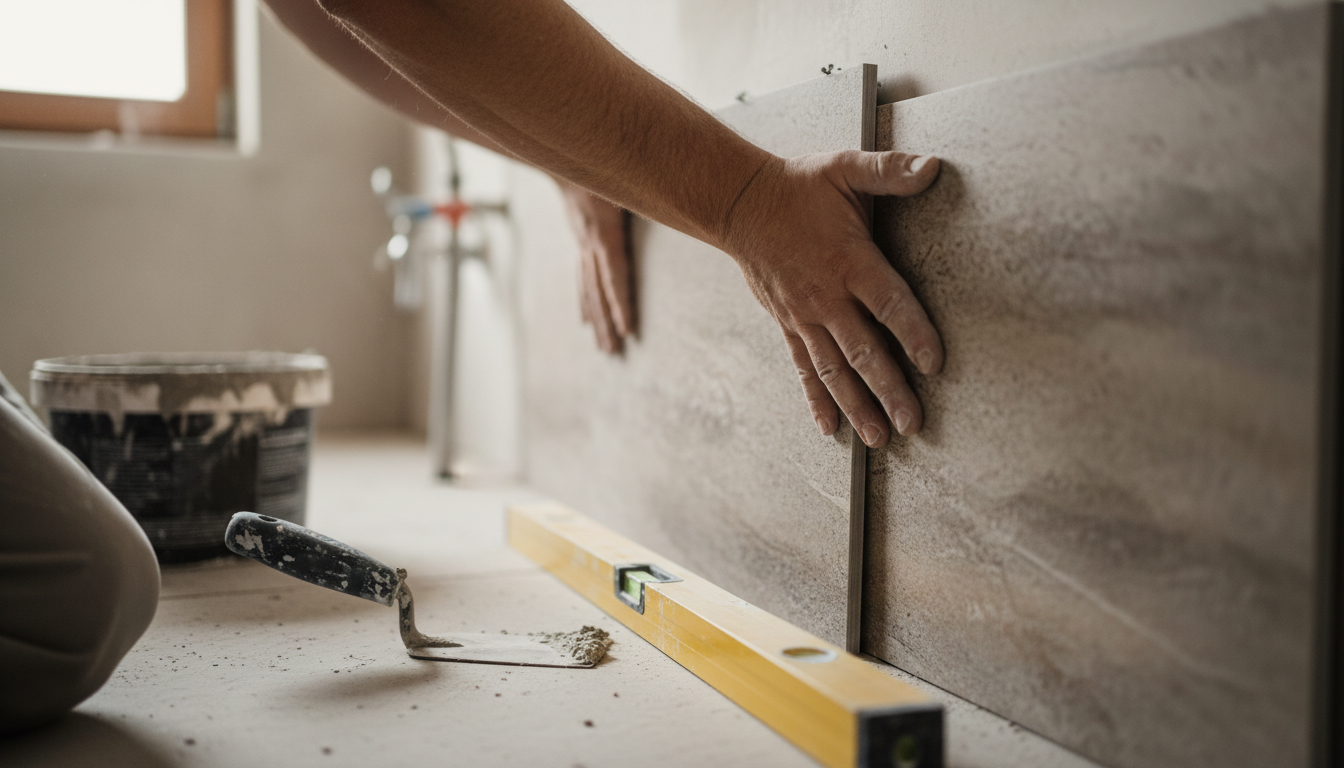
Once the permits are secured and materials have arrived, the active kitchen remodel timeline Fort Worth homeowners experience moves into a structured sequence of trades. This phase typically spans 6 to 12 weeks, depending on the complexity of the layout and structural changes. Following a logical order of operations is essential to maintaining momentum and avoiding costly re-work.
Week(s) | Phase | Primary Activities |
|---|---|---|
Week 1 | Demolition | Removal of old cabinetry, appliances, flooring, and debris. |
Weeks 2-3 | Rough-ins | Plumbing, electrical, and gas line modifications; city inspections. |
Weeks 4-5 | Surfaces | Drywall repair, texture, painting, and primary flooring installation. |
Weeks 6-7 | Cabinetry | Delivery and precision installation of base and wall cabinets. |
Weeks 8-9 | Countertops | Professional templating, off-site fabrication, and stone installation. |
During Weeks 2 and 3, a Fort Worth general contractor focuses on the "behind-the-wall" infrastructure. This is the only window to relocate a sink, add a dedicated circuit for a professional-grade range, or move gas lines. Once the City of Fort Worth inspectors sign off, the space is closed in with drywall and flooring, setting the stage for the most sensitive part of the schedule: the Critical Path.
The Critical Path is the sequence of tasks where a delay in one step directly pushes back the final completion date. In a kitchen renovation in Dallas or Fort Worth, the most rigid dependency is the relationship between cabinets and countertops. A fabricator cannot accurately template for quartz or granite until the cabinets are permanently installed, leveled, and secured. Even a quarter-inch shift in a cabinet box after the template is made will result in a slab that does not fit. This creates a mandatory 7 to 10 day fabrication window where onsite work may appear to slow down while the stone is cut off-site; however, this precision is what ensures a high-quality, long-lasting result.
Why Kitchen Remodels Run Late: Common DFW Delay Drivers
Even with a solid plan, specific local factors often derail the kitchen remodel timeline Fort Worth homeowners expect. The most frequent bottleneck involves material procurement delays caused by late selections. If a homeowner waits until construction begins to visit a Dallas stone yard for a specific quartzite slab, they often find that the material is backordered or the fabrication queue is weeks deep. This creates a dead zone where the site sits idle because the kitchen renovation in Dallas or Fort Worth cannot progress without the primary surface.
Infrastructure surprises also play a significant role, particularly in historic neighborhoods like Fairmount or established enclaves like Tanglewood. Opening a wall in a 1920s bungalow or a mid-century ranch often reveals non-code-compliant electrical wiring, corroded galvanized plumbing, or structural settling that requires immediate remediation. These behind-the-wall discoveries can add five to ten days to the schedule as a Fort Worth general contractor must coordinate additional inspections and specialized repairs.
The final, and most frustrating, delay driver is the "Vanishing Contractor" syndrome. In the DFW market, many projects stall because a crew moves to another site before finishing the current phase. Bridge & Build Renovations eliminates this through structured project management and daily communication. We maintain momentum by treating residential projects with the same urgency as a high-speed rental turn. We consider showing up on time and answering the phone a standard requirement rather than a luxury feature; ensuring that homeowners are never left wondering about the status of their kitchen remodel in Fort Worth.
The Impact of Scope Creep and the 30 Percent Rule
Budgeting for a renovation involves more than just the initial quote. The 30 Percent Rule is a standard industry recommendation to set aside a contingency fund between 20 and 30 percent of the project total. This buffer accounts for hidden structural issues while providing a safety net for scope creep. Scope creep refers to mid-project additions often prefaced by the phrase "while you're at it." These changes are major drivers of timeline extensions because they force a Fort Worth general contractor to backtrack on the critical path.
For example, requesting a lighting layout change after the drywall is finished adds at least 3 to 5 days of rework. The electrician must return to pull new wire, followed by drywall patches, texture matching, and repainting. These cumulative adjustments can push a kitchen remodel in Fort Worth weeks past the deadline. Maintaining a kitchen renovation in Dallas on schedule requires the discipline to stick to the finalized design rather than introducing variables once trades are already in motion.
How to Keep Your Fort Worth Kitchen Renovation on Schedule

The most effective way to protect your kitchen remodel timeline Fort Worth is to adopt a zero-start policy. This means ensuring 100 percent of your materials, from the specialized backsplash tile to the specific kitchen faucet, are either on-site or staged at a warehouse before demolition begins. Waiting for a backordered fixture while the plumber is scheduled to be on-site is a preventable failure that ripples through the rest of the project.
We apply a Fast-Paced Rental Turn mindset to every project, even high-end residential updates. This approach focuses on professional oversight and tight coordination between trades, ensuring that once the work begins, the momentum never stops. As a Fort Worth general contractor, we believe that organized renovations rely on structured schedules rather than luck.
At Bridge & Build Renovations, we address the common industry complaint where showing up on time and answering the phone is treated like a luxury feature. By maintaining daily communication and adhering to a pre-defined sequence of events, we keep your kitchen renovation in Dallas or Fort Worth moving forward. This level of discipline ensures your kitchen remodel in Fort Worth finishes within the projected window, allowing you to return to your normal routine without the stress of an indefinite construction zone.
Frequently Asked Questions About DFW Kitchen Timelines
Homeowners planning a kitchen remodel in Fort Worth frequently ask similar questions regarding logistics and expectations. Here are the most common inquiries we address during the initial consultation.
What is the average time for a kitchen remodel? Most projects involving a full gut and replacement of all surfaces require 8 to 12 weeks of active construction. This timeframe excludes the pre-construction planning phase, where custom cabinet lead times can add 8 to 12 weeks of preparation before a single hammer is swung.
What time of year is best for remodeling in Fort Worth? Interior work is ideal during the Texas summer heat, as it keeps crews indoors and away from the elements. However, the most critical timing factor is avoiding the holiday rush. Starting a project in late October or November puts immense pressure on trade schedules and shipping logistics. Planning your renovation to avoid a December completion deadline ensures better access to quality trades.
Is $30,000 enough for a kitchen renovation? In the DFW market, $30,000 typically covers a high-quality cosmetic refresh, including cabinet refinishing, new stone countertops, a tile backsplash, and updated fixtures. A full-scale kitchen renovation in Dallas involving new custom cabinetry and floor plan changes usually exceeds this figure. A smaller budget often requires using in-stock materials, while larger budgets allow for custom-ordered items that come with longer lead times. As an experienced Fort Worth general contractor, we help you align your project scope with a realistic budget to ensure the kitchen remodel timeline Fort Worth homeowners expect remains intact.