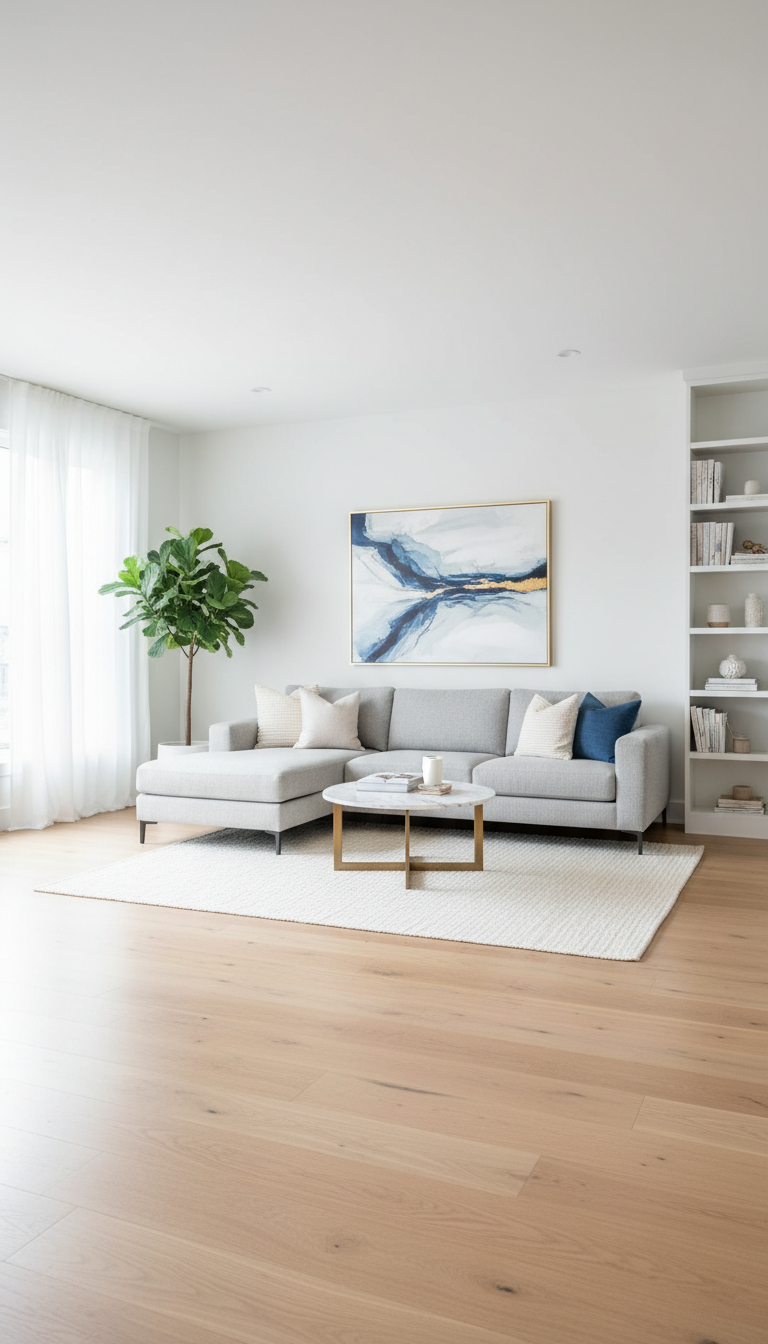
Flooring installation Fort Worth typically costs between $6 and $18 per square foot for mid-grade materials; most homeowners spend an average of $2,174 to $3,133 for standard projects. Final pricing depends on material selection, subfloor preparation requirements, and professional labor rates which currently average approximately $24 per hour in the North Texas region.
Staring at warped luxury vinyl or cracked ceramic tiles can be incredibly frustrating for Fort Worth homeowners; these issues often stem from the unique challenges of our North Texas terrain. While aesthetic appeal is vital, the longevity of your investment depends entirely on what lies beneath the surface. In our expansive clay soil, a standard installation often falls short of what is required for lasting stability. This guide provides a professional perspective on flooring installation in Fort Worth, covering the technical nuances of subfloor preparation and the realistic costs associated with high quality work. You will learn how to navigate the renovation sequence, choose materials that withstand local humidity, and avoid the common pitfalls that compromise DFW remodeling projects. From calculating your budget to selecting the right sequence for your remodel, we are here to ensure your renovation is built on a solid foundation.
The Real Cost of Flooring Installation in Fort Worth
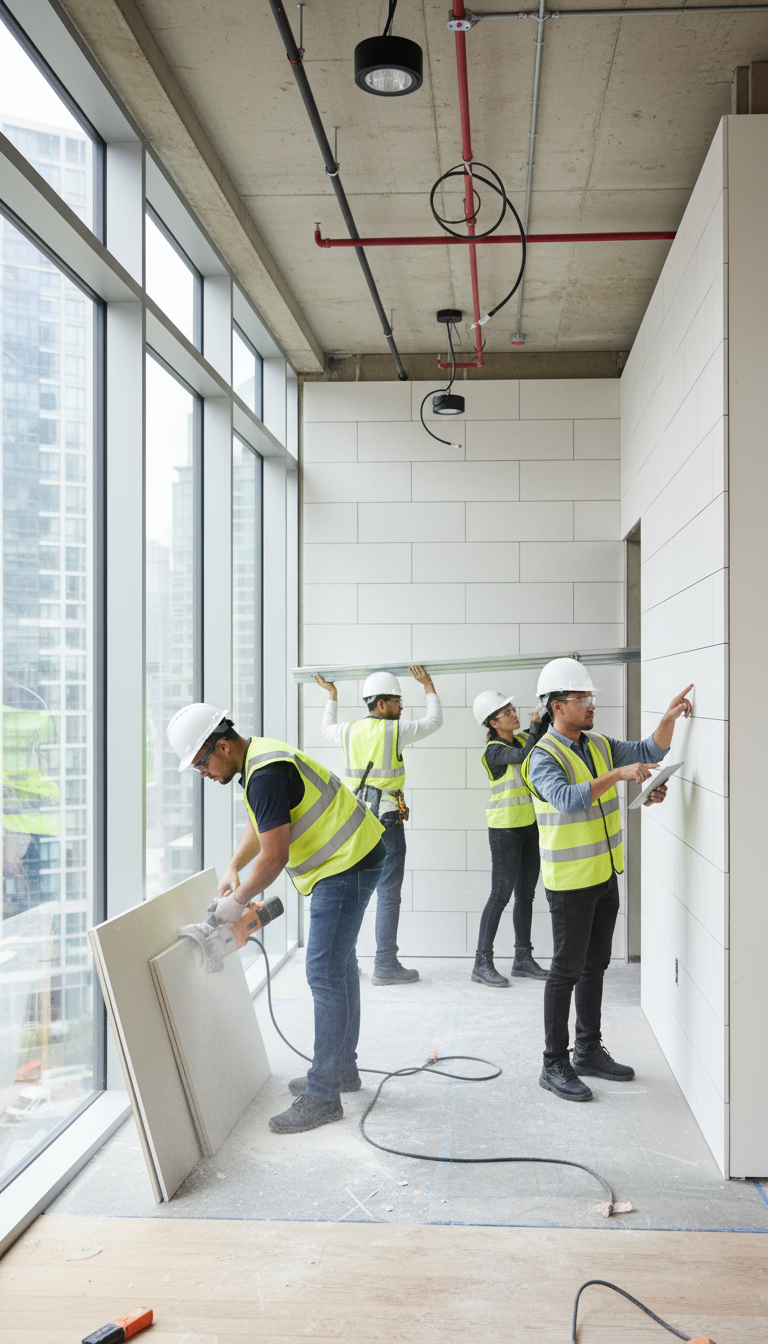
National cost aggregators often provide numbers that feel disconnected from the actual invoices you see in North Texas. As a Fort Worth general contractor, we see a distinct market where pricing reflects both the high demand for trade labor and the specific logistical realities of the DFW metroplex. While you might see premium Southlake or Dallas projects commanding a 15 to 20 percent markup on labor due to site complexity and higher finish expectations, Fort Worth maintains a balance between value and high quality execution.
Labor rates for flooring installation Fort Worth typically fall between $2 and $5 per square foot for standard applications. However, these rates fluctuate based on the material choice and the scope of the project. A high volume rental turn using glue-down LVP focuses on speed and efficiency, whereas a full service home renovation involving large format tile or pattern-laid hardwood requires technical precision that pushes labor costs higher.
The following table outlines projected 2026 pricing for the Fort Worth market:
Material Type | Material Cost (per sq. ft.) | Labor Cost (per sq. ft.) | Total Est. Installed |
|---|---|---|---|
Luxury Vinyl Plank (LVP) | $2.50 to $5.50 | $2.00 to $3.50 | $4.50 to $9.00 |
Engineered Hardwood | $6.00 to $13.00 | $3.50 to $6.50 | $9.50 to $19.50 |
Porcelain Tile | $3.00 to $12.00 | $6.00 to $12.00+ | $9.00 to $24.00+ |
Investment property owners often target the lower end of the LVP spectrum to maximize ROI, focusing on durable materials that can withstand tenant turnover. Homeowners investing in long-term residences generally prioritize thicker wear layers and custom transitions that blend seamlessly with existing finish carpentry. It is important to note that these figures assume a clean, ready to install surface. They do not account for the extensive subfloor preparation that Fort Worth slabs often require; skipping that step to save a few dollars today is the most common cause of flooring failure in our region.
The North Texas Slab: Why Subfloor Preparation is Non Negotiable
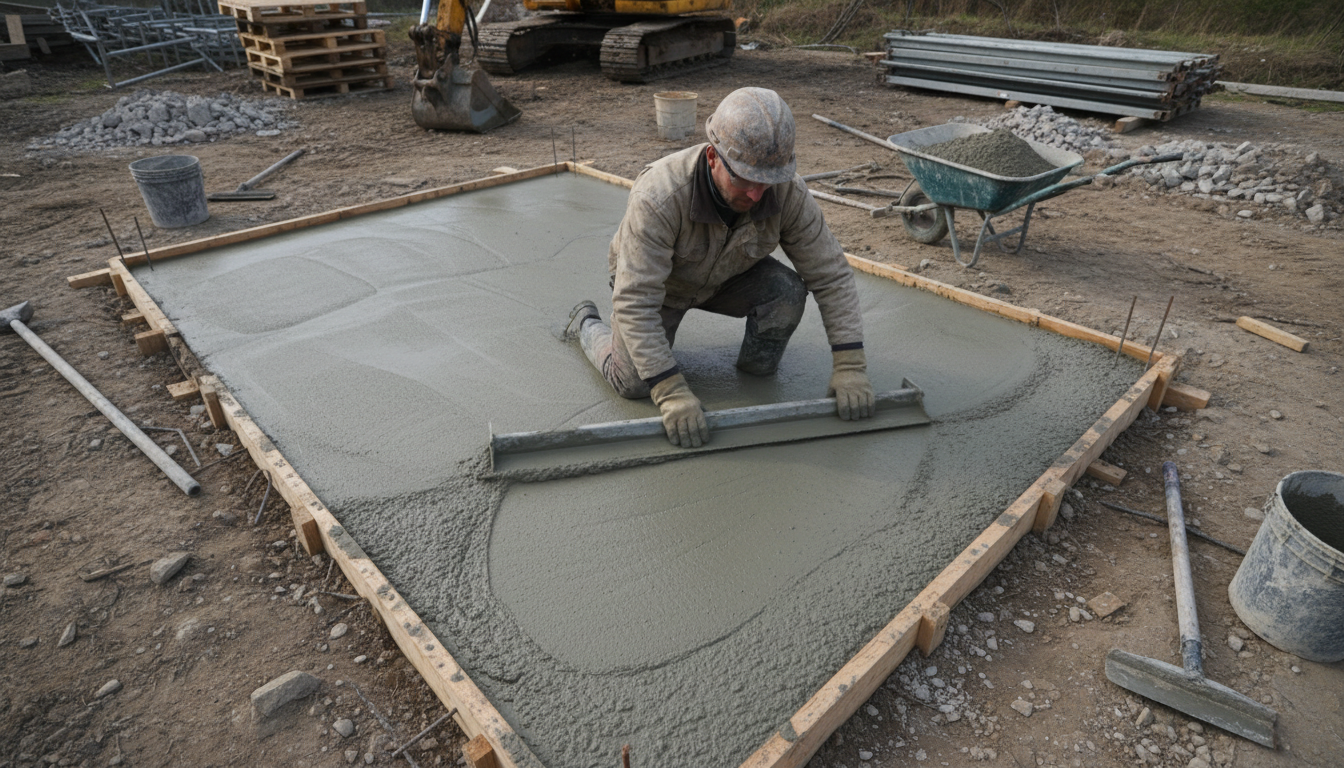
The reason those budget quotes often fail is a misunderstanding of what lies beneath the surface. In North Texas, specifically around Fort Worth and Arlington, the expansive clay soil acts like a sponge; it expands when wet and contracts during our brutal summer droughts. This movement puts immense stress on concrete slabs, leading to shifting, settling, and inevitable cracking. For a successful flooring installation Fort Worth homeowners can rely on, the focus must start with the technical integrity of the slab rather than just the aesthetic of the plank.
Moisture is the silent killer of new floors. Even if a slab looks dry, concrete is a porous material that can wick ground moisture upward. Before we install any material, our team performs moisture testing using calcium chloride tests or Relative Humidity (RH) probes. If the moisture vapor emission rate is too high, it will delaminate adhesives, cup engineered hardwood, or cause mold growth under vinyl. Professional Fort Worth general contractors prioritize these tests to determine if a topical moisture barrier or specialized primer is required to protect your investment.
Slab cracks are another reality of the DFW geography. While hairline fractures are common and often cosmetic, any crack wider than 1/8 inch or one that shows vertical displacement, where one side of the crack is higher than the other, requires mechanical repair. We use epoxy injections or crack-isolation membranes to stabilize these areas before proceeding. Ignoring these active cracks ensures they will eventually telegraph through your new tile or cause grout lines to snap under the pressure of the shifting house.
The final pillar of prep is floor leveling. Modern Luxury Vinyl Plank (LVP) and large format porcelain tiles require a surface that is flat within 3/16 of an inch over a 10 foot radius. If the slab is wavy or pitted, floating floors will bounce or click, creating a cheap, hollow sound when walked upon. We utilize self-leveling underlayment (SLU) to create a perfectly smooth substrate. This technical step is what separates a high-end full service home renovation from a project that looks good on day one but fails by year two.
Best Flooring Materials for Fort Worth Homes and Rental Properties
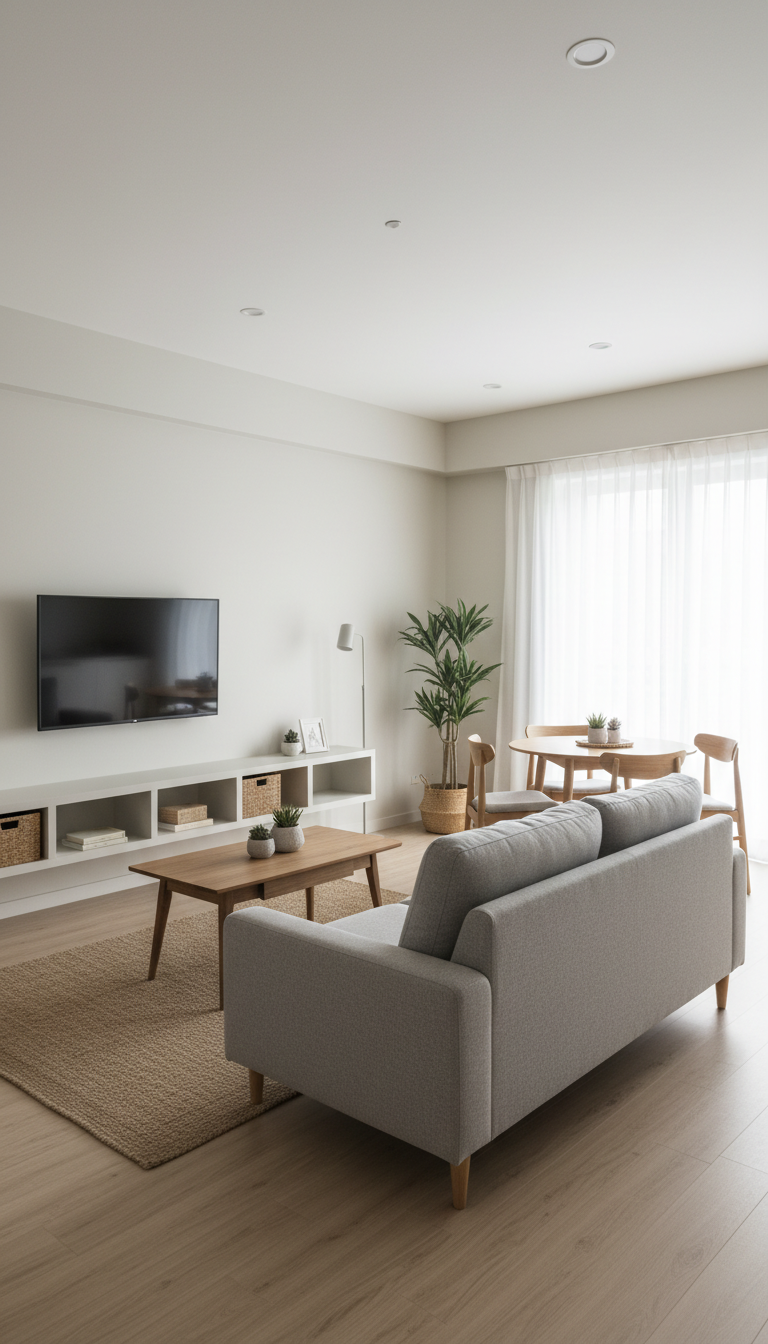
Selecting the right material requires balancing long term ROI against immediate durability needs. For a full service home renovation intended for a permanent residence, homeowners typically gravitate toward engineered hardwood. Unlike solid wood, engineered planks feature a multi-layer plywood or HDF core that resists the seasonal expansion and contraction common in North Texas. A frequent question we receive is if you can put hardwood on a slab. The answer is yes, provided it is engineered wood. Solid wood installed directly over concrete often buckles when exposed to the moisture levels found in our local slabs; engineered wood handles these conditions while maintaining a clean design and high end aesthetic.
Real estate investors and property managers operate under different constraints. For rental property turns and high traffic flips, Luxury Vinyl Plank (LVP) is the undisputed king. LVP provides the look of wood with a level of water resistance and scratch durability that hardwood cannot match. It allows for a faster flooring installation Fort Worth timeline, making it ideal for investors who need to minimize vacancy days. We prioritize durable materials that can survive pet claws and minor plumbing leaks, two common issues that lead to expensive repairs in rental units.
Feature | Engineered Hardwood | Luxury Vinyl Plank (LVP) |
|---|---|---|
Best For | Primary Residences | Rental Properties / Active Households |
Moisture Resistance | Moderate (Slab-safe) | High (Waterproof options) |
ROI Type | Equity & Resale Value | Durability & Maintenance Savings |
Installation Style | Glue-down or Floating | Click-lock / Floating |
Repairability | Sand and Refinish (limited) | Individual Plank Replacement |
In bathroom remodels in Fort Worth, our team generally moves away from wood based products entirely. Porcelain tile remains the gold standard for wet areas due to its impervious nature. However, for the main living areas of a home, the choice usually comes down to the tactile warmth of real wood versus the bulletproof nature of high quality vinyl. Each material serves a specific purpose in the DFW market, and the right choice depends on your five year plan for the property.
The Renovation Sequence: When to Install Flooring During a Remodel
Integrating a new floor into a kitchen or bathroom remodel requires more than just picking a color; it demands a strict adherence to construction sequencing. In a full service home renovation, flooring is typically one of the final installations. This timing protects your investment from the heavy traffic, dropped tools, and paint spills that characterize the earlier stages of a project. However, the planning phase for your flooring must happen during the initial framing and cabinetry design to ensure seamless transitions between rooms.
A common point of confusion in bathroom remodels in Fort Worth and kitchen updates is the order of cabinets versus floors. At Bridge & Build, we follow a specific protocol based on the material type:
Tile and Glue-Down Materials: These should be installed before the cabinets. This creates a continuous, level surface, allowing for easier appliance installation and future layout changes without leaving gaps in the floor coverage.
Floating Floors (LVP and Engineered Hardwood): These must be installed after the cabinets. Floating floors require space to expand and contract. Pinning them under the weight of heavy base cabinets or a kitchen island causes the planks to buckle or the locking mechanisms to fail.
As a Fort Worth general contractor, we manage these trade handoffs meticulously. We coordinate with the trim carpenters to ensure baseboards are installed after the flooring for a clean finish, rather than using bulky shoe molding. Proper project management also involves calculating threshold heights early. If you are moving from a thick porcelain tile to a thinner LVP, we plan for subfloor adjustments or custom transition strips to avoid trip hazards and maintain a modern, clean design. This level of coordination prevents the costly rework that often plagues unmanaged renovations.
Calculating Your Project: How Much Does 1000 Square Feet of Flooring Cost?
Understanding the total investment for a flooring installation Fort Worth requires looking beyond the raw material price. A 1,000 square foot project is a common benchmark for a main living area or a small rental property; meanwhile, 2,000 square feet often covers an entire single-story home or a substantial full service home renovation.
The following table provides realistic, fully installed price ranges for the DFW market. These estimates include labor, mid-grade materials, and basic site preparation:
Material Type | 1,000 Sq. Ft. (Fully Installed) | 2,000 Sq. Ft. (Fully Installed) |
|---|---|---|
Economy LVP (Rental Spec) | $5,000 to $7,500 | $10,000 to $15,000 |
Mid-Range LVP or Engineered Wood | $8,500 to $13,000 | $17,000 to $26,000 |
Premium Engineered Wood | $15,000 to $24,000 | $30,000 to $48,000 |
Porcelain Tile | $12,000 to $28,000 | $24,000 to $56,000 |
These figures represent "middle of the road" estimates. To avoid budget creep, you must account for ancillary costs that national calculators often omit. As a Fort Worth general contractor, we find these four items typically drive the final price:
Furniture Manipulation: Moving heavy items like pianos, large sectionals, or pool tables typically adds $400 to $900 to the labor bill.
Demolition and Debris Disposal: While removing carpet is fast, chipping up existing tile can add $3 to $6 per square foot in labor and dump fees.
Baseboard Finishing: We prefer removing and reinstalling baseboards to avoid the dated look of quarter-round molding. This requires careful labor, new finish nails, and touch-up painting.
Transitions and T-Molding: Coordinating heights between a new LVP floor and existing tile in bathroom remodels in Fort Worth requires specialized transition strips, which can cost $35 to $60 per doorway.
Accurate budgeting starts with a clear scope of work. Identifying these line items early ensures that the final invoice aligns with the initial project plan.
Common Flooring Mistakes to Avoid in DFW Renovations
Even the most expensive materials will fail if the basics of physics and project management are ignored. The most frequent error we see during a full service home renovation involves improper acclimation. Texas humidity is a relentless force; bringing engineered wood directly from a 100 degree delivery truck and installing it immediately into a 70 degree, climate controlled home is a recipe for cupping and structural failure. Professional flooring installation Fort Worth requires letting the material sit in the active HVAC environment for at least 48 to 72 hours before a single plank is laid.
Another common oversight is the neglect of expansion gaps. Floating floors are designed to move. When a budget installer runs planks tight against the drywall or door jambs to save time on trim work, the floor will eventually peak and buckle as it expands. We ensure these gaps are maintained and hidden beneath properly installed baseboards. In bathroom remodels in Fort Worth, poor planning often results in clumsy, elevated transitions that become permanent trip hazards. A professional Fort Worth general contractor coordinates these heights during the subfloor prep phase to ensure a seamless flow between rooms.
Ultimately, the greatest risk in any remodel is the lack of professional oversight. Many homeowners end up with contractor horror stories not because of the materials, but because their installer stopped answering the phone when a technical issue arose. At Bridge & Build Renovations, we eliminate these risks through daily communication and a structured project management process that prioritizes technical precision over shortcuts. We believe that professional management, combined with an actual response to your phone calls, should be the standard, not a luxury feature.
Upgrading your floors is a significant investment that requires careful subfloor preparation and a realistic budget. While taking on a DIY project can be rewarding, the technical details of installation often require a professional touch to ensure longevity. If you want expert help navigating these choices or managing the labor, feel free to explore our Services. We are here to help you build a beautiful, lasting foundation for your Fort Worth home.