
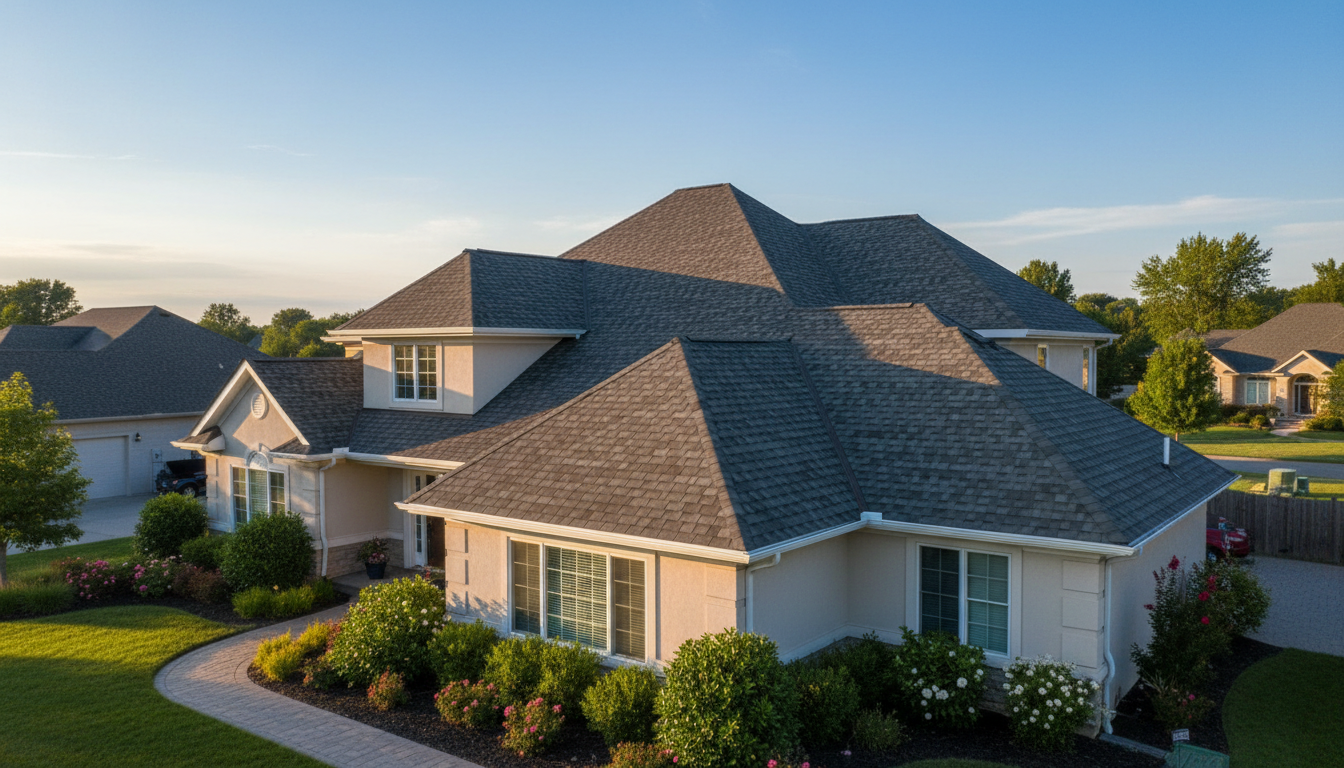
The most effective sequence for an exterior renovation Fort Worth remodel starts with the roof to establish a watertight seal before installing windows, doors, and siding. This top down approach protects your home from Texas hail damage and ensures that new structural elements are not compromised during the construction process.
Living in Fort Worth means your home is constantly at the mercy of the Texas elements. Between the scorching summer sun and the inevitable spring hail storms, a poorly planned exterior renovation can quickly become a financial liability. Many homeowners rush into repairs without understanding that the order of operations is just as critical as the materials used. If you install new siding before addressing a compromised roof, you risk damaging your investment during the next heavy downpour. At Bridge & Build Renovations, we believe in a strategic approach that prioritizes long term durability over quick fixes. In this guide, we will break down the ideal remodeling sequence, explain the complexities of the Texas 25 percent rule for roofing, and help you navigate insurance claims. You will also learn about the best siding options for the DFW climate and common pitfalls to avoid regarding gutters and fascia.
Why Sequence Matters for Your Exterior Renovation in Fort Worth
Every successful exterior renovation begins with an understanding of the building envelope, which is the physical barrier separating your climate-controlled living space from the volatile North Texas environment. In Fort Worth, this envelope must withstand triple digit heat, high speed winds, and the frequent hailstorms that characterize Tarrant County. Prioritizing the order of operations is not just about logistics; it is a critical risk management strategy to protect your financial investment.
Installing new siding before a roof is a frequent error that leads to expensive consequences. Roofing is a heavy, destructive process. Debris falling from the eaves can easily dent or scratch brand new siding, and the installation of roof flashing requires direct access to the areas behind your top siding boards. If these components are not integrated in the correct sequence, you risk moisture penetration that can void manufacturer warranties and ruin an expensive full home renovation from the inside out. Water trapped behind improperly flashed siding eventually leads to rot, mold, and structural degradation that is far more costly to fix than the original remodel.
Bridge & Build Renovations applies investor-level efficiency to every exterior renovation Fort Worth remodel. As a general contractor in Fort Worth, our project management process ensures the structural integrity of the roof is secured before cosmetic or secondary exterior upgrades begin. This logical flow prevents redundant labor, minimizes the risk of damage to new materials, and ensures your interior updates remain dry and protected when a Texas thunderstorm rolls in.
The Ideal Exterior Remodel Sequence: Roof, Windows, and Siding
Executing an exterior renovation Fort Worth remodel requires a specific chronological order to ensure each layer of the building envelope drains water away from the structure. When trades overlap or work out of sequence, the risk of technical failure increases. At Bridge & Build Renovations, we manage this progression with a focus on structural integrity and logistical efficiency.
The Roof: This is always the starting point. Beyond providing immediate protection for the interior, roofing is the most physically demanding phase of the exterior process. Bundles of shingles are heavy, and the removal of old materials creates significant debris. If siding is installed first, the roofing crew inevitably risks denting or scratching the new boards while working along the eaves and rakes. Furthermore, the roof must be in place so the step flashing and kick-out flashing can be properly integrated with the wall layers that follow.
Windows and Doors: Once the roof is secure, we address the fenestration. Installing windows and doors before the siding allows for the correct application of the weather-resistive barrier (WRB) and flashing tape. This ensures that any water that manages to get behind the siding is directed over the window flange rather than behind it. In the North Texas climate, where wind-driven rain is common, this step is non-negotiable for preventing rot within the wall cavity.
Siding and Stucco: With the roof and windows providing a primary seal, the siding acts as the final protective skin. This sequence allows the siding to overlap the window flashing and butt up against the roof’s drip edge and flashing components correctly. It also ensures that the siding sits flush against the trim boards for a clean, professional finish that requires less sealant over time.
Gutters and Trim: We treat gutters and final trim as the finishing touches. Gutters are susceptible to damage from ladders and falling materials, so they must be installed only after the heavy lifting of the roof and siding is complete. This ensures the drainage system is pristine and perfectly pitched to handle the torrential downpours common in the DFW metroplex.
By following this sequence, a general contractor in Fort Worth can ensure that each component reinforces the next. This prevents redundant labor and ensures that warranties for high-end materials, often used in a full home renovation, remain valid and enforceable.
Navigating the Texas 25 Percent Rule for Roofing
Understanding the technical requirements of the roof goes beyond simple aesthetics or leaks. In North Texas, the most critical regulatory hurdle is the 25 percent rule. Under the International Residential Code adopted by many local municipalities, if more than 25 percent of a roof surface is damaged or requires replacement within a 12 month period, the entire roof must be brought up to current building codes. This regulation is a major factor in any exterior renovation Fort Worth remodel, as it can instantly turn a localized repair into a comprehensive structural update.
For older homes in neighborhoods like Aledo or Burleson, this rule often reveals hidden deficiencies. Many residences built several decades ago utilized spaced decking, which consists of 1x6 or 1x8 boards with gaps between them. Modern code requires a solid, nailable surface. If the 25 percent threshold is met, we must install new OSB or plywood sheathing over the existing slats to meet current standards. Additionally, ventilation requirements have evolved significantly. A general contractor in Fort Worth must ensure the new system includes adequate ridge vents and soffit intakes to prevent attic heat from prematurely degrading the new materials. Addressing these code requirements during a full home renovation ensures the structure is legally compliant, properly insured, and physically prepared to handle the extreme Texas climate.
Handling Hail Damage and Insurance Claims During a Remodel
When a Tarrant County hailstorm hits, the line between an emergency repair and an intentional exterior renovation Fort Worth remodel often blurs. If your roof or siding sustains significant damage, the insurance claim process becomes the primary financing vehicle for the project. However, coordinating a claim with an elective remodel requires precise documentation. You must distinguish between what the insurance carrier is obligated to pay, which is restoring the home to its pre-storm condition, and the cost of upgrades you choose to add, such as switching from basic shingles to impact-resistant materials or upgrading from vinyl to fiber cement siding.
A critical component of these claims is recoverable depreciation. Most modern policies pay in two stages. The first check covers the Actual Cash Value (ACV), which is the depreciated value of the old, damaged materials. The remaining funds, known as recoverable depreciation, are only released once the work is completed and a final invoice is submitted to the carrier. Managing this cash flow while funding a full home renovation can be complex for a homeowner to navigate alone, especially when balancing multiple trades and material deliveries.
This is where a general contractor in Fort Worth provides significant value. We act as the central point of contact between the insurance adjuster and the production crew. If an adjuster misses code-required items, such as the 25 percent rule or proper flashing details mentioned previously, we provide the necessary supplements and technical documentation to ensure the claim reflects the actual cost of a code-compliant build. This professional oversight prevents the project from stalling mid-construction due to funding gaps or bureaucratic delays, keeping the renovation on a structured timeline despite the complications of an insurance claim.
Choosing the Best Siding for the Dallas Fort Worth Climate
Selecting the right material for an exterior renovation in North Texas requires balancing aesthetic goals with the reality of our brutal climate. The combination of sustained triple digit heat and the occasional grapefruit sized hail stone makes certain materials far more viable than others for a long term investment.
Fiber cement, commonly known by the brand name Hardie Board, is the industry standard for a high quality exterior renovation Fort Worth remodel. Unlike traditional wood or vinyl, fiber cement is dimensionally stable; it does not expand or contract significantly when the temperature swings sixty degrees in a single afternoon. This stability prevents the paint film from cracking and peeling, which is essential for protecting the underlying structure. For Tarrant County homeowners, the primary draw is impact resistance. Fiber cement handles hail far better than vinyl and is non combustible, providing an extra layer of safety during dry Texas summers.
Material | Best Use Case | Hail Resistance | Heat Tolerance |
|---|---|---|---|
Fiber Cement | Custom Remodels (Southlake, Keller) | High | Excellent |
Insulated Vinyl | Rental Turns (Arlington, Benbrook) | Moderate | Moderate |
Engineered Wood | Modern Aesthetics (Aledo, Fort Worth) | High | Good |
While fiber cement is the preferred choice for a custom full home renovation in Southlake or Keller, high quality insulated vinyl remains a practical, cost effective option for a rental property turn in Arlington. It provides a clean, updated look with lower upfront costs for investors. Engineered wood, such as LP SmartSide, offers another durable alternative that mimics the texture of natural wood while resisting the fungal decay that often plagues older Fort Worth homes. As a general contractor in Fort Worth, we focus on matching the material to your specific goals, ensuring the siding performs as well as it looks.
Exterior Remodel Costs in Fort Worth for 2026
Determining the budget for a 2026 exterior renovation Fort Worth remodel requires a realistic look at current labor and supply chain trends in Tarrant County. For a standard residential property, a new asphalt shingle roof typically ranges from $9,600 to $16,000. This variance depends on the square footage, the pitch of the roof, and whether the existing decking requires replacement to meet the code requirements mentioned previously.
Siding installations generally fall between $7,500 and $15,000. A rental property update in Arlington using insulated vinyl will sit at the lower end, while a custom full home renovation utilizing fiber cement in Keller will naturally approach the higher end of the spectrum due to material weight and installation complexity.
Service Type | Estimated Range (2026) | Primary Cost Drivers |
|---|---|---|
Asphalt Shingle Roof | $9,600 – $16,000 | Square footage, pitch, decking updates |
Siding Installation | $7,500 – $15,000 | Material choice, trim detail, home height |
To maximize the return on your investment, consider bundling these services. When a general contractor in Fort Worth manages the roof, siding, and windows as a single exterior renovation, you significantly reduce mobilization fees. Coordinating these trades under one project manager ensures that the specialized crews for each phase arrive in the correct sequence; this prevents the costly damage and redundant labor that often plague projects managed piecemeal by separate vendors.
Common Mistakes: Fascia and Gutter Sequencing
Addressing the technical relationship between the roof and the roofline trim is a common point of confusion. When clients ask whether to replace fascia before or after a roof installation, the answer is always before or during the roofing process. The fascia board provides the structural backing for the metal drip edge, which is a critical flashing component installed along the eaves to direct water away from the roof deck. If you wait until after the shingles are laid to address rot in the fascia, the crew is forced to pry up the new drip edge and shingles. This compromises the factory seal and risks bending the new metal, potentially leading to leaks at the most vulnerable point of the roofline.
Once the roof and fascia are secured, the exterior renovation moves toward the final drainage components. Gutters must be the absolute final step in an exterior renovation Fort Worth remodel. Installing them earlier exposes the aluminum or copper troughs to heavy falling debris from the roof and the constant pressure of ladders used by siding installers. A professional general contractor in Fort Worth schedules the gutter installation only after the heavy construction is complete; this ensures the drainage system is pristine, perfectly pitched, and free of the dents that occur on disorganized job sites. This methodical approach protects the structural integrity of your full home renovation while avoiding costly repairs to brand new finishes.
Protecting your Fort Worth home from Texas hail requires more than just high quality materials; it relies on a strategic sequence of updates to ensure every layer of your exterior remains secure. While managing these phases independently can be overwhelming, working with a dedicated team ensures your project is handled with precision. If you are looking for expert help to coordinate every detail of your Full Home Renovation, we are here to provide the guidance you need. Let us help you build a resilient home that stands strong against the elements for years to come.