Attic insulation Fort Worth projects typically cost between $1.50 and $4.50 per square foot depending on the material and desired R-value. Homeowners can maximize their investment by claiming a 30% federal tax credit up to $1,200 and participating in local Oncor energy efficiency programs. These financial incentives, combined with reduced utility bills, ensure a high return on investment for North Texas property owners.
Fort Worth homeowners often feel the oppressive weight of a Texas summer before they even step outside, as high electric bills and uneven temperatures turn a modern residence into an inefficient heat trap. While many focus on aesthetic upgrades, the most impactful investment often remains hidden behind your drywall. At Bridge & Build Renovations, we view superior attic insulation as a critical component of high-performance construction, rather than a simple utility fix. Proper thermal management protects your HVAC system and preserves the integrity of your interior finishes. In this comprehensive guide, we will analyze the technical R-value requirements for the DFW climate and compare the structural advantages of spray foam against traditional blown-in solutions. You will also discover how to sequence insulation within a larger remodel, navigate 2026 pricing trends, and capitalize on specific Oncor rebates to maximize your long-term return on investment.
Why Attic Insulation in Fort Worth is a Modern Luxury
In the Dallas-Fort Worth construction industry, we often joke that showing up on time and returning a phone call are considered luxury features. At Bridge & Build Renovations, we apply that same standard of professionalism to the elements of your home that you rarely see. While custom cabinetry and high-end tile get the glory, attic insulation in Fort Worth is the true modern luxury that keeps a renovation viable.
During a typical 105 degree August afternoon in North Texas, a poorly insulated attic quickly transforms into a 150 degree furnace. This intense heat soak does more than just make the second floor uncomfortable; it forces HVAC units to run at maximum capacity for eighteen hours a day until they eventually fail. As a general contractor in Fort Worth, we view insulation as much more than just pink fluff spread across the rafters. It is a critical, structural component of a full home renovation or professional investor rehabs. Proper thermal protection prevents moisture issues, protects your mechanical systems, and ensures the interior transformations we build actually remain livable. For any serious renovation, upgrading the thermal envelope is a non-negotiable step toward a durable and efficient modern home.
Texas R Value Requirements for DFW Homes
Understanding the technical side of thermal protection starts with the R-value, which measures a material's resistance to heat flow. In the construction world, a higher number signifies better insulating power. For North Texas, which falls into Climate Zone 3, the requirements have evolved as building science has improved. While R-30 was once the accepted baseline for older homes, modern standards for any professional full home renovation in Fort Worth now lean toward R-38 to R-49.
To hit these targets, you have to look at the physical depth of the material. For example, achieving R-49 with blown-in fiberglass requires approximately 14 to 17 inches of coverage. If you look into your attic and can see the ceiling joists, you likely have less than 7 inches of material; this means your home is operating at a significant thermal deficit regardless of how new your air conditioner is.
Standard Type | R-Value Target | Approx. Depth (Blown Fiberglass) |
|---|---|---|
DFW Code Minimum | R-30 | 10 - 11 Inches |
Energy Star Recommended | R-38 to R-60 | 13 - 20 Inches |
Bridge & Build Comfort Standard | R-49 | 15 - 17 Inches |
As a general contractor in Fort Worth, we distinguish between code minimum and comfort maximum. Code minimum is the lowest bar required to pass a city inspection, whereas comfort maximum is the level of attic insulation Fort Worth homeowners need to prevent the AC from running constantly. For investor rehabs and custom transformations alike, targeting R-49 ensures the highest return on investment by lowering monthly utility overhead and extending the lifespan of expensive mechanical systems.
Comparing Attic Insulation Materials: Blown In vs. Batt vs. Spray Foam
Choosing the right material for attic insulation Fort Worth projects depends on your budget, your home’s architecture, and whether you are aiming for a standard vented attic or a high performance conditioned space. In the DFW metroplex, we primarily see three options, each with distinct trade-offs in performance and installation complexity.
Material | Best For | Pros | Cons |
|---|---|---|---|
Blown-In (Fiberglass/Cellulose) | Most DFW Renovations | Excellent coverage, cost-effective | Can be messy during future repairs |
Fiberglass Batts | Wall cavities, simple layouts | No specialized machinery needed | High risk of air gaps in attics |
Spray Foam (Open/Closed Cell) | High-end custom homes | Superior air seal, conditioned space | Expensive; requires HVAC adjustments |
Blown-In Insulation: The DFW Standard For the vast majority of investor rehabs and standard residential updates, blown-in fiberglass or cellulose is the most practical choice. North Texas attics are often a maze of HVAC ducts, trusses, and wiring. Blown-in material acts like a heavy blanket that settles into every nook and cranny, eliminating the thermal bridges that occur when insulation is interrupted by framing. It provides the most R-value per dollar, making it the preferred choice for a full home renovation where efficiency and budget must balance.
The Problem with Batts Fiberglass batts are frequently used in DIY projects, but as a general contractor in Fort Worth, we rarely recommend them for attic floors. To work effectively, batts must be cut perfectly to fit between joists. In reality, installers often leave small gaps or compress the material around pipes and wires. These gaps create chimney effects where heat bypasses the insulation entirely, rendering the R-value useless in the extreme Texas summer.
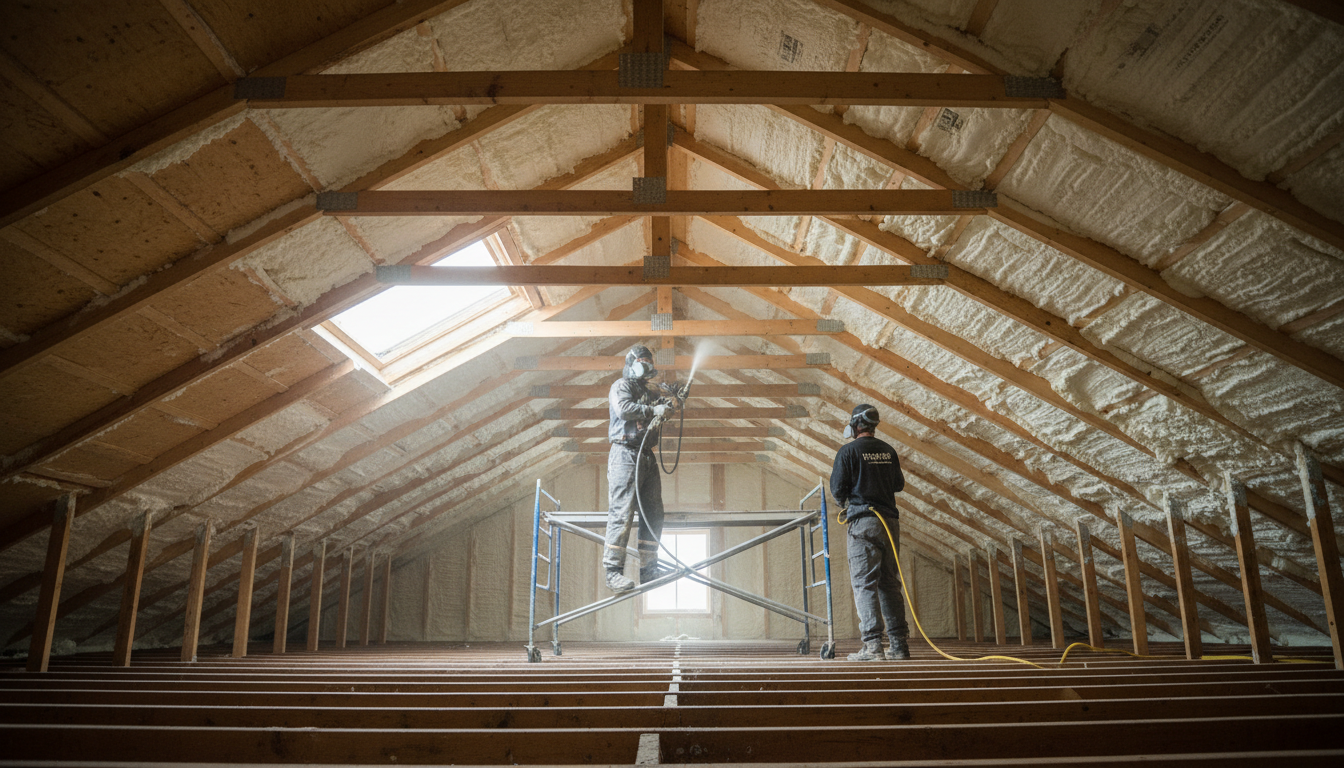
Spray Foam: The Premium Conditioned Attic In luxury remodels across Southlake or Keller, spray foam is becoming the gold standard. By applying foam directly to the underside of the roof deck, we move the thermal boundary from the attic floor to the roof itself. This creates a conditioned attic, meaning your HVAC equipment and ductwork are no longer sitting in 150 degree heat. However, this is a sophisticated system. Because spray foam seals a home so tightly, it often requires the addition of a dedicated dehumidifier or specialized ventilation to manage indoor air quality and moisture.
The Contractor Edge: Where Insulation Fits in Your Remodel Sequence
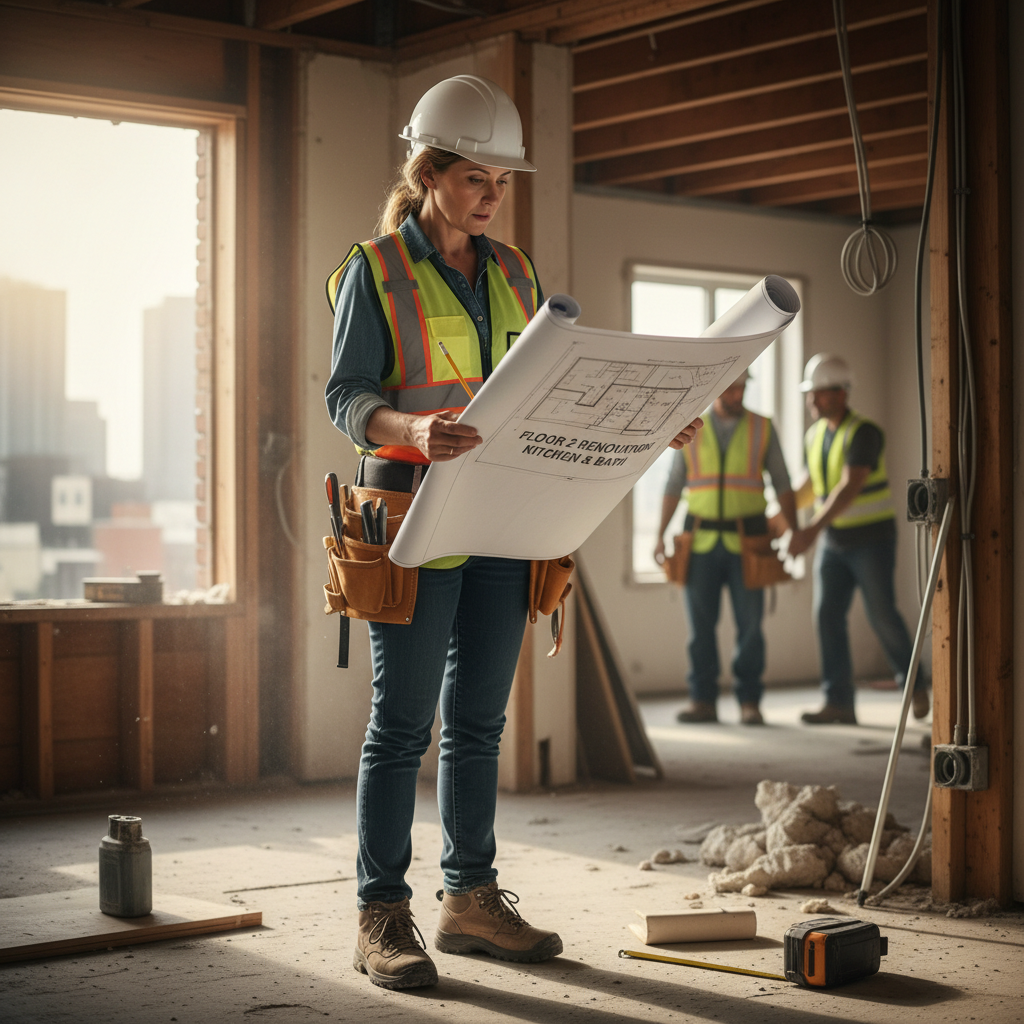
Successful project management relies on the logic of sequencing. One of the most common mistakes inexperienced builders make is blowing in material too early in the process. As a general contractor in Fort Worth, we insist on a specific order of operations to ensure the mechanical integrity of the home. You should never install new insulation until every electrical and plumbing update is finalized.
During a full home renovation, we typically install dozens of new recessed lights, move junction boxes, and add high-performance exhaust fans in bathrooms. If the attic is already filled with 15 inches of fresh fiberglass, the electrician must wade through mountains of dust to run wire. This increases labor costs and inevitably leads to sloppy work. When a tradesman has to dig a hole through insulation to find a joist, they often fail to properly clear the area around the new fixture; this compromises both the fire safety and the thermal seal of the light housing.
The professional renovation sequence follows a strict path:
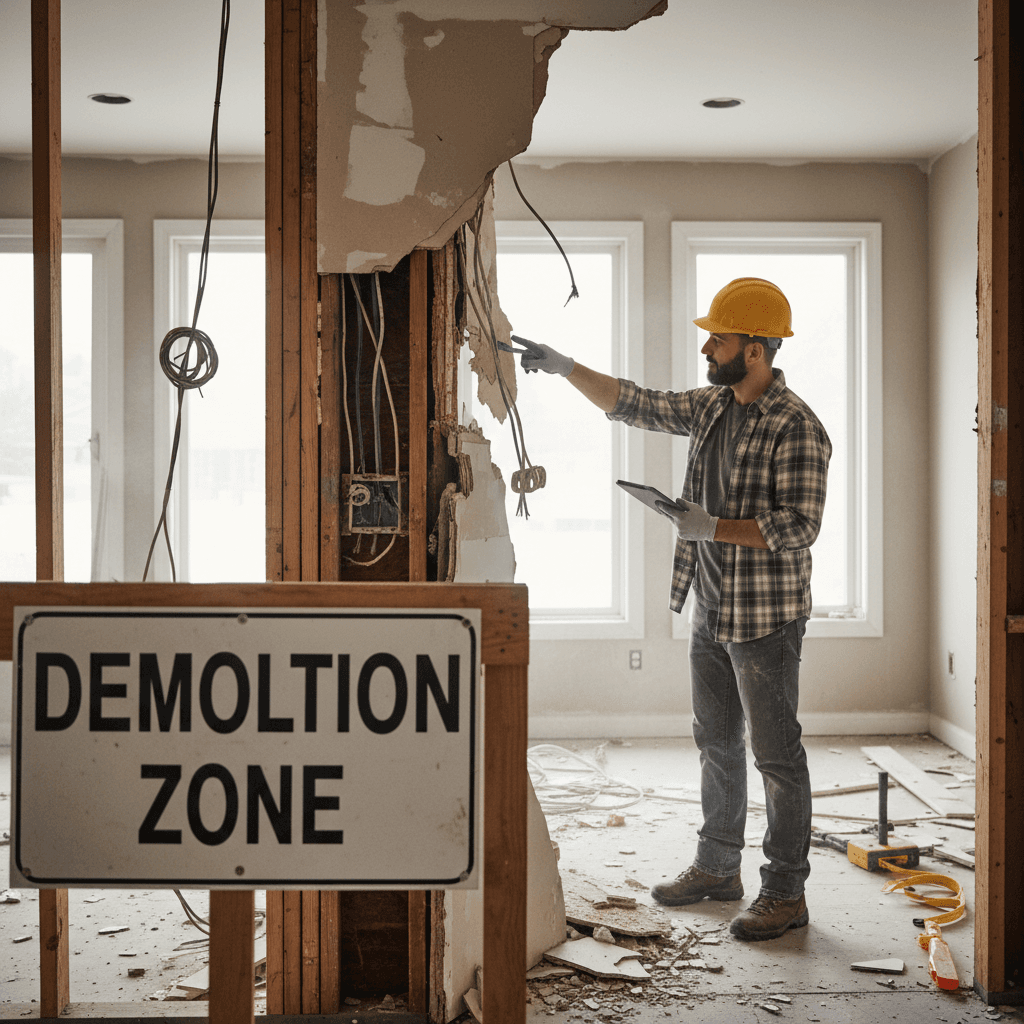
Demolition and Gut: Clearing out the old space and removing old, contaminated material.
Rough-in: Installing all new electrical, plumbing, and HVAC ductwork.
Air Sealing: Using spray foam or caulk to seal every wire penetration and top plate while the attic floor is visible.
Attic Insulation: The final step to cap the thermal envelope.
This order allows us to verify that every canned light and vent pipe is airtight before it gets buried. For investor rehabs, this method is the only way to ensure the property passes inspection the first time and remains energy efficient for future tenants. By waiting until the dirty work of the rough-in phase is complete, the attic insulation Fort Worth installation remains pristine, undisturbed, and fully functional.
Attic Insulation Cost Fort Worth: 2026 Pricing for Homeowners and Investors

Once the mechanical sequencing is managed, the conversation shifts to the project budget. For a typical 2,000 square foot home in Tarrant County, a professional installation of blown-in attic insulation Fort Worth homeowners can expect in 2026 generally ranges from $1,500 to $3,500. This price fluctuation is primarily driven by the target R-value; jumping from a code-minimum R-30 to a high-performance R-49 increases material volume and labor time, though the long-term energy savings usually offset the initial investment within a few seasons.
In older neighborhoods throughout Aledo or Benbrook, we often encounter a hidden cost: removal. If your attic contains 40-year-old rock wool that has matted down to three inches or is contaminated by pests, simply blowing new material over the top is a mistake. Professional removal and sanitization typically add $1.50 to $2.50 per square foot to the project total. While this increases the upfront cost of a full home renovation, it ensures the new thermal envelope is clean and effective.
Service Type | Estimated Cost (2,000 sq ft Attic) | Ideal Use Case |
|---|---|---|
Blown-In (R-38 to R-49) | $1,500 to $3,500 | Standard residential updates and flips |
Removal & Replacement | $3,500 to $6,000 | Older homes with matted or soiled material |
Open Cell Spray Foam | $7,000 to $12,000 | Custom builds and conditioned attics |
Project goals differ between client types. For investor rehabs or rental property turns, we focus on durable, cost-efficient solutions that protect the HVAC system and prevent tenant complaints during July heatwaves. For custom homeowner transformations, we lean toward higher R-values and meticulous air sealing to provide the quiet, consistent interior temperatures expected from a professional general contractor in Fort Worth.
Maximizing ROI with 2026 Tax Credits and Oncor Rebates
Leveraging financial incentives transforms attic insulation Fort Worth upgrades from a necessary expense into a strategic investment. The primary tool for 2026 is the Federal Energy Efficient Home Improvement Credit. Under current IRS guidelines, homeowners can claim 30% of the project cost, capped at $1,200 annually. This credit applies specifically to the materials used to seal air leaks and improve the thermal envelope. For a standard full home renovation, this tax credit effectively covers the price gap between installing basic R-30 material and upgrading to the R-49 comfort standard we recommend.
Local residents have additional leverage through the Oncor Energy Efficiency Incentive Program. Because Oncor services the majority of the DFW metroplex, homeowners can often qualify for cash rebates by working with a general contractor in Fort Worth who coordinates with participating service providers. These rebates are typically calculated based on the square footage and the jump in R-value achieved. When you combine federal tax credits with local utility incentives, the out of pocket cost for high-performance insulation often drops below the price of a basic, code-minimum install. For investor rehabs, these savings are critical for maintaining tight margins while ensuring the property remains attractive to energy-conscious tenants.
Choosing the right insulation and timing its installation correctly are the most effective ways to improve your home's energy efficiency and comfort in the Fort Worth climate. While managing an attic project involves many moving parts, focusing on quality materials and proper sequencing will yield the best long-term results. If you want expert help navigating these choices, our team can guide you through every step of your upcoming Renovations. Professional oversight ensures that your insulation works seamlessly with the rest of your home improvements, providing lasting value and peace of mind.