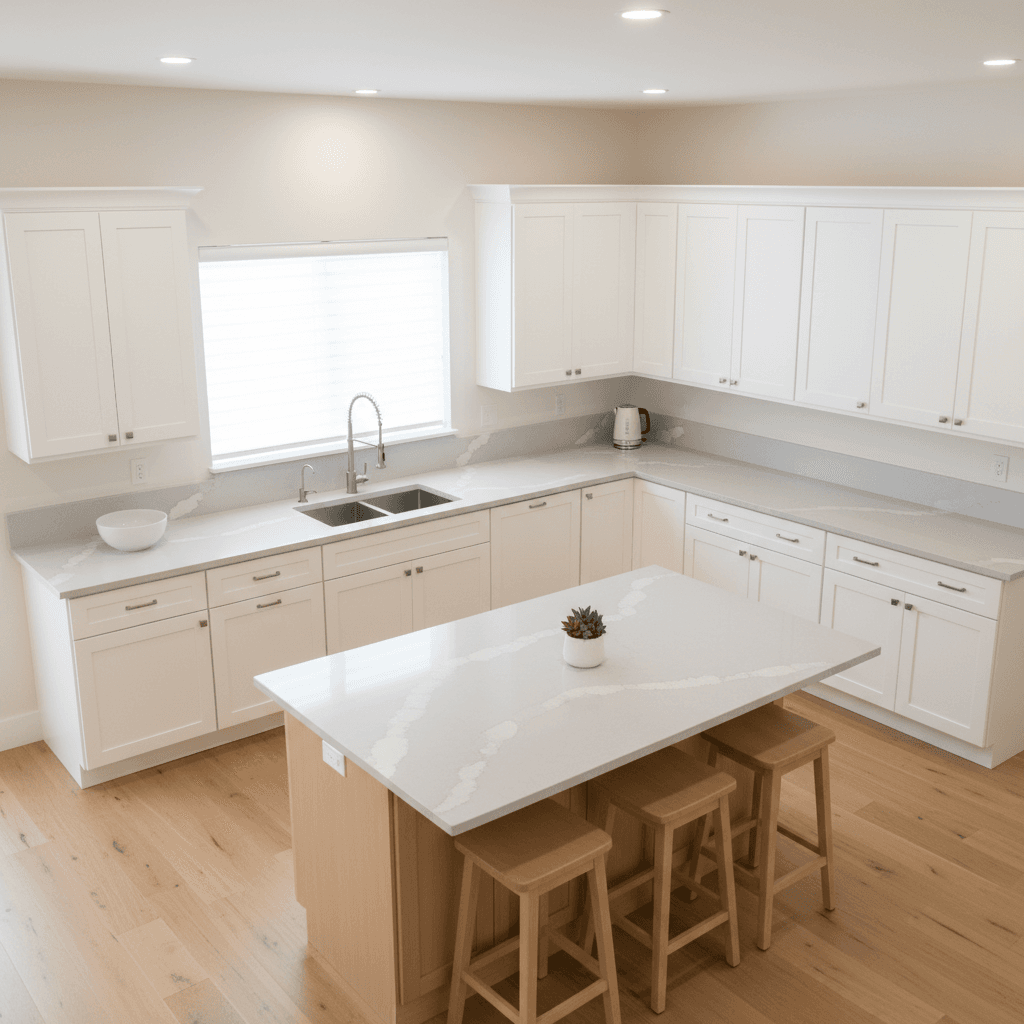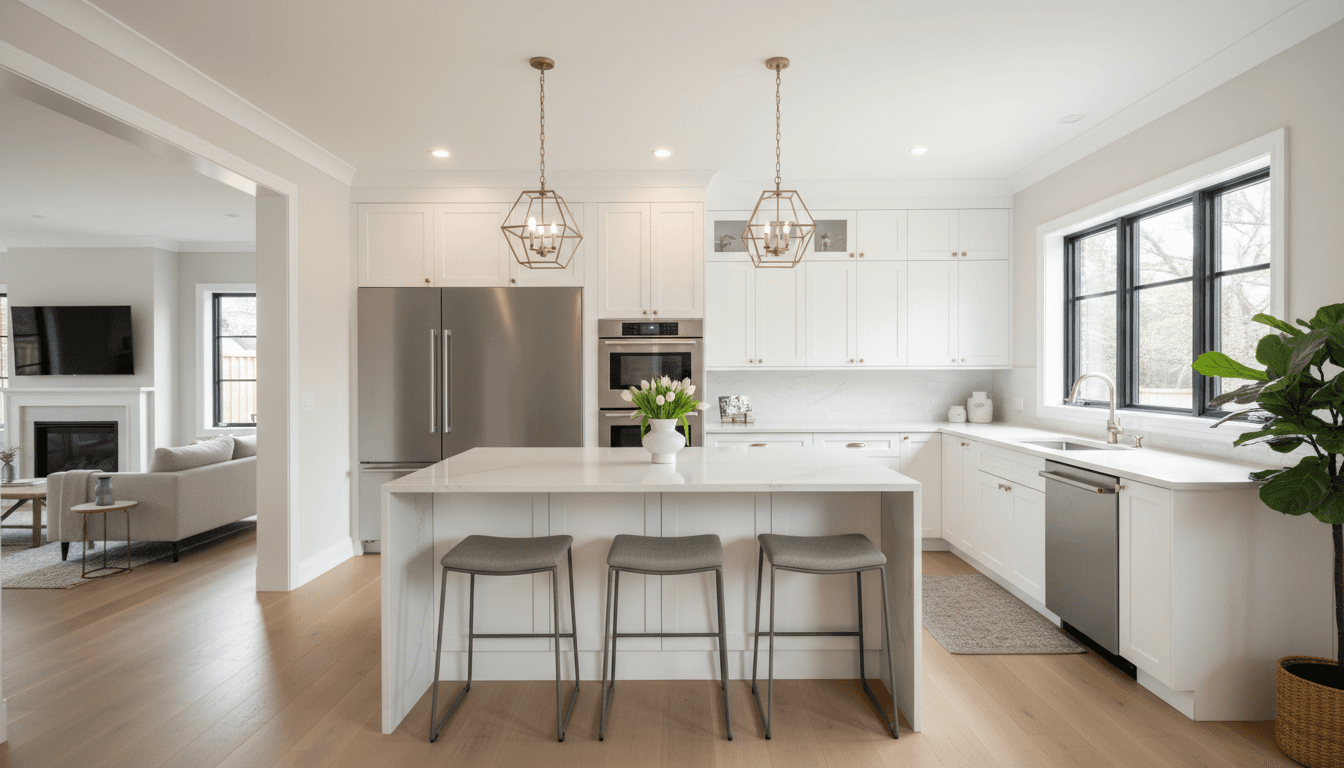
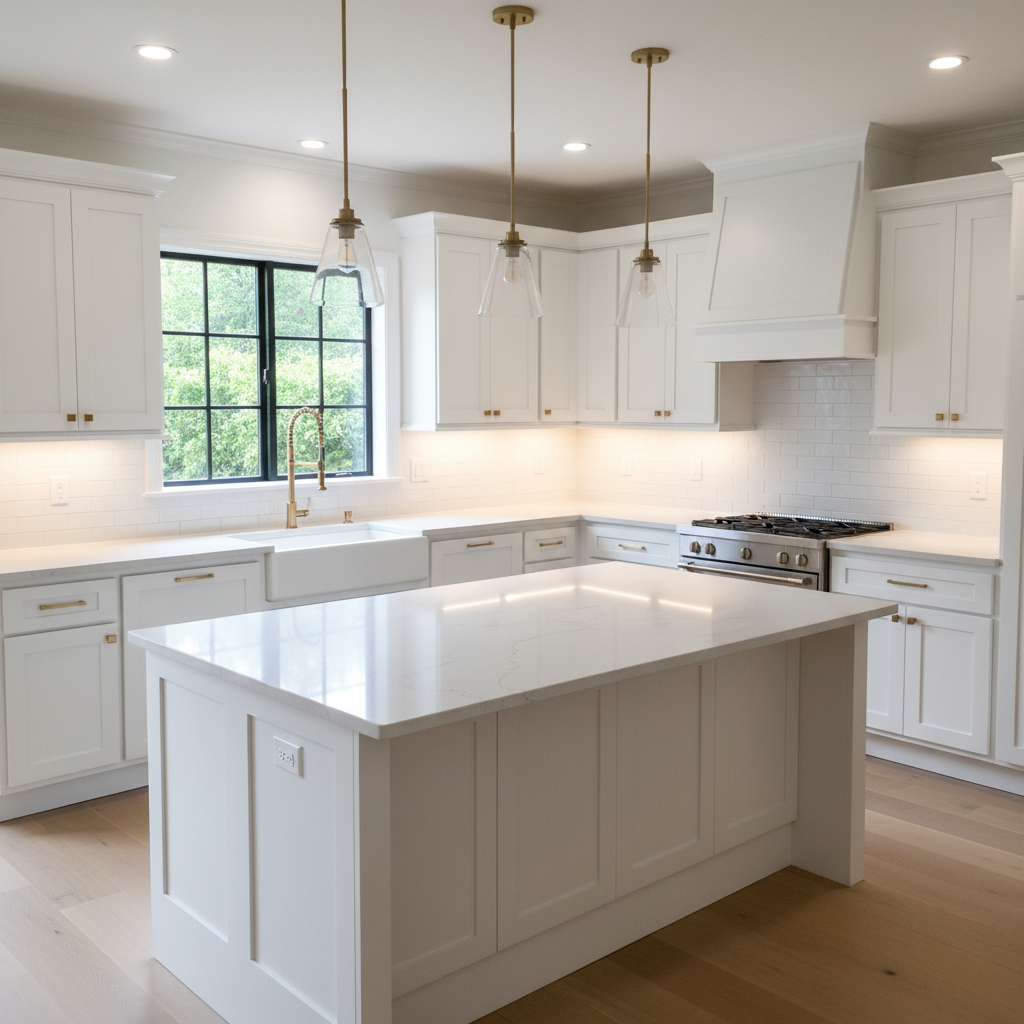
Cabinet painting Fort Worth results often chip due to inadequate surface preparation and the use of improper paint products; a lasting transformation requires thorough degreasing, sanding, and professional-grade primers. Choosing a professional service ensures the durability needed to withstand daily wear while providing a cost-effective alternative to full replacement.
Nothing spoils a Fort Worth kitchen renovation faster than the sight of paint flaking off your cabinet doors just months after the project is finished. It is a common frustration for homeowners who expected a fresh, modern look but ended up with a surface that chips at the slightest touch. In the North Texas climate, fluctuating humidity and daily kitchen wear demand more than just a standard coat of latex paint. Achieving a professional, durable result requires understanding the technical difference between a quick fix and a true factory finish. In this guide, we will explore the specific reasons behind coating failure in local homes, the critical steps of the Bridge and Build process, and how to accurately budget for a kitchen transformation that stands the test of time.
The Frustration of the Flaking Kitchen: Why Cabinet Painting Fails
Every homeowner in Tarrant County has scrolled through Pinterest and envisioned a crisp, modern kitchen transformation achieved with just a few gallons of paint. It seems like the ultimate budget friendly hack to modernize a space without the price tag of a full kitchen remodel in Fort Worth. However, the reality for many DFW residents is far less glamorous. Six months after the project ends, the finish often begins to flake around the handles and peel at the edges, leaving the kitchen looking more worn than it did before the update.
This failure usually happens because the project was treated as a simple aesthetic task rather than a precise engineering challenge. At Bridge & Build Renovations, we approach cabinet painting Fort Worth not as a decor project, but as a rigorous technical finish process. A durable surface requires more than a brush and a bucket of standard latex paint; it demands a deep understanding of wood chemistry, mechanical bonding, and industrial grade coatings.
Our team brings professional oversight and structured timelines to every job, ensuring the finished product holds up to the rigors of daily life. In an industry where simply answering the phone has become a luxury feature, we prioritize dependable project management and reliable scheduling. We focus on delivering factory smooth results that withstand the specific environmental demands of North Texas kitchens.
Top Four Reasons Painted Kitchen Cabinets Chip and Peel in North Texas
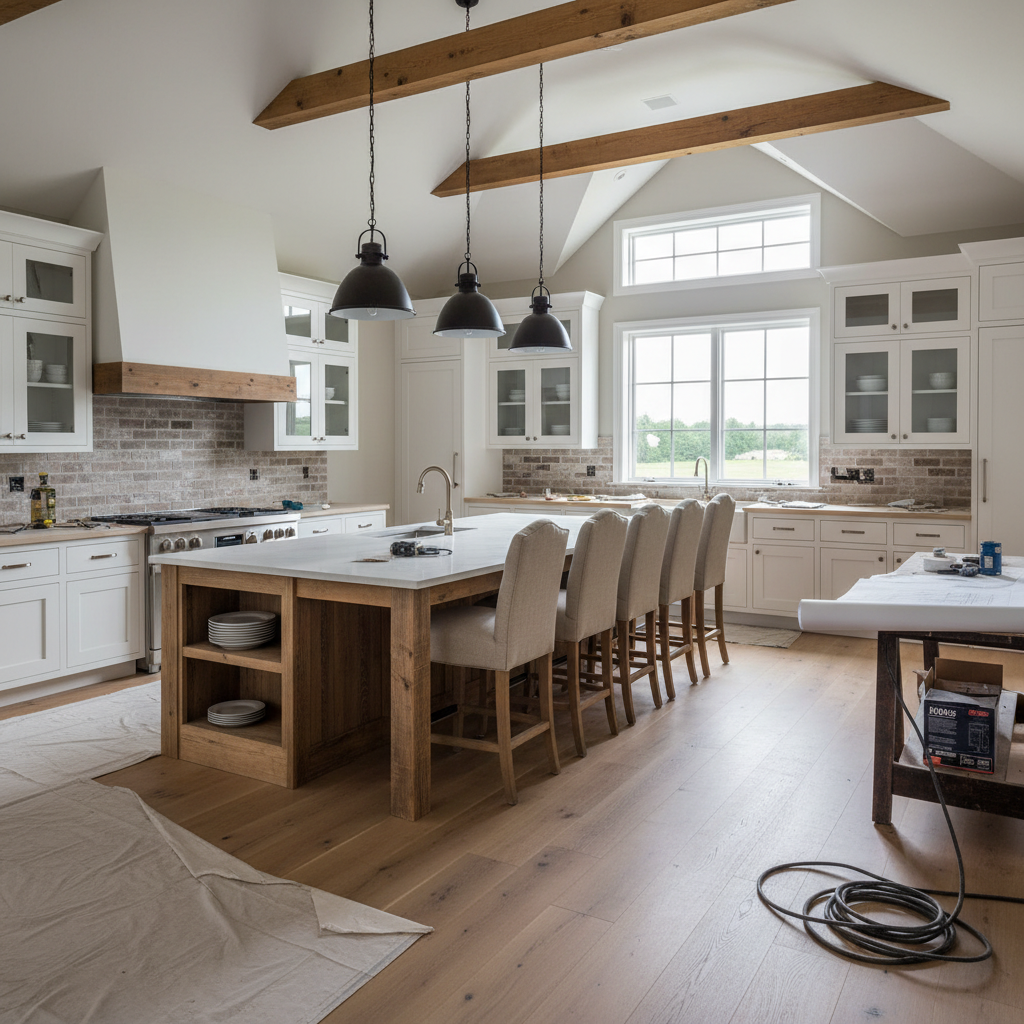
Many homeowners find themselves asking, "Why are my painted kitchen cabinets chipping?" just months after a fresh coat is applied. The answer usually lies in a failure of adhesion science rather than a lack of effort. In the specific climate of North Texas, four primary factors contribute to premature finish failure.
Inadequate Degreasing: Fort Worth kitchens are hubs of activity. Over time, cooking oils, skin proteins, and aerosolized fats accumulate on cabinet surfaces. When combined with our local humidity, these contaminants can become trapped within the wood grain. If the surface is not cleaned with a professional strength chemical de-glosser, the paint essentially sits on top of a microscopic layer of grease. Since paint cannot bond to lipids, the finish will eventually slide off the substrate.
Lack of Mechanical Bond: Painting over a slick factory finish requires "tooth." Skipping the sanding phase is a common shortcut that leads to disaster. Proper sanding is not meant to remove the old finish entirely; instead, it creates microscopic grooves that increase the surface area for the new coating to grip. Without this mechanical bond, the paint acts like a sheet of plastic draped over the wood, making it vulnerable to peeling at the slightest impact.
Using the Wrong Primer: Standard latex wall primer is designed to soak into porous drywall. Cabinetry, especially the stained oak common in older homes in Aledo or Burleson, is non-porous and often contains tannins that bleed through light colors. We utilize high-adhesion bonding primers specifically engineered to create a chemical bridge between the old finish and the new topcoat. Using a "primer and paint in one" on cabinetry is a recipe for a kitchen remodel in Fort Worth that fails before the year is out.
Environmental Factors: The Dallas-Fort Worth metroplex experiences extreme temperature swings. Natural wood is hydroscopic, meaning it expands and contracts as moisture levels shift. If the finish is too brittle or applied too thickly, it cannot flex with the wood. This tension leads to cracking at the stiles and rails, eventually resulting in large flakes that detach from the door frame.
Understanding these variables is why cabinet painting Fort Worth requires a technical approach. At Bridge & Build Renovations, we treat these environmental and chemical challenges as the most critical part of the project scope.
Cabinet Painting vs Refinishing: Understanding the Terminology in Fort Worth
Navigating the renovation market in Tarrant County often leads to a collision of terms that professionals use interchangeably, even though the technical processes differ significantly. In the context of a kitchen remodel in Fort Worth, understanding the distinction between painting and refinishing determines both the aesthetic outcome and the required project timeline.
Cabinet painting is currently the most requested service for homeowners seeking a modern interior transformation. This process involves applying an opaque coating that completely hides the original wood grain. It is the gold standard for achieving the popular white shaker look or a sophisticated navy accent island. Because the goal is a solid, uniform color, the focus remains on leveling the surface and ensuring a flawless, factory-like sheen that feels smooth to the touch.
Refinishing, conversely, is a restorative process designed to highlight the wood itself. It requires stripping the existing finish back to the raw wood, followed by detailed sanding and the application of a new stain and protective clear coat. This is the preferred method for high-quality maple or cherry cabinets where the homeowner wants to preserve the natural character of the wood while shifting the tone from a dated honey oak to a contemporary walnut or espresso.
Feature | Cabinet Painting | Cabinet Refinishing |
|---|---|---|
Final Appearance | Opaque, solid color | Transparent, wood grain visible |
Primary Goal | Modernize outdated aesthetics | Restore and protect wood beauty |
Process Steps | Degrease, prime, and coat | Strip, sand, and restain |
Ideal Substrate | Oak, MDF, or sound wood | High-grade hardwoods |
Deciding between these methods depends on the existing wood quality and your long term design goals. If your boxes are sound but the style feels trapped in the 1990s, cabinet painting Fort Worth provides a dramatic visual shift. If the wood species is premium but the color is wrong, refinishing is the path to restoration.
The Bridge and Build Process for a Factory Smooth Finish that Lasts
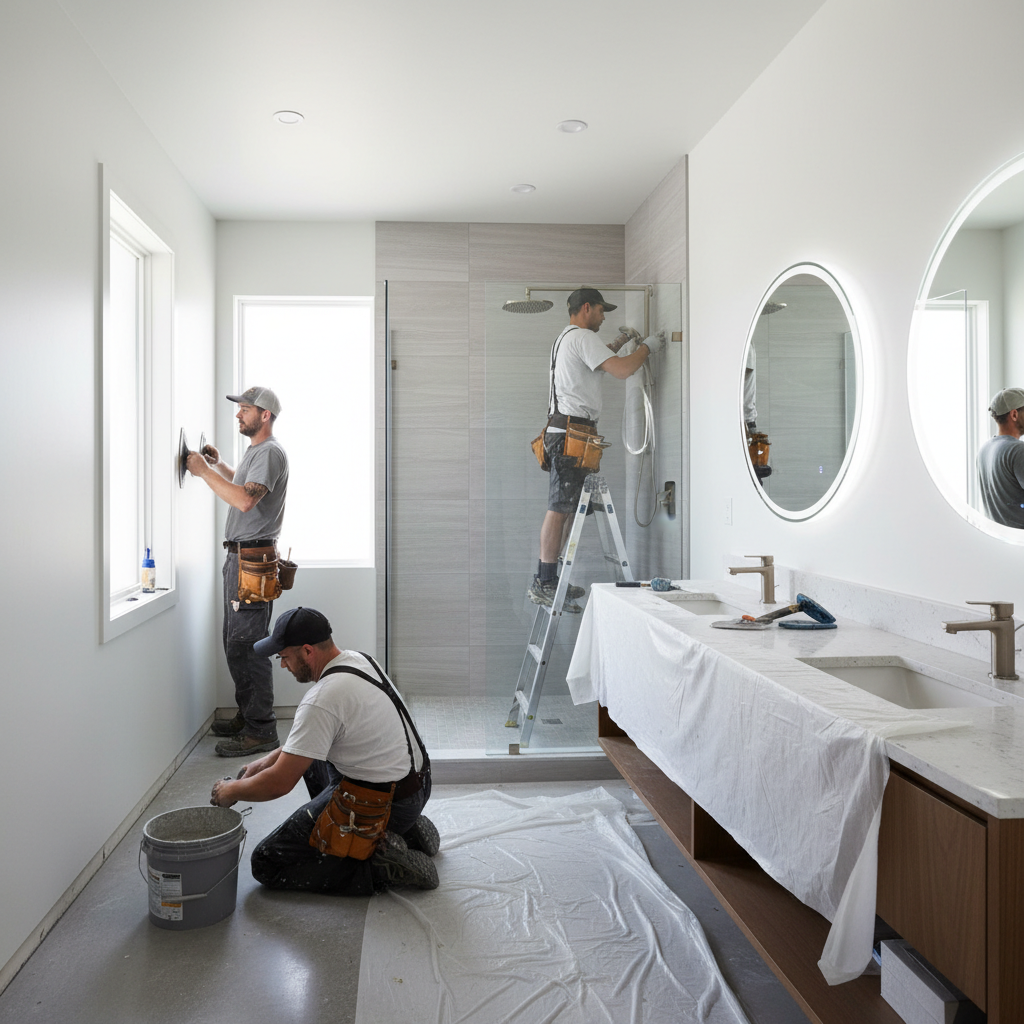
Our approach to cabinet painting Fort Worth shifts away from the common handyman method of rolling paint onto installed doors. We follow a structured, industrial process designed to yield a finish that lasts between 8 and 15 years. This durability is achieved through a multi-stage system that prioritizes chemistry and mechanical preparation over sheer speed.
The process begins with meticulous labeling and the complete removal of all doors, drawer fronts, and hardware. We do not paint over hinges or screws; instead, every piece is organized to ensure perfect reinstallation. Next, we perform clinical-level cleaning using heavy duty deglossers to strip away the cooking oils and residues that naturally accumulate in a North Texas kitchen. Even invisible oils can cause a finish to fail, so this step is treated with the same importance as the final coat.
Surface preparation continues with a thorough scuff sanding. This step is not about removing the old finish entirely, but rather creating the necessary tooth for the primer to grab onto. We then apply high-build bonding primers. These specialized products act as a bridge, sealing in tannins and preventing the yellowing or bleed-through that often plagues DIY attempts on oak or maple.
The final aesthetic and protective layer comes from cabinet-grade finishes. Unlike standard latex wall paint, which remains soft and susceptible to blocking, we utilize high-end acrylic alkyds or Italian lacquers. These coatings cure to a hard, durable shell that resists moisture and impact.
Step | Bridge & Build Process | Handyman/DIY Approach |
|---|---|---|
Hardware | Removed, labeled, and protected | Often painted over or taped poorly |
Cleaning | Industrial degreasing and deglossing | Simple wipe down with soap |
Coating | Specialized Italian lacquers or alkyds | Standard latex wall paint |
Equipment | Professional HVLP spray systems | Brushes, rollers, or cheap sprayers |
By focusing on these technical benchmarks, we ensure your kitchen remodel in Fort Worth looks factory-new for years to come. If you are ready for a durable, organized transformation, contact Bridge & Build Renovations to schedule a consultation for your home or rental property.
DIY vs Professional Cabinet Painting: The True Cost of Mistakes
The primary driver for DIY cabinet painting is almost always the immediate price tag. A gallon of premium paint and a few brushes might cost $500; meanwhile, a professional execution typically ranges from $5,000 to $9,000 depending on the kitchen size. However, the true value of professional service lies in avoiding the failure tax, which occurs when a DIY project fails to bond correctly.
Stripping a failed, tacky DIY coating is significantly more labor-intensive and expensive than preparing a factory finish for the first time. If the coating peels or fails to cure, a professional must use chemical strippers and exhaustive sanding to reach a sound substrate again. This often doubles the initial labor cost compared to a fresh start. Beyond the financial risk, DIYers frequently overlook the logistical strain. Without industrial HVLP spray systems and professional grade ventilation, the project often drags into a three week ordeal where the heart of the home is unusable and covered in sanding dust.
Bridge & Build Renovations treats project management as a luxury feature. We eliminate the uncertainty of a non-functional kitchen by providing structured timelines and daily communication. While a DIY approach may save money upfront, the lack of professional equipment often results in visible brush marks and a finish that lacks the durability of a factory sprayed surface. Entrusting your cabinet painting Fort Worth to an organized team ensures the work is done once, correctly, and within a timeframe that respects your life during a kitchen remodel in Fort Worth. Choosing professional oversight means you are paying for the insurance of a long term finish and the convenience of a project that stays on schedule.
What Does Cabinet Painting Cost in Fort Worth and Surrounding Suburbs?
Investors and homeowners searching for cabinet painting cost near me will find that local pricing in the DFW metroplex reflects the technical nature of the work. In communities like Southlake, Keller, and Aledo, a professional project for an average kitchen typically ranges from $5,000 to $9,000. While some contractors quote a cabinet painting price per sq ft, this metric is often less accurate than pricing based on the total number of doors and drawer faces.
The primary price drivers are the intensity of the preparation phase and the application method. A factory grade sprayed finish requires significantly more masking, ventilation, and specialized equipment than a basic rolled application; however, it provides the smooth, durable surface required for a lasting transformation. Choosing a sprayed finish ensures that your cabinet painting Fort Worth project looks like a new installation rather than a quick fix.
From a budget perspective, professional painting is a highly efficient alternative to a full kitchen remodel in Fort Worth. It typically costs 70 to 90 percent less than a total gut and replacement, allowing homeowners to reallocate funds toward other high impact updates like a bathroom remodel in Fort Worth or new stone countertops. This cost efficiency is particularly valuable for rental property turns and investor rehabs where speed and return on investment are critical benchmarks.
When to Stop Painting and Start Replacing: Signs You Need a Full Remodel
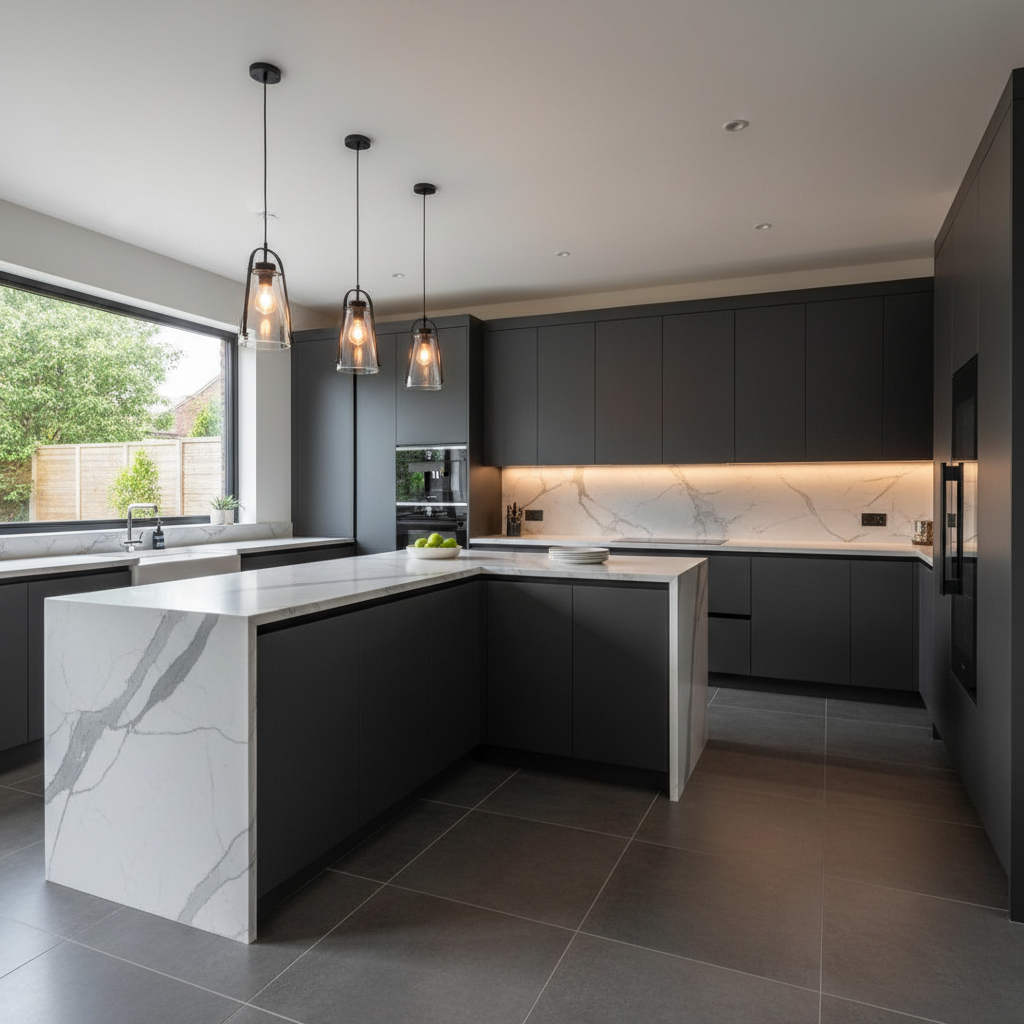
Painting is a high-value cosmetic solution, but it cannot fix structural decay or a dysfunctional layout. The most critical assessment begins with the integrity of the cabinet boxes. In many North Texas homes, sink bases often suffer from chronic water damage, leading to rot or delamination. If the floor of the cabinet is sagging or the side walls are soft to the touch, the foundation for a new finish is compromised. Similarly, cabinets constructed from low-density particle board or early-generation MDF that has begun to swell or crumble cannot be salvaged through sanding and coating. The paint will simply sit on a failing substrate, leading to immediate failure.
You should also evaluate if the current footprint serves your needs. A fresh coat of white paint will not fix a narrow galley that lacks prep space or a refrigerator location that blocks traffic. If you find yourself constantly battling a lack of storage or an inefficient work triangle, investing in a full kitchen remodel in Fort Worth is a wiser long-term decision than a cosmetic update.
Sign for Replacement | Indicator |
|---|---|
Structural Decay | Visible water damage or soft wood in sink bases |
Substrate Failure | Crumbling particle board or swelling MDF |
Functional Obsolescence | Inefficient layout or lack of modern storage features |
Hardware Failure | Integrated hinges that are bent or broken beyond repair |
At Bridge & Build Renovations, we manage everything from rapid rental turns to comprehensive custom transformations. This range of experience allows us to give honest advice on when to invest in cabinet painting Fort Worth and when it is time to start fresh. We help you navigate these choices by balancing your budget with the physical reality of your kitchen’s condition.
Achieving a durable finish for your cabinets requires a balance of high-quality materials and meticulous preparation. While understanding the causes of chipping is the first step toward a beautiful kitchen, executing the work flawlessly can be a significant undertaking. If you want expert help to ensure your home project stands the test of time, our team is ready to assist. We specialize in comprehensive kitchen remodeling in Fort Worth and can help you create a space that combines style with lasting durability.