
The best order to renovate a house Fort Worth begins with structural repairs and demolition, followed by the installation of mechanical systems like HVAC, electrical, and plumbing while the walls are accessible. Once these core systems are in place, you should proceed with drywall, flooring, and finishing touches to ensure the project remains on schedule and within budget. This systematic approach prevents costly re-work and accounts for local building codes and the specific climate needs of North Texas.
Starting a home renovation in Fort Worth without a clear sequence often leads to expensive rework and avoidable stress. Many homeowners dive into cosmetic upgrades only to realize that structural issues or outdated plumbing should have been addressed first; a mistake that can derail both your budget and your timeline. In the North Texas market, where shifting soils and unique architectural styles require a precise approach, understanding the proper order of operations is essential for a successful transformation. This guide provides a professional roadmap for your project, beginning with foundation and mechanical considerations before moving into kitchen and bathroom priorities. You will learn how to navigate the complexities of demolition, structural shells, and final finishes; ensuring that every phase of your remodel builds logically toward a sophisticated and durable result.
The Strategic Sequencing of a North Texas Home Remodel
Successfully renovating a property in North Texas requires more than just a vision for new aesthetics; it demands a logistical strategy that accounts for our region's specific environmental challenges. In communities from Keller to Aledo, the expansive clay soil is a constant factor that dictates the pace and priority of construction. Ignoring foundation stability or structural integrity to rush toward visible upgrades, such as custom cabinetry or designer tile, is a recipe for expensive rework.
When determining what order to renovate a house Fort Worth residents often find that logistics matter more than aesthetics. At Bridge & Build Renovations, we approach every full-service home renovation with professional oversight that addresses the essentials first. Our team manages complex kitchen renovation in Dallas and high-end Fort Worth bathroom remodeling projects by following a strict sequence that protects the homeowner's investment. Starting with structural shells and mechanical systems ensures that once the finishes are installed, they stay level, dry, and functional. This disciplined approach prevents the heartbreak of watching a new backsplash crack because the foundation was not addressed first.
Step 1: The Foundation and Structural Shell
The first phase of any project must be the stabilization of the structure. In North Texas, the expansive clay soil acts like a sponge, swelling when wet and shrinking during our brutal summer droughts. This movement is the primary reason why foundation repair is the non-negotiable first step. If you install high-end custom cabinetry or large-format floor tile before addressing foundation heave or settlement, you are essentially gambling with your budget. The resulting cracks in your new grout or misaligned cabinet doors are expensive reminders that cosmetics cannot fix structural instability.
The specific approach depends on the age of your property. Older Fort Worth neighborhoods like Fairmount or Mistletoe Heights often feature pier and beam foundations that require specialized leveling and joist replacement to address sagging floors. Conversely, newer developments in Keller or Aledo typically utilize concrete slab-on-grade foundations that might need pressed pilings to restore level.
Once the home is stable, the focus shifts to the exterior envelope. This includes the roof, siding, and windows. These components serve as the primary defense against water intrusion. Completing a full-service home renovation requires a dry, controlled environment; there is no point in hanging new drywall or installing insulation if a leaking window seal or aged roof valley threatens to ruin the work during the next spring thunderstorm. Establishing a sound, watertight shell is the only way to ensure the longevity of the interior phases. When homeowners ask about what order to renovate a house Fort Worth contractors who prioritize quality will always point to the foundation and exterior shell as the mandatory starting line.
Step 2: Demolition and Mechanical Rough-Ins
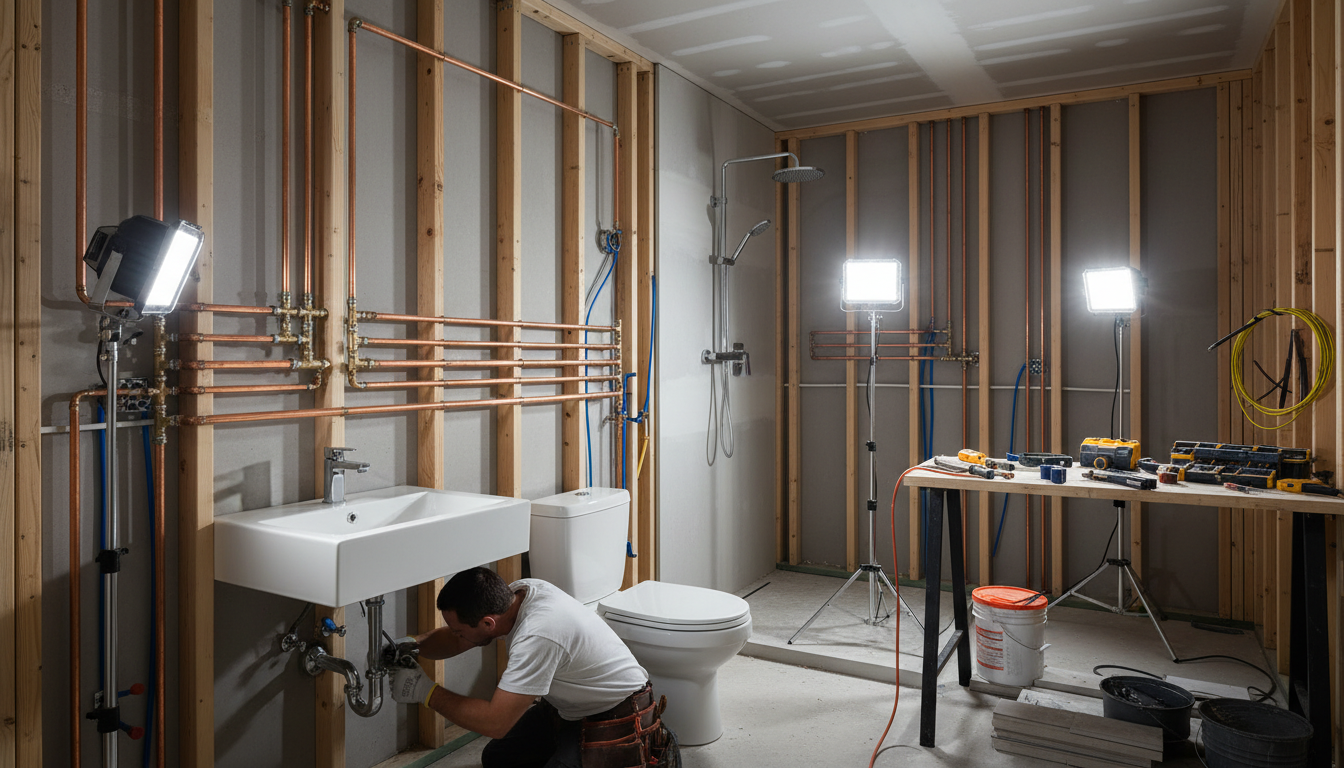
Once the exterior is watertight and the foundation is stable, we move inside for demolition and the critical mechanical rough-in phase. This is the "ugly" stage of a full-service home renovation, but it is arguably the most important for the long-term health of the property. When considering what order to renovate a house Fort Worth homeowners often underestimate the complexity of what lies behind the drywall.
In historic neighborhoods like Fairmount, Ryan Place, or Mistletoe Heights, demolition frequently reveals legacy issues that require immediate attention. We often encounter original cast iron sewer lines that have corroded or shifted, necessitating a full replacement with modern PVC. Similarly, outdated electrical systems, including ungrounded wiring or overburdened panels, must be upgraded to meet modern safety standards and the demands of today’s appliances. This is also the time to modernize the HVAC system, ensuring ductwork is sized correctly for North Texas summers before the ceilings are closed.
A critical component of this phase is professional oversight regarding local regulations. We coordinate with the City of Fort Worth or Tarrant County to secure the necessary permits and schedule rough-in inspections. These inspections verify that all plumbing, electrical, and mechanical work is up to code. Skipping this step or rushing to hang drywall can lead to forced teardowns later if an inspector finds an issue. At Bridge & Build, we prioritize these mechanical updates because a beautiful kitchen or bathroom is only as good as the systems supporting it.
Step 3: The Wet Rooms: Kitchen or Bathroom First?
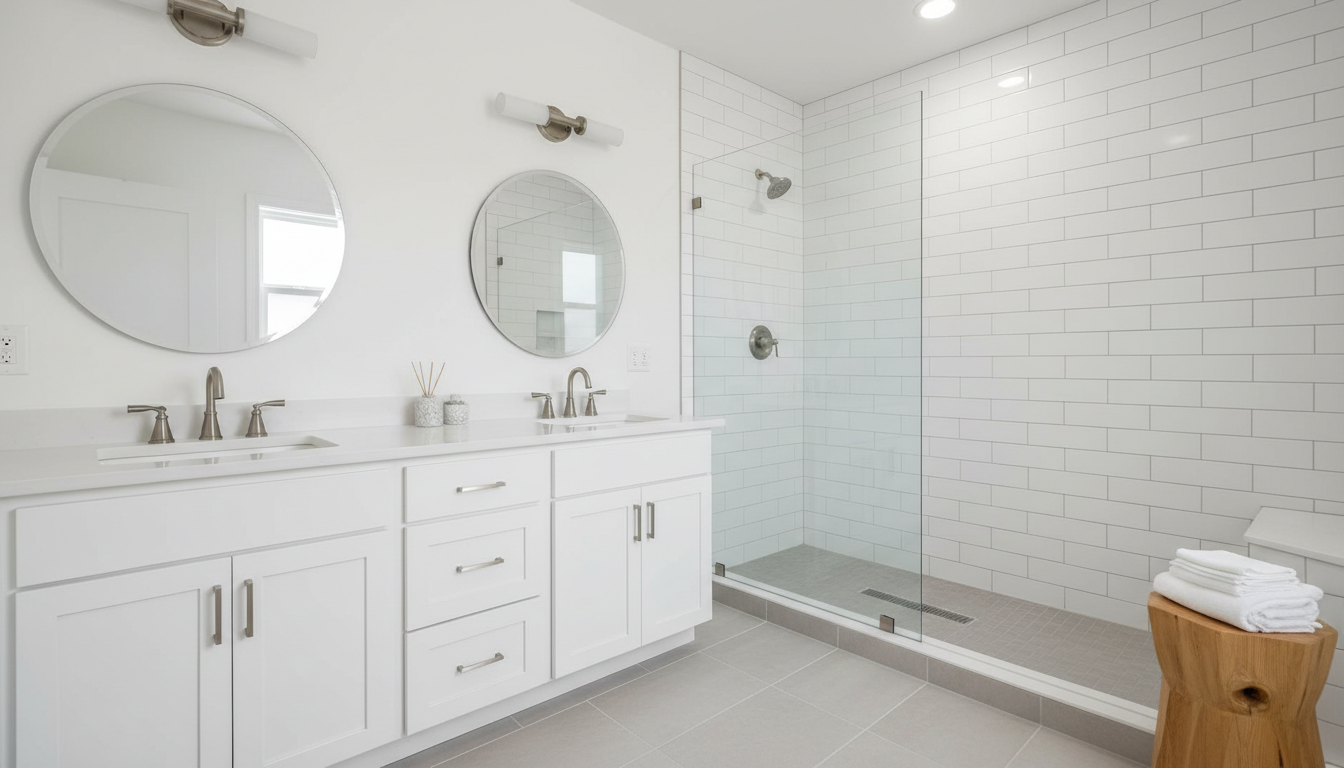
Once the mechanical systems are inspected and the walls are prepared, the focus shifts to the most complex spaces in the home: the wet rooms. Homeowners often ask which space should take precedence when determining what order to renovate a house Fort Worth residents should generally prioritize the kitchen. A kitchen renovation in Dallas or Fort Worth involves the highest concentration of trades and the longest lead times for materials like custom cabinetry and stone countertops. By initiating the kitchen first, you allow for the time required for slab templates and fabrication to run concurrently with other tasks.
A Fort Worth bathroom remodeling project, while technically demanding, typically has a smaller footprint and fewer moving parts than a full kitchen overhaul. However, logistics often trump general rules. If the property only features one bathroom, that space becomes the immediate priority for the sake of habitability. In these scenarios, we sequence the work to ensure the toilet and shower are out of commission for the absolute minimum number of days.
Bridge & Build Renovations approaches these high-impact areas with investor-level efficiency. We understand that every day a kitchen is unusable adds significant stress and cost to a household. Our project management process treats a full-service home renovation like a structured production schedule; we coordinate the plumber, electrician, and tile installer to follow one another without the typical dead weeks that plague many DFW construction projects.
Project Type | Typical Duration | Major Trades Involved |
|---|---|---|
Kitchen Renovation | 6 to 10 weeks | Plumber, Electrician, HVAC, Cabinetry, Countertops, Tile |
Bathroom Remodel | 3 to 5 weeks | Plumber, Electrician, Tile, Finish Carpenter |
We focus on sourcing durable materials and scheduling fabrication early so that when your cabinets arrive, the space is ready for them. Once the countertops are installed, our plumber is already scheduled for the final hookups the following morning to minimize downtime.
Step 4: Drywall, Paint, and Trim Carpentry
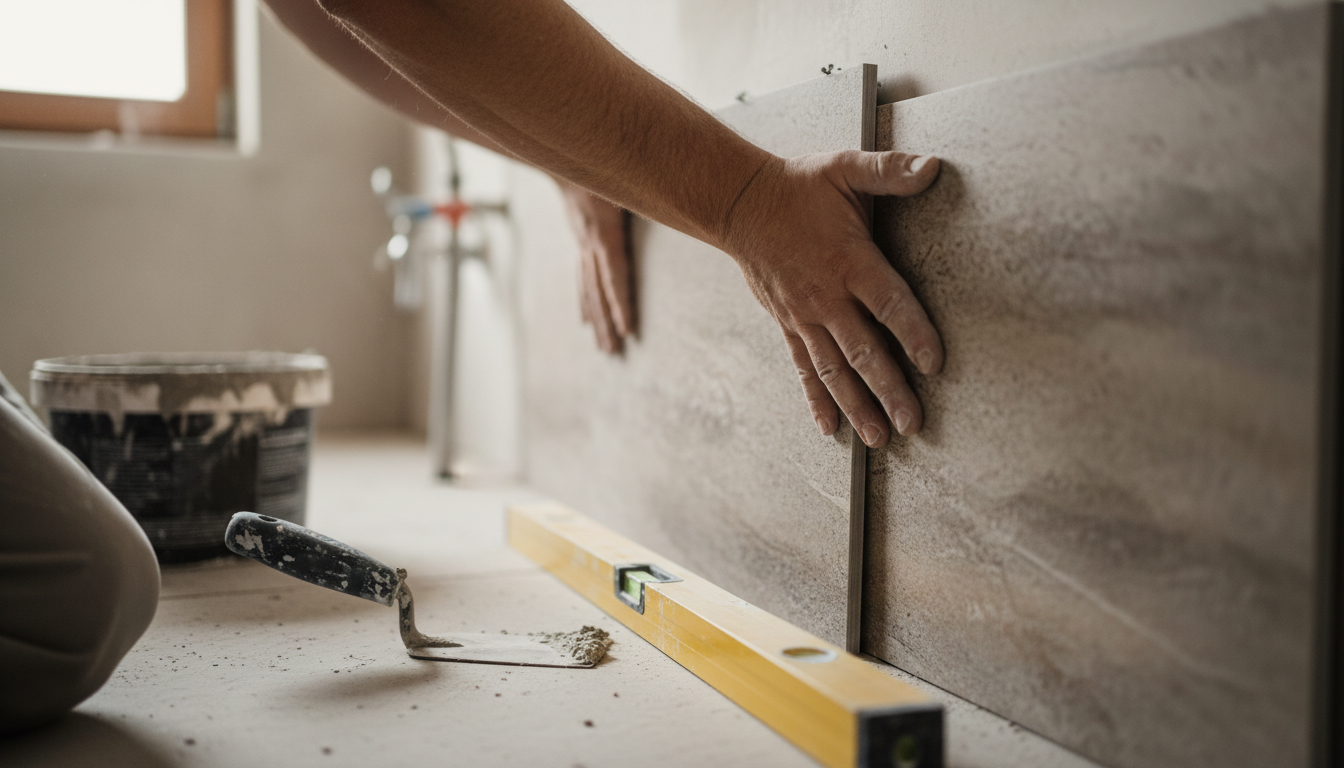
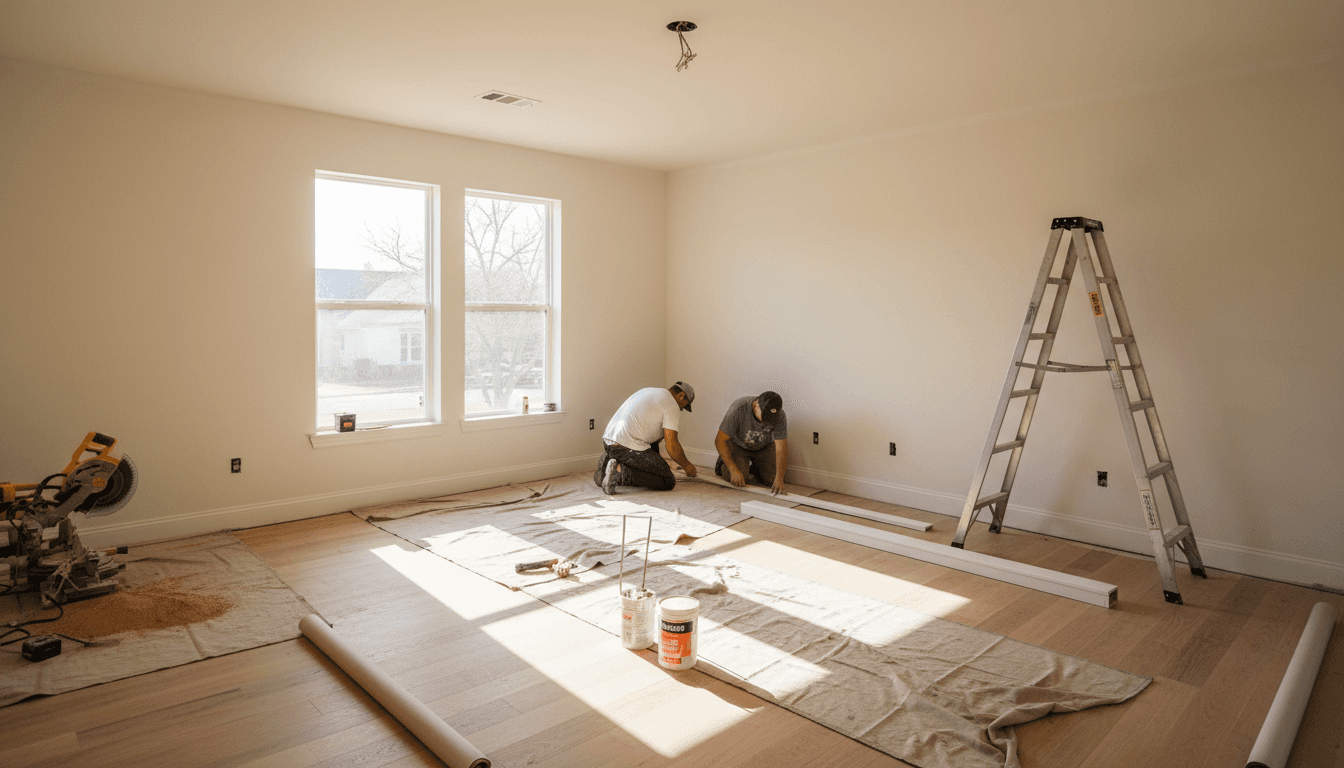
After the mess of demolition and mechanical rough-ins, the transition to drywall and finish carpentry marks the shift from a dusty construction site to a defined living space. This phase begins with hanging, taping, and floating the drywall. In North Texas, where bright natural light is a staple, the quality of the sanding and texture determines how that light interacts with your walls. We follow a strict top-down execution; ceilings are finished first, followed by walls, and finally the trim.
A common point of confusion when determining what order to renovate a house Fort Worth homeowners encounter is the timing of the paint. We prioritize interior painting before the final flooring is installed. By completing the ceiling and wall color early, we eliminate the risk of paint drips, splatters, or overspray damaging brand-new hardwood or luxury vinyl plank. This sequence also allows for a more efficient process, as painters do not have to spend excessive time masking off finished floors.
The finish carpentry phase is where the design-driven aesthetic of a full-service home renovation truly emerges. This involves installing baseboards, door casings, and crown molding to provide the clean lines and architectural definition required for modern transformations. These carpentry details are essential for a polished kitchen renovation in Dallas or a high-quality Fort Worth bathroom remodeling project. This stage creates the crisp, durable framework that defines the character of the home before the final fixtures and hardware are introduced.
Step 5: Flooring and Final Fixtures

With the walls painted and trim installed, the project moves into the flooring phase. Delaying this step is a strategic choice to protect your investment from the heavy tool traffic, ladder shifts, and fine dust inherent in earlier stages. When determining what order to renovate a house Fort Worth homeowners often want to see the floors early, but placing them now ensures the surface remains pristine.
The specific material dictates the timeline. Site-finished hardwoods require several days for acclimation to North Texas humidity before installation and finishing. Luxury Vinyl Plank (LVP) offers a durable, waterproof solution for active DFW households that installs quickly over leveled slabs. Carpet is always held until the absolute final moment to prevent it from acting as a filter for construction debris.
Once the floors are protected, we install the jewelry of the home. This includes hanging designer lighting, fitting plumbing trim in a Fort Worth bathroom remodeling project, and adding hardware to a kitchen renovation in Dallas. These final touches transform a construction site into a finished residence. To maintain our standard of professional oversight, we conclude every full-service home renovation with a detailed final walkthrough. This process identifies any minor paint touch-ups or hardware adjustments for the punch list, ensuring the execution meets our high-quality benchmarks before we hand over the keys.
Mistakes to Avoid: Doing Things Out of Order in DFW
Sequencing errors usually stem from a desire to see visual progress, but they inevitably lead to expensive rework and blown budgets. When considering what order to renovate a house Fort Worth property owners must respect the technical requirements of each trade to avoid these common pitfalls:
Installing countertops before confirming appliance dimensions. Ordering a slide-in range that is a quarter-inch wider than your granite cutout requires on-site stone grinding. This creates immense dust and risks cracking the slab. We verify all physical appliance specifications before the template is created for a kitchen renovation in Dallas.
Tiling before foundation leveling is finished. In North Texas, installing tile over a slab or pier and beam system that has not been stabilized is a recipe for failure. The expansive clay soil will shift; this causes hairline cracks in grout lines or pops tiles off the thin-set within a single season of DFW weather.
Final painting before HVAC commissioning. Running a new HVAC system for the first time frequently circulates residual construction dust. If the finish paint is still curing, this dust embeds itself in the surface, requiring a full sand and repaint cycle to achieve a smooth finish.
Bridge & Build Renovations prevents these errors through professional oversight. We treat every full-service home renovation as a series of dependencies. This ensures no finish is installed until the underlying systems are verified, stable, and ready for the next phase of a Fort Worth bathroom remodeling or whole-home project.