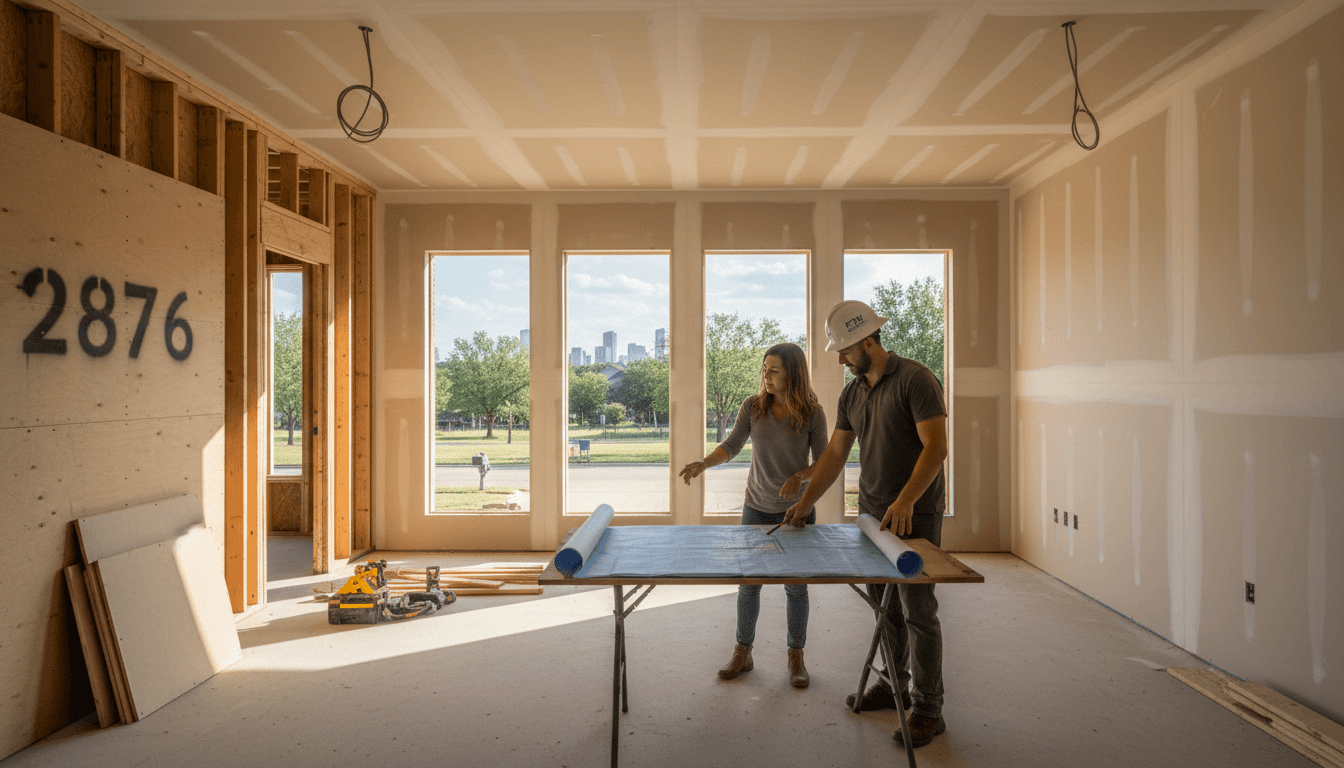

Addressing deferred maintenance rental property Fort Worth issues immediately prevents repair costs from escalating by three to ten times the original estimate. Investors face potential long-term losses between $20,000 and $40,000 when minor fixes evolve into structural failures or emergency calls; consequently, budgeting approximately $1.00 per square foot annually is essential for protecting ROI.
Owning rental property in Fort Worth offers significant long term rewards, yet many landlords find their margins evaporating because of a slow drip or a neglected roof. Ignoring a minor repair today might seem like a way to preserve cash flow, but in the construction world, we know that neglect acts like high interest debt. Small issues evolve into structural failures that demand emergency responses and premium pricing. This guide provides a professional look at the financial reality of waiting; specifically, how the North Texas climate and typical wear and tear create a multiplier effect on repair costs. You will learn how to identify the biggest budget killers, understand the correlation between maintenance and tenant retention, and master the Bridge and Build strategy for strategic make readies. It is time to move from reactive repairs to a proactive investment plan that protects your bottom line.
Understanding Deferred Maintenance in Fort Worth Real Estate
In the North Texas real estate market, deferred maintenance is often a silent profit killer. Many investors mistake it for savvy cash flow management, but it is actually the practice of postponing critical repairs to save money in the short term. This practice results in a deferred maintenance cost, which is essentially the financial price hike you pay for waiting. It is the gap between a proactive $200 service call today and a $2,500 restoration tomorrow once an ignored issue causes secondary damage to the structure.
There is a distinct difference between routine maintenance and deferred repairs. Routine maintenance involves predictable, scheduled tasks like cleaning HVAC coils before a triple-digit August or clearing gutters after a heavy spring rain. Deferred maintenance occurs when a known issue, such as a cracked window seal or a slow-leaking faucet, is intentionally ignored. In our industry, people joke that showing up on time is a luxury feature, but for a landlord, showing up for your property is a financial necessity.
When dealing with a deferred maintenance rental property Fort Worth owners must take a proactive approach to prevent small problems from creating a ripple effect. Coordinating a rental renovation in Fort Worth or working with a dedicated make ready turn contractor in DFW ensures that minor issues are caught during regular inspections rather than during an expensive after-hours emergency call.
The 3x to 10x Multiplier: The Financial Reality of Waiting
The math behind property upkeep is unforgiving. Industry data consistently shows that deferred maintenance typically costs three to ten times what a prompt, proactive repair would have cost. When an investor ignores a small issue, they are not just delaying a bill; they are actively accruing high interest debt that will eventually be settled in the form of an expensive emergency.
Consider a common scenario we encounter in Arlington rental properties. A minor plumbing leak under a kitchen sink might cost $200 to address immediately with a service call and a simple gasket replacement. If that leak is ignored for six months, the moisture seeps into the particle board of the base cabinets and the subfloor below. What was once a quick fix transforms into a $2,500 project involving mold remediation, full cabinet replacement, and potentially new flooring. This is the financial reality of a deferred maintenance rental property Fort Worth owners often overlook until the damage is irreversible.
Waiting until a system fails completely also triggers the emergency surcharge trap. When a tenant calls at 11:00 PM on a Saturday because a neglected system finally quit or a water line burst, you are no longer paying standard market rates. Emergency repairs frequently carry a 2x to 3x multiplier for after-hours labor and expedited material shipping. By partnering with a make ready turn contractor in DFW to identify these vulnerabilities during the vacancy period, owners can avoid the massive financial drain of reactive management. A $500 preventive repair deferred for two years can easily balloon into an $8,000 capital expenditure, effectively wiping out multiple years of net operating income for that specific asset.
The DFW Climate Factor: Why Texas Weather Accelerates Damage
North Texas weather acts as an accelerant for property degradation. In Fort Worth, the triple-digit summer heat is not merely a comfort issue; it is a mechanical stress test for every HVAC system in the city. A small investment in preventative coil cleaning and seasonal servicing ensures the unit can handle the load. When an owner ignores these basics, the system works overtime to overcome restricted airflow, leading to premature motor burnout or total compressor failure. Replacing a compressor mid-August is an expensive logistical nightmare that could have been avoided with a $150 service call.
The soil in the DFW metroplex presents another unique challenge. Our expansive clay soil shifts aggressively between drought conditions and heavy rain. Minor exterior brick cracks or small gaps around window frames are often early warnings of foundation movement. If a landlord defers these repairs, a rainy spring can saturate the soil unevenly, leading to significant structural failures that require piering and internal stabilization. Addressing drainage issues and maintaining consistent moisture levels around the slab are critical components of managing a deferred maintenance rental property Fort Worth owners cannot ignore without risking the home's structural integrity.
Furthermore, North Texas hail storms turn minor roof wear into major liabilities. Granule loss from older shingles makes a roof more susceptible to leaks after a storm. By partnering with a make ready turn contractor in DFW to inspect the roof and gutters after heavy weather, owners can identify damage before it leads to interior ceiling rot or insulation damage. Proactive oversight ensures that the local climate remains a manageable variable rather than a catalyst for financial loss.
The Three Biggest Culprits of Rental Property Budget Creep
While local weather sets the stage for damage, specific neglect in three key areas consistently drives budget creep for North Texas investors. Roofing and gutters represent the first line of defense, yet they are frequently overlooked until a ceiling stain appears. In Tarrant County neighborhoods with mature oak and pecan trees, gutters fill with debris in a single season. When cleaning is deferred, water overflows and saturates the fascia boards and soffits. This constant moisture leads to wood rot and attracts pests; what should have been a $150 gutter cleaning becomes a multi thousand dollar carpentry and painting project by the time a make ready turn contractor in DFW arrives to prep the unit for a new tenant.
HVAC systems are the second major culprit. The intense North Texas heat means these units run almost continuously for four months of the year. When an owner fails to ensure monthly filter changes or annual coil cleanings, the blower motor operates under extreme static pressure. This neglect causes the motor to burn out prematurely or leads to an iced-over evaporator coil. In a deferred maintenance rental property Fort Worth owners often find that a $20 air filter was the only thing standing between a profitable month and a $5,000 emergency condenser replacement in the middle of July.
Plumbing issues round out the list, often exacerbated by regional environmental factors. In communities like Aledo, hard water can lead to significant mineral scale buildup in water heaters and fixtures if a flush is never performed. However, the most expensive deferment is ignoring slow drains. North Texas foundation shifts can put immense pressure on sewer lines, occasionally causing bellies or small cracks. A landlord who ignores a slow-draining tub avoids a plumber's visit today, but they invite a main line backup that could require subfloor repairs and new flooring installation during a future rental renovation in Fort Worth.
Budgeting for Upkeep: The 1 Percent and 50 Percent Rules

Navigating the financial side of property ownership requires moving beyond guesswork. The 1 percent rule serves as a baseline, suggesting that owners should set aside one percent of the property's total value each year for maintenance. For a $300,000 single family home in Keller or Southlake, this equates to a $3,000 annual budget. While this covers standard wear, some investors prefer budgeting $1 per square foot annually to better account for the actual scale of the structure.
In contrast, the 50 percent rule provides a broader perspective on total operating costs. This guideline posits that approximately half of a property's gross income will be consumed by operating expenses, including taxes, insurance, and repairs, but excluding the mortgage payment. Relying solely on these general rules can be risky in North Texas. For older Fort Worth homes that have reached the ten year mark, we recommend budgeting 5 to 8 percent of gross income specifically for capital improvements and repairs. At this stage, major systems like HVAC and water heaters often approach the end of their lifespan. Partnering with a make ready turn contractor in DFW for quarterly inspections helps refine these budgets, ensuring that your next rental renovation in Fort Worth is a planned upgrade rather than a forced financial crisis.
The Tenant Connection: How Neglect Drives Vacancy and Turnover
Proper budgeting prevents the physical deterioration that creates a negative first impression during showings. A deferred maintenance rental property Fort Worth investors struggle to fill is often the result of small eyesores, such as stained grout, outdated lighting, or patchy interior paint. High-quality tenants in the DFW market are increasingly discerning; they view a landlord's attention to detail as a direct reflection of how future maintenance emergencies will be handled. If a property looks neglected during a tour, a reliable tenant will move on to a professionally managed alternative. This leaves the owner with a smaller pool of applicants who may be less likely to respect the property, perpetuating a cycle of high turnover and additional damage.
The financial impact of this tenant filter is most evident in the cost of vacancy. While a unit sits empty, the owner remains responsible for the mortgage, property taxes, and insurance. In competitive markets like Arlington or Keller, the baseline for a standard turn is approximately 21 days. When deferred repairs extend this timeline, the loss is substantial. Industry data suggests that vacancy exceeding that 21-day window can cost between $2,500 and $5,000 in lost revenue and carrying costs. Engaging a make ready turn contractor in DFW to execute a swift rental renovation in Fort Worth ensures the property is market-ready immediately, protecting your cash flow from the compounding costs of an empty house.
Strategic Make Ready: The Bridge and Build Fix vs Defer Strategy
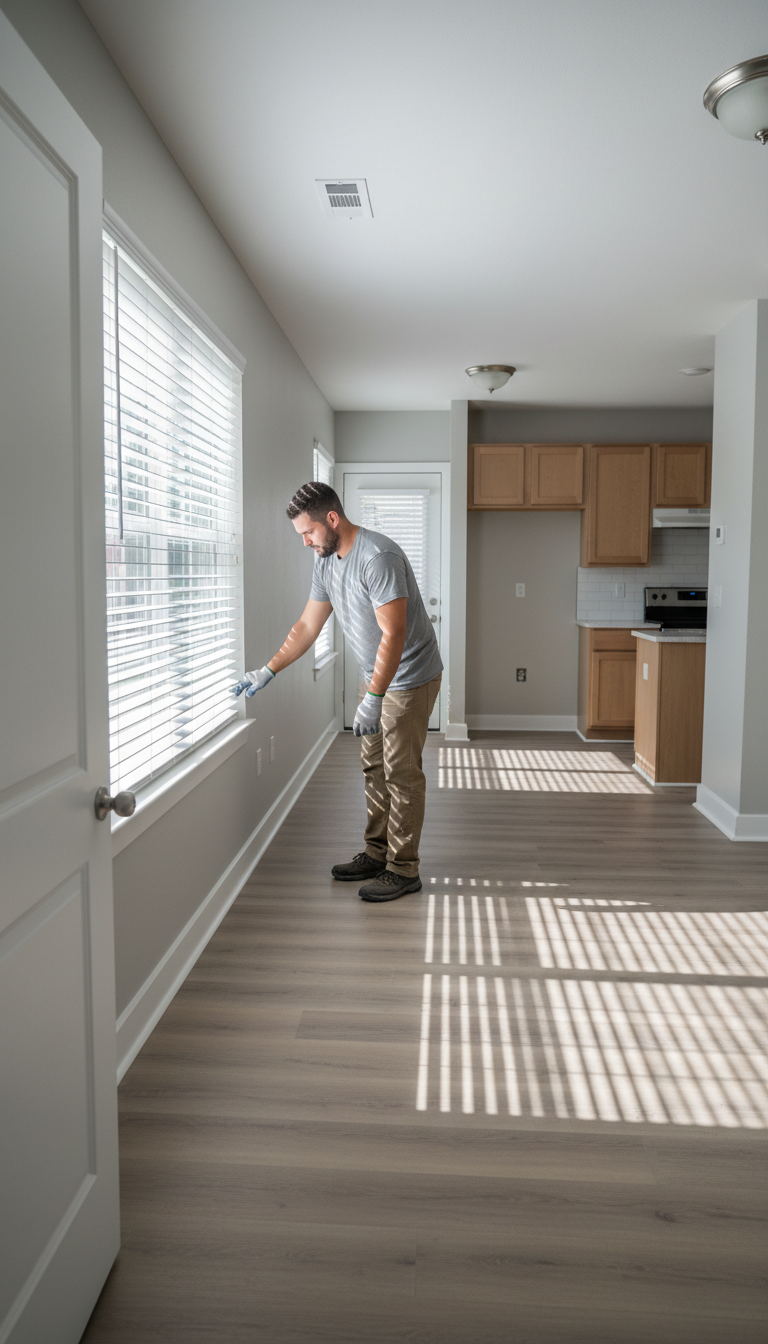
Effective project management during a tenant turn requires a clinical approach to the property's needs. We categorize every repair into three buckets: safety and liability, mechanical integrity, and cosmetic appeal. Safety issues like outdated GFCI outlets, loose handrails, or flickering electrical panels are non-negotiable fixes. These items protect the owner from legal exposure and represent the most dangerous form of a deferred maintenance rental property Fort Worth owners might overlook.
Next, we address mechanical integrity. If a water heater is twelve years old and showing signs of rust, replacing it during a vacancy is significantly cheaper than dealing with a flood and an emergency call later. To further reduce future overhead, we advocate for durable material swaps. Replacing builder-grade carpet with high-quality Luxury Vinyl Plank (LVP) in a rental renovation in Fort Worth virtually eliminates flooring replacement costs for the next decade. LVP resists the heavy wear of pets and the moisture common in Texas kitchens and bathrooms.
Our investor-level efficiency allows us to phase cosmetic updates. While new quartz countertops improve a unit's appeal, they can be scheduled for a future turn if the current budget must prioritize foundation-related drainage or HVAC servicing. By partnering with an experienced make ready turn contractor in DFW and leveraging our realtor partners, you ensure your capital is deployed where it generates the highest protection and return.
Taking care of minor repairs today prevents expensive emergencies tomorrow. While keeping up with property needs requires constant attention, the savings over time for your DFW investment are well worth the effort. If you want expert help navigating these essential upgrades, our team at Bridge & Build Renovations is ready to assist. You can explore our options for Rental Renovation to ensure your property remains profitable and safe. Investing in your assets now ensures they continue to provide value for years to come.