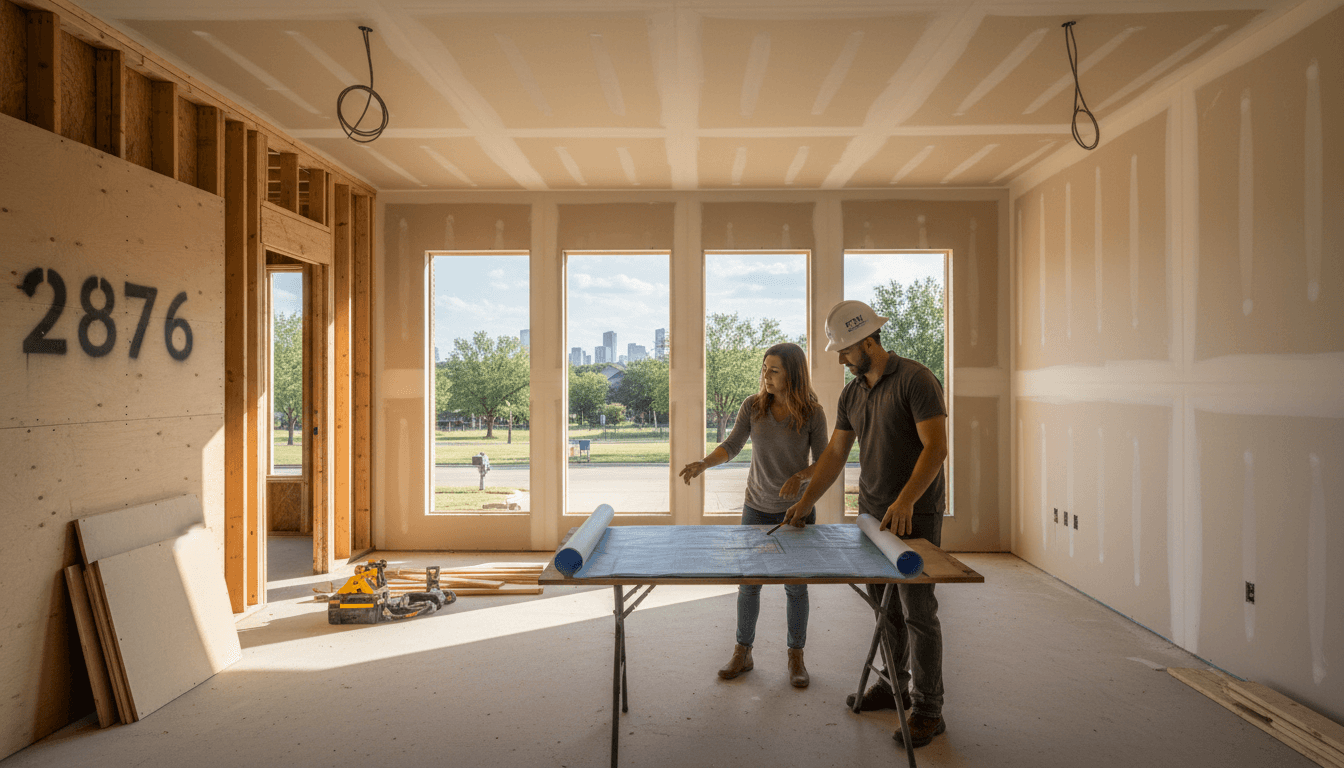

Completing foundation repair before remodeling Fort Worth homes is essential to prevent structural movement from ruining new renovations like fresh paint, tile, and cabinetry. Starting with a level base protects your financial investment and ensures that doors, windows, and walls remain properly aligned throughout the renovation process.
You have likely envisioned your dream kitchen for years, yet the sight of a widening drywall crack or a stubborn door frame brings those plans to a jarring halt. In Fort Worth, where the expansive clay soil is as much a part of the landscape as the Stockyards, ignoring structural health is a costly mistake. If you prioritize aesthetics over stability, you risk watching your brand new quartz countertops and custom cabinetry shift and fail. This article outlines why a foundation first approach is non negotiable for local homeowners. We will examine the specific soil challenges of the DFW area, the signs of distress you must identify before demolition begins, and the precise sequence required to ensure your renovation stands the test of time.
The Golden Rule of DFW Renovations: Bones Before Beauty
In North Texas, a renovation is only as good as the soil beneath it. At Bridge & Build Renovations, we follow a non-negotiable principle: bones before beauty. Homeowners often feel the urge to jump straight into the aesthetic elements of a project, like selecting quartz and custom cabinetry, but ignoring structural stability is the most expensive mistake you can make.
We frequently encounter the "lipstick on a pig" approach, where a property receives high-end finishes on a shifting base. A homeowner might spend thousands on hand-pressed zellige tile or wide-plank hardwoods, only to watch them hairline-fracture six months later because the house moved half an inch. As a Fort Worth-based general contractor, we have seen these preventable failures firsthand.
Prioritizing foundation repair before remodeling Fort Worth homes ensures that your investment is protected from the region’s volatile geology. When managing whole-home updates or a complex kitchen renovation in Dallas, our project management process begins with an honest assessment of the slab or pier-and-beam system. We believe a project is only truly successful if it is structurally sound. Cutting corners on the foundation does not just risk the aesthetics; it compromises the plumbing, electrical, and finish carpentry that define a high-quality remodel.
Understanding Fort Worth Soil: Why Our Foundations Shift

To understand why structural movement is so prevalent in our region, one must look below the surface. The North Texas landscape sits atop highly active geological formations, primarily Eagle Ford shale and Austin chalk. These expansive clay soils act like a giant sponge. During heavy spring rains, the clay absorbs moisture and swells with immense force, often lifting foundations. Conversely, our Texas-sized droughts cause the soil to shrink and pull away from the slab or piers, leaving the home to settle into the resulting voids.
This cycle of swelling and shrinking is not a subtle process. In established communities like Aledo, Benbrook, or Southlake, the soil can fluctuate several inches in volume annually. For older homes, foundation movement is a matter of "when" rather than "if." This volatility makes prioritizing foundation repair before remodeling Fort Worth properties a critical prerequisite. Ignoring the soil’s behavior is equivalent to building on a moving target.
An experienced Fort Worth-based general contractor recognizes that moisture is the foundation’s biggest enemy. For a kitchen renovation in Dallas or whole-home updates, the project scope must account for the fact that these clays exert thousands of pounds of pressure against a concrete slab. Without addressing the underlying stability, even the most meticulous interior finish will eventually succumb to the relentless physics of the Texas terrain.
Should I Fix My Foundation Before a Kitchen Remodel in Fort Worth?
Choosing to skip foundation work before a kitchen renovation in Dallas is a high-stakes gamble with your largest renovation investment. A kitchen typically represents the highest cost per square foot in any of our whole-home updates, largely due to the rigid nature of the materials involved. When a slab shifts even a quarter of an inch, the consequences are immediate and visible. Custom cabinetry that was perfectly leveled during installation will suddenly show uneven gaps; doors may begin to rub or fail to latch entirely.
More critically, modern finishes like quartz or granite countertops have zero flexibility. If the house settles or heaves after installation, the stress often results in a hairline fracture at the weakest point, usually the sink cutout or a seam. Similarly, high-end backsplash tile and grout lines will spider-web as the wall studs move independently of the floor. As a Fort Worth-based general contractor, we emphasize that the cost of these repairs often exceeds the initial installation price.
Attempting to level a house after the kitchen is complete creates a secondary wave of destruction. Lifting a foundation to its original position can snap new PVC drain lines, crack freshly poured self-leveling underlayment, and force you to reinstall cabinets that were scribed to a previously unlevel floor. Prioritizing foundation repair before remodeling Fort Worth homes is the only way to ensure that your dream kitchen does not become a recurring maintenance liability.
Signs of Foundation Problems to Look for Before You Demo
Before the sledgehammer hits the drywall, you must conduct a clinical walkthrough of the property. In the DFW metroplex, foundation symptoms often vary depending on the construction style of the home. For properties on a concrete slab, the most common red flag is the presence of stair-step cracks in the exterior brick mortar. Inside, look for diagonal cracks radiating from the corners of door frames, gaps where the crown molding has separated from the ceiling, or new fractures in existing floor tiles.
In older neighborhoods where pier-and-beam foundations are common, signs of distress are more tactile. Bouncy or soft spots in the flooring often indicate failing support jacks, shim failure, or moisture rot in the subfloor. Doors that stick during the dry Texas summer but swing freely after a rain indicate significant perimeter movement. You should also check the crawlspace for standing water or a persistent musty smell, which suggests that poor drainage is compromising the wooden structure.
As a Fort Worth-based general contractor, we recommend hiring an independent structural engineer as your first step. Unlike a repair company, an engineer has no financial stake in the repair itself. Their neutral report provides a data-driven baseline for any whole-home updates or kitchen renovation in Dallas, ensuring you only pay for necessary structural stabilization rather than a salesperson’s quota.
The Correct Sequence for a Foundation-First Remodel
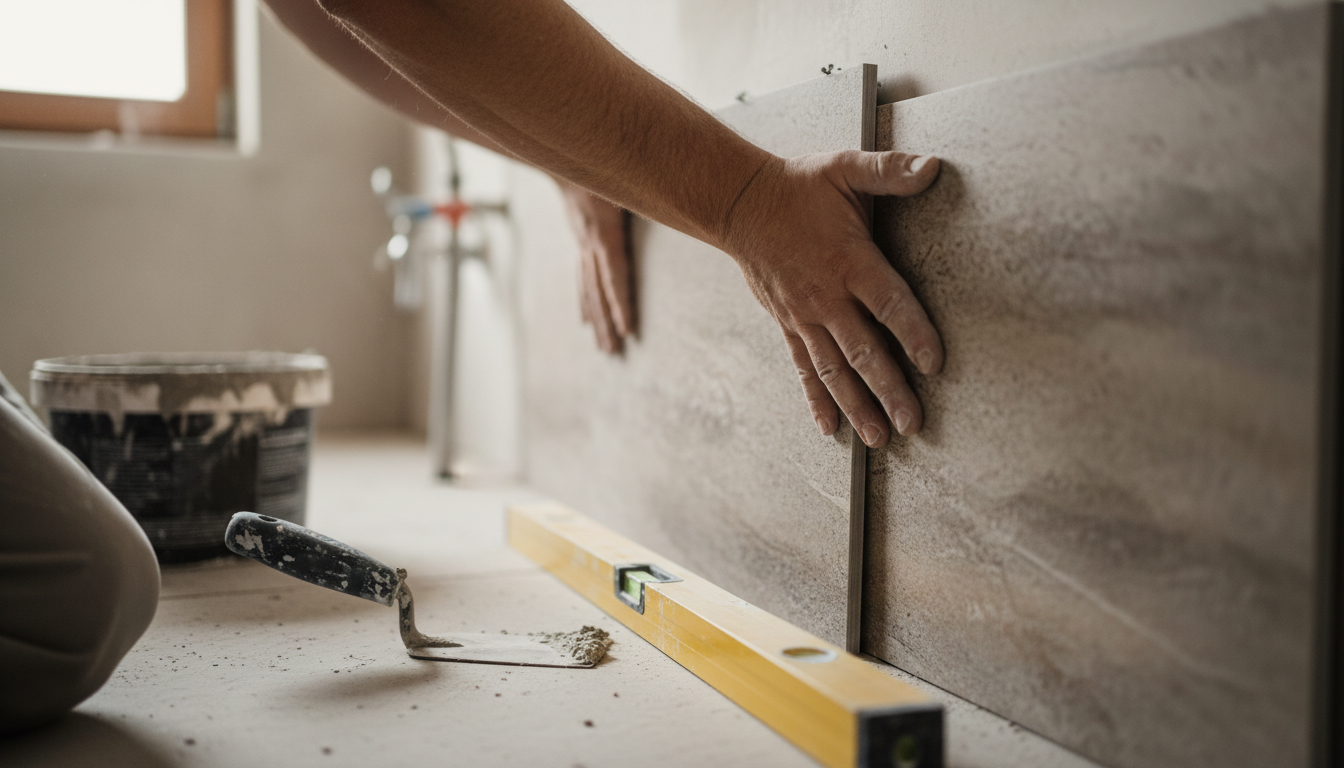
The transition from identifying a problem to starting construction requires a disciplined order of operations. Skipping steps or rushing the timeline often leads to expensive rework when finishing materials react to structural changes. At Bridge & Build Renovations, we follow a specific roadmap to ensure every project sits on a stable base.
Structural Engineering Inspection: Before engaging a repair crew, hire an independent structural engineer. They provide a neutral assessment and a signed plan detailing exactly where piers or supports are necessary. This prevents you from overpaying for unnecessary repairs suggested by commission-based sales reps.
Foundation Repair and Leveling: The repair team executes the engineer's plan, whether that involves pressed concrete pilings for a slab or adjusting jacks for a pier and beam home. The goal is to reach a point of stability that protects future finishes.
Plumbing Static Test: This is the most critical step in foundation repair before remodeling Fort Worth properties. When a house is lifted, even by a fraction of an inch, underground plumbing lines are subjected to immense stress. A static test identifies leaks in the sanitary sewer system caused by the movement. Discovering a broken line now is a minor repair; discovering it after you have finished a kitchen renovation in Dallas is a catastrophe.
The Wait Period: Do not rush into demo immediately. Allow the home to settle for two to four weeks. As the framing acclimates to its new position, you may see new cracks appear in the drywall or old ones close. It is vital that the structure finishes its initial shift before any new materials are installed.
Interior Demo and Renovation: Once the wait period is over and the plumbing is cleared, the actual renovation begins. As a Fort Worth-based general contractor, we can then proceed with whole-home updates knowing the surfaces are level and the bones are sound.
Does Texas Homeowners Insurance Cover Foundation Repair?
In the vast majority of cases, standard Texas homeowners insurance policies do not cover foundation repair. Most policies specifically exclude damage resulting from settling, cracking, shrinking, bulging, or expansion; this describes exactly how North Texas clay soils behave. Because this movement is considered a natural occurrence or a maintenance issue rather than a sudden, accidental event like a fire, the financial burden typically falls on the property owner.
There is one notable exception known as the foundation water damage rider. If an underground plumbing leak causes the soil to heave or settle, your policy might cover the repair, but only if you have specifically added this endorsement prior to the damage. Without this specific rider, even a leak-related failure is likely excluded. For those planning whole-home updates or a kitchen renovation in Dallas, we advise budgeting for structural work as a necessary capital expense. As a Fort Worth-based general contractor, we emphasize that securing foundation repair before remodeling Fort Worth homes is a strategic investment in the property’s longevity, not something to leave to the uncertainty of an insurance adjuster.
The ROI of Structural Integrity: Is It Worth Fixing Foundation Issues?

Investors often hesitate to spend $5,000 to $12,000 on concrete piers when that capital could buy professional-grade appliances or luxury vinyl plank. However, neglecting foundation repair before remodeling Fort Worth properties is a poor financial strategy. For landlords and property managers, a stabilized structure prevents the recurring, expensive call-backs that eat into margins, such as doors that suddenly won't latch or grout lines that crack after every heavy rain. As a Fort Worth-based general contractor, we view structural stability as the ultimate safeguard for your renovation budget.
When it comes to resale, a professional repair backed by a lifetime transferable warranty is a massive asset. DFW buyers are educated on the risks of clay soil; they look for that warranty documentation as a sign of a responsible renovation. It transforms a potential structural liability into a verified selling point. Protecting the finish quality of whole-home updates or an expensive kitchen renovation in Dallas ensures the property maintains its maximum appraisal value without the threat of structural surprises during the inspection period.
Ensuring your home has a solid foundation is the most critical step before beginning any cosmetic upgrades. By prioritizing structural integrity first, you protect your investment and prevent future damage to your beautiful new finishes. If you prefer to have seasoned experts manage this complex coordination for you, our team is ready to assist. Our Full Service Renovation process ensures every phase of your project is handled with care and precision. We look forward to helping you build a home that lasts.