
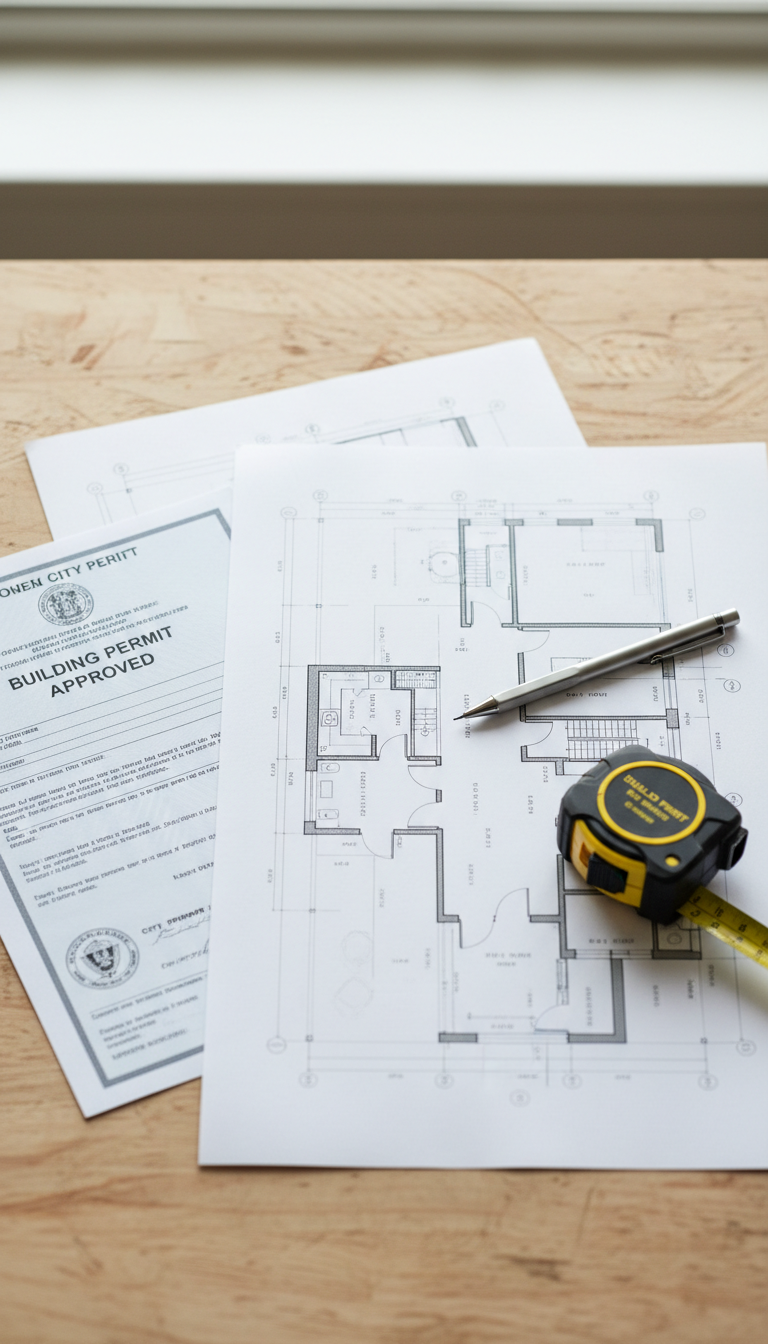
Most structural, electrical, and plumbing renovations require a Fort Worth remodel permit to ensure the project meets local building codes and safety standards. Fees for these permits generally start around $112; skipping the application process can result in heavy fines, forced removals, or issues when selling the home.
Navigating the bureaucratic maze of the City of Fort Worth Development Services can feel like a full-time job for homeowners and investors alike. You want to modernize your kitchen or revitalize a rental property, but the fear of a red tag or a hefty fine often creates unnecessary friction. While skipping the paperwork might seem like a time-saver, it frequently leads to legal headaches and compromised property values down the road. At Bridge & Build Renovations, we believe that understanding the local building code is the foundation of a successful project. In this comprehensive guide, we will break down exactly which projects trigger a permit requirement, from cosmetic updates to structural overhauls. You will learn about current fee schedules, the specific nuances of kitchen and bathroom renovations, and how to navigate the online permit portal to ensure your investment remains protected and compliant.
Do You Need a Fort Worth Remodel Permit for Your Project?
Determining if you need a Fort Worth remodel permit is the essential first step of any legitimate renovation. According to city code, property owners must obtain a permit for any project that enlarges, alters, repairs, moves, demolishes, or changes the occupancy of a structure. This legal requirement covers a vast range of work, from minor structural shifts to comprehensive interior transformations.
The distinction typically falls between purely cosmetic updates and those involving trades or structural integrity. If you are simply installing new carpet, painting a bedroom, or replacing a light fixture in the same location, you are generally in the clear. However, once the project involves moving walls, running new electrical lines for a bathroom remodel in Fort Worth, or updating gas lines, the city requires professional oversight.
We often see contractors suggest skipping the permit process to save a few days or lower an initial quote. In an industry where basic professionalism and answering the phone are often treated as luxury features, cutting corners on legal compliance is a common pitfall. For investor rehab projects and full-service home renovation work, we prioritize the permit process. Doing things the right way protects your property value, ensures code-compliant safety, and prevents the massive financial headaches that occur when unpermitted work is discovered during a future home sale.
When Cosmetics Turn into Construction: What Triggers a Permit

Distinguishing between a cosmetic refresh and a structural renovation is critical for staying compliant with local ordinances. The City of Fort Worth allows for basic upkeep without bureaucratic oversight. You do not typically need a Fort Worth remodel permit for projects that focus solely on surface materials and aesthetic updates.
Permit Not Required (Cosmetic) | Permit Required (Construction & Trades) |
|---|---|
Interior painting and wallpapering | Moving or removing interior walls |
Tiling, carpeting, or hardwood flooring | Adding or resizing windows and doors |
Cabinetry replacement (no plumbing moves) | Changing the building footprint |
Minor repairs under $500 (non-structural) | New electrical circuits or panel upgrades |
Replacing existing light fixtures or faucets | Relocating plumbing drains or gas lines |
The threshold for required permits is crossed the moment the scope shifts from surface-level updates to system or structural alterations. Any work involving the "trades", including plumbing, electrical, and mechanical systems, demands official oversight. Fort Worth inspectors are particularly strict regarding load-bearing wall removals and gas line modifications.
Removing a load-bearing wall involves complex engineering to ensure the structural load is properly redistributed; attempting this without a permit is a significant safety and liability risk. Similarly, any modification to a gas line requires a specific permit and a subsequent pressure test to ensure the system is sealed and safe for occupancy. Even a full-service home renovation that starts as a simple update can quickly trigger these requirements once walls are opened and systems are exposed. Recognizing these triggers early ensures the project maintains professional standards and avoids the delays associated with non-compliance.
Kitchen and Bathroom Remodels: The Permit Threshold

Kitchens and bathrooms are the most common renovation projects in the DFW metroplex, yet they represent the most frequent points of permit confusion. The threshold for requiring a Fort Worth remodel permit in these spaces is almost always tied to the modification of existing systems. A simple cabinet swap in a Keller kitchen or a vanity replacement in a Fort Worth bathroom typically qualifies as a cosmetic update, provided the footprint remains identical and no utility lines are moved.
However, modernizing these rooms rarely stops at the surface. If your project involves converting a bathtub into a walk-in shower, moving a kitchen sink to a new island, or adding a gas range where an electric one once sat, you have crossed into permitted territory. These changes trigger the need for specific trade permits, which include electrical, plumbing, and mechanical approvals. These trades often sit as individual sub-permits underneath a primary building permit, ensuring that each system is inspected by a specialist for safety and code compliance.
In a bathroom remodel in Fort Worth, even small upgrades like adding a new GFCI outlet or relocating a shower drain require professional oversight. For a full-service home renovation, these trade permits act as a roadmap for the project, confirming that the foundational work is sound before the walls are closed and the finish carpentry begins. Skipping these steps for the sake of speed often leads to significant delays during the final inspection phase.
Current Fort Worth Permit Fee Schedule and Cost Breakdown
Understanding the financial side of a Fort Worth remodel permit requires looking beyond just the base price. The City of Fort Worth mandates a $31.50 application fee for all permit types, which covers the administrative processing of the request. For most residential remodels, the permit fee itself starts at approximately $112. This cost scales upward based on the total valuation of the work and the number of specific trades involved, such as electrical, plumbing, or mechanical systems.
Item | Standard Rate / Note |
|---|---|
Application Fee | $31.50 (Per Permit) |
Initial Residential Remodel Fee | $112 (Minimum) |
Unpermitted Work Penalty | 200% of standard fee |
Scaling Factor | Valuation of work + number of trades |
In the context of a full-service home renovation, these fees are a minor line item; however, they provide essential legal and structural security for the property. Trying to bypass these costs is a high-risk gamble. If the city discovers unpermitted work, the standard permit fees are typically doubled as a penalty. For investor rehab projects and professional flips, incorporating these known costs into the initial budget is the only way to ensure a clean exit and a protected bottom line. The investment in paperwork is always cheaper than the cost of remediation or legal complications later.
The Real Cost of Unpermitted Work: Fines and Legal Headaches
Choosing to proceed without a Fort Worth remodel permit creates risks that far outweigh the temporary savings of time or money. The most immediate consequence is a Stop Work Order. If a city inspector notices a dumpster or a crew working without a displayed permit, they have the authority to shut down the job site instantly. This often freezes a project for weeks while the owner navigates the remedial application process, causing specialized crews to move on to other jobs and stalling the entire renovation timeline.
Fort Worth enforces a specific penalty for starting work before a permit is issued: the city typically doubles the permit fee. However, the financial penalty is often the least expensive part of the correction. If the plumbing, electrical, or structural framing has already been covered, an inspector will likely require the removal of finished drywall or flooring. You will pay for the demolition and the re-installation of materials just so the city can verify that the work hidden behind the walls meets code. This is a common hurdle in a bathroom remodel in Fort Worth where waterproofing and plumbing rough-ins must be inspected before tile is laid.
The long-term legal and financial liabilities are even more severe. Insurance companies regularly deny claims for fire or water damage if the underlying cause was unpermitted electrical or plumbing work. For homeowners looking to leverage their property, the Texas 50(a)(6) home equity rules create a significant barrier. Unpermitted work can lead to a clouded title or a failed appraisal, effectively blocking your ability to refinance or sell the property. Potential buyers will flag the lack of a permit history, which often leads to aggressive price reductions or the deal falling through entirely. For any full-service home renovation, a paper trail of inspections is the only way to prove the quality and safety of the workmanship to future lenders and insurers.
The Investor Angle: Rental Turns and Fix and Flip Permits

Real estate investors often view the permit process as a bottleneck that threatens their internal rate of return. However, professional property management requires a calculated balance between speed and legal protection. For a standard rental turn, cosmetic tasks like replacing flooring, painting walls, or installing new appliances in existing hookups do not require a Fort Worth remodel permit. These projects focus on high-traffic durability without disturbing the structure.
The line is crossed the moment an investor rehab projects involves system upgrades to attract higher-tier tenants. If a flip in Arlington or Burleson includes adding a second bathroom or upgrading an electrical panel to support modern HVAC, the permit becomes a non-negotiable asset. A documented paper trail of inspections significantly increases the property’s valuation during the exit phase. Smart buyers and institutional investors will verify permit history to ensure they are not inheriting a liability.
Furthermore, permits serve as a critical defense against tenant litigation. Should an electrical issue or plumbing failure occur, having a "green tag" from a city inspector proves that the work met municipal safety standards at the time of completion. For a full-service home renovation intended for the rental market, these protections safeguard the long-term viability of the investment.
Navigating the City of Fort Worth Permit Portal and Inspections
Navigating the City of Fort Worth online permitting system is the final logistical hurdle for any project. Homeowners can use the public search tool to verify the history of their property, which is a useful step during the due diligence phase of investor rehab projects to see what work was officially signed off by previous owners. This transparency ensures that any new Fort Worth remodel permit application builds on a compliant foundation.
Once the application is approved through the portal, the focus shifts to field inspections. These occur in phases, starting with "rough-ins" for electrical and plumbing before the walls are closed. A successful inspection results in a physical "green tag" left at the job site, signifying that the work meets city code and we can proceed to the next stage of the full-service home renovation.
While the portal is open to the public, scheduling and managing these visits requires precise coordination. Bridge & Build Renovations manages the entire administrative cycle, from initial filing to the final sign-off. We handle the communication with city officials so you do not have to spend your morning navigating bureaucratic menus or waiting for a callback from the permit office. This structured oversight is standard for every bathroom remodel in Fort Worth we undertake, ensuring the paperwork is as clean as the finished design.