
An energy efficient home renovation Fort Worth reduces monthly utility bills and boosts property value by incorporating upgrades like heat pumps, high-quality attic insulation, and air sealing. These strategic improvements frequently qualify for the federal energy efficient home improvement credit; this allows homeowners to offset the initial costs of installing energy-saving windows, water heaters, and smart thermostats.
As a Fort Worth homeowner, you know the relentless struggle of battling triple digit summer temperatures while watching your electricity bill climb to unsustainable heights. These seasonal spikes are more than a nuisance; they signify an inefficient building envelope that drains your wallet and puts unnecessary strain on your HVAC system. At Bridge and Build Renovations, we view energy efficiency as a strategic investment rather than a mere utility fix. In this guide, we will explore high ROI upgrades including advanced attic insulation, smart HVAC solutions, and high performance window replacements. You will also learn how to navigate 2026 tax credits and Texas specific rebates to maximize your savings. Whether you are prepping a rental turn or upgrading your primary residence, these practical strategies ensure your property remains comfortable, valuable, and cost effective for years to come.
The Real Cost of the North Texas Heat on Your Home
North Texas summers are a relentless test for residential infrastructure. In Fort Worth, where triple-digit temperatures often persist for weeks, the heat does more than cause discomfort; it creates a significant financial drain. For homeowners in Keller, Southlake, and Aledo, energy efficiency is rarely about environmental aesthetics. It is a practical necessity. An aging HVAC system or insufficient attic insulation forces your home to fight a losing battle against the sun, leading to inflated utility bills and premature equipment failure.
The cost of inaction is measurable. A home with outdated thermal barriers can easily lose 30% of its cooled air through leaks and poor insulation. By contrast, a strategic energy efficient home renovation Fort Worth homeowners invest in provides a dual return: lower monthly overhead and increased property value. Ignoring these inefficiencies is a choice to subsidize the power grid rather than investing in your own equity.
Bridge & Build Renovations approaches these projects with the mindset of seasoned general contractors in Dallas-Fort Worth. We combine investor-level efficiency, focused on high-yield upgrades, with the high-quality craftsmanship expected in a custom remodel. Rather than simply swapping out a fixture, we analyze the entire building envelope. This ensures that every upgrade, from attic sealing to finish carpentry, works as a unified system to manage the Texas climate.
Start with a Fort Worth Home Energy Audit
Before swinging a hammer, a professional energy audit is the necessary first step for a high-performance project. In the DFW metroplex, these assessments generally cost between $200 and $500. While this is an upfront cost, the data gathered typically identifies structural and mechanical failures that, once corrected, result in over $1,000 in annual utility savings.
A standard home inspection focuses on safety and basic function, but an energy audit is a diagnostic deep dive. Auditors use thermal imaging cameras to pinpoint exactly where cooled air is escaping through wall cavities or around window headers. They also perform blower door tests to measure total home leakage and inspect ductwork integrity, which is a frequent failure point in older North Texas homes.
When planning an energy efficient home renovation Fort Worth families can use this report to move beyond guesswork and ensure their investment targets the most critical leaks first. Furthermore, these audits are the path to securing a Pearl Score or similar efficiency certification. Unlike a generic inspection, these ratings provide documented proof of your home’s performance, translating invisible upgrades into tangible resale value. Integrating this step into a full service home renovation ensures the finished product is as durable as it is beautiful.
Attic Insulation and Air Sealing: The Highest ROI Upgrade
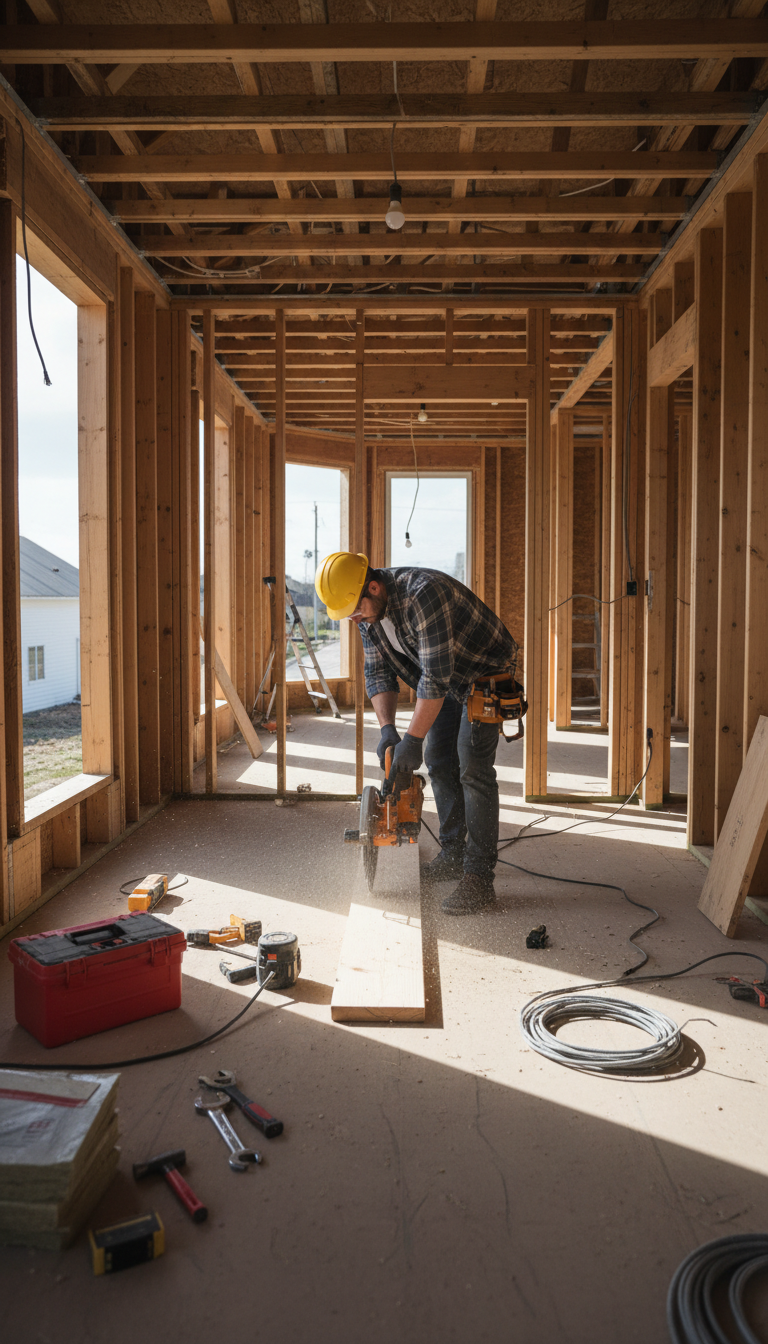
Once the energy audit identifies where your home is losing cooled air, the attic is almost always the first priority for correction. In Fort Worth, which straddles Climate Zones 2 and 3, standard building codes are often insufficient for modern comfort. Achieving a thermal resistance of R-38 to R-49 is the professional recommendation for local renovations. This level of protection prevents the attic from becoming a 140-degree oven that radiates heat directly through your ceiling and into your living space.
Choosing the right material depends on your long-term goals and budget. Integrating high-performance barriers into an energy efficient home renovation Fort Worth project requires a strategic choice between traditional blown-in products and modern spray foam.
Insulation Type | Approx. Cost / Sq. Ft. | Primary Advantage |
|---|---|---|
Blown-in Fiberglass | $1.00 – $2.00 | Cost-effective; ideal for rental turns |
Blown-in Cellulose | $1.20 – $2.50 | Denser than fiberglass; recycled content |
Spray Foam | $1.50 – $5.50 | Superior air sealing; maximum efficiency |
Spray foam is the premium solution, offering an airtight seal that blown-in materials cannot match. Although the $1.50 to $5.50 per square foot price tag represents a larger upfront investment, it significantly reduces the workload on your HVAC system by sealing the micro-leaks in the roof deck. For many investor-driven projects, however, blown-in fiberglass remains the sweet spot. It allows general contractors in Dallas-Fort Worth to quickly elevate a property to modern efficiency standards without the specialized equipment or higher price points of foam. This makes it a practical, high-ROI choice for rental turns and budget-conscious updates in communities like Benbrook and Burleson.
Modern HVAC Solutions: Are Heat Pumps Right for Texas?
While insulation acts as the thermal barrier, the HVAC system is the engine of your home. A persistent misconception in North Texas is that electric heat pumps lack the power to handle August humidity and triple digit afternoons. Modern inverter driven technology has rendered this concern obsolete; today’s high efficiency units are designed to maintain comfort even when the local grid is under maximum stress.
Entering 2026, a new high efficiency HVAC system in the DFW metroplex typically ranges from $7,500 to $19,000. This price variance is driven by equipment stages and SEER2 ratings. Unlike older single stage units that are either fully on or fully off, variable speed systems modulate their output to match the cooling load precisely. This technological shift allows Texas households to save approximately $300 to $481 annually on utility costs compared to standard baseline equipment.
System Type | Est. DFW Price Range (2026) | Efficiency Benefit |
|---|---|---|
Standard SEER2 Heat Pump | $7,500 – $10,500 | Reliable entry-level efficiency |
Mid-Tier Two-Stage System | $11,000 – $14,500 | Improved humidity control |
High-End Variable Speed | $15,000 – $19,000 | Maximum comfort and lowest bills |
Integrating these systems into an energy efficient home renovation Fort Worth homeowners can trust requires more than just a swap of the condenser. When Bridge & Build Renovations manages a full service home renovation, we prioritize the coordination between HVAC technicians, electricians, and finish carpenters. Professional project management ensures that ductwork is resized for modern airflow requirements and that electrical panels are upgraded to handle the new load before the drywall is finished. This structured approach prevents the costly mistake of placing a sophisticated machine into an outdated infrastructure.
Windows and Doors: Balancing Aesthetics and Performance
Achieving a successful energy efficient home renovation Fort Worth residents value requires addressing the weakest points in the building envelope: the apertures. While a new HVAC system manages the interior air, windows and doors serve as the primary defense against radiant heat gain. In a climate where the afternoon sun can turn a living room into a greenhouse, standard glass is a liability. Low-E (Low Emissivity) coatings are essential here; they act as a microscopic filter that allows natural light in while reflecting infrared heat back outside. Pairing this with argon gas fills between panes creates a thermal barrier that significantly reduces the workload on your cooling system.
Window Replacement Component | DFW Estimated Cost (Per Unit) | Impact Level |
|---|---|---|
Standard Vinyl Low-E | $500 – $900 | Moderate |
Composite/Fiberglass | $950 – $1,300 | High |
Custom/Large Architectural | $1,350 – $1,700+ | Very High |
Budgeting for a full-home replacement can be daunting, so we often advise clients to prioritize south and west-facing windows if they are renovating in phases. These elevations bear the brunt of the Texas sun and offer the fastest return on comfort. Beyond performance, windows are a cornerstone of modern interior transformations. In areas like Burleson and Benbrook, black-frame windows have become a dominant design trend, offering a sharp architectural contrast that complements updated flooring and finish carpentry. As general contractors in Dallas-Fort Worth, we ensure these units are integrated with proper flashing and sealing to prevent the air infiltration that often undermines even the highest quality glass.
Kitchen and Bathroom Efficiency: Fixtures and Appliances
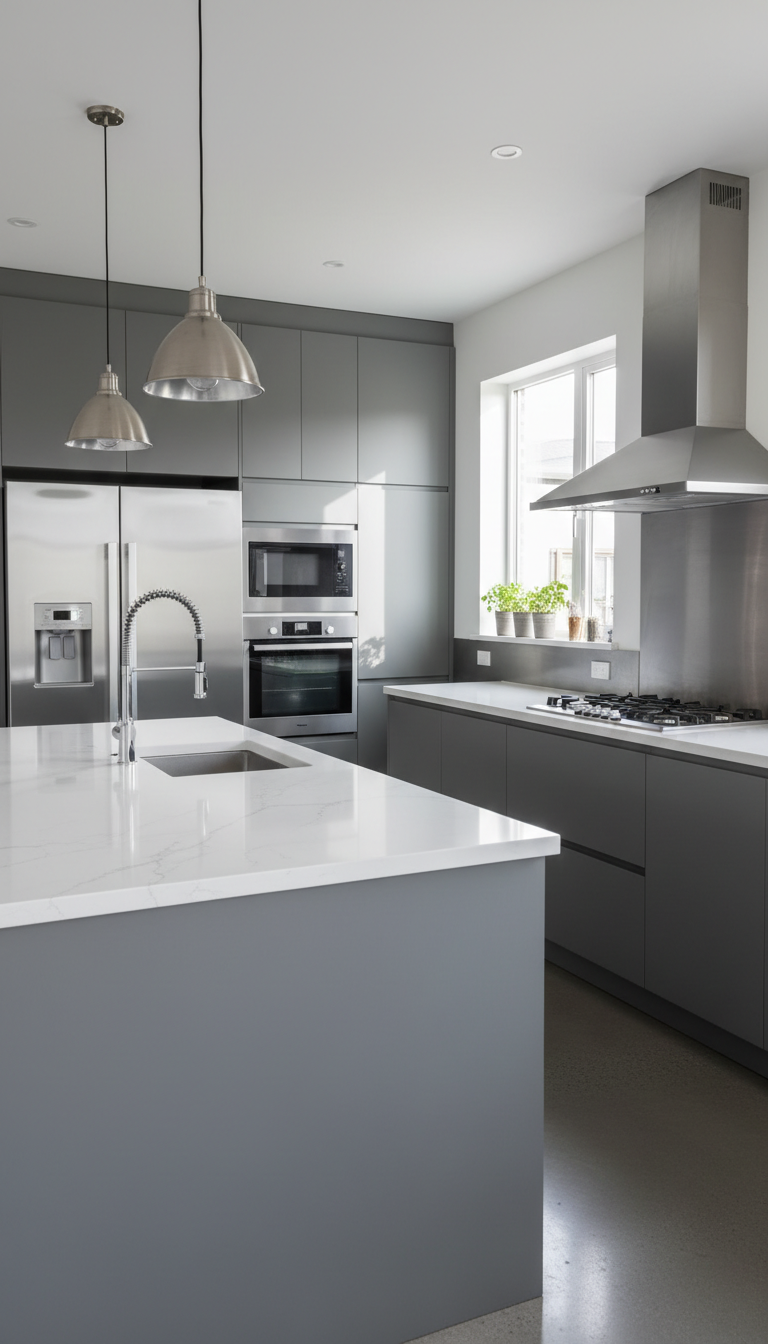
Room-specific updates bridge the gap between structural performance and daily utility. In the kitchen, a high-impact energy efficient home renovation Fort Worth project should prioritize induction cooktops. Unlike traditional gas or electric coils that radiate excess heat into your living space, induction uses electromagnetic energy to heat the cookware directly. This keeps the kitchen cooler and reduces the load on your AC system. Pairing these with Energy Star rated refrigerators and dishwashers ensures the highest-traffic areas of the home operate at maximum efficiency.
For bathrooms, the focus shifts to water management and precise lighting. Modern low-flow fixtures, specifically WaterSense labeled faucets and dual-flush toilets, significantly reduce consumption without sacrificing pressure. We integrate these with layered LED lighting plans including recessed cans, vanity lights, and motion-activated toe-kick strips. These updates are no longer optional extras; they are the luxury features that buyers in Southlake and Keller expect when viewing a full service home renovation. By selecting durable, high-performance fixtures, we ensure the design stands up to years of use while keeping utility costs predictable.
Smart Home Tech: Automated Energy Management
Integrating smart technology into an energy efficient home renovation Fort Worth homeowners plan is more than an aesthetic upgrade; it is a precision tool for cost control. Smart thermostats like Nest or Ecobee are central to this strategy. These devices use occupancy sensors and geofencing to adjust the HVAC load automatically, ensuring you are not cooling an empty house in Grapevine or Aledo during the workday.
Beyond climate control, smart lighting systems and automated power outlets target "vampire" energy loads. These are the silent power draws from idle electronics and peripheral devices that can account for up to 10% of a monthly bill. By scheduling lighting zones and implementing smart switches for non-essential appliances, you eliminate wasted kilowatts that standard renovations often overlook.
As general contractors in Dallas-Fort Worth, we prioritize the infrastructure for these systems during the pre-drywall phase of a full service home renovation. This is the optimal time to run low-voltage wiring and ensure robust Wi-Fi mesh coverage throughout the floor plan. Planning these integrations early prevents the clutter of after-market bridges and ensures that your smart home operates as a cohesive, energy-saving ecosystem rather than a collection of disconnected apps.
Navigating 2026 Tax Credits and Texas Rebates

Financing an energy efficient home renovation Fort Worth project is significantly offset by federal incentives under the Inflation Reduction Act. The Energy Efficient Home Improvement Credit, also known as Section 25C, allows homeowners to claim a tax credit of 30% for qualifying upgrades, capped at a total of $3,200 annually. This annual limit is structured to reward comprehensive updates, with specific sub-limits for different categories.
25C Credit Category | Maximum Annual Benefit |
|---|---|
Heat Pumps and Heat Pump Water Heaters | $2,000 |
Attic Insulation and Air Sealing | $1,200 |
Exterior Windows and Skylights | $600 |
Exterior Doors | $250 per door ($500 max) |
Home Energy Audits | $150 |
While these federal credits are currently active and reliable, the Texas HOMES rebate program is still progressing through its state-level rollout. These rebates are expected to provide additional point-of-sale discounts based on measured energy savings or household income. As general contractors in Dallas-Fort Worth, Bridge & Build Renovations ensures that all installed materials meet the specific efficiency ratings required for these programs. We provide the necessary documentation and manufacturer certifications for your records; however, you should always consult a tax professional to confirm how these credits apply to your specific financial situation before beginning a full service home renovation.
The Investor Strategy: Energy Efficiency for Rental Turns
For real estate investors, an energy efficient home renovation Fort Worth tenants appreciate is essentially a retention strategy. High utility bills are a leading cause of turnover in North Texas, where summer cooling costs can break a renter’s budget. When we manage a full service home renovation for a landlord, we prioritize durable efficiency. This involves selecting materials like high density weatherstripping, tamper resistant LED fixtures, and robust insulation that require zero tenant maintenance.
As general contractors in Dallas-Fort Worth, our investor level efficiency approach ensures you are not over improving, but rather protecting your margins through lower vacancy rates and reduced wear on HVAC systems. To plan your next rental turn or property update, contact Bridge and Build Renovations to discuss high ROI mechanical and thermal upgrades that stand up to the Texas heat.