

Standard contractor insurance requirements Fort Worth mandate that professionals carry general liability and trade specific coverage to obtain city permits and maintain active licensing. Property owners can verify this protection by requesting a Certificate of Insurance; furthermore, they should validate the license status through the Texas Department of Licensing and Regulation before work begins.
Navigating the landscape of home renovations in Fort Worth often brings a mix of excitement and anxiety, especially when you consider the high financial stakes of a major project. A single jobsite accident or a structural mishap can transform a dream kitchen into a legal nightmare if your contractor carries insufficient coverage. Protecting your Tarrant County property requires more than just trust; it demands a rigorous verification of professional standards. In this guide, we will break down the essential insurance requirements for local contractors, including how to decipher a Certificate of Insurance and the critical differences between general liability and workers compensation. You will also learn how to verify Texas trade licenses and recognize red flags that suggest a professional might be cutting corners. By the end, you will have the expertise needed to secure your investment and ensure your renovation remains on firm legal ground.
The Cost of Hiring an Uninsured Contractor in Tarrant County
Hiring a contractor without coverage is a direct transfer of financial risk from the professional to the property owner. In Texas, if a contractor is uninsured or underinsured, the legal liability for jobsite accidents or significant property damage often falls squarely on the homeowner or investor. While we often joke that showing up on time and answering the phone have become luxury features in the DFW construction market, meeting basic contractor insurance requirements Fort Worth should be the non-negotiable baseline.
There is a sharp distinction between a local handyman with a truck and a professional general contractor managed by a dedicated project team. For a bathroom remodel in Fort Worth or a high stakes renovation, the lack of professional oversight can lead to ruinous expenses. Imagine a pipe bursting during a kitchen remodel in Keller, flooding the custom cabinetry and subfloor, or a worker falling from a ladder during a rental turn in Fort Worth. If the contractor lacks General Liability or Workers’ Compensation, the property owner is often left to cover medical bills or structural repairs out of pocket. For those managing multiple properties, reviewing an investor and PM rehab FAQ can clarify how to vet a fix and flip contractor in Dallas-Fort Worth to ensure these nightmare scenarios never materialize.
Core Contractor Insurance Requirements Fort Worth Homeowners Must Know
Navigating the nuances of contractor insurance requirements Fort Worth involves understanding three distinct pillars of protection. Because Texas does not enforce a single, statewide mandate requiring every general contractor to carry a specific insurance package, the responsibility for due diligence falls entirely on the property owner. Before a single dollar of a deposit changes hands, homeowners and investors must verify these specific coverages to ensure they are not assuming the contractor’s professional risks.
General Liability is the most fundamental coverage. It addresses third party property damage and bodily injury occurring on the jobsite. For instance, if a tile installer accidentally cracks a new porcelain bathtub during a bathroom remodel in Fort Worth, or if a visitor trips over a stray compressor, this policy provides the financial shield. It is important to note that General Liability typically excludes the contractor’s own tools and their employees’ injuries, focusing instead on the damage caused to your property or other people.
Workers’ Compensation handles the human element of renovation risk. If that same installer cuts their hand or suffers a fall while working on your property, Workers’ Comp covers their medical expenses and lost wages. In a state like Texas, where many smaller operations try to bypass this expense, the absence of this coverage creates a direct path for an injured worker to sue the property owner for damages. Ensuring a contractor carries this protects both the worker and your personal assets.
Commercial Auto insurance is the third, often forgotten, essential. Personal auto policies frequently exclude accidents that happen while a vehicle is being used for business purposes. If a contractor’s truck reverses into your garage door or a neighbor’s vehicle during a material delivery in Keller, a commercial policy ensures the repair costs are covered without sparking a multi party legal dispute. A professional fix and flip contractor in Dallas-Fort Worth will treat these three policies as the non-negotiable cost of doing business, rather than an optional overhead expense.
How to Read a Certificate of Insurance (COI) Without a Law Degree

A Certificate of Insurance (COI) is a single page summary of a contractor’s active policies. It serves as the only verified proof that a company actually meets the contractor insurance requirements Fort Worth homeowners and investors should demand. When you receive this document, move past the fine print and focus on these four critical fields to ensure your project is protected.
The Insured Name: This must exactly match the legal entity listed on your renovation contract. If your agreement is with a specific LLC but the insurance certificate lists an individual’s name, the policy may not cover the work performed by that business. Discrepancies here are a common reason claims are denied.
Policy Effective Dates: Construction schedules often shift. Ensure the "Policy Expiration" date is well beyond your project’s anticipated completion. If a policy expires during a bathroom remodel in Fort Worth, the contractor must provide an updated certificate immediately to avoid a gap in coverage.
Coverage Limits: Professional standards for a fix and flip contractor in Dallas-Fort Worth typically start at $1,000,000 per occurrence and $2,000,000 general aggregate. The per occurrence limit is the maximum the insurer will pay for a single claim; the aggregate is the total they will pay during the policy period.
Additional Insured Status: Look for a note in the "Description of Operations" section stating that the property owner is named as an "Additional Insured." This specific language grants you direct protection under their policy, allowing you to deal with the insurance carrier directly if an incident occurs and the contractor becomes unresponsive.
For anyone managing a portfolio, keep these certificates organized in a digital folder. Verifying the "Certificate Holder" block at the bottom includes your name and address ensures the insurance agent has a formal record of your interest in the policy coverage.
Verifying Texas Trade Licenses and TDLR Status
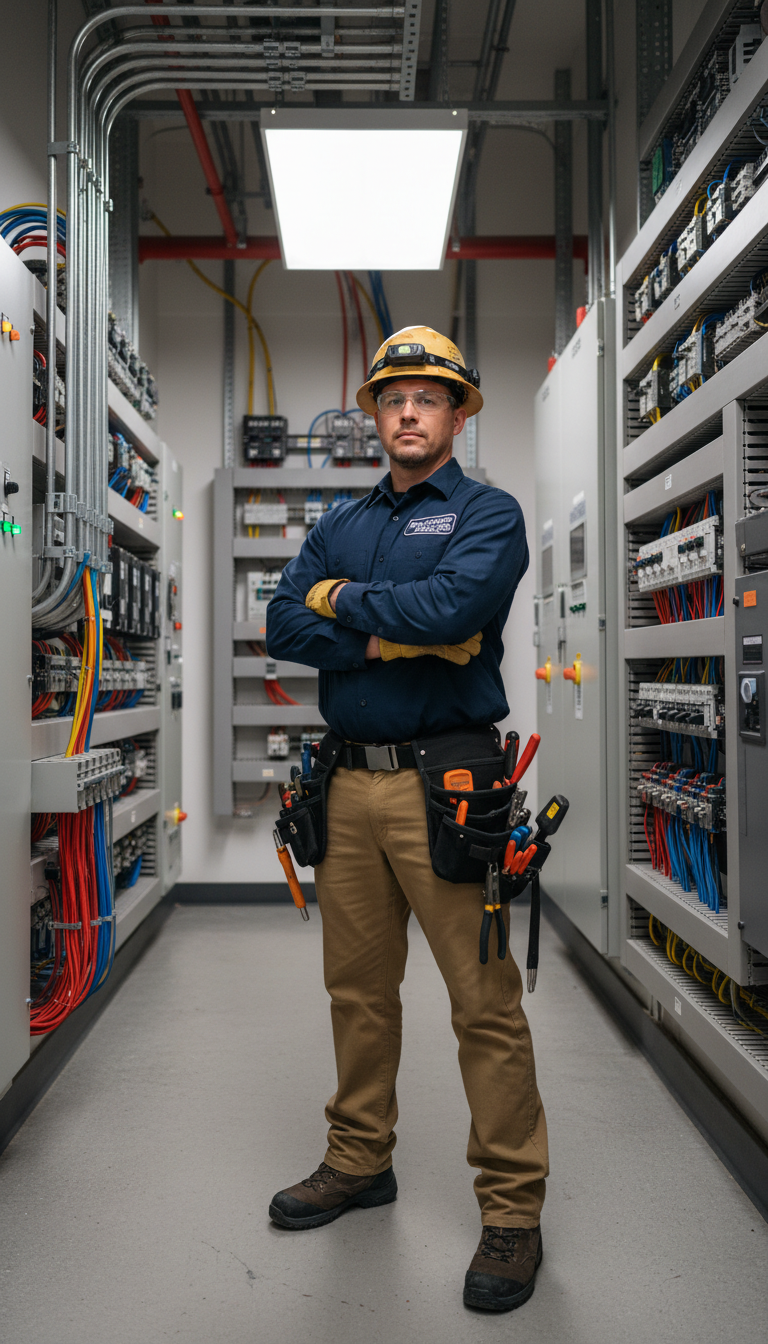
While a COI confirms financial protection, licensing verifies technical competency and the legal authority to perform specialized work. In Texas, General Contractors are not licensed at the state level. Instead, they are typically registered with municipal building departments in cities like Fort Worth or Dallas to pull permits and demonstrate local accountability. However, specialty trades like electrical, plumbing, and HVAC are strictly regulated. The Texas Department of Licensing and Regulation (TDLR) manages electrical and HVAC credentials, while plumbing is governed by the Texas State Board of Plumbing Examiners.
Homeowners and investors should use the TDLR license search tool to confirm that the specific individuals working on their property hold active, valid credentials. For a bathroom remodel in Fort Worth or a large scale interior transformation, the lead contractor should proactively provide license numbers for every specialty subcontractor involved. A professional fix and flip contractor in Dallas-Fort Worth treats this documentation as a standard part of their project management workflow. If a contractor claims trade licenses are unnecessary for residential projects, it is a significant red flag. Verified licenses ensure that the work meets the International Residential Code (IRC) standards, protecting the long term value and safety of the property. Verification is a quick process that prevents the use of unqualified labor on critical systems.
General Liability vs Workers Compensation: Why You Need Both on Your Jobsite
A common misconception in the DFW market is that General Liability covers everything. It does not. While General Liability protects your property from damage, it specifically excludes injuries to the people performing the work. This is where Workers’ Compensation becomes the most important document in your project folder. Many contractors attempt to bypass this cost by claiming they have no employees and only use independent subcontractors. For a property manager or homeowner, this is a significant red flag that signals a lack of professional oversight.
In Texas, if a worker sustains an injury during a renovation on a Southlake jobsite and the hiring contractor lacks Workers’ Comp, the injured individual may seek medical costs and lost wages directly from the property owner. Professional fix and flip contractor in Dallas-Fort Worth teams maintain both policies to ensure a wall exists between the jobsite risks and your personal or business assets. Relying on a contractor who lacks these protections creates an unnecessary legal bridge to your pocketbook.
Coverage Type | What it Protects | Why You Need It |
|---|---|---|
General Liability | Your home, belongings, and third parties | Covers property damage or visitor injuries |
Workers' Comp | The laborers and craftsmen on site | Prevents worker injury lawsuits against the owner |
A bathroom remodel in Fort Worth involves heavy lifting, demolition, and power tools. Ensuring your contractor meets the full contractor insurance requirements Fort Worth standards means confirming both policies are active, regardless of how the contractor classifies their labor force. Referencing our investor and PM rehab FAQ can help you understand how we structure these protections for every project.
The Investor Perspective: Insurance for Rental Turns and Fix and Flips

Real estate investors and property managers operate on tighter margins and stricter timelines than the average homeowner. For a full scale custom remodel or a fix and flip, standard property insurance is often insufficient. Most landlord policies contain vacancy clauses that can void coverage if a home remains unoccupied for more than 30 or 60 days. To mitigate this risk, investors should carry a Builder’s Risk policy. This covers the structure, onsite materials, and theft while the property is under construction, complementing the contractor’s liability coverage.
Efficiency is the priority during high volume rental turns. When you hire a fix and flip contractor in Dallas-Fort Worth, ensure they are already registered with the City of Fort Worth or City of Dallas building departments. Professional teams keep their current contractor insurance requirements Fort Worth documentation on file with these municipalities to expedite the permitting process. This proactive approach prevents administrative bottlenecks that can delay a bathroom remodel in Fort Worth and keeps your assets moving toward the rental market. For more on how we streamline these logistics, review our investor and PM rehab FAQ.
Red Flags: When a Contractor Is Dodging the Insurance Conversation
A contractor who avoids discussing coverage is rarely just forgetful; they are usually hiding a lack of professional infrastructure. One of the most common red flags is the offer of a significant cash discount in exchange for skipping a formal contract or insurance verification. This tactic is a direct attempt to shift one hundred percent of the financial risk onto the property owner. Another warning sign is the claim that their insurance only covers big jobs or that they are currently waiting on updated paperwork from their agent. In the DFW market, a professional operation will have a current COI ready to send before the first walkthrough is even completed.
If a contractor provides a COI with an expired date or a business name that does not match their bid, treat the document as if it does not exist. For those seeking a reliable fix and flip contractor in Dallas-Fort Worth, look for a team that proactively sends updated documents every time a policy renews. Organized renovations are built on documented protection, not verbal promises. At Bridge & Build, we view meeting contractor insurance requirements Fort Worth standards not as a luxury feature, but as the foundation of project management. A consistent partner for recurring investment property projects will always prioritize these administrative details to protect your bottom line.
Verifying contractor insurance is a vital step in protecting your Fort Worth home during a renovation. By confirming liability and workers' compensation coverage, you ensure that your project remains a positive investment rather than a legal risk. If you want expert help navigating these requirements and ensuring your remodel is handled by a fully insured professional team, we invite you to learn more about our commitment to safety. We prioritize transparency so you can focus on your vision.