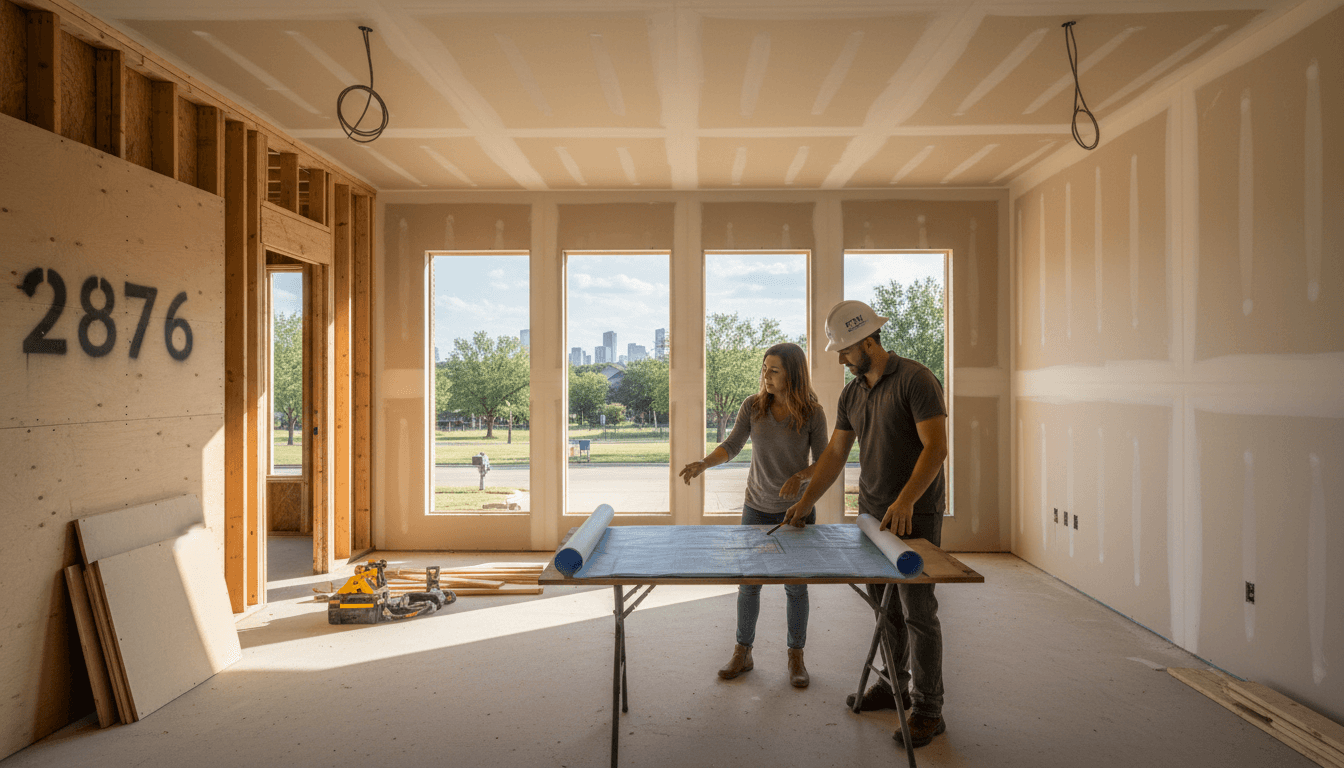

Water damage renovation Fort Worth allows homeowners to rebuild their property with improved materials and structural upgrades rather than just returning it to its pre-loss state. This process involves coordinating professional mitigation with strategic reconstruction; ensuring that the final result is more resilient and modern than the original structure.
Discovering standing water in your Fort Worth living room is a visceral, draining experience. Whether it stems from a flash flood or a failed appliance, the immediate chaos often obscures the long road of reconstruction ahead. While drying out the property is the first priority, the real challenge lies in rebuilding a space that surpasses what was lost. At Bridge & Build Renovations, we understand that water damage is an opportunity to rectify past design flaws and integrate superior resilience. This guide will walk you through the essential stages of a Fort Worth renovation; we will cover everything from navigating insurance claims to selecting moisture resistant materials. You will learn why a dedicated general contractor is vital for the rebuild phase and how to transform a structural setback into a sophisticated, modern interior that stands the test of time.
The Reality of Water Damage in Fort Worth Homes
In Fort Worth, water damage rarely feels like a slow drip. It often arrives as a burst pipe during a sharp North Texas freeze cycle or a sudden influx of water after flash flooding overwhelms local drainage. Our heavy DFW clay soil adds another layer of complexity; as the ground expands and contracts, foundation shifts can compromise plumbing lines, leading to hidden leaks that eventually rot subfloors and drywall. Discovering standing water is an immediate crisis, but the path to recovery involves two distinct phases that homeowners often confuse.
Emergency restoration is the first step. This involves the high-decibel fans and industrial dehumidifiers used to extract moisture and prevent mold growth within the critical 24 to 48 hour window. However, restoration is only about stabilization. The second phase is the actual water damage renovation Fort Worth properties require to become livable again. While most mitigation companies aim to return a room to its basic pre-loss condition, a full-home renovation mindset sees this as an opportunity. Instead of simply replacing the same builder-grade materials that were destroyed, homeowners can work with general contractors in Dallas-Fort Worth to improve the layout and durability of their space. A forced repair like a bathroom remodel in Fort Worth can become the catalyst for a much-needed modern interior transformation.
Immediate Steps for Water Damage Mitigation and Insurance Claims
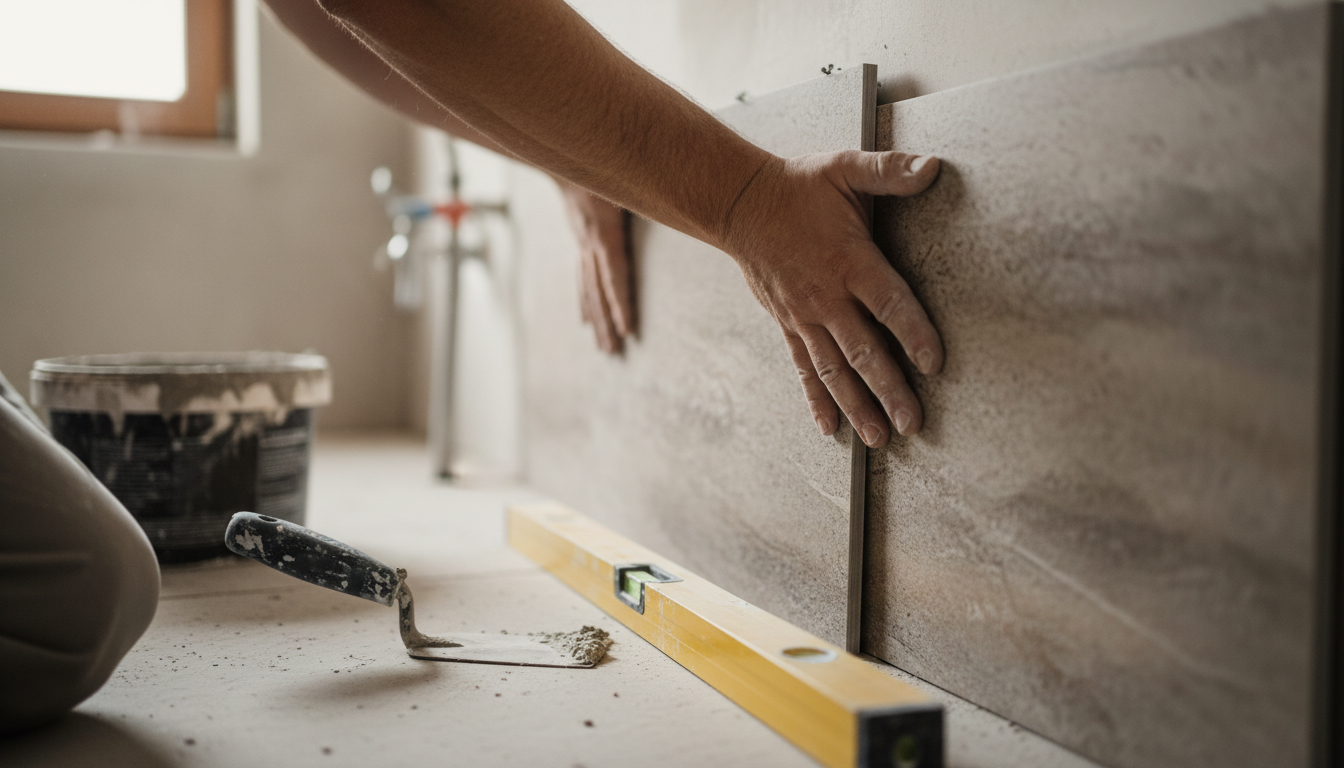
The first 48 hours after a leak or flood determine the long-term health of your property. In the humid North Texas climate, standing water acts as a timer for mold growth; structural materials like baseboards and porous drywall can become unsalvageable in just one or two days. Professional water extraction and industrial-grade dehumidification are non-negotiable during this window. While these mitigation services typically range from $1,200 to $12,000 depending on the volume of water, they are essential to stop the rot before it reaches the framing or subfloor.
Homeowners frequently ask, "Is water remediation covered by insurance?" In most DFW policies, sudden and accidental discharge, such as a burst pipe or a malfunctioning water heater, is a covered peril. However, gradual leaks or seepage caused by long-term maintenance issues often face pushback from adjusters. To ensure your claim is processed smoothly, document every inch of the damage with high-resolution photos and video before the mitigation crew begins the tear-out process.
Most restoration companies operate on Xactimate line items designed to reach a "dry standard" and restore the home to its basic pre-loss condition. Their goal is often to replace what was lost with the cheapest equivalent material. Before you commit to a full rebuild with a restoration firm, remember that their scope is limited to replacement, not improvement. This period of stabilization is the ideal moment to pause and consider how a full-home renovation can turn a disaster into an intentional upgrade. By documenting the exact square footage and material quality now, you provide the necessary data for your adjuster while preparing for a water damage renovation Fort Worth that prioritizes durability and modern design over simple utility.
Why You Need a General Contractor for the Rebuild Phase
Once the industrial fans stop and the moisture meters read dry, the restoration crew usually hands you a bid to put your house back together. This is the point where many Fort Worth homeowners make a critical mistake. Restoration companies excel at emergency extraction and structural drying, but their rebuild teams are often focused on the fastest path to pre-loss condition. This typically means replacing your damaged floors with the same entry-level laminate or installing builder-grade cabinets that were never particularly durable.
Executing a water damage renovation Fort Worth project requires a different skillset once the subfloor is dry. Hiring experienced general contractors in Dallas-Fort Worth ensures the reconstruction phase is managed with an eye for design and longevity rather than just insurance compliance. Our team at Bridge & Build Renovations applies investor-level efficiency to keep the project moving, but we pair it with homeowner-focused craftsmanship. If you have to tear out the drywall and flooring anyway, you shouldn't just restore the status quo. You should build back with better materials, cleaner lines, and professional finish carpentry that adds actual equity to your home.
Turning Forced Repairs into a Modern Interior Transformation
When a mitigation team finishes their job, they leave you with a skeleton of a home. This exposed state is actually a strategic advantage for a full-home renovation. Since the drywall and flooring have already been removed to address moisture, the most expensive and messiest part of a layout change, demolition, is largely complete. This is the ideal window to evaluate the flow of your home and decide if the original footprint still serves your lifestyle.
For many older homes in areas like Keller or Aledo, this means finally removing that non-load-bearing wall between the kitchen and the living area to create the open floor plan modern buyers crave. Because the studs are already visible, rerouting electrical lines or adding modern recessed lighting is significantly more cost-effective than it would be during a standard remodel. You are no longer paying for the labor to open the walls; you are simply paying for the finish work you already required for the repair.
A successful water damage renovation Fort Worth project relies on leveraging your insurance payout as a foundation. While the insurance company provides funds to return the space to a basic pre-loss standard, you can strategically apply out-of-pocket funds to bridge the gap toward a high-end finish. If the adjuster allocates funds for basic ceramic tile during a bathroom remodel in Fort Worth, you can pay the difference to upgrade to large-format porcelain or a custom curbless shower. By focusing your budget on these incremental upgrades while the structure is already open, you maximize your return on investment and turn a property disaster into a calculated, modern transformation managed by experienced general contractors in Dallas-Fort Worth.
Choosing Durable Materials for a More Resilient Fort Worth Home
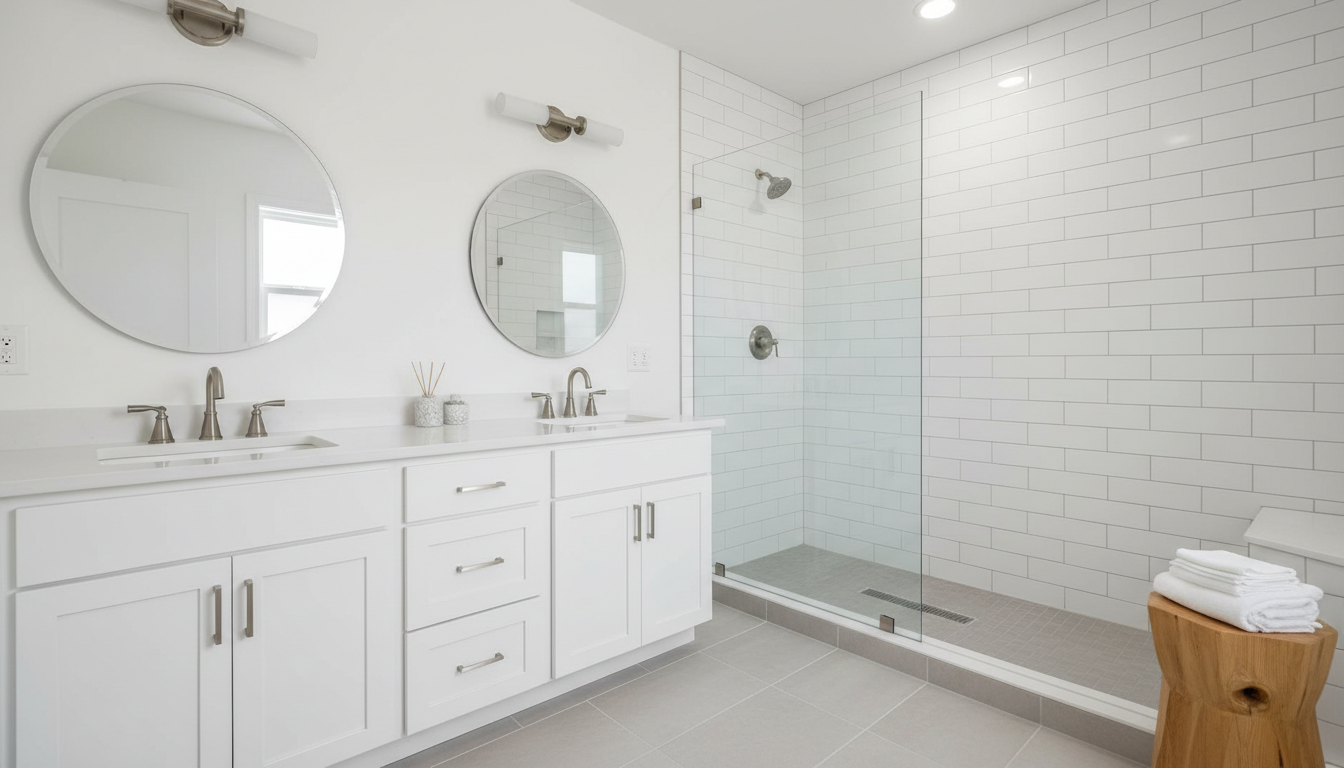
Rebuilding after a flood should not just be about replacing what was there; it is about selecting materials that can survive the next DFW weather event. Start with the floors. While traditional laminate swells and delaminates at the first hint of moisture, Luxury Vinyl Plank (LVP) is a game changer for a water damage renovation Fort Worth project. It offers the aesthetic of hardwood but is completely waterproof, making it ideal for slab foundations that often deal with moisture wicking from our heavy clay soil.
For a bathroom remodel in Fort Worth, swap out porous natural stone for quartz countertops. Quartz is non-porous and inherently resists mold growth, which is vital in our humid North Texas climate. In high-risk areas like laundry rooms or behind kitchen sinks, we recommend installing moisture-resistant drywall, often called green board or purple board, instead of standard gypsum.
Material | Traditional Choice | Resilient Upgrade | Benefit |
|---|---|---|---|
Flooring | Laminate / Carpet | Luxury Vinyl Plank (LVP) | 100% Waterproof |
Counters | Granite / Marble | Quartz | Non-porous & Mold Resistant |
Walls | Standard Drywall | Moisture-Resistant Board | Prevents Structural Rot |
These choices directly impact your investment. Many homeowners ask, "How much does water damage decrease home value?" Unaddressed or poorly repaired damage can slash a home's price by 10% to 25% because of the perceived risk of mold. However, using high-quality, resilient materials during a full-home renovation actually increases equity by modernizing the property. Professional general contractors in Dallas-Fort Worth focus on these durable upgrades to ensure the home is built for modern living rather than just restored to a vulnerable state.
Estimating the Cost of a Water Damage Renovation in Fort Worth
Mitigation and extraction are the immediate financial hurdles, typically ranging from $1,200 to $12,000 for Fort Worth properties. Most local residential projects fall between $2,500 and $7,500 just to reach a dry standard. However, these figures only cover the removal of water and damaged materials. A true water damage renovation Fort Worth homeowners can be proud of involves a separate, intentional investment for the reconstruction phase.
Several variables dictate the final cost of a full-home renovation following a leak. Square footage and the necessity of mold remediation are the primary structural drivers. Beyond the basics, your choice of finish materials carries the most weight. For example, replacing a damaged vanity with a custom bathroom remodel in Fort Worth using quartz and high-end cabinetry costs more than basic insurance replacements; however, it converts a property loss into tangible home equity.
Experienced general contractors in Dallas-Fort Worth provide the structured timelines and professional oversight that emergency crews often lack. Bridge & Build Renovations eliminates the frustration of unreturned calls by maintaining daily communication and dependable project management. Our goal is to ensure your investment results in a more resilient, modern home rather than just a patched-up version of the original builder-grade interior.
The Renovation Timeline: How Long Does it Actually Take

The timeline for recovery is a frequent source of frustration for homeowners in the Dallas-Fort Worth metroplex. The initial mitigation and drying phase typically takes 3 to 5 days. During this window, industrial equipment must run constantly to stabilize the environment and prevent mold growth. Once the structure is certified dry, the insurance adjustment period begins; this usually lasts 1 to 2 weeks. This phase involves documenting losses, submitting line-item estimates, and securing approval for the rebuild budget.
The reconstruction phase is where timelines often diverge. A straightforward water damage renovation Fort Worth homeowners might require for flooring and drywall usually takes 2 to 3 weeks. If you choose to leverage this opportunity for a full-home renovation or a bathroom remodel in Fort Worth, expect the process to take 4 to 6 weeks depending on material lead times and custom finishes.
Professional general contractors in Dallas-Fort Worth prevent these projects from stalling by using proactive scheduling and consistent communication. Disorganized contractors often allow projects to sit idle for weeks, waiting for subcontractors to show up. Our approach focuses on structured project management where finish carpentry, painting, and electrical updates are scheduled back-to-back. This level of oversight turns what could be a three-month disaster into a focused transformation, getting you back into a modernized home without unnecessary delays.
Recovering from water damage in Fort Worth is about more than just repairs; it is an opportunity to revitalize your living space with modern upgrades. While the road to recovery requires careful planning and coordination, you do not have to navigate it alone. If you want expert help to turn this challenge into a fresh start, our Full Service Renovation team can guide you through every stage. We focus on quality craftsmanship so your home is stronger and more beautiful than ever before.