Professional bathroom waterproofing Fort Worth costs approximately $4,800 to $12,000, depending on whether liquid membranes or advanced systems like Schluter are used. To prevent long-term water damage, homeowners should ensure the moisture barrier is continuous and free of punctures before tiling starts; any gaps in the membrane or unsealed seams indicate poor workmanship.
Most Fort Worth homeowners focus on the aesthetics of a renovation, but the real value lies in what you cannot see. A minor failure in your shower pan or wall membrane can quietly lead to structural rot and toxic mold, turning a luxury upgrade into a costly liability. At Bridge & Build Renovations, we believe that expert prep work is the foundation of every successful build. Waterproofing is the most vital step in protecting your investment, especially given the soil shifting and environmental demands of North Texas. This guide explores the most reliable waterproofing systems available today, clarifies the 2026 costs for the Fort Worth market, and explains how to identify substandard work before the tile goes up. You will also learn about local permit requirements to ensure your project remains compliant and secure.
Why Bathroom Waterproofing is Non-Negotiable in North Texas
In the world of Fort Worth bathroom remodeling, aesthetics usually grab the headlines, but the most critical work happens where you cannot see it. In North Texas, the combination of shifting clay soils and diverse home ages makes professional bathroom waterproofing Fort Worth a technical necessity rather than a luxury upgrade.
For homeowners in historic neighborhoods like Fairmount or Mistletoe Heights, older pier and beam foundations present a specific risk. Water that escapes a shower enclosure does not just sit; it migrates into wood subfloors and structural joists, leading to wood rot that can compromise the integrity of the entire room. Conversely, in newer developments across Keller or Southlake, slab foundations face different threats. Constant moisture intrusion through a failing shower pan can lead to soil expansion under the slab, potentially causing foundation heaving or expensive plumbing repairs.
A common misconception is that tile and grout are waterproof. In reality, grout is a porous material that naturally absorbs water, while ceramic and porcelain tiles are merely water resistant. The actual moisture management occurs behind the scenes, using specialized membranes and boards. This leads to a frequent question regarding materials: Can you waterproof drywall for a shower? The answer is a definitive no for direct wet areas. Drywall lacks the structural integrity to withstand constant saturation, and applying a topical sealer over it will not prevent the core from crumbling over time.
Successful renovations require dependable project management to ensure every layer is built to handle the humidity and movement inherent to DFW homes. If you are noticing musty smells or cracked grout, it is best to contact Bridge & Build Renovations before surface issues become structural disasters.
The Three Main Shower Waterproofing Systems for Tile
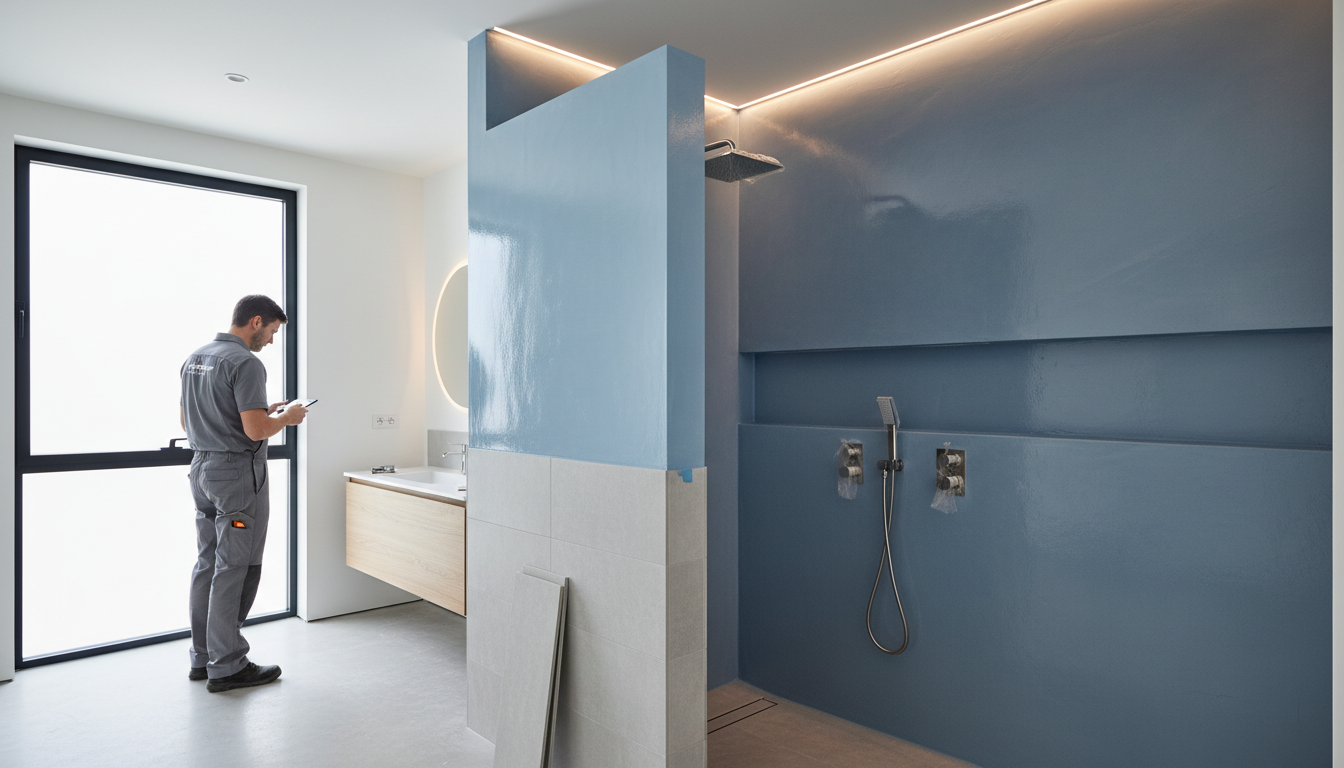
Understanding the technical differences between waterproofing methods allows you to make an informed decision for your Fort Worth bathroom remodeling project. While every professional has a preference, the industry generally relies on three core systems to manage moisture.
System Type | Common Brands | Primary Benefit | Application Method |
|---|---|---|---|
Liquid Membrane | RedGard, Hydro Ban | Seamless, Cost-Effective | Rolled or painted onto substrate |
Sheet Membrane | Schluter KERDI | Integrated System Warranty | Bonded with thin-set mortar |
Foam Board | GoBoard, KERDI-BOARD | Speed and Structural Rigidity | Fastened to studs; seams sealed |
Liquid Membranes Liquid products like RedGard or Hydro Ban are elastomeric coatings applied directly to cement board. The success of this method hinges on "mil thickness," which refers to the depth of the wet and dry film. A common industry standard is achieving a thickness roughly equivalent to a credit card. If applied too thin, the membrane can pinhole or tear under the slight house shifts common in North Texas. This method is often at the center of the "RedGard vs. Schluter" debate because it is highly accessible; however, it requires meticulous attention to ensure every corner and fastener head is fully encased without thin spots.
Sheet Membranes Schluter KERDI is a prominent choice for bonded waterproof membranes. These are pliable, fabric-like sheets pressed into a bed of thin-set mortar. The primary advantage here is the complete system approach. When using the specific drains, corner seals, and pipe collars provided by the manufacturer, the installation often carries a comprehensive warranty that covers both materials and labor if a failure occurs. This system requires specialized skill to ensure the mandatory two inch overlaps at all seams without creating excessive build-up that makes tile installation difficult.
Waterproof Foam Boards For modern, high-efficiency renovations, waterproof foam boards like GoBoard or KERDI-BOARD are becoming the preferred choice. These boards replace cement backer units entirely, serving as both the wall substrate and the waterproofing layer. Because they are lightweight and easy to cut without specialized saws, they significantly reduce the labor time during the prep phase. Our team often utilizes these to maintain dependable project management because they eliminate the multiple drying cycles associated with liquid membranes, keeping the project moving toward the tile phase faster. If you are planning a high-end transformation, you can contact Bridge & Build Renovations to discuss which system best suits your home's structural needs.
Is RedGard Over Cement Board Enough?
Many homeowners investigating bathroom waterproofing Fort Worth wonder if simply installing cement board is sufficient. While products like Durock or HardieBacker are industry standards, they are frequently misunderstood. These boards are moisture-stable, meaning they will not rot or disintegrate when wet, but they are inherently porous. If you pour water on an untreated cement board, it will eventually soak through to the wooden studs behind it.
Applying a liquid membrane like RedGard or a sheet membrane over the board is what creates the actual waterproof envelope. This modern topical approach is a significant upgrade over the old school method of stapling a plastic vapor barrier to the studs behind the cement board. In those older systems, the cement board acted like a sponge, staying saturated for days after a shower. This trapped moisture often led to mold growth behind the tile, even if the studs remained dry. By using a topical membrane, we ensure the moisture never enters the substrate in the first place.
Feature | Old School (Vapor Barrier) | Modern (Topical Membrane) |
|---|---|---|
Location | Behind the cement board | On top of the cement board |
Substrate State | Gets saturated/holds water | Stays completely dry |
Mold Risk | Higher due to trapped moisture | Minimal |
Protection | Protects studs only | Protects studs and substrate |
Professional Fort Worth bathroom remodeling requires this level of detail to prevent long-term structural issues. At Bridge & Build Renovations, we prioritize these hidden layers through dependable project management to ensure your shower remains mold-free for decades. If you have questions about your specific project, you can contact Bridge & Build Renovations for expert guidance.
Bathroom Waterproofing Cost in Fort Worth for 2026
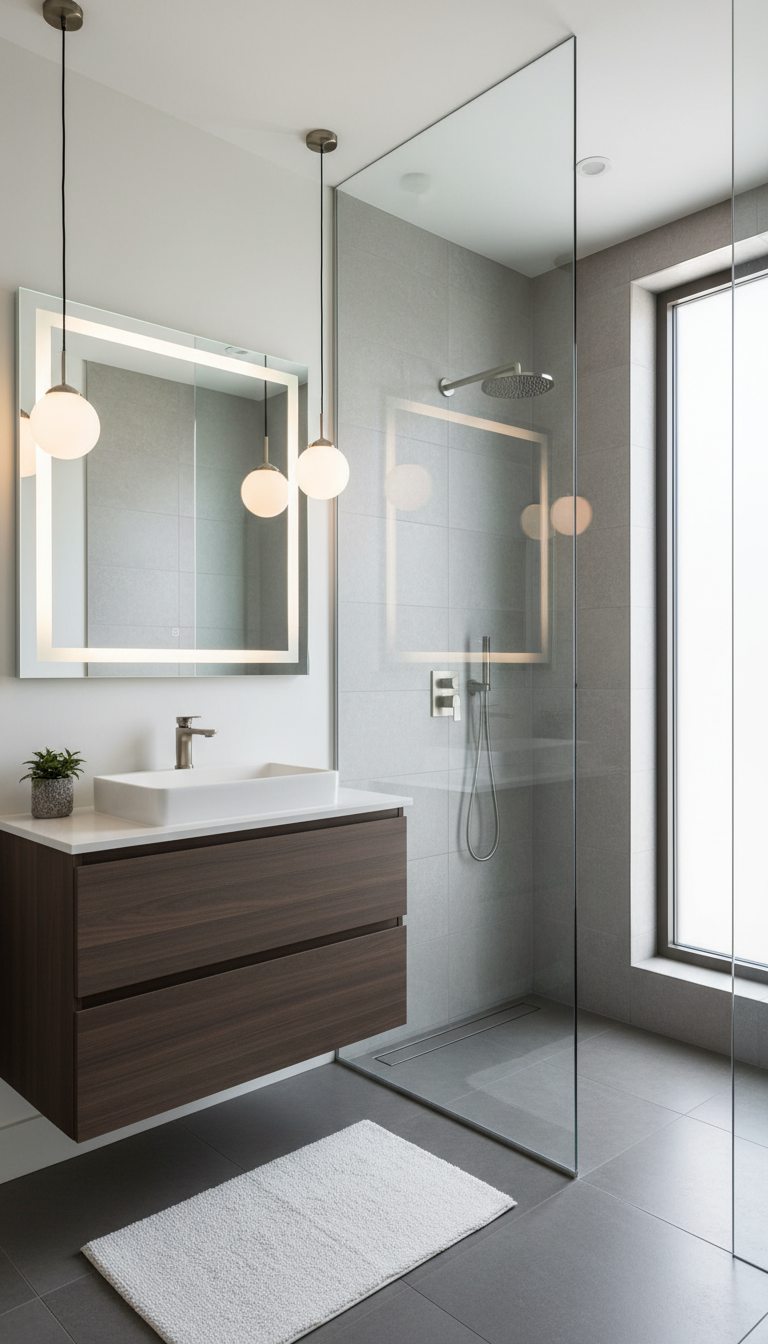
While a full Fort Worth bathroom remodeling project in the DFW metroplex typically ranges from $15,000 to $85,000, the waterproofing and prep phase represents a distinct, critical line item. For a standard shower or tub surround in the North Texas area, homeowners should budget between $1,800 and $4,500 for professional waterproofing labor and materials. This specific phase covers the demolition of existing surfaces, installation of the substrate, and the application of the moisture barrier system.
Several variables influence where a project falls within that spectrum. Using a liquid membrane is generally the most budget-friendly option for materials, though it requires more labor time for multiple coats and drying cycles. Conversely, high-performance foam boards have a higher upfront material cost but reduce labor hours through installation efficiency.
Project Element | Estimated Cost Impact | Rationale |
|---|---|---|
Standard Shower Prep | $1,800 – $3,000 | Basic alcove layout with standard drain |
Curbless Wet Room | +$1,200 – $2,500 | Requires structural floor recessing and extensive tanking |
Linear Drain Integration | +$500 – $900 | Precision slope requirements and specialized flashing |
In high-end Fort Worth renovations, features like curbless entries and linear drains are increasingly popular for their clean, modern aesthetic. These designs demand stricter waterproofing requirements because the entire bathroom floor often needs to be tanked, or waterproofed as a single continuous surface. This complexity requires dependable project management to ensure the transition from the wet area to the dry area is perfectly sealed. If you are planning a layout that deviates from a standard curb, you can contact Bridge & Build Renovations for a detailed quote that accounts for these technical requirements.
How to Confirm Your Contractor is Doing it Right
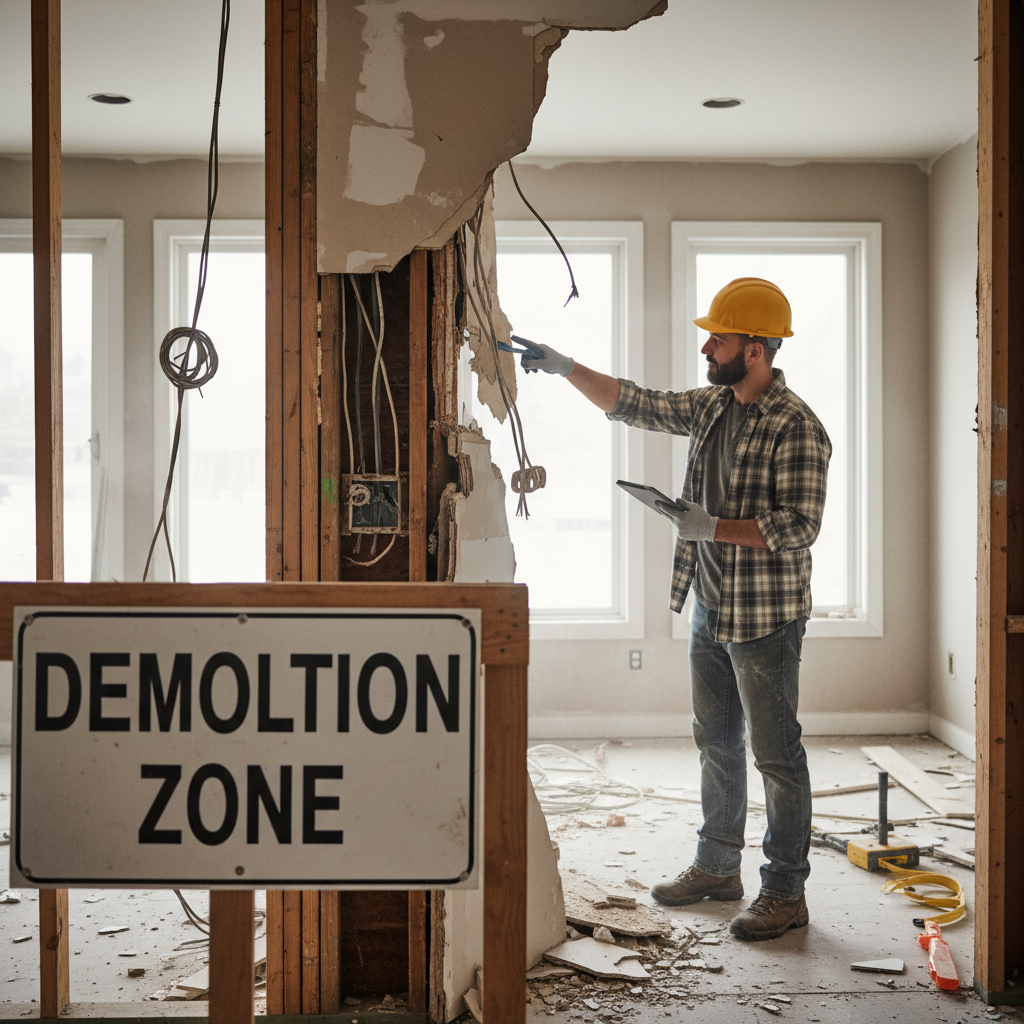
Professional bathroom waterproofing Fort Worth involves more than just buying the right products; it requires disciplined execution. Because much of this work is covered by tile within days, homeowners need a way to verify the quality of the installation before it is too late. High-quality dependable project management prioritizes verification steps that provide peace of mind and long-term durability.
One of the most critical indicators of a professional job is the 24 hour flood test. Before a single tile is set on the shower floor, the drain should be plugged with a mechanical test plug and the shower pan filled with water to the top of the curb or at least two inches deep. If the water level drops after a full day, there is a leak that must be addressed immediately. A contractor who tries to skip this step is taking a massive gamble with your home's structural integrity.
When inspecting the prep work, keep this checklist in mind to ensure the installation meets professional standards:
Waterproofing Check | What to Look For | Why it Matters |
|---|---|---|
Liquid Membranes | Uniform color and thickness; no "holidays" or pinholes | Thin spots or gaps allow moisture to seep into the substrate. |
Sheet Membranes | A minimum 2 inch overlap at all seams and corners | Proper overlapping ensures a continuous water-tight seal. |
Traditional Liners | Clean weep holes around the base of the drain | Blocked weep holes trap water, leading to mold and odor. |
Fasteners | All screw heads covered with membrane or sealant | Exposed metal fasteners are potential points for moisture intrusion. |
If your project uses a liquid membrane, the dried product should look like a solid, rubberized sheet. You should not see the texture or color of the cement board through the coating. For traditional pan liners, ensure the installer has used pea gravel or a specialized protector around the drain base. This keeps the mortar bed from clogging the weep holes, which are designed to let subsurface moisture escape into the drain. If you have concerns about the current state of your Fort Worth bathroom remodeling project, you can contact Bridge & Build Renovations for a professional assessment of your renovation needs.
Permits and Inspections for Fort Worth Renovations
Navigating the legal requirements for a Fort Worth bathroom remodeling project is as important as the construction itself. Homeowners often ask if they need a permit to remodel a bathroom in Texas. In the City of Fort Worth, a permit is typically mandatory if the renovation involves moving or altering plumbing lines, electrical circuits, or structural walls. This ensures the work meets the International Residential Code (IRC) and local safety standards.
A critical milestone in the permitted process is the pan inspection. During this visit, a city inspector visits the site to verify that the bathroom waterproofing Fort Worth installation is holding water effectively. The inspector checks that the shower pan has been filled for at least 24 hours without leakage before giving the approval to proceed with tiling. Skipping this step or working without a permit can lead to complications during a home sale or, worse, uninsured structural damage. Utilizing dependable project management ensures these inspections are scheduled correctly so the timeline stays on track. You can contact Bridge & Build Renovations to manage these regulatory details for your next project.
Proper waterproofing is the foundation of a bathroom that stays beautiful and mold-free for years to come. By focusing on quality materials and spotting errors before the tile goes down, you can avoid expensive repairs later. If you want expert help ensuring your renovation is built to the highest standards, our team is ready to guide you through the process. We invite you to learn more about our approach to Fort Worth Bathroom Remodeling to see how we can bring your vision to life safely.