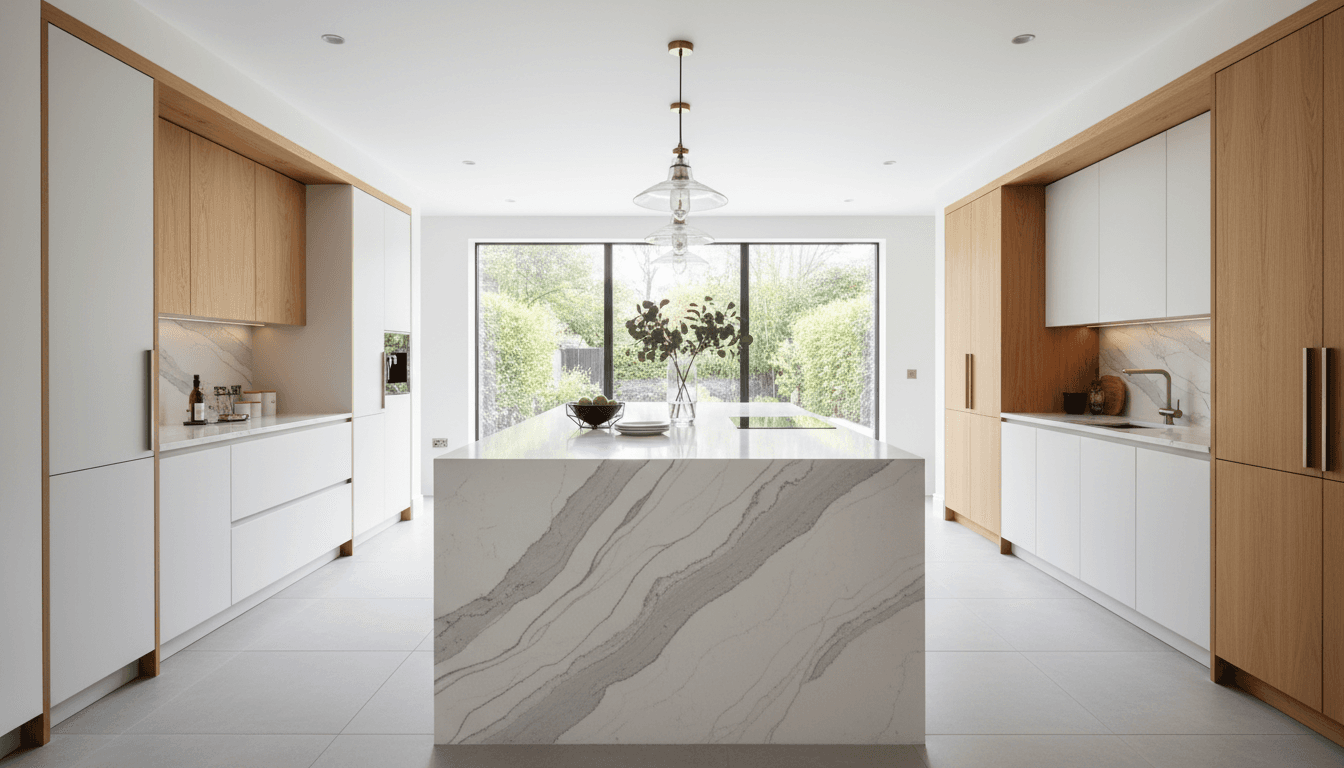
The average kitchen remodel cost Fort Worth ranges from $18,000 for a basic cosmetic refresh to over $175,000 for high-end luxury transformations. Most local homeowners spend between $45,000 and $85,000 for midrange projects that include updated cabinetry, countertops, and modern appliances.
If you've started pricing out a kitchen remodel in Fort Worth, you've probably already felt the frustration of vague estimates and wide price ranges that seem to raise more questions than they answer. That uncertainty makes it nearly impossible to plan confidently, and one wrong assumption early on can throw an entire project off budget before a single cabinet is hung. Fort Worth homeowners in 2026 are navigating rising material costs, updated permitting requirements, and a local contractor market that varies widely in quality and pricing. This guide cuts through the noise. You'll find a clear breakdown of what kitchen remodels actually cost here in Fort Worth, what drives those numbers, and how to build a realistic budget that holds up from first consultation to final walkthrough.
What Does a Kitchen Remodel Cost in Fort Worth in 2026?
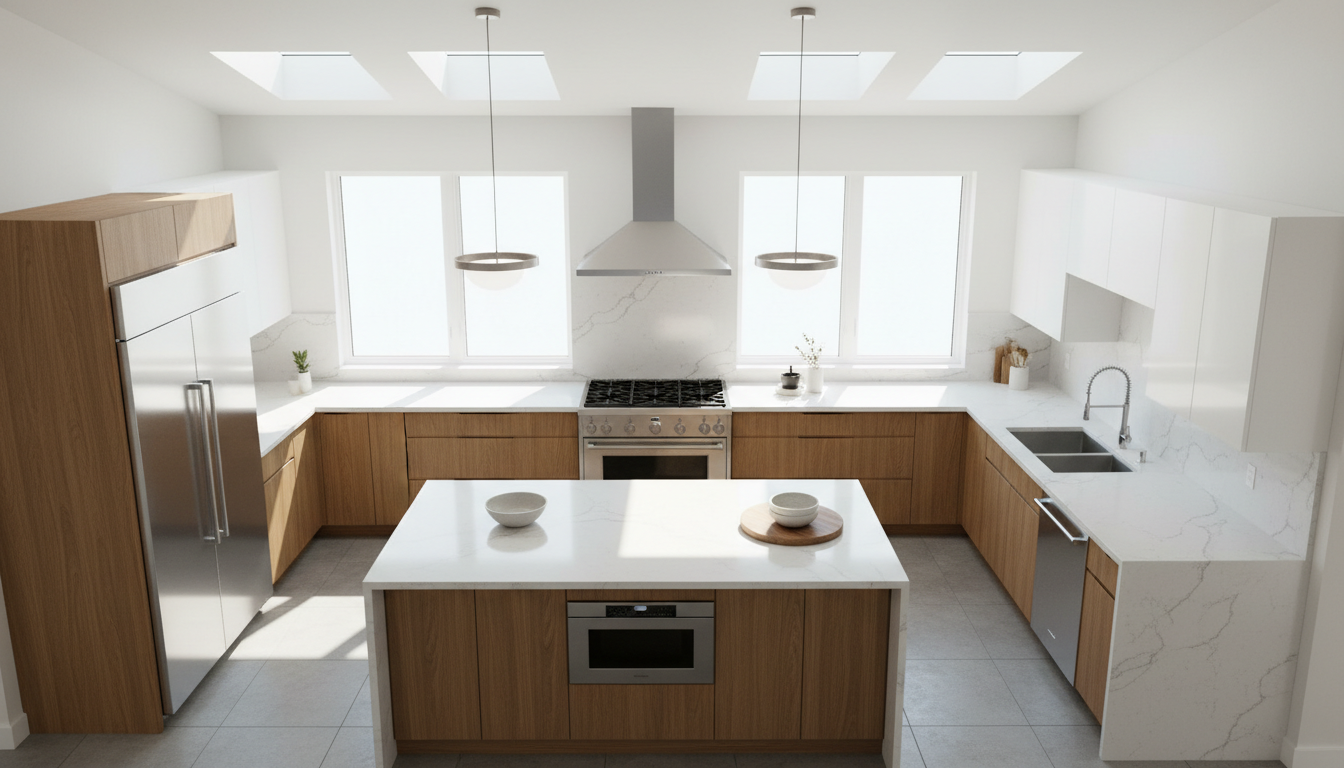
Fort Worth kitchen remodel costs in 2026 fall into three distinct tiers, and being honest about those numbers upfront saves everyone time.
Cosmetic refresh: $20,000–$40,000. This covers countertop replacement, backsplash tile, updated lighting, paint, and new hardware and fixtures. The layout stays the same. The bones stay the same. The kitchen looks genuinely refreshed.
Mid-range remodel: $45,000–$90,000. New cabinetry, flooring, appliances, and updated plumbing or electrical put this project in a different category entirely. You are replacing the functional components of the kitchen, not just the surface finishes.
High-end or full remodel: $95,000–$175,000+. Custom cabinetry, layout reconfiguration, premium countertop materials, professional-grade appliances, and full mechanical upgrades. This is a complete transformation.
You will find other guides listing Fort Worth ranges that start considerably lower. Those numbers tend to reflect national averages or older data that does not account for how significantly DFW labor costs have climbed over the past several years. Material costs have moved as well. A realistic budget for this market, in 2026, looks more like the ranges above.
Per-square-foot averages, typically cited at $150–$350+ per square foot, are a useful benchmark for rough order-of-magnitude thinking, but they collapse quickly under real project conditions. A 150-square-foot kitchen with a plumbing relocation and custom cabinetry costs dramatically more per square foot than one with the same footprint and a cabinet refinish. Scope and finish level drive the number far more than floor area.
For a clearer picture of what drives cost at each tier, the next section breaks down the five biggest variables in any kitchen renovation services in Fort Worth.
The Biggest Factors That Drive Kitchen Remodel Costs in Fort Worth
Five variables move the needle more than anything else when estimating kitchen remodel cost in Fort Worth. Understanding them before you finalize a budget prevents the most common and expensive surprises.
1. Layout changes
Moving plumbing, relocating a gas line, or removing a load-bearing wall is the single biggest cost multiplier in any kitchen remodel. Keeping your existing layout intact can save $10,000 to $30,000 or more compared to reconfiguring the space. If the sink, range, and refrigerator can stay roughly where they are, the structural and mechanical costs stay manageable. The moment those positions change, you are coordinating permits, licensed plumbers, gas fitters, and potentially a structural engineer before a single cabinet goes in.
2. Cabinet choice
Cabinetry is typically the largest single line item in a kitchen remodel. Stock cabinets are the most affordable entry point but offer limited sizing and finish options. Full custom cabinets deliver a precise fit and any configuration you want, at a price to match. Semi-custom cabinetry hits the practical sweet spot for most Fort Worth homeowners: better quality and more flexibility than stock, without the lead times and cost of fully custom work. If your existing cabinet boxes are structurally sound, refinishing them is a legitimate cost-saving option that can deliver a significantly updated look without the full replacement price tag.
3. Countertop material
Quartz dominates the DFW market right now for good reason: it is durable, low-maintenance, and available in a wide range of aesthetics. It also costs more than standard granite, typically running $60 to $100+ per square foot installed compared to granite at $45 to $80. Quartzite, a natural stone often confused with quartz, pushes toward the higher end of that range and beyond depending on the slab. Material selection alone can swing your countertop budget by several thousand dollars on a standard kitchen footprint.
4. Age of the home
This is the Fort Worth-specific factor that most generic cost guides skip entirely. A large share of Fort Worth homes were built between the 1970s and 1990s. Those homes frequently need electrical panel upgrades to support modern appliance loads, galvanized plumbing updates, and occasionally asbestos or lead testing before demo can proceed. These are not optional line items once they are discovered; they are code requirements. Budgeting for these possibilities before construction starts is not pessimism, it is just accurate planning for this market.
5. Hidden conditions uncovered during demo
Older homes reveal what they have been hiding once the walls open. Water damage behind a sink cabinet, subfloor rot near the dishwasher, or outdated wiring inside a wall are common finds in Fort Worth kitchens that have not been touched in decades. A 15 to 20 percent contingency fund is not padding; it is a realistic acknowledgment that some portion of any older-home remodel involves conditions no one could see before demo.
Appliance grade and finish tier are additional variables worth noting. Stepping from mid-grade appliances into professional-grade ranges and refrigerators can add $5,000 to $15,000 or more to a project. Coordinating finish selections across hardware, fixtures, lighting, and tile also affects both cost and the cohesiveness of the final result.
Kitchen Remodel Cost Breakdown by Line Item
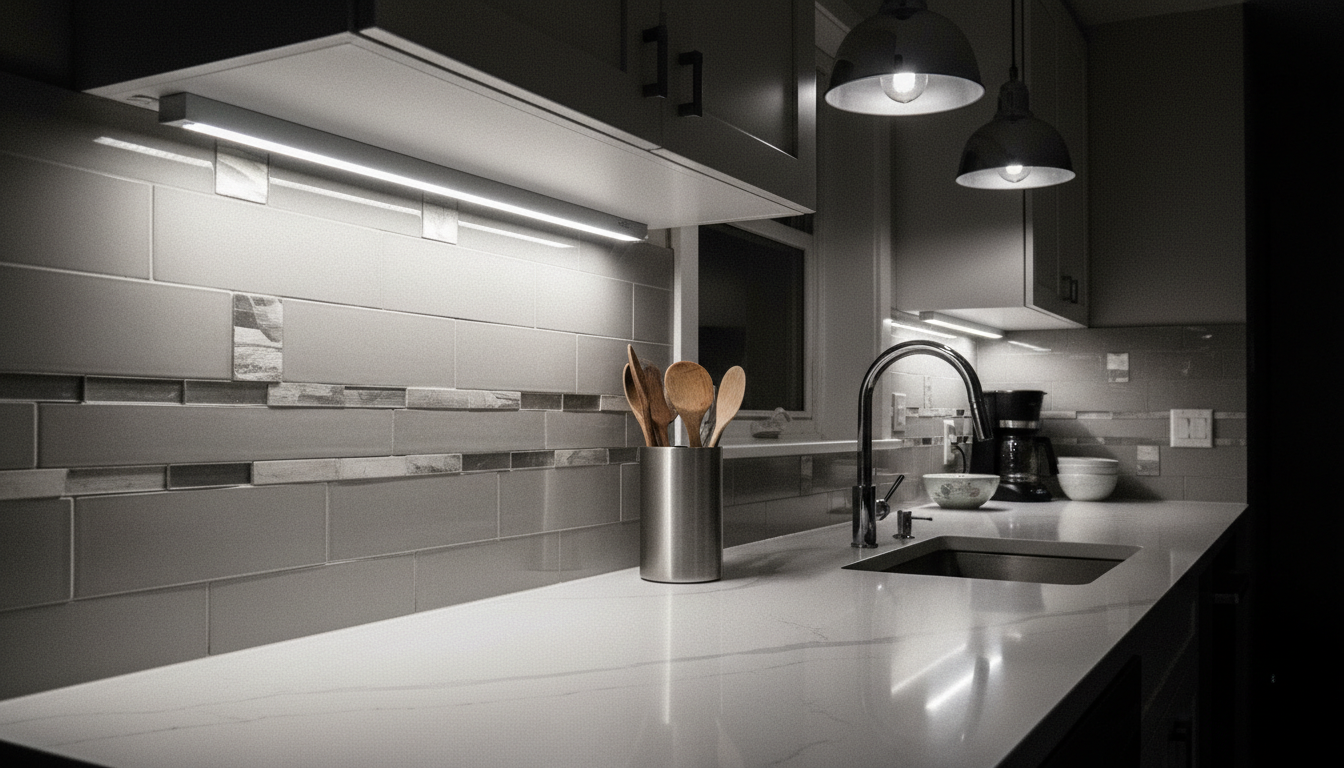
Knowing where the money actually goes is more useful than a single project total. The breakdown below reflects 2026 Fort Worth market rates at the caliber of work Bridge and Build Renovations performs. Use it as a planning tool, not a quote.
Line Item | Cost Range |
|---|---|
Cabinetry (semi-custom) | $8,000 – $25,000+ |
Cabinet refinishing (existing boxes) | $3,000 – $8,000 |
Countertops (quartz) | $4,000 – $12,000 |
Appliances | $5,000 – $20,000+ |
Flooring (engineered hardwood or tile) | $4,000 – $10,000 |
Backsplash tile | $1,500 – $5,000 |
Plumbing (fixture swap vs. relocation) | $1,500 – $12,000+ |
Electrical and lighting | $2,000 – $8,000 |
Painting and drywall | $1,500 – $4,000 |
Demo and haul-away | $1,000 – $3,000 |
General contractor fee and project management | 15–25% of total project cost |
A few things worth noting about how these numbers interact.
Cabinets and countertops together commonly represent 50 to 60 percent of a total kitchen remodel budget. The decisions you make in those two categories set the tone for everything else in the room, and they are the two line items where the gap between entry-level and premium choices is widest.
Plumbing is listed as a range for a reason. Swapping a faucet and sink in place is a straightforward trade call. Relocating the sink to an island or moving drain lines to support a new layout is a permitted scope item that pulls in a licensed plumber, potentially a structural assessment, and a meaningfully different budget line.
The general contractor fee is listed here as a real line item because it is one. Oversight, scheduling, trade coordination, daily communication, permit management, and quality control are not absorbed invisibly into other costs on a well-run project. They are accounted for transparently. A contractor who does not show this line separately has simply buried it somewhere else in the numbers.
Fort Worth Permitting: What Kitchen Remodels Actually Require
Permitting is where a lot of cost guides go quiet, which is frustrating when you are trying to plan an actual project. Here is what the City of Fort Worth Development Services Department actually requires.
Cosmetic work does not trigger permits. Replacing cabinets, swapping countertops, installing a backsplash, and painting are all outside the permit requirement. A focused cosmetic refresh can move from contract to completion without a single permit application.
Once the scope moves into structural or mechanical territory, that changes. The work below requires a permit in Fort Worth:
Moving or removing walls: A structural permit is required, and load-bearing conditions may pull in an engineer.
Plumbing relocations: Moving a sink, adding a drain line, or repositioning supply lines requires a plumbing permit.
Electrical panel upgrades or new circuits: Adding circuits to support a new appliance layout or upgrading an undersized panel requires an electrical permit.
Gas line modifications: Relocating or adding a gas line for a range or cooktop requires a gas permit.
Permit turnaround through Fort Worth Development Services typically adds one to three weeks to a project timeline. A contractor who builds this window into the schedule from day one avoids the most common and avoidable delay in mid-range and high-end remodels.
There is also a practical financial reason to permit correctly: unpermitted structural or mechanical work surfaces during home inspections and can complicate or derail a sale. Doing it right the first time protects the investment on both ends.
How Long Does a Kitchen Remodel Take in Fort Worth?
Permitting sets the legal framework for a kitchen remodel. Timeline determines whether you actually enjoy the process or simply survive it.
Here is how long each scope level realistically takes in Fort Worth in 2026:
Cosmetic refresh: 3 to 5 weeks
Mid-range remodel with new cabinetry: 8 to 12 weeks
Full high-end remodel with layout changes: 12 to 18 weeks
The two biggest timeline killers right now are cabinet lead times and appliance availability. Semi-custom cabinets are running 6 to 10 weeks from order to delivery in 2026. Full custom can stretch to 12 to 16 weeks depending on the manufacturer. Appliance availability has improved since the worst supply chain disruptions, but specific models from premium brands still carry wait times that can stall a project if no one ordered them in advance.
This is where project sequencing matters more than most homeowners realize. A well-run kitchen remodel does not begin demolition until cabinets are ordered, appliance lead times are confirmed, and permits are in process. Fort Worth Development Services permitting windows are built into the schedule from day one, not discovered after demo has already started.
The alternative is the scenario Fort Worth homeowners describe constantly: a contractor tears out the kitchen on week one, then the family spends six weeks eating takeout off paper plates while cabinets sit in a factory queue. That is not a schedule problem. It is a planning problem. Sequencing procurement before demo begins is the fix, and it is the standard approach on every project we run.
How to Budget Realistically for a Fort Worth Kitchen Remodel
Good sequencing prevents timeline chaos. Realistic budgeting prevents financial chaos. They are related problems with a similar solution: plan before you commit.
Is $30,000 enough for a Fort Worth kitchen remodel?
Possibly, if the scope stays focused on cosmetic work. Countertops, backsplash, lighting, paint, and hardware can land in that range with disciplined material selection. The moment new cabinetry or appliances enter the conversation, $30,000 runs short fast. Mid-range work in this market typically requires $50,000 or more to execute well.
How far does $100,000 go in Fort Worth in 2026?
Quite far, if the layout stays intact. At $100K, you are looking at quality semi-custom cabinetry, quartz countertops, new mid-to-upper-grade appliances, updated plumbing fixtures, fresh flooring, and mechanical upgrades if the home needs them. That is a genuinely transformed kitchen. Add a layout reconfiguration, and that same $100K gets stretched considerably thinner.
The ROI guidance worth knowing
The general rule suggests keeping kitchen remodel cost to 10 to 15 percent of your home's value if return on investment is the primary goal. In Fort Worth's appreciating market, that threshold is shifting, but matching remodel scope to neighborhood comps still protects the investment. A $150,000 kitchen in a $400,000 neighborhood is harder to recover than the same scope in a $700,000 one.
Build a 15 to 20 percent contingency into your budget before demo begins, particularly in older Fort Worth homes where hidden conditions are a real probability, not a remote one.
When reviewing a contractor agreement, separate fixed-bid line items from allowance items. Fixed bids cover labor and defined scopes. Allowances cover material selections not yet finalized. Knowing which is which prevents budget surprises when tile or appliance choices get made mid-project. Financing options exist through home equity products and renovation lending if needed, but the budget conversation should happen before the financing conversation, not after.
What Fort Worth Homeowners Actually Get at Each Budget Level
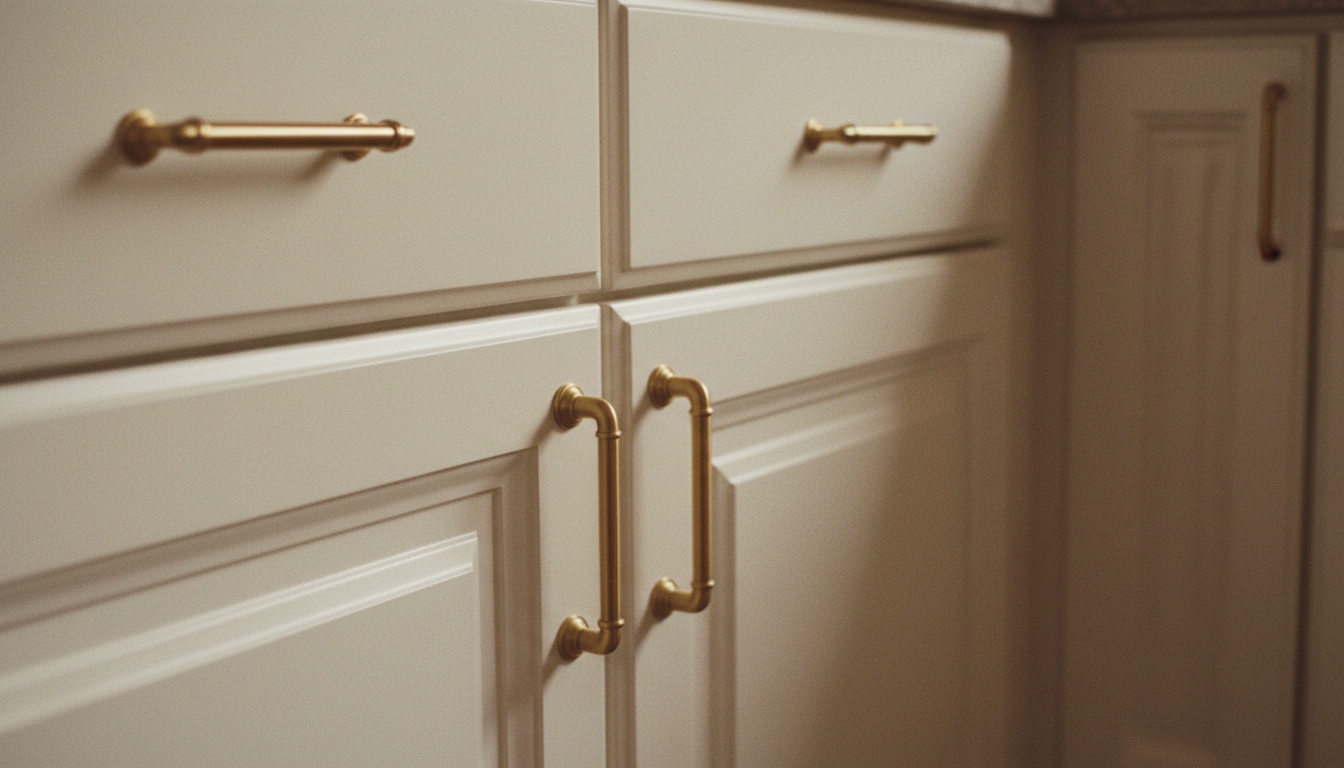
Budgeting realistically is one thing. Knowing what you are actually buying at each price point is another. Here is what the finished kitchen looks and feels like at each level.
$25,000–$40,000: Refreshed and modern
At this budget, the layout stays exactly where it is. Cabinet boxes get refinished or swapped for stock units, countertops move to quartz or granite, and a new backsplash tile goes in. Updated lighting, fresh paint, and replaced hardware and faucets round out the scope. The result looks genuinely current and clean. Guests will notice the difference. What does not change is the underlying structure: the footprint, the flow, the location of every fixture. For homeowners with a functional kitchen that simply looks dated, this tier delivers strong visual impact at a controlled cost.
$50,000–$90,000: Genuinely transformed
This is where the kitchen becomes a different room. Semi-custom cabinetry replaces whatever was there before, sized and configured to actually fit the space. Quartz countertops, engineered hardwood or large-format tile flooring, recessed lighting with pendant accents, mid-grade appliances, and updated plumbing fixtures all come together as a coordinated package. The bones may be the same, but nothing else is. This tier produces kitchens with lasting material quality and a cohesive design that holds up well past the first few years.
$100,000+: A complete kitchen transformation
Full-height upper cabinets, glass-front doors, premium countertop materials, a custom hood vent, professional-grade appliances, designer backsplash tile, and engineered hardwood floors. Plumbing and electrical relocations happen here when the layout warrants it, and every finish detail is selected as part of a coordinated package rather than assembled piece by piece. This is the level where kitchen renovation services in Fort Worth from Bridge and Build Renovations are most at home: designer kitchens where the finish selections, material quality, and construction execution all operate at the same level.
Why Choosing the Right Fort Worth Contractor Changes Everything
The difference between a kitchen remodel that finishes on time and one that consumes four extra months and twice the projected budget is rarely the design. It is almost always the contractor.
Cost overruns, timeline failures, and communication breakdowns happen more often than anyone in this industry likes to acknowledge. The pattern is familiar: demo starts before materials are confirmed, a subcontractor falls off the schedule, and the homeowner stops getting straight answers about what comes next. A well-run project looks nothing like that. It is built on sequenced material procurement before a single cabinet comes out, a clear change-order process that documents scope adjustments in writing, licensed and insured trades on every phase, and a contractor who actually picks up the phone.
Local experience matters in ways that are difficult to overstate. Contractors who work regularly in Fort Worth, Aledo, Benbrook, Keller, and surrounding communities know what older homes in those areas tend to hide behind drywall. They know the Development Services permitting timeline and build it into the schedule rather than discovering it mid-project. They have established relationships in the DFW subcontractor market, which affects who shows up and when.
The lowest bid on a kitchen remodel is rarely the lowest final cost. That gap between the two is where most renovation stories go wrong.
Bridge and Build Renovations provides structured timelines, daily oversight, and transparent project management from planning through punch list. If you are ready to move forward, get a free consultation and we will build a scope that matches your kitchen, your home, and your budget.
Understanding the potential costs of a kitchen remodel is the first step toward creating your dream home. While the figures in this guide provide a solid baseline, every project is unique to the homeowner's style and structural needs. If you find yourself needing expert guidance to navigate these estimates or want to discuss specific design options, viewing our full range of Services is a great way to start. We are here to help you bridge the gap between initial planning and a beautiful, functional reality.