Effective lighting design home renovation Fort Worth focuses on a layered approach that combines ambient, task, and accent sources to create functional and inviting spaces. Homeowners can avoid expensive errors by planning fixture placement early, choosing warm color temperatures, and installing dimmers to control mood and energy use.
Many Fort Worth homeowners spend months selecting the perfect custom cabinetry and high-end finishes; however, they often overlook the one element that dictates how those materials actually look in the finished space. Poorly planned lighting can leave a beautiful room feeling sterile or leave functional areas like kitchens cast in deep shadows. At Bridge & Build Renovations, we believe that lighting design is the structural foundation of a room's atmosphere. This guide explores the essential strategy of layered lighting and examines the specific trends shaping Fort Worth homes through 2026. You will learn how to navigate high stakes zones like the kitchen and bathroom; furthermore, we will help you avoid expensive installation mistakes. From detailed cost estimates to expert placement tips, this guide provides the practical framework you need to ensure your renovation shines exactly as intended.
Why Lighting Design Is the Most Underestimated Part of a Fort Worth Renovation
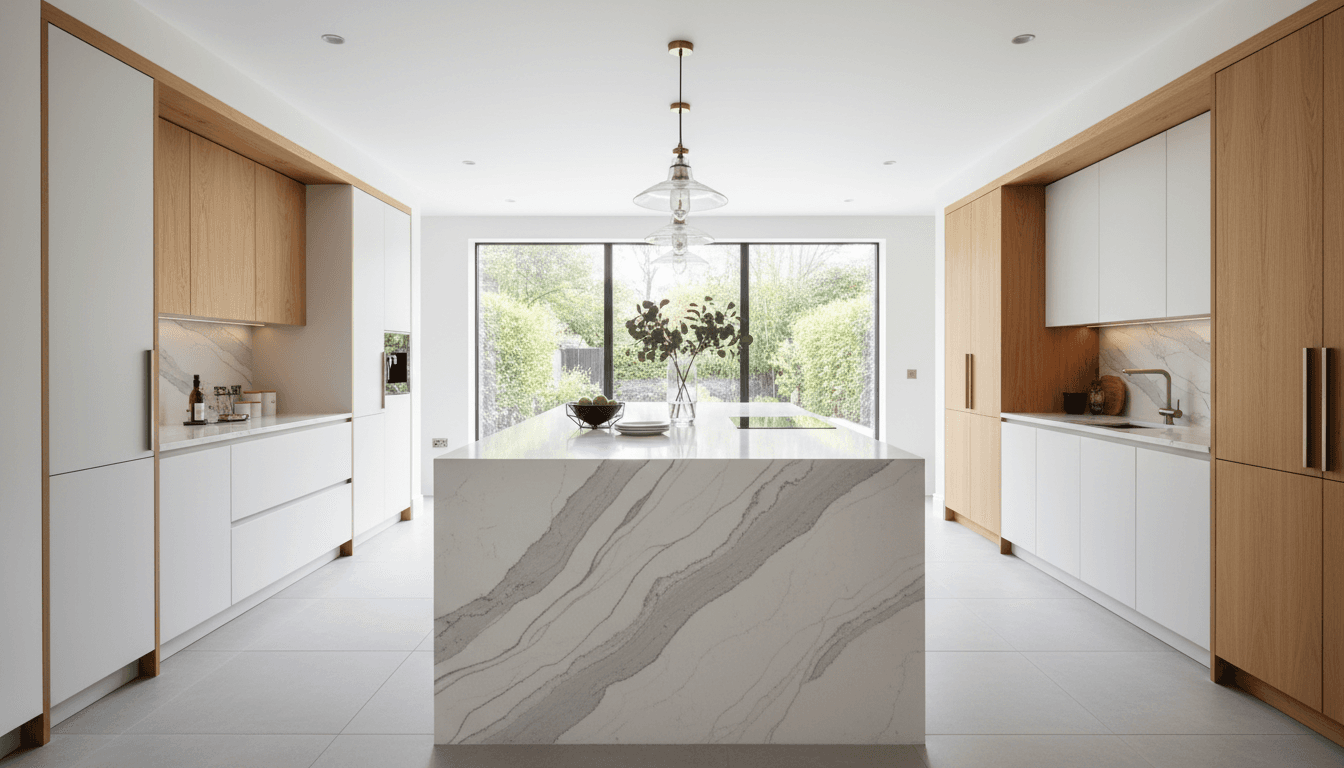
Homeowners in North Texas often spend months debating the specific vein pattern in a quartz slab or the exact stain for white oak flooring. While these materials provide the foundation, lighting design is what actually makes them look expensive. Without a thoughtful lighting plan, a high-end kitchen can feel flat, sterile, or surprisingly dim.
At Bridge & Build Renovations, our philosophy is that a renovation is not truly complete until the lighting is layered correctly. We see a growing trend across the DFW metroplex, particularly in modern interior transformations in Southlake and Aledo, where homeowners are actively ditching the "Big Light." This cultural shift away from harsh, stadium-style overhead fixtures reflects a desire for wellness-focused illumination that mimics natural light cycles.
Effective lighting design for a home renovation in Fort Worth is no longer about just meeting code or installing a basic set of recessed cans. It is about integrated systems that highlight architectural features and improve daily function. When we manage organized renovations, we treat lighting as a structural element rather than an decorative afterthought. Proper illumination ensures that your investment in premium tile and cabinetry is actually visible and vibrant; it prevents your new space from being lost in shadows or washed out by cool-toned, sterile glare.
The Three Essential Layers of Modern Lighting Design
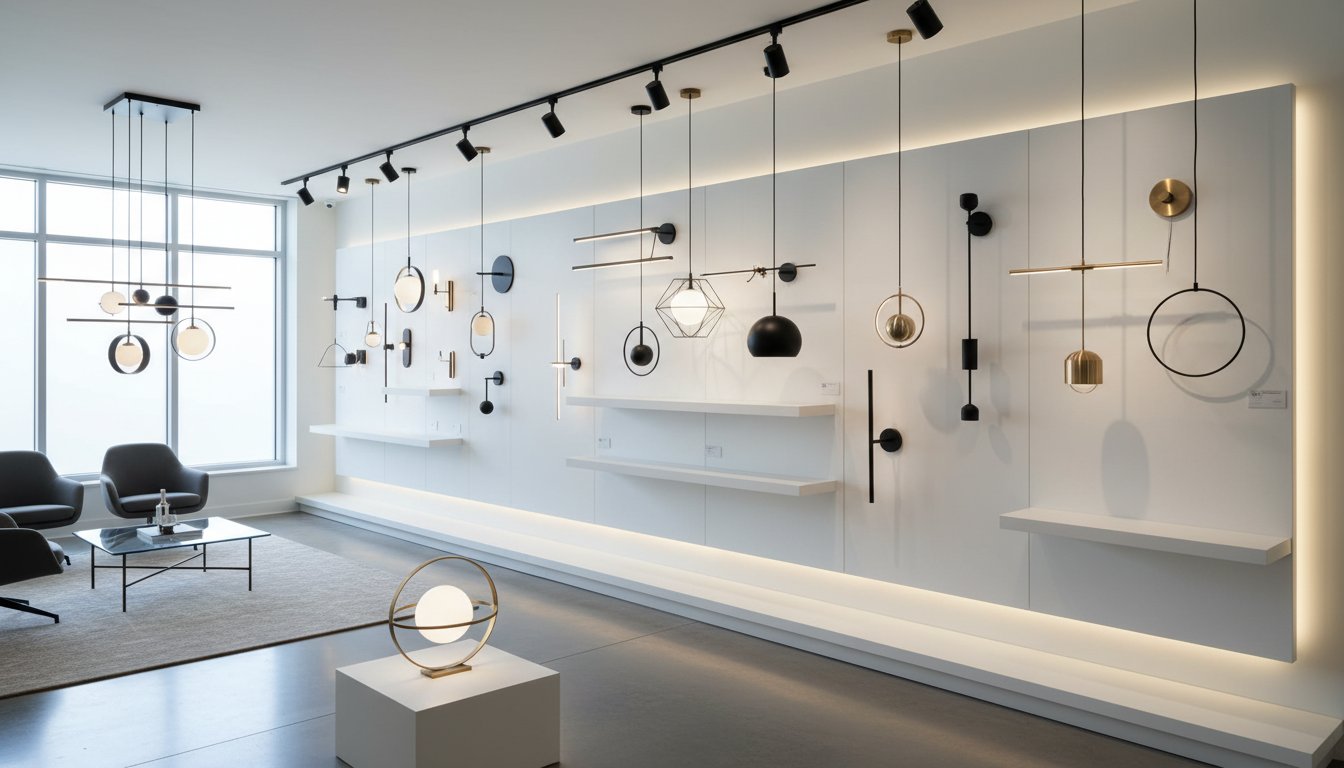
Expert lighting design home renovation Fort Worth projects rely on the 3 lighting rule to create a balanced, professional environment. This system moves beyond the basic on/off switch by stacking different types of light to serve specific needs. Without this layering, a space often feels flat, clinical, or like a hospital corridor, regardless of how much was invested in the cabinetry or flooring.
Ambient Lighting acts as the base layer of general illumination. It provides enough light for you to move safely through a room. For a whole home update in a Benbrook ranch style home, we typically achieve this through a combination of recessed LED cans and central fixtures. The goal is a soft, even glow that fills the volume of the space without creating harsh glares or deep shadows in the corners.
Task Lighting is purely functional and focused on specific activities like cooking, grooming, or reading. In a chef’s kitchen renovation in Keller, task lighting includes high output LED strips hidden under upper cabinets to illuminate quartz prep surfaces. In a bathroom remodel in Fort Worth, it involves placing sconces at eye level to eliminate the shadows that overhead lights cast on your face while you are using the vanity mirror.
Accent Lighting is the final layer used to highlight architectural details or personal style. This is where we draw the eye to a textured stone fireplace, a custom built in bookshelf, or a specific piece of art. Using directional spotlights or wall washers in a modern interior transformation creates visual interest and depth that ambient light alone cannot provide.
When we manage organized renovations, we ensure these three layers work in harmony. Relying solely on ambient light, often called the big light, is the fastest way to make a designer kitchen look like a generic rental turn. By separating these layers onto different switches, you gain the ability to shift the room’s mood from a bright, functional workspace to a warm, inviting evening retreat.
Lighting Trends for 2026: What is In and What to Avoid
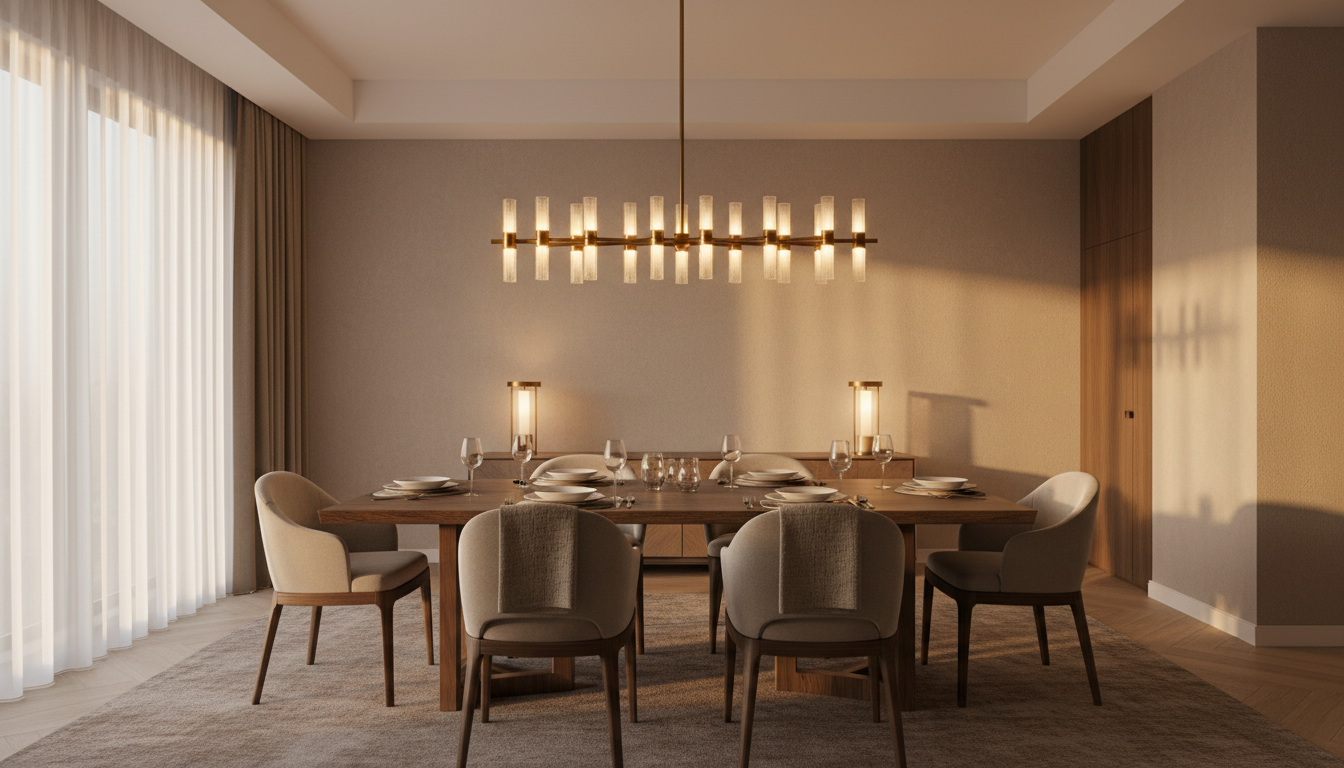
As we look toward 2026, lighting design home renovation Fort Worth trends are pivoting sharply toward human-centric illumination. This approach prioritizes how light affects circadian rhythms and daily mood. The most significant shift is the definitive move toward warm, amber tones. We recommend staying strictly within the 2700K to 3000K range for most residential applications. Anything higher, such as the 4000K or 5000K cool white bulbs often found in commercial settings, creates a sterile, clinical environment that feels more like a pharmacy than a home.
Modern interior transformations in the DFW area now lean heavily on integrated LED systems. Rather than just bolting a fixture to a ceiling, we are increasingly building light into the architecture itself. This includes high-density LED tape lighting hidden within millwork, such as cove lighting in primary suites or subtle toe-kick lighting in a bathroom remodel in Fort Worth. These hidden sources provide a soft, low-level glow that adds a layer of sophistication standard fixtures cannot match.
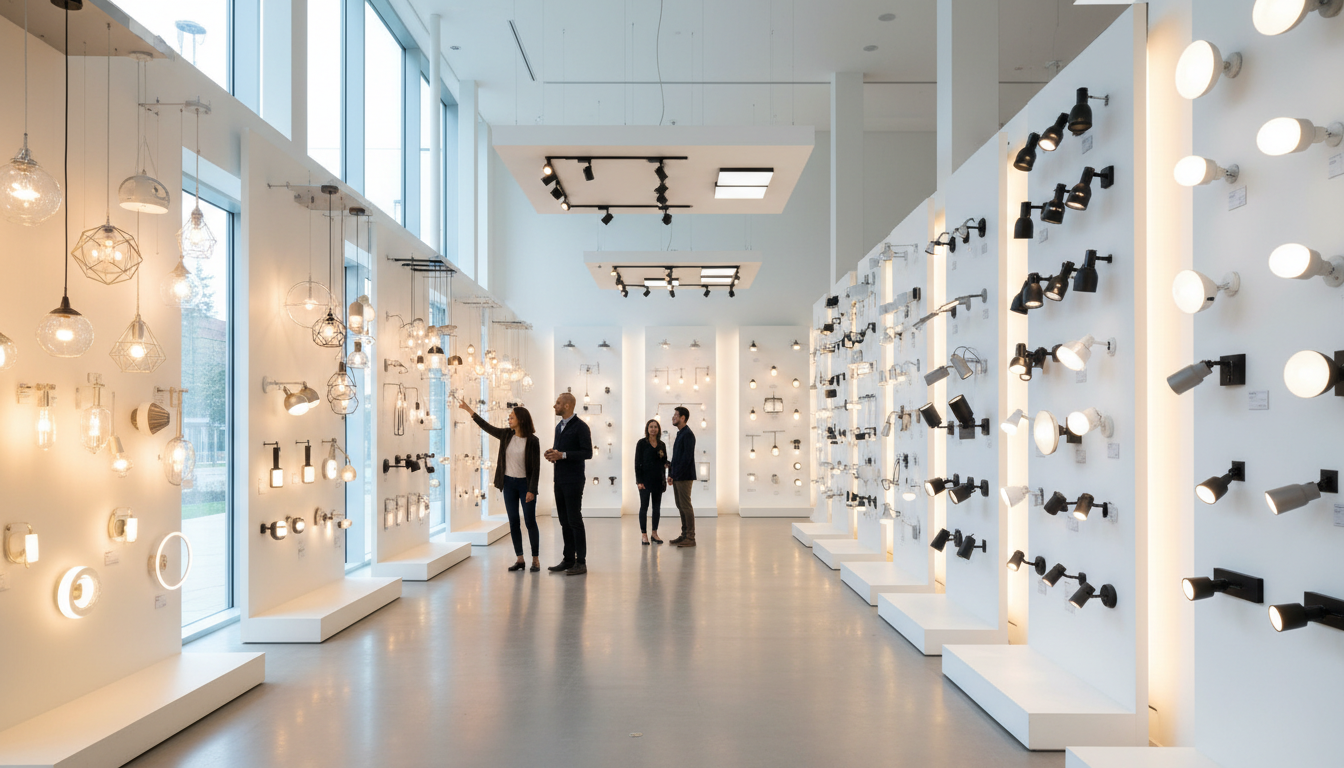
While integrated lighting handles the atmosphere, sculptural statement fixtures are serving as the jewelry of the home. These organic, flowing forms act as art pieces during the day and focal points at night. Conversely, the trend of over-relying on builder-grade recessed cans is fading. A ceiling peppered with dozens of basic cans without dimmers creates a flat, harsh environment often nicknamed the Swiss cheese effect. During our organized renovations, we prioritize fewer, higher-quality recessed lights paired with smart dimmers to give homeowners total control over the intensity and texture of their space.
Kitchen and Bathroom Lighting: The High Stakes Zones
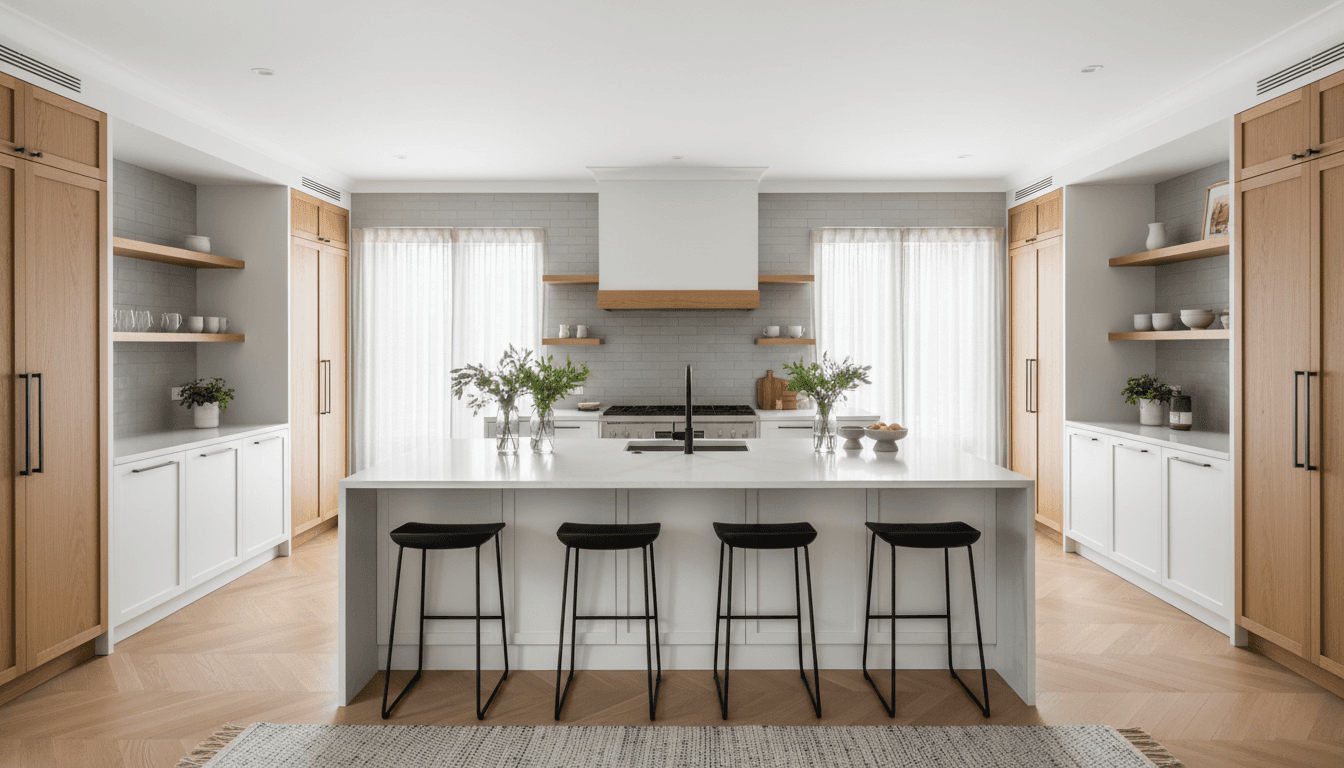
Kitchens and bathrooms are the most technically demanding areas for lighting design home renovation Fort Worth projects. In the kitchen, the primary goal is eliminating shadows on your prep surfaces. We consider under-cabinet LED strips a non-negotiable staple in our mid-range remodels because they illuminate the exact area where you are using a knife or reading a recipe. Without them, your body blocks the overhead ambient light, leaving you working in your own shadow. Island pendants then serve as the functional jewelry of the room; they should provide enough downward light for tasks while being scaled correctly to the island size.
In a bathroom remodel in Fort Worth, the stakes shift to accurate color rendering and shadow reduction. Many builder-grade homes feature a single light bar centered above the mirror. This placement is flawed because it directs light downward, creating harsh shadows under the eyes and nose that make grooming difficult. We recommend side-mounted sconces instead. Following the 5'7" rule, we mount the center of these fixtures roughly 67 inches from the floor. This aligns the light source with the average eye level, providing even, cross-side illumination that mimics natural daylight.
During our organized renovations, we also account for material interactions. Polished marble or high-gloss subway tile can act like a mirror, causing uncomfortable glare if recessed lights are placed directly over the edge of a counter. We carefully adjust the offset of ceiling fixtures to ensure the light enhances the stone's texture and depth without bouncing back into your eyes. This level of professional oversight prevents a high-end renovation from feeling visually chaotic or poorly executed.
Five Expensive Lighting Mistakes Fort Worth Homeowners Make
Even the most beautiful materials lose their impact when the technical execution of the electrical plan fails. In our experience across the DFW metroplex, most lighting regrets stem from five specific oversights that are difficult and expensive to fix once the project is finalized.
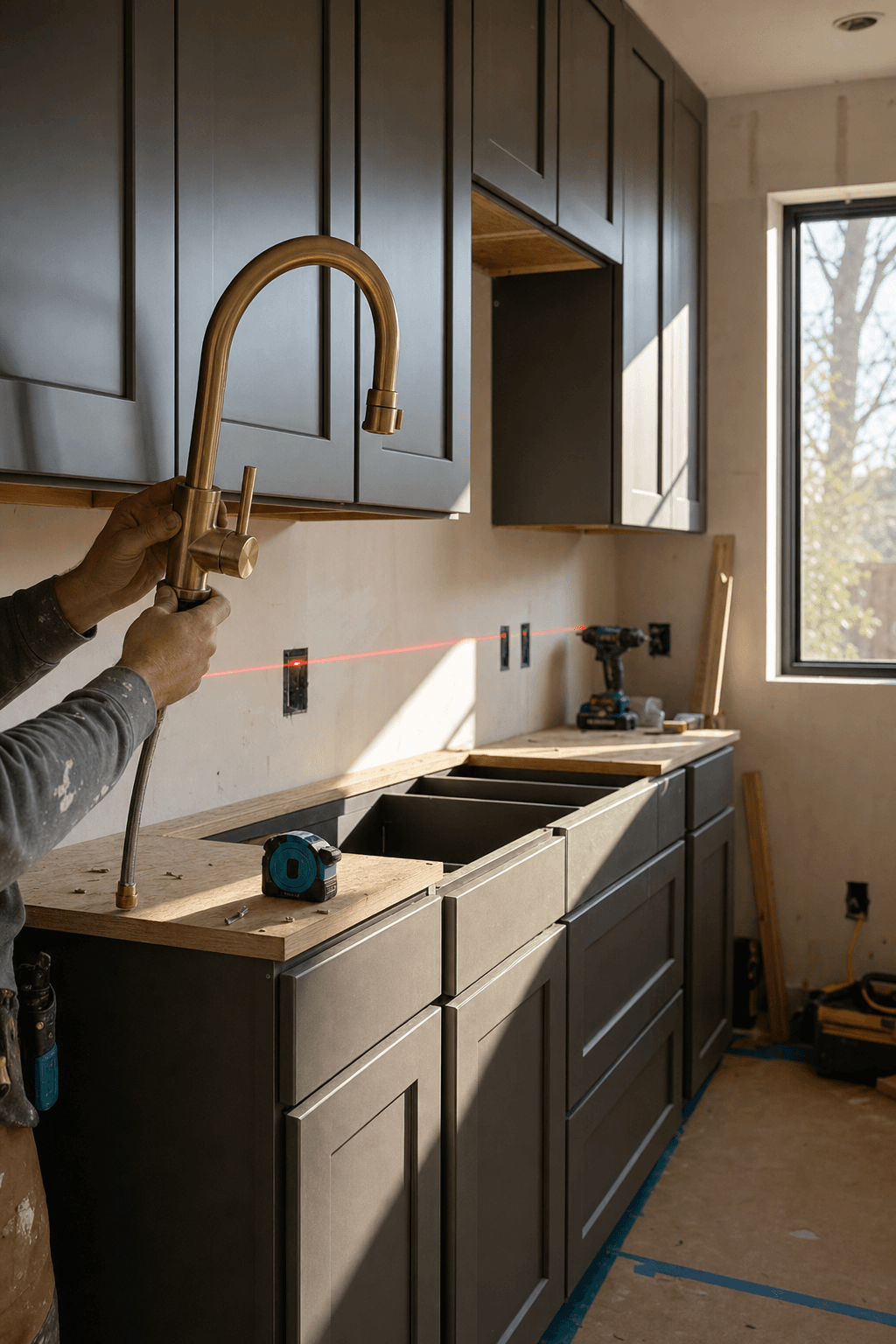
Missing the Rough-In Window: The most costly mistake is attempting to add fixtures after the drywall is installed. Deciding you want library sconces or extra recessed cans after the walls are taped and textured requires cutting into finished surfaces, re-patching, and repainting. During our organized renovations, we finalize the lighting map during the framing stage. This ensures every wire is in place before the walls are closed, saving homeowners significant labor costs and material waste.
Skipping Dimmers: Dimmers are the most cost-effective way to add a luxury feel to a home. Relying on simple on-off switches forces you into a binary choice between stadium-bright and pitch-black. Modern LED-compatible dimmers allow you to transition a kitchen from a high-energy prep space to a soft, inviting environment for evening entertaining.
Illogical Switch Placement: We often see switches placed behind the swing of a door or located too far from a room’s primary entry point. A lighting plan must account for the physical flow of the home. Professional oversight involves walking the floor plan to ensure switches are intuitive, accessible, and grouped logically.
Inconsistent Color Temperatures: Mixing warm white 2700K bulbs with daylight 5000K bulbs in the same visual field creates a jarring, disorganized aesthetic that feels accidental. We prioritize consistency across all layers to maintain a cohesive, designer-grade look throughout the renovation.
Ignoring North Texas Sun Exposure: Homeowners often forget to account for how the intense Texas sun shifts. A room with massive south-facing windows needs a different artificial lighting strategy than a darker, north-facing primary suite. We balance your fixtures against these natural light cycles to ensure the space remains functional and comfortable from sunrise to sunset.
Cost Guide: Installing New Lighting in Fort Worth
Navigating the financial side of lighting design home renovation Fort Worth projects requires understanding the difference between simple replacements and structural updates. For a basic installation where the wiring already exists, homeowners should budget between $150 and $400 per fixture. This range accounts for the complexity of the mount and the weight of the unit, particularly for heavy dining room chandeliers or high-ceiling pendants that require specialized scaffolding or bracing.
When moving beyond basic fixtures to a comprehensive, layered plan in a kitchen, costs typically range from $1,000 to $2,500 for the addition of task and accent layers. This investment covers the high-density LED strips for under-cabinet lighting and the necessary transformers and switching. For a bathroom remodel in Fort Worth, integrating waterproof recessed cans over the shower and eye-level vanity sconces follows a similar pricing structure depending on the accessibility of the existing electrical lines.
Project Type | Average Cost Range | Primary Focus |
|---|---|---|
Individual Fixture Install | $150 – $400 | Replacement of existing units |
Kitchen Layered Lighting | $1,000 – $2,500 | Under-cabinet, island, and ambient |
Whole-Home Update | $4,500 – $10,000+ | Full rewire and integrated LED systems |
We adjust our execution based on the specific project goals. During organized renovations for primary residences, we focus on custom, designer-grade fixtures and human-centric control systems. Conversely, for a reliable contractor for recurring investment property projects, we prioritize investor-grade efficiency. This involves using durable, high-lumen LED kits and standardized layouts that maximize the visual appeal for tenants while keeping the installation timeline tight and the maintenance costs low.
Lighting is more than just picking fixtures; it is about creating balance and functionality through layered design. While careful planning helps avoid expensive mistakes, the technical side of electrical layouts can be quite complex. If you want expert help navigating these decisions for your Fort Worth home, our team is here to guide you. Learn more About our approach to renovations and how we can bring your vision to life. We ensure your space is beautiful and practical without the stress.