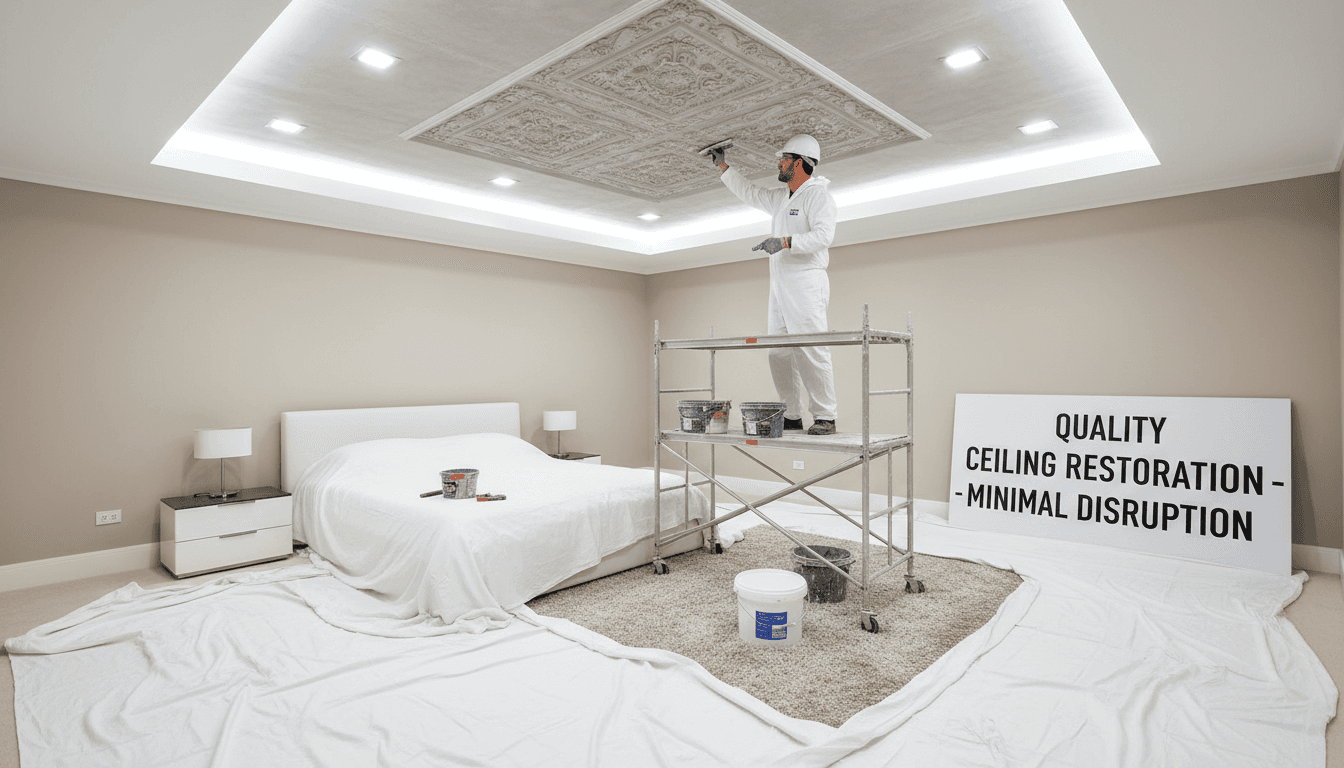
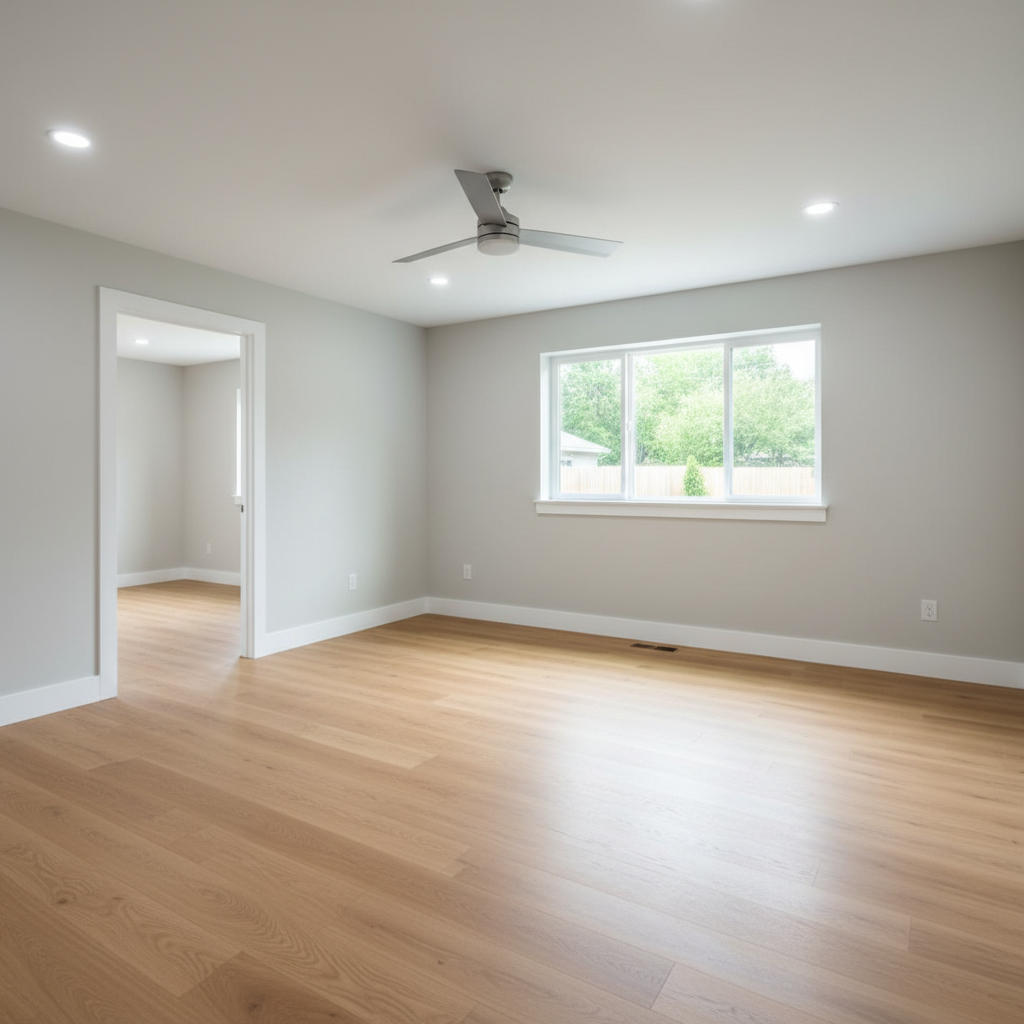
It is highly recommended to renovate before moving in Fort Worth to avoid the logistical challenges and dust associated with living inside an active construction site. Completing major updates such as floor refinishing or kitchen remodels first allows for a faster project timeline and ensures your home is move-in ready from day one.
There is a specific kind of exhaustion that comes from living in a construction zone while trying to unpack your life. Navigating plastic tarps and drywall dust in a new Fort Worth home often turns the excitement of a fresh start into a logistical nightmare. Choosing to renovate before you move in is not just about convenience; it is a strategic decision that protects your investment and your peace of mind. By addressing high impact projects while the rooms are still empty, you avoid the complications of protecting furniture and the daily disruptions of a crew in your personal space. This guide provides a practical roadmap for managing your pre-move transformation. You will learn which projects to prioritize, how to navigate the specific permitting realities of Tarrant County, and the correct order of operations to ensure your home is truly move-in ready.
The Strategic Advantage of Renovating Before You Move In

Closing on a new property triggers a race against the clock. While the temptation to move in immediately is strong, there is a distinct strategic advantage to choosing to renovate before moving in Fort Worth. From a practical standpoint, an empty house allows for a full-service home renovation to proceed without the logistical hurdles of protecting furniture, navigating around family schedules, or sealing off occupied bedrooms.
Living through a remodel is often described as a test of endurance. The reality involves fine drywall dust permeating every surface, the constant drone of power tools, and the frustration of eating takeout because the kitchen is a designated work zone. By contrast, completing the heavy lifting before the moving trucks arrive offers the luxury of bypassing the construction zone phase entirely. Bridge & Build Renovations specializes in these high impact projects, coordinating tight timelines to ensure homeowners walk into a finished, polished environment. Our team applies investor level efficiency to residential updates, ensuring that when you finally turn the key, the only thing left to do is arrange your furniture. This approach eliminates the psychological wear of living in a state of transition and allows you to enjoy your new investment from day one.
Prioritizing the Dusty Four: Projects Best Done in an Empty House
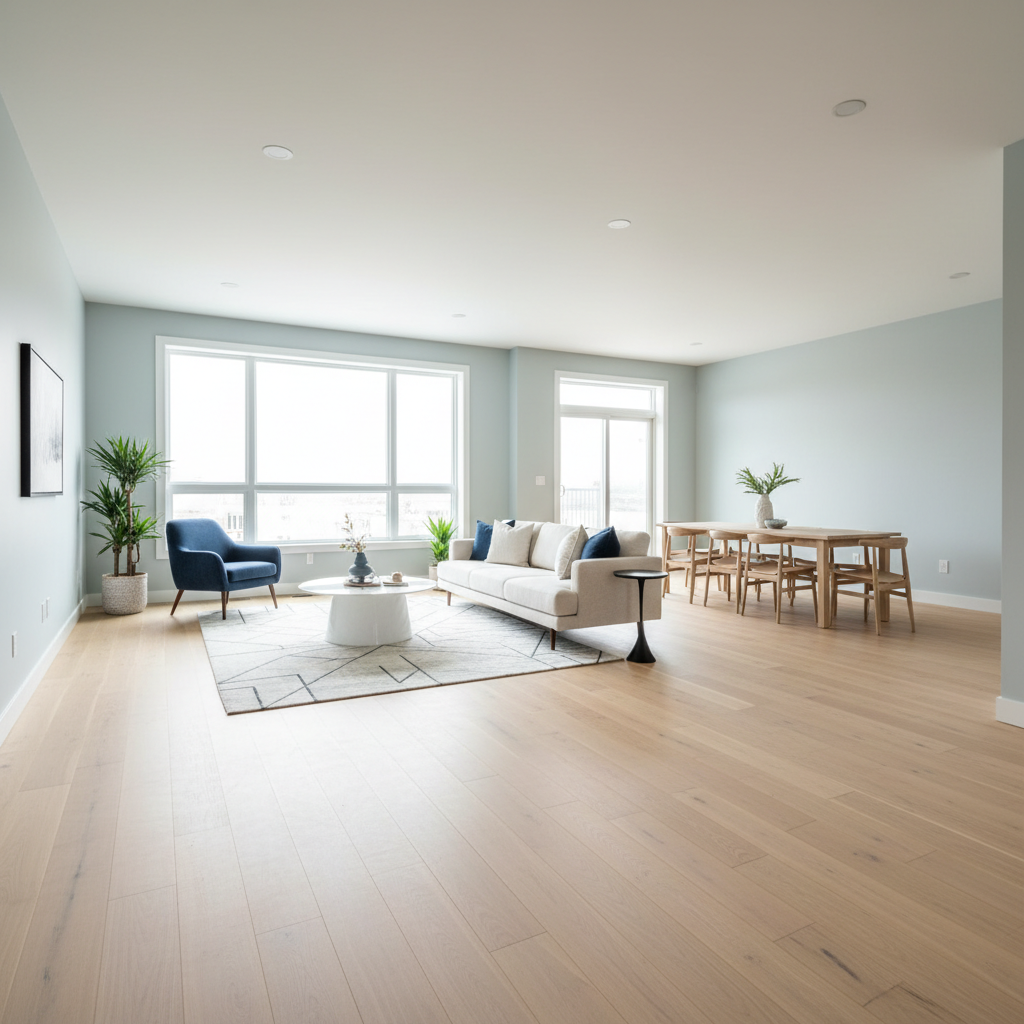
While any update is easier in an empty house, four specific projects are nearly impossible to execute efficiently once you have moved in. These are the "Dusty Four," projects that generate significant airborne debris or require total access to the home’s footprint. Identifying these early allows you to leverage the empty space for maximum speed and minimum long-term mess.
Project | Primary Impact | Why it’s better empty |
|---|---|---|
Flooring Installation | Dust and Fumes | Sanding wood or pulling tile creates fine dust that settles in HVAC vents; finish fumes need time to off-gas. |
Interior Painting | Logistics and Cost | Empty rooms allow for faster spraying and rolling without the labor-intensive masking of furniture. |
Kitchen Overhauls | Utilities and Access | Full guts require water and power shut-offs; living without a sink or stove is the top cause of renovation fatigue. |
Wall Removal | Structural and Drywall | Converting a broken floor plan into an open concept involves massive drywall demolition and structural framing. |
Flooring and painting are the most pervasive. In many 1980s and 90s homes across Keller, Southlake, and Fort Worth, the original floor plans are compartmentalized, often referred to as a "broken floor plan." Fixing this by removing partition walls between the kitchen and living area is a high-impact move, but the resulting drywall dust is invasive. It permeates every fabric and surface it touches. By addressing these structural changes as part of a full-service home renovation before the moving trucks arrive, you ensure that the "dust bomb" phase happens in a controlled, vacant environment.
Choosing to renovate before moving in Fort Worth is also a matter of cost-effectiveness. A general contractor in Dallas-Fort Worth can schedule trades like flooring and painting back-to-back without the downtime required to move furniture from room to room. When the house is clear, the workflow is linear and fast, preventing the project from dragging into your first few months of homeownership.
Kitchen and Bathroom Remodels: The High Impact Essentials
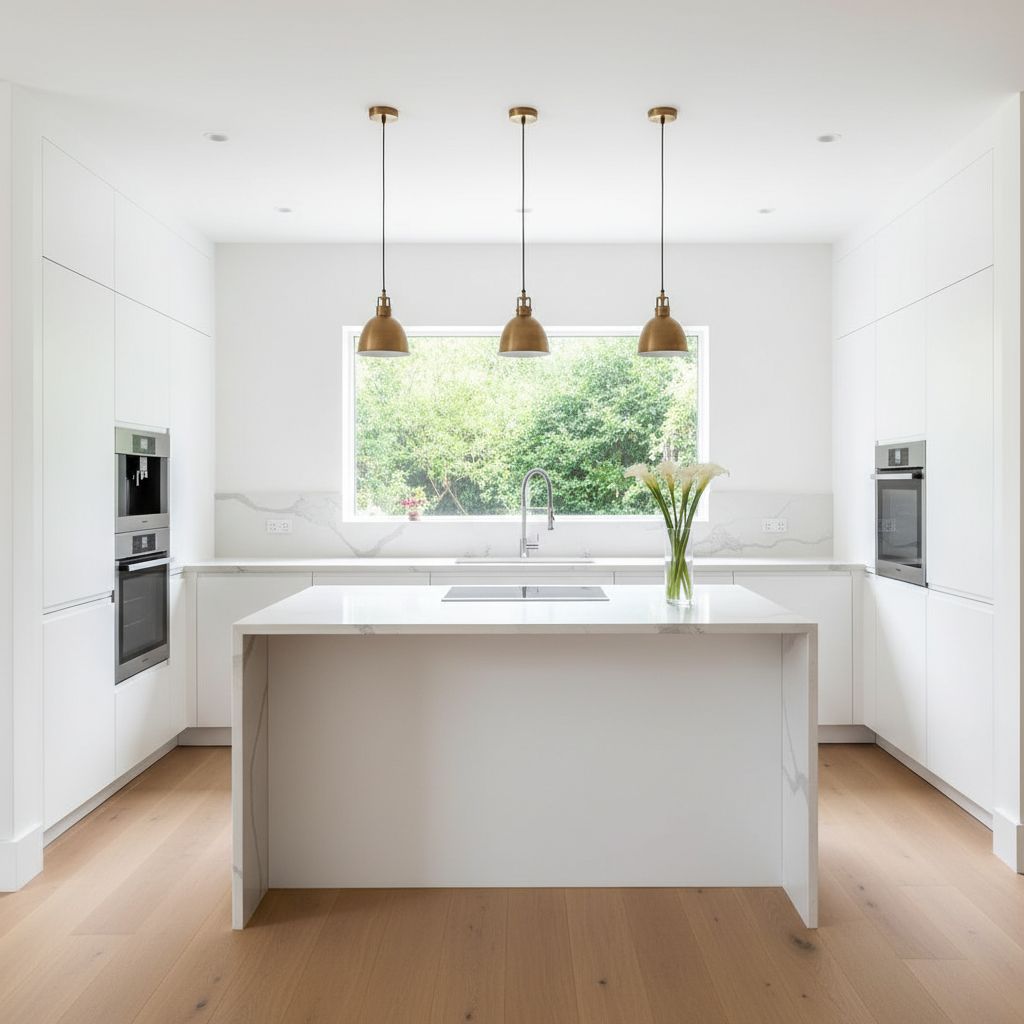
Deciding what to renovate first when you buy a house often comes down to a single factor: daily necessity. While a fresh coat of paint in the living room is a welcome update, you cannot function effectively without a kitchen or a primary bathroom. These spaces are the most resource intensive and disruptive zones of a full-service home renovation. Choosing to renovate before moving in Fort Worth ensures that the most invasive mechanical and plumbing work is completed while the house is vacant, protecting your family from the logistical strain of a construction zone.
The kitchen serves as the engine of the home. A full overhaul involves water main shutoffs and electrical rewiring, which renders the space useless for weeks. Homeowners who move in before the project starts often find themselves washing dishes in a bathtub and spending thousands on takeout; this adds unnecessary stress and hidden costs to the project. In the current DFW market, we see a heavy preference for durable quartz countertops and intricate, modern tile installation. These materials require precision cutting that generates significant silica dust. Handling this messy phase before your appliances and pantry items are moved in is a major tactical advantage.
Bathrooms present similar hurdles. If a property has only two baths, losing one for a bathroom remodel in Fort Worth forces an entire family to share a single sink and shower for the duration of the project. By coordinating with a general contractor in Dallas-Fort Worth to finish these high impact areas first, you avoid the renovation fatigue that sets in when basic hygiene and nutrition are compromised. Completing these essentials before move-in allows you to start your new chapter with a functional, modern home from day one.
Fort Worth Permitting and Timeline Realities
Executing a successful plan to renovate before moving in Fort Worth requires more than just a design; it requires a deep understanding of local municipal calendars. While real estate investors often operate on hyper-compressed schedules, homeowners undertaking a full-service home renovation must account for varying permit lead times across the metroplex. In Fort Worth, simple trade permits might be issued quickly, but any project involving structural changes or major system overhauls requires a formal plan review.
The requirements shift significantly depending on your specific municipality. Southlake and Keller often have rigorous architectural standards and inspection schedules, while Aledo or Burleson may have different protocols for utility updates. A general contractor in Dallas-Fort Worth must navigate these local ordinances to prevent stop-work orders that could push your move-in date back by weeks.
Our team applies investor-level efficiency to every project by front-loading the administrative work. While we wait for a bathroom remodel in Fort Worth permit to clear, we are already finalizing material procurement and scheduling subcontractors. This structured project management ensures that once the city gives the green light, the physical work begins immediately. This proactive approach turns permit wait times into a productive planning phase, keeping your move-in timeline predictable and your transition into the new home on track.
Budgeting Your Pre Move Renovation: The 30 Percent Rule and Beyond
Navigating the financial side of a plan to renovate before moving in Fort Worth requires a balance between personal preference and market reality. A common benchmark for real estate investors and savvy homeowners is the 30 percent rule. This guideline suggests keeping your total renovation costs within 30 percent of the home's current market value to protect your return on investment. If you exceed this threshold, you risk over improving the property beyond what the local neighborhood comparables in Keller or Southlake can support.
In the current DFW market, $100,000 is a significant starting point that typically covers a high end kitchen renovation and a primary bathroom remodel in Fort Worth. It might also include updated lighting and fresh paint throughout the common areas. Moving to a $300,000 budget shifts the scope into a full-service home renovation. At this level, you can address the entire footprint, including moving walls, replacing all flooring, updating mechanical systems, and refinishing every bathroom in the house.
Budget Range | Typical DFW Scope of Work |
|---|---|
$75k to $125k | High end kitchen and primary bath; cosmetic updates to common areas. |
$150k to $250k | Kitchen, multiple baths, whole home flooring, and interior painting. |
$300k and up | Full scale custom remodel; layout changes; structural and mechanical updates. |
A general contractor in Dallas-Fort Worth can help refine these numbers based on specific material selections and site conditions. For a more granular breakdown of costs, refer to our comprehensive budgeting guide to ensure your project stays financially viable.
The Correct Order of Operations for a Smooth Move In

Establishing a clear sequence is the only way to protect your investment and maintain a firm move-in date. A general contractor in Dallas-Fort Worth uses a specific order of operations to ensure no trade has to undo the work of another, a common issue when projects are managed without professional oversight.
Structural and Mechanical: Prioritize plumbing and electrical updates. Addressing these while walls are open prevents the need to cut into fresh drywall or tile later, which is essential during a bathroom remodel in Fort Worth.
Layout Changes: Remove walls to create the desired open concept. This phase creates the most significant debris and defines the new footprint for flooring and lighting.
Surface Preparation: Execute drywall repairs and interior painting. It is far more efficient to spray an empty house before the new floors are laid down, avoiding the risk of paint drips on fresh materials.
Flooring Installation: Once the dusty trades are finished, install tile or hardwoods. This sequence prevents heavy foot traffic and tool drops from damaging expensive new surfaces.
Fixtures and Finish Carpentry: Install baseboards, lighting, and hardware. This final stage provides the polish that turns a construction site into a functional home.
Skipping these steps or reversing the order leads to expensive re-work costs. Installing new cabinets before addressing a slab leak or updating plumbing is a recipe for disaster. Professional project management ensures these phases overlap where possible, such as scheduling electrical rough-ins while wall framing is underway. This structured approach is what allows a full-service home renovation to remain on schedule, ensuring that when you renovate before moving in Fort Worth, the transition is seamless.
Avoiding the Biggest Renovation Mistakes for New Homeowners
Analysis paralysis is a primary cause of delayed move-in dates. When homeowners delay decisions on tile patterns or plumbing fixtures, it ripples through the entire construction schedule, making it difficult to renovate before moving in Fort Worth on a tight timeline. Finalizing these selections during the initial planning phase ensures that a full-service home renovation proceeds without avoidable interruptions or backordered material delays.
Another common error is attempting to manage multiple disjointed subcontractors independently. Without a single general contractor in Dallas-Fort Worth to oversee the flow, trades often conflict, leading to the re-work costs discussed in the order of operations. Reliable project management and consistent communication are necessary to synchronize separate trades, such as ensuring the plumber finishes the rough-in before the tile installer arrives.
Homeowners should also evaluate material durability based on long term goals. If you intend to transition the property into a rental turn after a few years, avoid delicate surfaces like porous natural stone. Opting for resilient quartz in a bathroom remodel in Fort Worth or high grade flooring ensures the home withstands future wear, protecting the value of your investment from day one.
Transforming your new house into a dream home before move-in day is the most efficient way to ensure a seamless transition. By completing major updates early, you avoid the stress and mess of living in a construction zone. If you want expert help to streamline the process, our team is ready to assist. Opting for a Full Service Renovation provides the professional oversight needed to keep your project on track and on budget. This approach ensures your Fort Worth home is perfectly finished the moment you arrive.