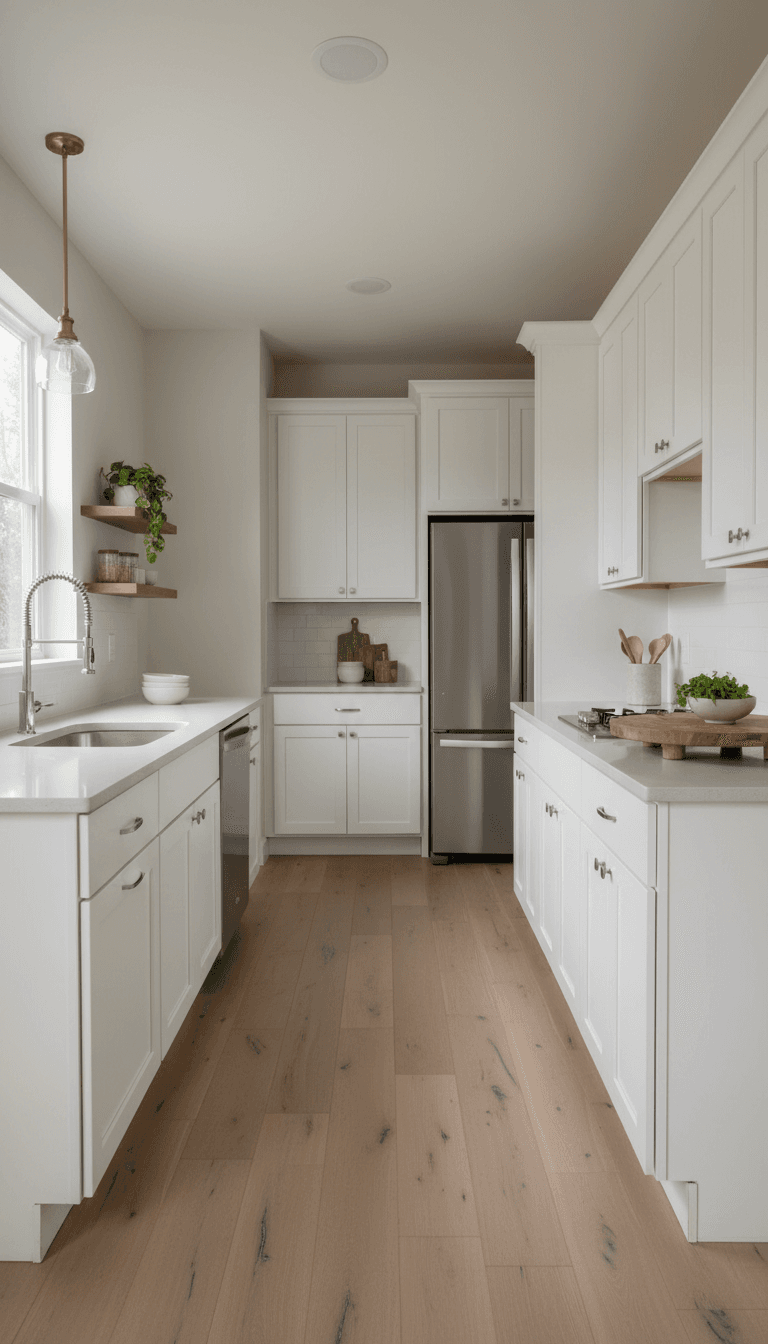

Effective home renovation budget financing Fort Worth strategies involve comparing low-interest options like HELOCs or personal loans against local remodeling costs that range from $25 to $300 per square foot. By aligning the project scope with available equity or contractor payment plans, residents can maximize their property value while maintaining a manageable payment structure.
Transforming a historic Fairmount bungalow or updating a modern Tanglewood estate is an inspiring endeavor, yet the initial excitement often gives way to financial anxiety when the reality of North Texas construction costs sets in. Navigating the intersection of design dreams and fiscal responsibility requires more than just a spreadsheet; it demands a strategic approach to local market trends and lending environments. At Bridge & Build Renovations, we believe that a well executed project begins with a transparent, resilient financial roadmap. In this comprehensive guide, we will explore how to construct a realistic budget for the 2026 DFW market, evaluate the most advantageous financing vehicles for your specific needs, and navigate local grant programs. You will also learn how to avoid common contingency traps and determine whether a major remodel truly offers a better return than moving within the Fort Worth area.
The Reality of Home Renovation Budgeting in Fort Worth
The DFW housing market in 2026 presents a specific set of challenges for residents. With mortgage rates projected to settle near 6.3 percent, many families are prioritizing improvements over moving to avoid resetting their financing terms. This shift has turned local properties into long-term investments that require strategic updates to maintain their competitive edge. While generic online calculators offer broad estimates, a home renovation budget financing Fort Worth project requires local expertise to account for Tarrant County’s specific labor market and material supply chains.
For homeowners in growing communities like Keller, Aledo, or Benbrook, renovation is fundamentally about asset protection. Bridge & Build Renovations brings a unique perspective to these projects by blending investor-level efficiency with homeowner-focused craftsmanship. This approach ensures that a high-end kitchen or bathroom remodel benefits from the same structured timelines and professional project management used in large-scale real estate portfolios.
Choosing a Fort Worth general contractor who understands these local dynamics is the first step toward a successful transformation. A renovation should be an organized process rather than a series of expensive surprises. By focusing on clean design and durable materials, residents can modernize their interiors while ensuring their investment remains secure in the evolving Dallas-Fort Worth metroplex.
How to Create a Realistic Home Renovation Budget for 2026

Constructing a budget begins with defining your scope against current North Texas labor and material indices. In the Dallas-Fort Worth metroplex, a common pitfall is using national averages that do not reflect our local surge in trade demand. A realistic home renovation budget financing Fort Worth project starts by categorizing the intensity of the work.
Project Tier | Price Range (per sq. ft.) | Typical Scope |
|---|---|---|
Cosmetic | $25 – $75 | Interior painting, LVP flooring, light fixtures, and hardware. |
Mid-Range | $75 – $150 | New cabinetry, quartz surfaces, and minor layout adjustments. |
Luxury / High-End | $150+ | Structural changes, custom cabinetry, and high-end tile. |
Traditional wisdom often suggests the 30 percent rule, which dictates that you should not spend more than 30 percent of your home's value on a full-service home renovation. Bridge & Build Renovations recommends a more nuanced approach. In high-value areas like Southlake or Aledo, spending 30 percent might be overkill for a functional update, while in established Fort Worth neighborhoods, that same percentage might not cover the mechanical updates needed for a modern interior transformation. We look at the After Repair Value (ARV) to ensure the project remains a sound investment rather than just an expense.
Your budget must account for the 60/40 split typical in North Texas: roughly 60 percent for skilled labor and 40 percent for materials. Furthermore, Fort Worth code requirements often trigger unexpected costs. For instance, updating a kitchen in an older Tarrant County home frequently requires bringing the electrical panel up to current city code or installing specific drainage systems that generic guides overlook. Professional project management acts as the primary safeguard here. By providing structured timelines and daily communication, we prevent the "scope creep" that causes numbers to balloon once the walls are opened. This organized oversight ensures that every dollar allocated actually ends up in the finished product.
Choosing the Best Home Renovation Financing Options in DFW
Securing the capital for a major project is the next logical step once you have established a home renovation budget financing Fort Worth strategy. In the 2026 market, where mortgage rates are hovering between 6.3 and 6.5 percent, the math on financing has shifted. The goal is no longer just finding the lowest rate; it is about protecting your existing low-interest primary mortgage while accessing the liquidity needed for a high-quality transformation.
For many homeowners in established areas like Fairmount or Arlington Heights, the most significant challenge is a lack of current equity despite a high potential After Renovation Value (ARV). This is where RenoFi loans become a powerful tool. Unlike traditional equity products that only let you borrow against what the home is worth today, these loans allow you to borrow against what the home will be worth after the kitchen remodel financing or master suite addition is complete. This effectively doubles or triples your borrowing power, making major transformations possible in older neighborhoods where home values are poised to jump.
Financing Method | Best For | Interest Type | Primary Benefit |
|---|---|---|---|
HELOC | Staged renovations | Variable | Only pay interest on what you use; preserves primary mortgage rate. |
Home Equity Loan | Fixed-price projects | Fixed | Predictable monthly payments; lump sum disbursement. |
Cash-Out Refinance | Total debt restructuring | Fixed | Replaces entire mortgage; only viable if your current rate is above 6.5%. |
Personal Loan | Fast, smaller updates | Fixed | No collateral required; faster funding for rental turns or cosmetic flips. |
Contractor Payment Plans | Specific project gaps | Varies | Streamlined application process; often integrated into the project timeline. |
If you are sitting on a 3 or 4 percent mortgage from years ago, a cash-out refinance is likely a poor financial move. It forces you to reset your entire balance at 2026 rates. A HELOC or a standalone home equity loan allows you to keep your primary rate intact while only paying the current market rate on the renovation funds. As a Fort Worth general contractor, we frequently assist clients by providing the detailed line-item bids and professional project schedules that lenders require for these applications. This level of documentation reduces friction with the bank and ensures your funding stays aligned with your construction milestones.
Avoiding the 78 Percent Budget Trap: Planning for Contingencies

Industry data reveals a sobering reality for DFW property owners: 78 percent of renovations exceed their initial estimates. These overruns rarely stem from a single catastrophic error. Instead, they are the result of unmanaged variables that surface once demolition begins. In older Tarrant County homes, common culprits include hidden termite damage, which is a persistent issue in North Texas, or the discovery of outdated wiring that requires an immediate electrical overhaul to meet current safety codes.
Another significant factor is the "while we are at it" syndrome. It is tempting to add a pantry upgrade or a custom lighting package once you see the progress of a full-service home renovation, but these small additions quickly compound. To stay financially secure, we recommend building a 10 to 20 percent contingency fund directly into your home renovation budget financing Fort Worth plan. This ensures that a necessary subfloor repair or a plumbing vent relocation does not halt your project mid-stream.
Managing these surprises requires more than just a line item in a spreadsheet; it requires a Fort Worth general contractor dedicated to transparency. Bridge & Build Renovations utilizes daily updates and structured communication to address site discoveries in real time. By identifying potential issues early and discussing the financial impact immediately, we prevent the budget creep that leaves many homeowners frustrated. Professional project management ensures that your contingency fund remains a safety net, not a standard expectation for basic completion.
Local Resources: Fort Worth Home Repair Programs and Grants
Fort Worth property owners should investigate local government initiatives that can offset the costs of essential maintenance. The City of Fort Worth Priority Repair Program offers assistance to income eligible homeowners for critical failures such as HVAC, plumbing, or electrical systems. Similarly, the Weatherization Assistance Program (WAP) helps residents improve energy efficiency through insulation and sealing, which reduces long term utility overhead. These programs are vital for stabilizing a home’s core functions, particularly when emergency repairs threaten to derail your primary home renovation budget financing Fort Worth strategy.
However, these grants are strictly focused on habitability and efficiency. If your goal is a modern interior transformation, a new open concept layout, or high end finishes, these public funds will not apply. For a full-service home renovation, private funding remains the necessary route. A Fort Worth general contractor typically handles projects that go far beyond the scope of government aid. While these local resources are excellent for securing the shell of a house, you will likely need to explore kitchen remodel financing or equity based loans to achieve the aesthetic and functional upgrades that drive property value in Tarrant County.
Should You Renovate or Move? The Fort Worth Perspective
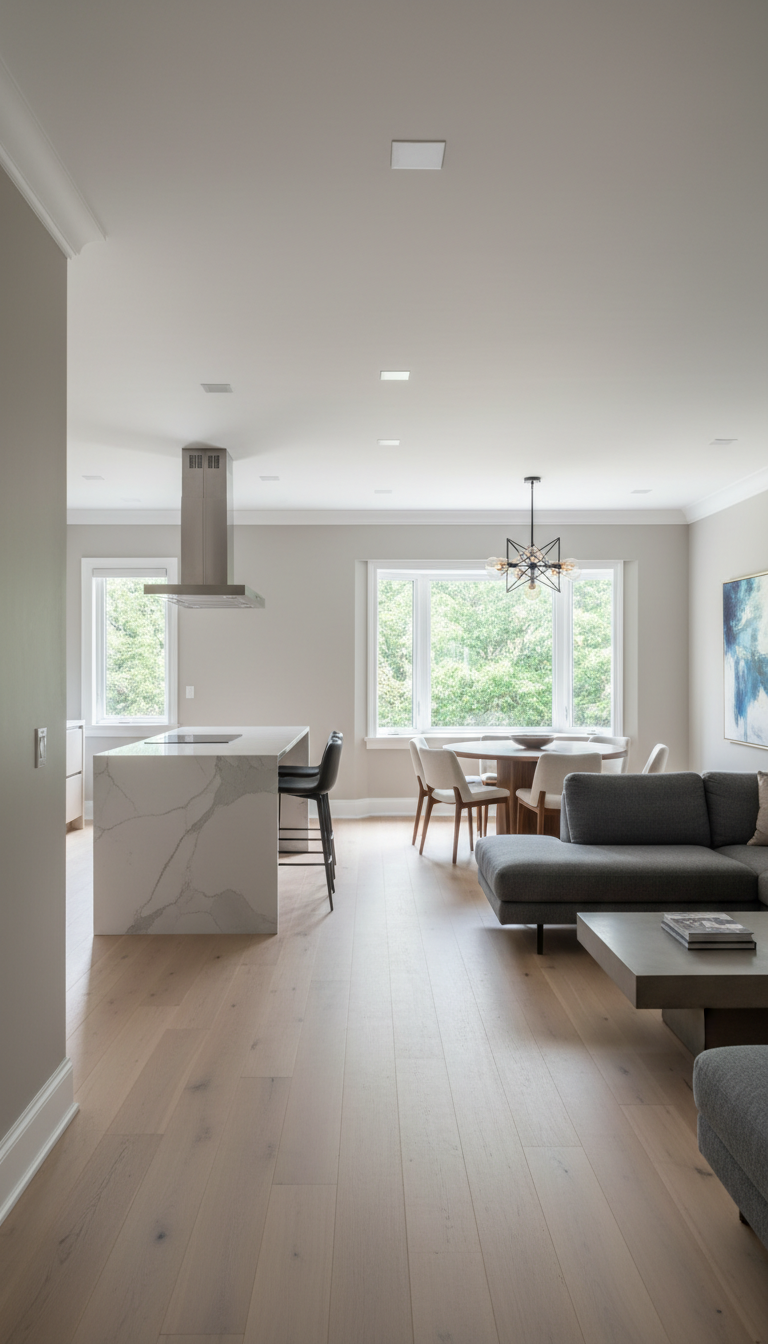
Deciding between listing a home or staying put requires a cold look at the transactional friction of the DFW real estate market. In neighborhoods like Southlake or Benbrook, the combined cost of realtor commissions, closing fees, and physical moving expenses often reaches 8 to 10 percent of the home’s value. On a $600,000 property, that represents $60,000 in sunk costs that add zero value to your daily life. When you add the reality of abandoning a low interest mortgage for a new 30 year note at 6.5 percent, the financial case for moving weakens further.
Tarrant County property taxes also play a major role. A new purchase triggers a fresh assessment at current market values; this often results in a significantly higher tax bill compared to an established homestead with a capped appraisal. By staying and utilizing a smart home renovation budget financing Fort Worth strategy, you preserve your favorable tax basis and interest rate.
Redirecting those potential moving fees into a full-service home renovation allows you to customize your environment to your exact specifications. A well executed kitchen remodel financing project or a master suite update provides a high return on investment without the inventory scarcity found in Aledo or Keller. Working with an experienced Fort Worth general contractor ensures your capital builds equity rather than feeding transaction fees.
Financing your home renovation requires careful planning and a realistic look at your financial goals. By setting a clear budget and exploring the best funding options for your specific situation, you can avoid unnecessary stress during the build. If you find the planning stage a bit overwhelming, seeking guidance from an experienced team can help bring your vision to life. For homeowners starting their journey with kitchen remodeling, we provide expert advice to ensure your project remains both beautiful and financially sound.