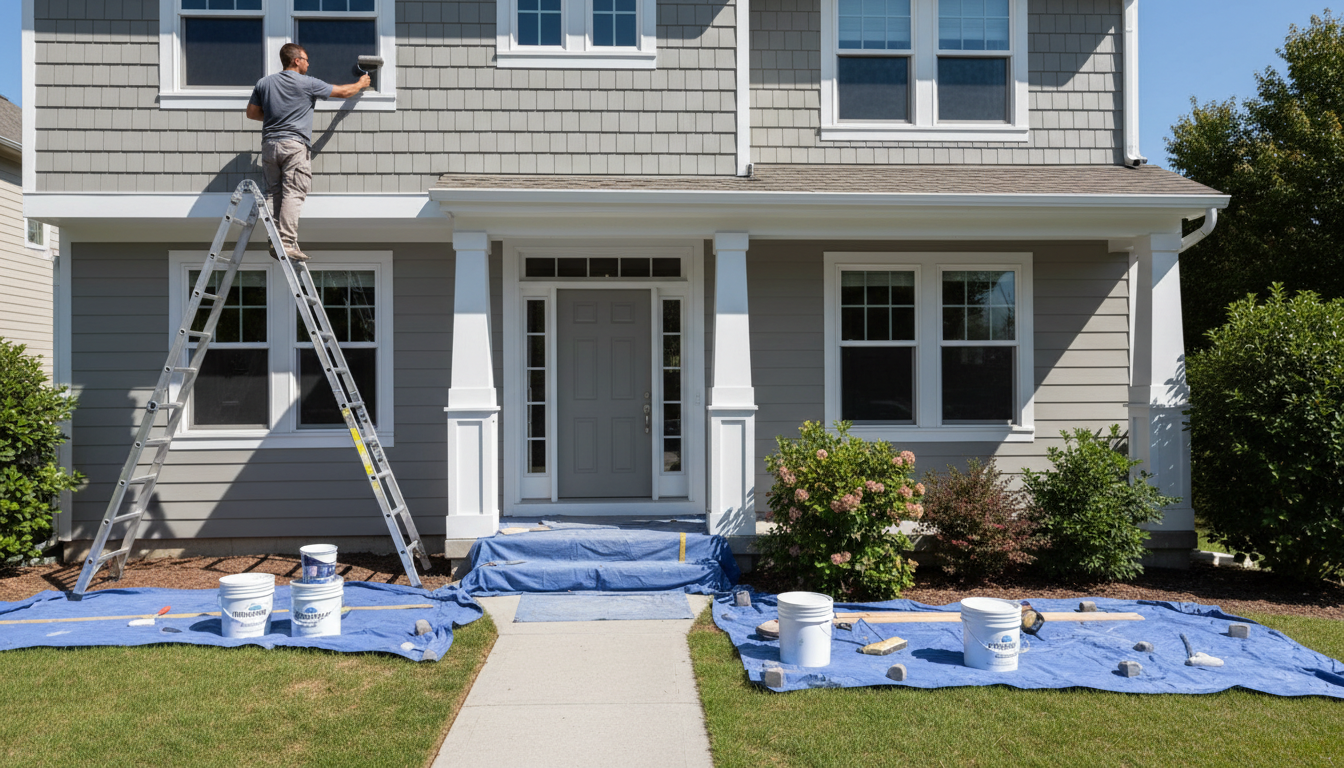
The best time for exterior painting Fort Worth is during early spring or late fall when mild temperatures allow for optimal paint adhesion and drying. To ensure a lasting finish, homeowners must prioritize thorough surface preparation, including pressure washing and scraping, to protect the home against Texas weather and high UV exposure.
The Fort Worth climate is notoriously hard on a home's exterior, as the combination of intense Texas sun and unpredictable seasonal humidity can cause even high quality paint to crack or fade within just a few years. For many homeowners, the sight of peeling trim or weathered siding is more than an aesthetic concern; it is a sign that the underlying structure is vulnerable to moisture and rot. Achieving a finish that actually lasts requires more than a simple coat of color. It demands a strategic approach to timing and a relentless focus on surface preparation. In this guide, we will explore the ideal windows for exterior painting in North Texas, the specific prep steps that distinguish a professional result from a temporary fix, and how to select materials engineered to withstand the unique demands of the DFW environment.
The North Texas Sweet Spot: When is the Best Time for Exterior Painting in Fort Worth?
Timing an exterior painting project in North Texas is more than a matter of convenience; it is a critical technical requirement for the longevity of the finish. For the highest quality results, we target a temperature window between 50 and 90 degrees Fahrenheit. While it might be tempting to knock out a project during a clear July week, the extreme Fort Worth heat actually works against the paint. When temperatures exceed 100 degrees, the paint film dries too rapidly, preventing it from leveling out and bonding properly to the surface. This often results in a finish that peels or flakes within just a few seasons.
Conversely, the winter months present the opposite risk. Major freeze events, such as the February 'Snovid' storms that have become more frequent, will stop the curing process entirely. If the temperature drops below 50 degrees before the paint has fully cured, the chemical bond is compromised, leading to poor adhesion and a chalky finish. Adhesion is the foundation of any paint job; if the bond fails at the substrate level, even the most expensive paint will eventually fail.
For most homeowners and those managing investor rehab projects, the peak windows for exterior painting Fort Worth fall between late March and early June, and again from late September through November. These months typically offer the most consistent temperatures and manageable humidity. Humidity is a specific challenge in the DFW metroplex; high moisture levels in the air extend drying times significantly. If the air is too saturated, the paint remains tacky for too long, attracting dust and debris before it can set.
Working with a professional general contractor in Fort Worth ensures that your project, including a full home renovation, is scheduled during these optimal windows. We monitor the local forecast to ensure the substrate temperature is within the manufacturer's specified range. This structured approach prevents the premature failures common in rushed, off-season applications.
How Often Should You Repaint Your Home in Fort Worth?
Determining the frequency of maintenance depends heavily on the materials used in your exterior envelope. For homes with wood siding or trim, the harsh North Texas environment typically necessitates a repaint every 5 to 7 years. In contrast, masonry surfaces like brick or stucco are more resilient; they often hold their finish for 10 to 15 years. However, these timelines are not absolute. They are dictated by the specific environmental stressors unique to the DFW metroplex.
Three primary factors shorten the lifespan of exterior painting Fort Worth. First, the intense UV exposure on south and west facing walls breaks down paint binders, causing the color to fade and the protective layer to become brittle. Second, the rapid thermal expansion and contraction caused by 40 degree temperature swings in a single day puts immense stress on the bond between the paint and the substrate. Finally, frequent hail storms can create micro-fractures in the paint film, which allow moisture to penetrate and lead to underlying rot.
For those managing investor rehab projects, the strategy changes slightly. We recommend refreshing the exterior during major rental turns if the current coat shows any signs of chalking or peeling. A crisp, professionally painted exterior significantly increases property value and attracts higher quality tenants who are more likely to care for the home. When a general contractor in Fort Worth manages these updates as part of a full home renovation, it ensures the property remains competitive in the local market while preventing costly structural repairs caused by moisture intrusion. Maintaining the exterior is the first line of defense for the entire structure.
The Prep Work That Differentiates a Professional Finish from a DIY Disaster
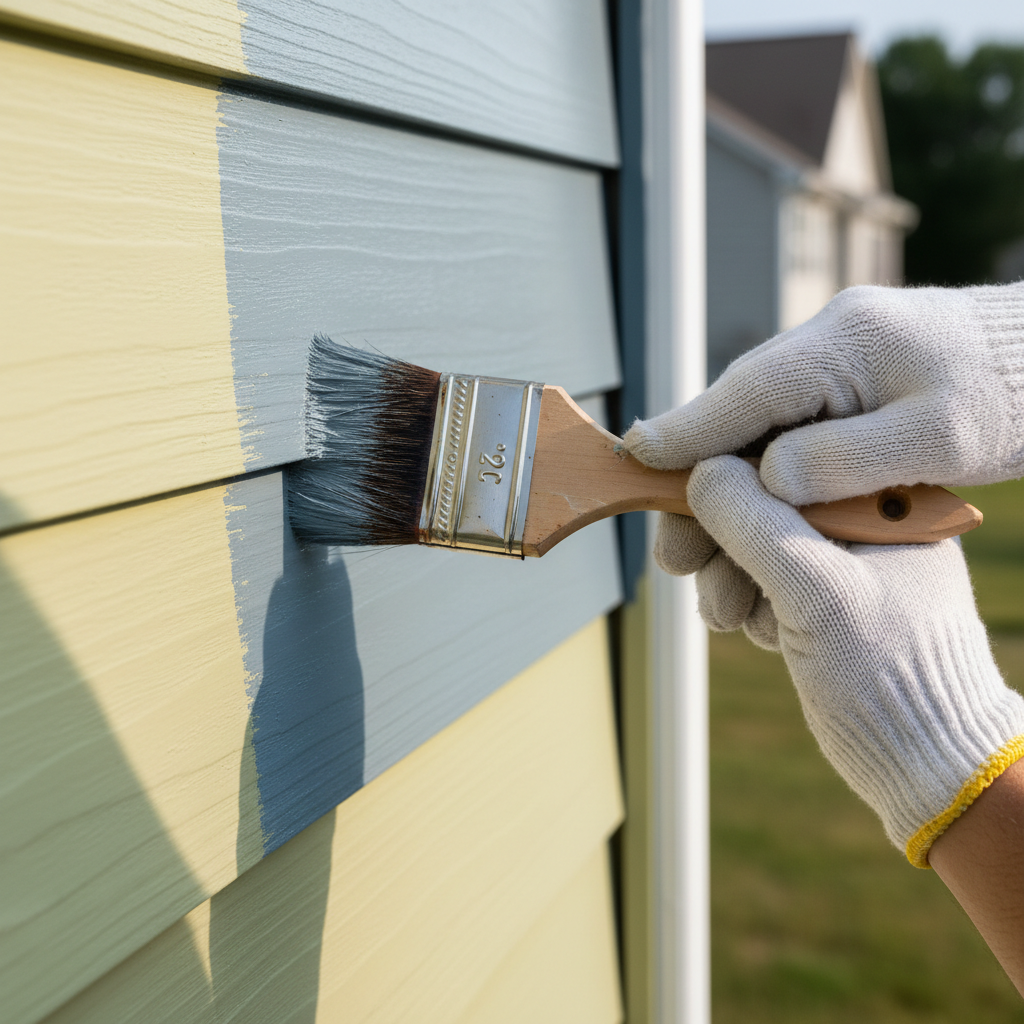
In North Texas, the environment is constantly depositing a fine layer of alkaline dust, cedar pollen, and mildew on your siding. A professional exterior painting Fort Worth project always begins with a thorough, controlled pressure wash. We are not just rinsing the house; we are removing the chalky residue left by oxidized paint and the organic growth that thrives during humid DFW springs. Skipping this step means you are essentially painting over a layer of debris that will eventually cause the new coat to bubble, crack, and slide away from the substrate.
Once the surfaces are dry, the structured prep moves into mechanical removal. Our team scrapes away every flake of loose or failing paint until we reach a sound, stable surface. This addresses the common question: "Can I just paint over old exterior paint?" The answer is a firm no if the existing finish is failing. New paint is only as strong as the layer beneath it. If the old layer is already losing its grip, the weight and tension of the new coat will pull it right off the wall. We follow scraping with targeted sanding to feather out rough edges, ensuring a smooth transition between the old finish and bare wood.
A critical component of the Bridge & Build process involves a detailed inspection for structural integrity. During a full home renovation or a dedicated exterior update, we hunt for soft spots in fascia boards, window sills, and siding. Applying primer over rotted wood is a temporary cosmetic fix that masks an underlying moisture problem. As a general contractor in Fort Worth, our team identifies these failures early. We replace damaged boards and seal gaps with high quality, flexible caulking before the primer is even opened. This level of professional oversight is what differentiates investor rehab projects that stand the test of time from those that require expensive rework after only a few seasons.
Repairing Wood Siding and Trim Before You Paint
Applying a fresh coat of paint to rotted wood is essentially an expensive way to camouflage structural failure. Within one or two seasons, the moisture trapped inside the decaying fibers will force the paint to bubble and flake, leaving the underlying wood even more exposed to the elements. In historic Fort Worth neighborhoods like Fairmount or Tanglewood, where many homes feature original wood siding and detailed trim, identifying these soft spots is a non-negotiable step in the exterior painting Fort Worth process.
Homeowners should pay close attention to window sills, door frames, and the bottom edges of fascia boards. If the wood feels spongy to the touch or if a screwdriver can easily penetrate the surface, the material is compromised. Leaving these areas untreated creates an open invitation for North Texas pests, including termites and carpenter ants, to enter the home’s envelope. Moisture intrusion through these gaps can quickly lead to interior drywall damage and mold growth.
By utilizing a general contractor in Fort Worth, you ensure that these repairs are handled professionally before the aesthetic work begins. We coordinate the seamless transition from siding replacement to finish painting, whether the scope involves a high-end full home renovation or fast-paced investor rehab projects. This structured approach ensures that every square inch of the home is structurally sound and moisture-sealed, protecting your investment for years rather than months.
Selecting the Right Paint for the Fort Worth Climate
Once the substrate is sound, the focus shifts to the chemical composition of the coating. In North Texas, we recommend high quality 100% acrylic latex paints for their superior flexibility. This formulation allows the paint film to expand and contract alongside the wood and siding as temperatures fluctuate from frosty mornings to scorching afternoons. Without this elasticity, the finish will quickly develop micro-cracks that invite moisture into the structure.
UV resistant pigments are a non-negotiable requirement for exterior painting Fort Worth. South facing walls in open areas like Keller or Aledo receive intense, direct sunlight for most of the day. Lower grade paints often oxidize and fade within two years, whereas high quality resins maintain their color and protective barrier significantly longer.
Selecting the right finish is equally functional. While flat finishes hide surface imperfections on older investor rehab projects, they are porous and tend to trap the fine limestone dust common in Burleson and Aledo. We typically steer clients toward a satin finish for a full home renovation. Satin provides a subtle luster that resists moisture and allows grit to wash away during rain rather than becoming embedded in the film. A professional general contractor in Fort Worth ensures the chosen product balances these aesthetic goals with the realities of the Texas wind and sun.
Understanding Exterior Painting Costs in DFW
Determining the budget for a project requires looking beyond the price per gallon at a hardware store. For a standard 2,000 square foot home in the DFW metroplex, a professional exterior painting Fort Worth project typically ranges from $4,500 to $7,500. This investment covers more than just the liquid in the bucket; it accounts for the technical labor required to ensure the finish lasts a decade rather than a single season.
A significant portion of this cost is dedicated to site protection and meticulous prep work. Masking windows, covering landscaping, and protecting concrete driveways takes hours of labor before a single drop of paint is applied. The following table provides a general breakdown of how those costs are distributed for a professional application.
Expense Category | Typical Percentage | What It Covers |
|---|---|---|
Prep & Masking | 40% - 50% | Power washing, scraping, sanding, and taping |
Labor & Application | 30% - 40% | Spraying, back-rolling, and trim detail |
Materials | 15% - 20% | High-grade acrylic paint, primer, and caulk |
Low-cost bids often indicate that the contractor plans to skip the back-rolling process. A cheap spray-only job results in a thin, uneven layer that sits on top of the surface. In contrast, a general contractor in Fort Worth utilizes a spray-and-back-roll technique. This involves one professional spraying the coating while another follows with a roller to mechanically work the paint into the grain and pores of the siding. This method is essential for investor rehab projects that need to withstand tenant turnover and for homeowners undergoing a full home renovation who want a durable, professional result that survives the Texas sun.
Choosing the right season and prepping your surfaces carefully are the most important steps for a durable exterior paint job in Fort Worth. While many homeowners enjoy tackling these improvements themselves, achieving a truly flawless finish often requires specialized equipment and expertise. If you want expert help to manage the process, we can easily integrate painting into a larger Full Home Renovation project. Our team ensures every detail is handled correctly so your home looks beautiful for years to come.